
Victorian 9ct Gold Jewellery
These pieces of victorian 9ct gold jewellery combine lower-carat durability with rich warmth, offering collectors wearable history in rings, chains, and lockets.
Victorian 9ct Gold Jewellery
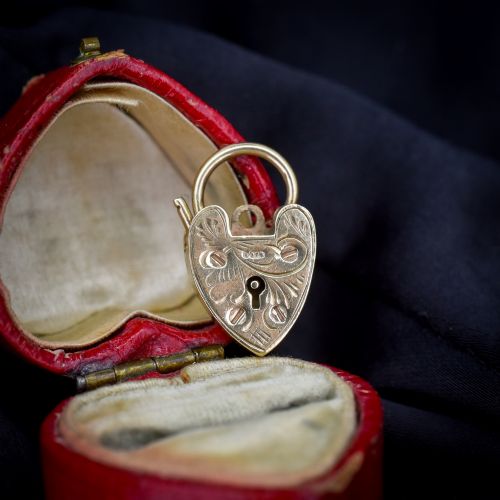
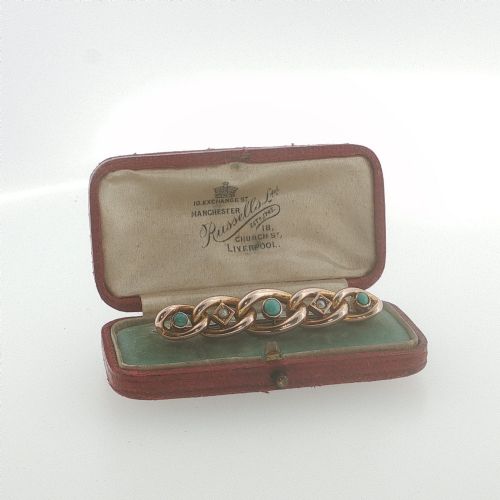
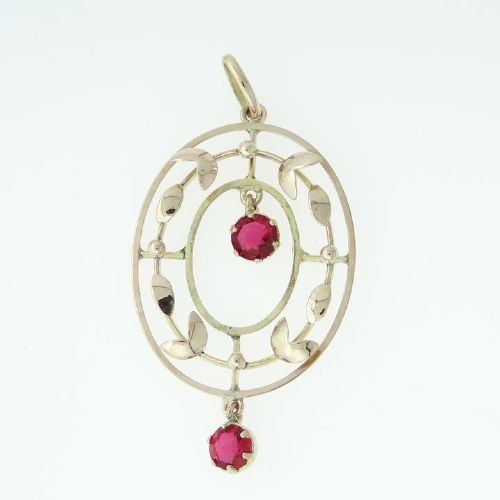
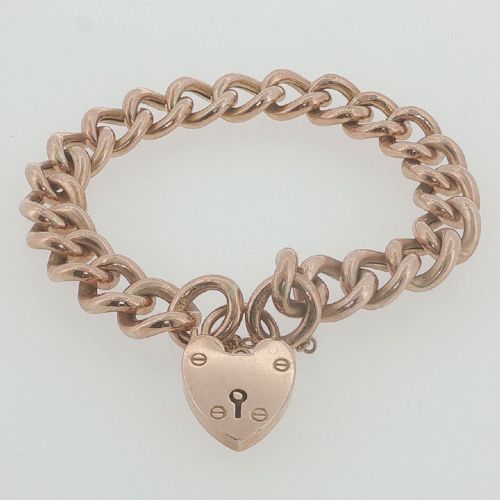
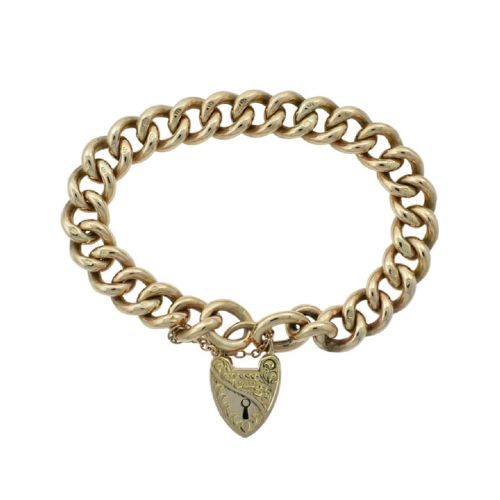
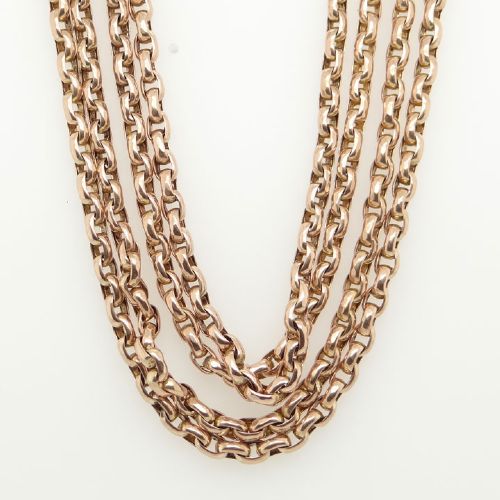
Victorian 9ct gold jewellery encompasses a broad range of wearable items produced primarily during the nineteenth and early twentieth centuries. Pieces found here include heavy curb link bracelets fitted with heart padlocks, gem-set rings, drop earrings, and long guard chains designed for daily wear.
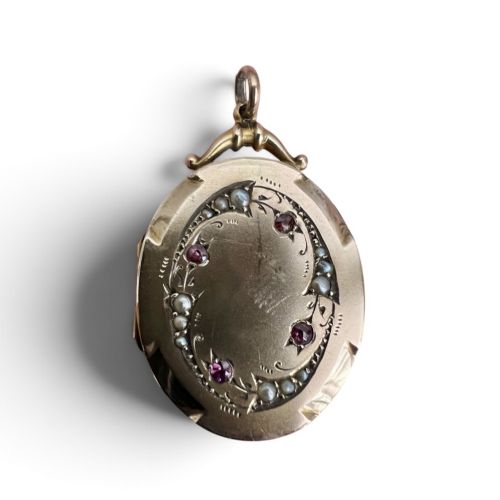
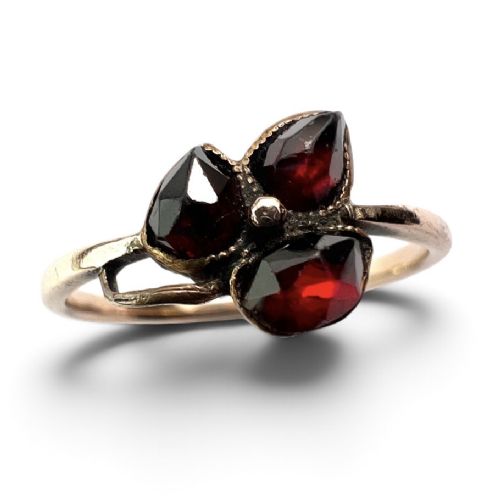
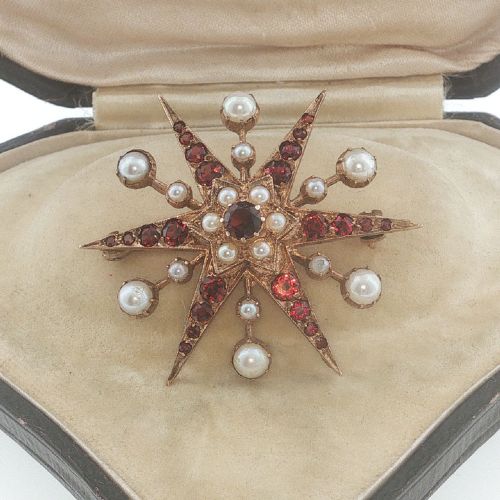
The selection ranges from true Victorian items to Edwardian designs and later revival pieces. Forms vary from intricate seed pearl brooches and garnet flower clusters to utilitarian Albert chains and spinning fobs.
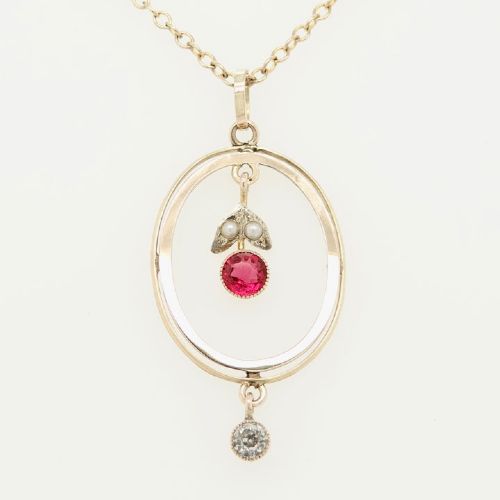
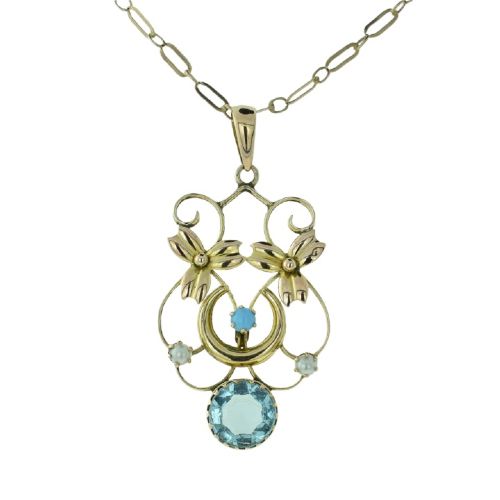
Buyers encounter distinct stylistic shifts within this category, moving from sentimental Victorian motifs like buckle rings and serpents toward lighter Edwardian and Arts & Crafts pendants.
Materials and construction
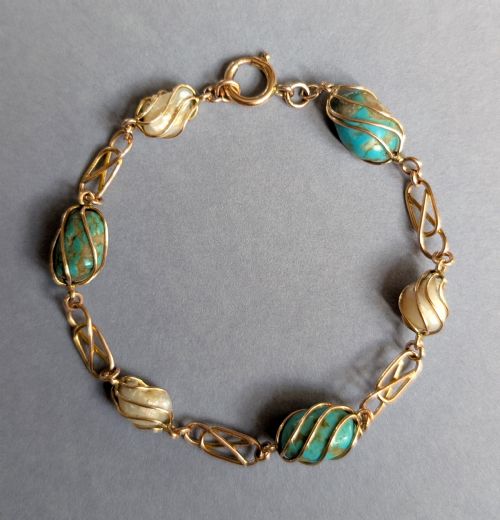
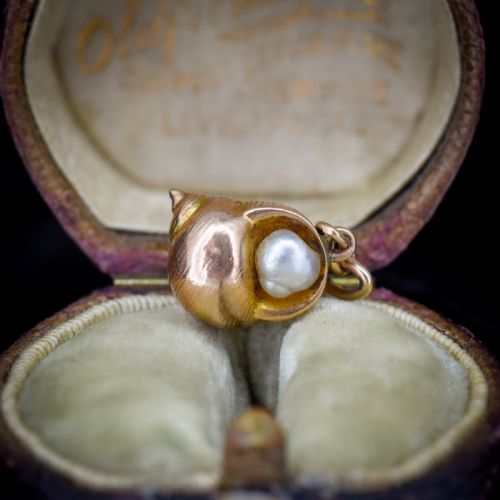
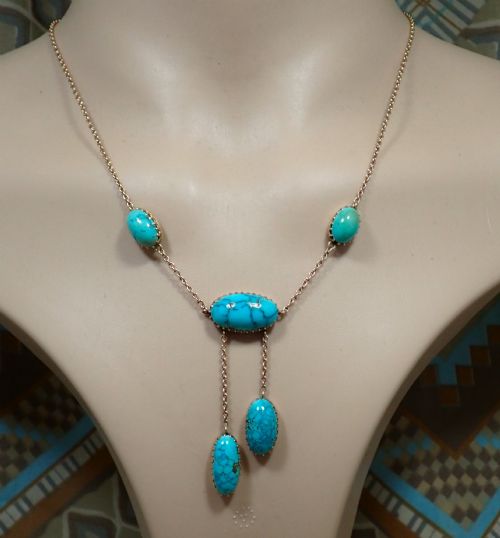
Items rely heavily on 9ct yellow and rose gold, often combined with natural gemstones such as turquoise, seed pearls, garnet, and paste. Many hollow components utilise a back and front construction method to reduce weight while maintaining a substantial visual presence.
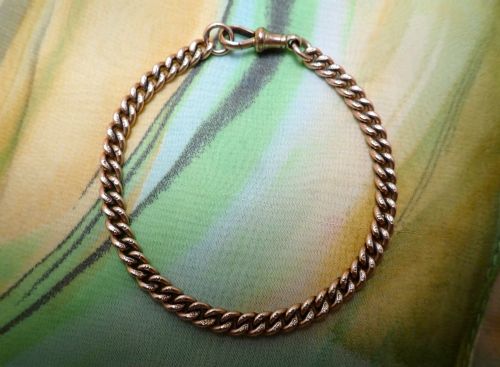
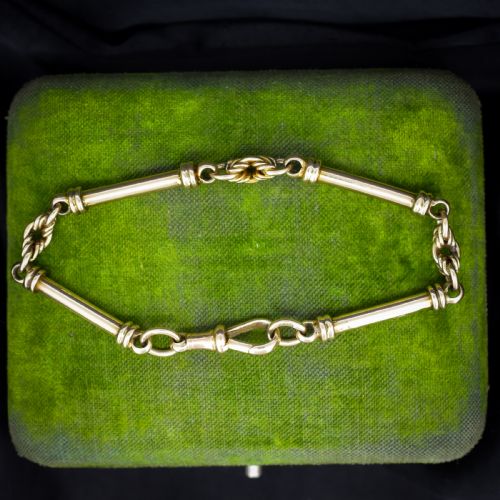
Chains and bracelets are constructed using varied links like trombone, tubular bar, and fancy gate patterns, frequently secured with dog clips or heart padlocks. Engraving, chasing, and claw or bezel settings finish the metalwork.
Listings feature items spanning the Victorian era, the Edwardian period, and mid-twentieth-century revivals, utilising both yellow and rose 9ct gold.
Evaluating the range
Quality separates objects by the crispness of their hand-engraving and the structural integrity of hollow components like lockets and gate bracelets. Substantial gram weights in items like Albert chains indicate superior durability and original intent.
The choice and matching of natural gemstones, from matched seed pearls to well-cut garnets and opals, elevate a piece above standard mass production. Intact original clasps, t-bars, and safety chains also preserve the integrity of the object.
The Victorian 9ct Gold Jewellery Glossary
- Albert chain
- A heavy watch chain designed to be worn across a waistcoat or draped from a pocket, frequently fitted with a t-bar and dog clip.
- Padlock charm
- A small, functional or decorative heart-shaped lock used primarily as a clasp on charm bracelets and curb link chains.
- Guard chain
- An exceptionally long chain worn looped around the neck, originally utilised to secure a locket, watch, or eyeglass.
- Seed pearl
- A tiny, naturally occurring pearl often drilled and threaded onto silk or set in clusters to form floral and geometric motifs.
- Fob
- A short pendant attached to a pocket watch ribbon or chain, often featuring a swivel mechanism with hardstone panels like carnelian or bloodstone.
Victorian 9ct Gold Jewellery: Frequently Asked Questions
What is an Albert bracelet?
An Albert bracelet is a shortened version of a pocket watch chain, adapted to wrap around the wrist. These sturdy chains often feature graduated links and a t-bar.
They fasten securely with a spring dog clip, making them among the most durable bracelets from the period.
How do I wear a guard chain?
Guard chains are extra-long chains designed to be doubled over the head and worn resting on the chest. They provide a striking vertical line of polished or engraved metal.
Historically used to secure heavy pocket watches or lockets, they easily slip over the head without opening the clasp.
What does back and front mean?
Back and front construction involves creating a hollow locket or pendant where the outer decorative shell consists of 9ct gold. The interior structural layers utilise base metal for reinforcement.
This technique provided a larger, heavier-appearing piece at a more accessible weight and cost during the Victorian era.
Are these pieces solid gold?
These items are made from 9ct gold, meaning the alloy contains a specific proportion of pure gold mixed with other metals for strength. The colour ranges from pale yellow to a deep, coppery rose hue.
Solid construction is standard for rings and smaller components, while larger lockets may employ internal reinforcement.
How are gemstones set in these pieces?
Gemstones like turquoise, garnets, and seed pearls are typically held in simple collet or bezel settings, or mounted directly onto solid backings. Seed pearls are often glued or pegged onto raised metal cups.
Close inspection reveals hand-pushing of the metal rims to secure each stone safely in place.