
Vernacular Wooden Seat
A vernacular wooden seat is a product of local hands, offering honest utility and shaped by regional tradition.
Vernacular Wooden Seat
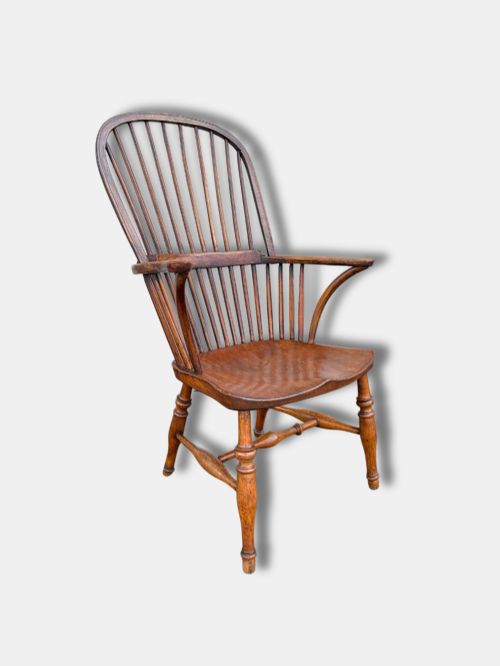
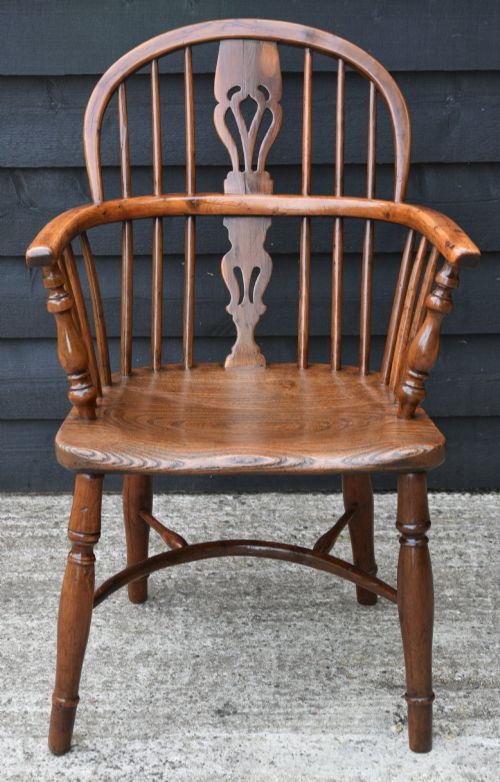
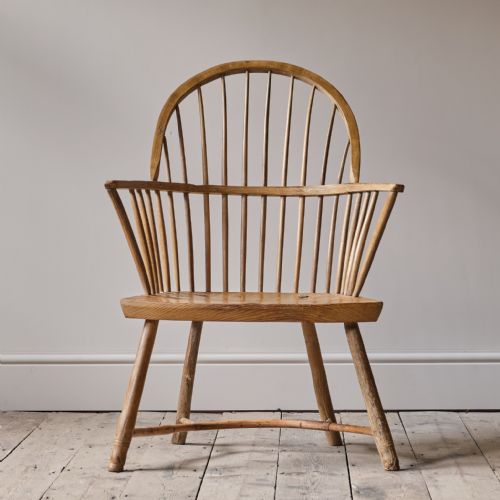
A vernacular wooden seat serves domestic life through utilitarian forms shaped by local tradition rather than grand metropolitan design. These pieces include armchairs, Windsor chairs, settles, stools, and side chairs spanning the seventeenth, eighteenth, and nineteenth centuries.
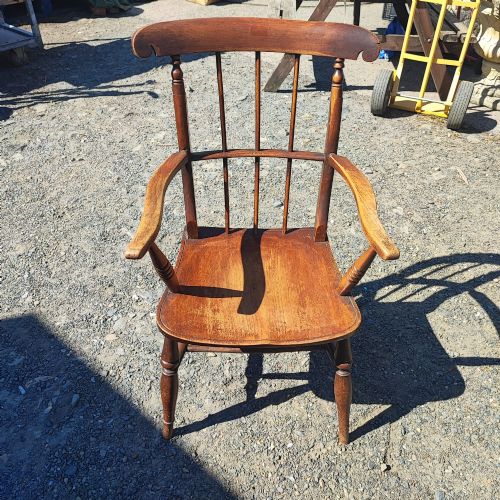
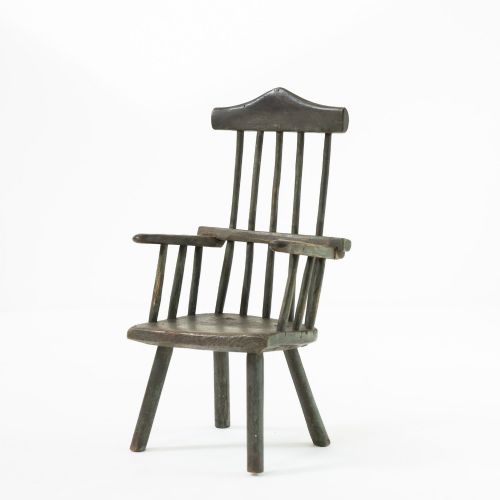
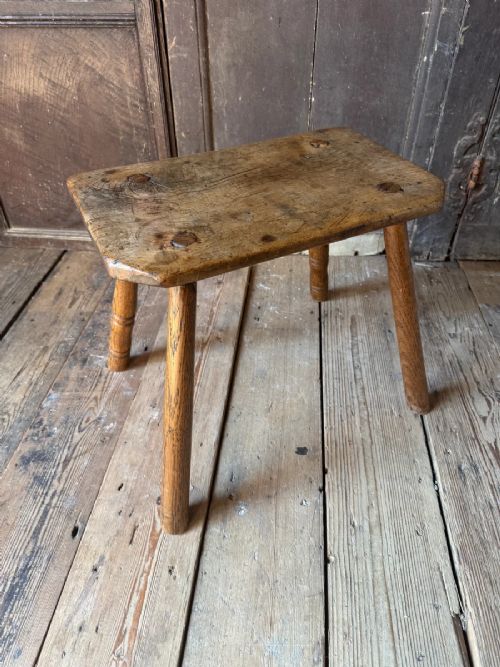
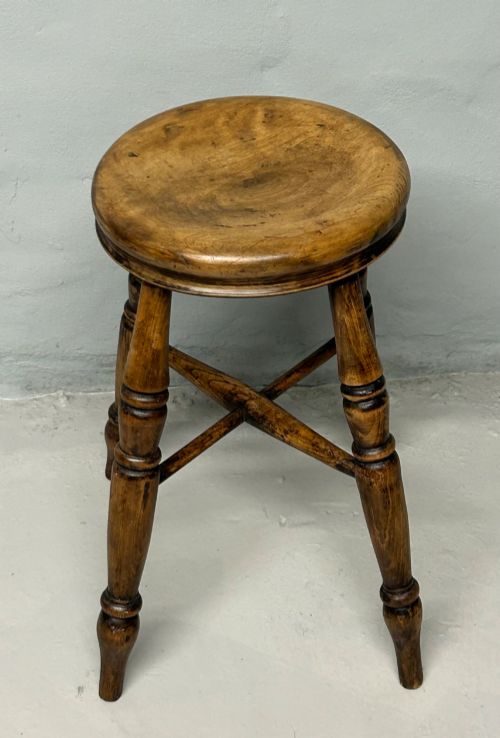
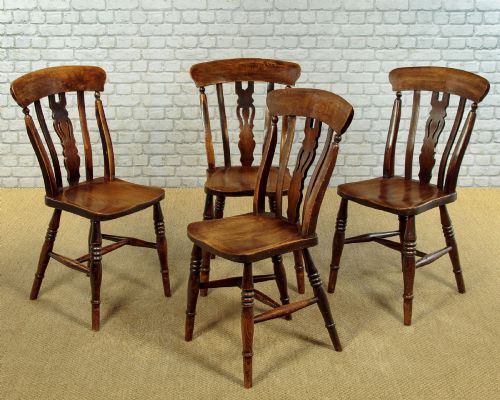
The varieties most often met on this page are country armchairs, stick-back chairs, and low stools shaped from regional timbers. Makers constructed these items for everyday use in farmhouses, cottages, and kitchens across English counties and Wales.
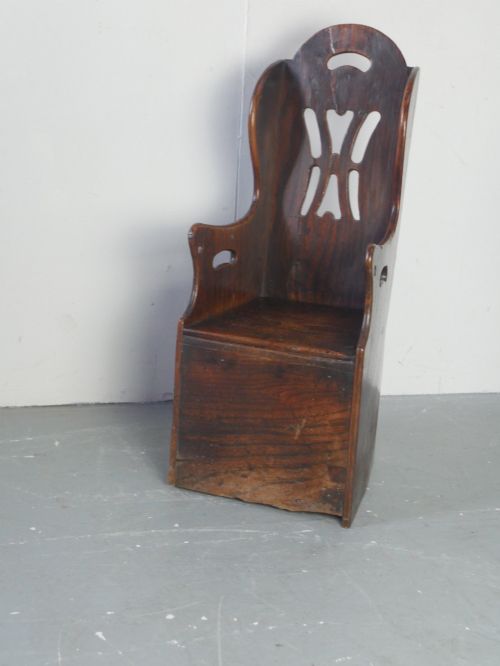
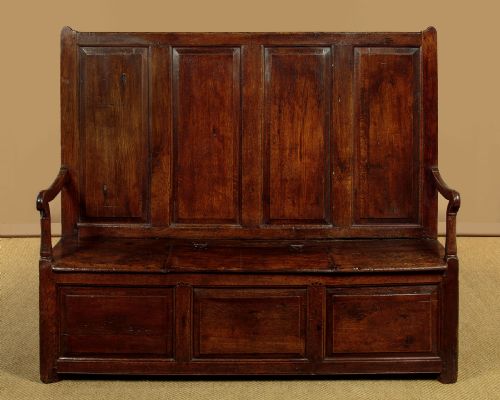
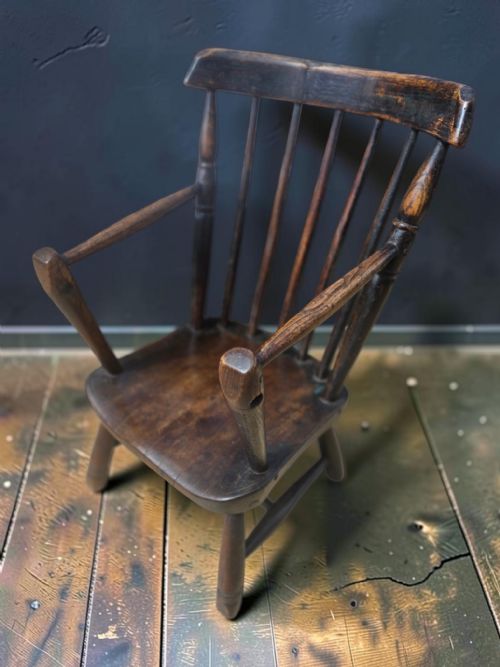
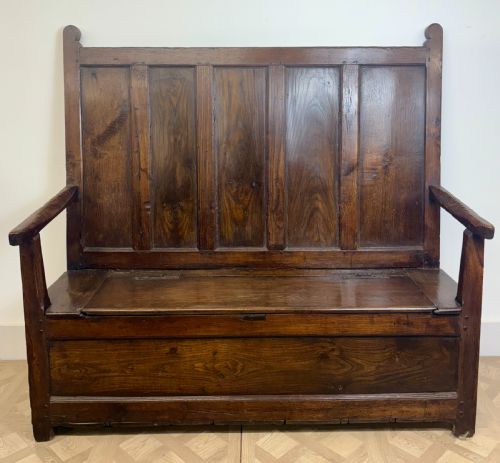
Domestic seating ranges from high-backed box settles designed to block draughts to small children's chairs and milking stools with a single leg. Each object reflects the specific functional demands of rural households and provincial workshops.
Materials and Construction
Craftsmen utilised native hardwoods like elm, ash, oak, beech, yew, fruitwood, and sycamore, often combining multiple timbers within a single frame. Elm provided durable, split-resistant seats, while ash and beech formed flexible spindles, legs, and bow backs.
Joinery methods relied on traditional techniques such as bodgering, steam-bending, and mortise and tenon construction. Makers turned wooden components on pole lathes and shaped seats with adzes and drawknives to fit the human form.
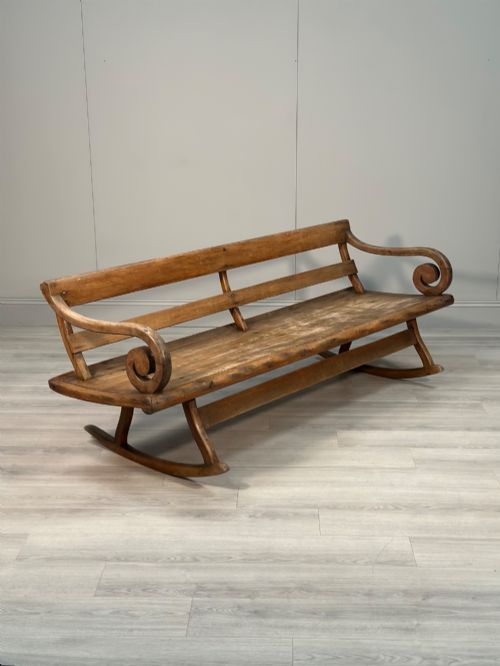
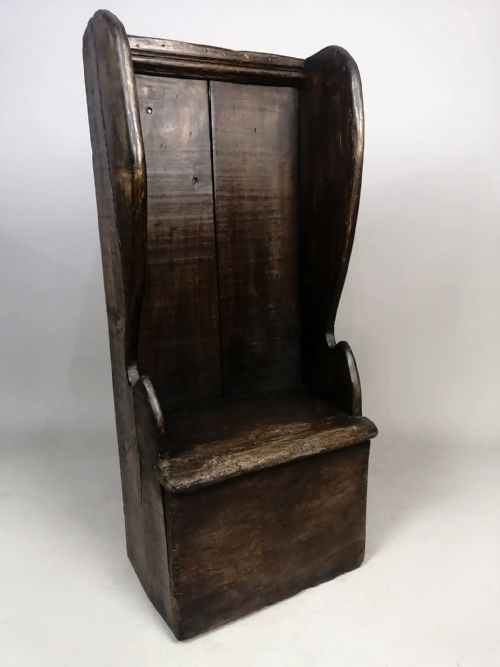
Object forms range widely from armchairs, dining chairs, and side chairs to stools, children's chairs, benches, box settles, and lambing chairs.
Proportion and Patina
Quality rests in the balance of proportion, the integrity of the original construction, and the depth of surface patination built through generations of use. Chairs retaining their original unclipped legs and untouched timber surfaces stand apart from heavily restored examples.
Refined craftsmanship shows in the subtlety of spindle turnings, the comfort of a sculpted saddle seat, and the harmonious pairing of contrasting woods like yew and elm. Lesser pieces display clumsy repairs, replaced components, or flat, unyielding seats lacking ergonomic thought.
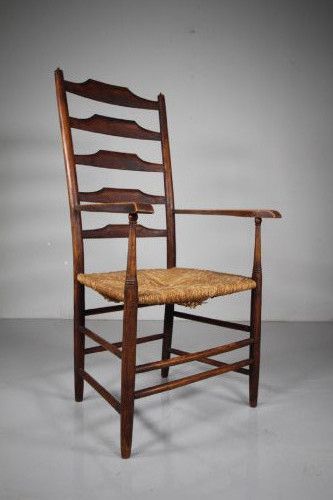
Philip Clissett
The Vernacular Wooden Seat Glossary
- Vernacular
- An object made by local craftsmen following regional traditions rather than formal architectural patterns. These pieces prioritise practical utility and utilise materials found close to the workshop.
- Windsor chair
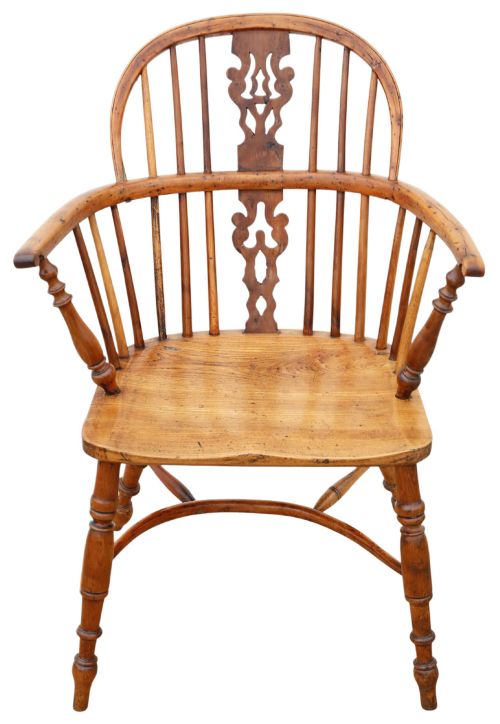
- A chair built with a solid wooden seat into which the legs and back spindles are separately tenoned. Regional variations include hoop backs, stick backs, and comb backs.
- Box settle
- A high-backed wooden bench featuring a solid enclosed lower box used for storage and draught exclusion. They frequently appear in eighteenth-century farmhouse interiors.
- Lambing chair
- An enclosed armchair featuring high wings and solid wooden sides designed to shield the occupant from cold air. They often incorporate a low seat intended for proximity to a hearth.
- Rush seat
- A seating surface woven from dried marsh rushes twisted around a wooden frame. This technique creates a resilient and slightly flexible platform common in country ladder-back chairs.
Vernacular Wooden Seat: Frequently Asked Questions
What defines a vernacular wooden seat?
A vernacular wooden seat is a utilitarian piece of furniture made by local regional craftsmen using native timber. These items were built for practical domestic tasks in cottages, farmhouses, and rural workshops.
Unlike formal pieces from city cabinetmakers, vernacular seating follows local design traditions and relies on readily available materials. This approach results in honest construction tailored directly to everyday rural life.
Where were these wooden seats used?
These seats found their place in kitchens, farmhouses, cottages, and rural taverns across the British countryside. Box settles stood near hearths to block cold draughts, while small stools served milking and domestic chores.
Everyday placement dictated the choice of form, from low children's chairs to sturdy dining sets. Their durable construction allowed them to withstand centuries of active family life.
How should I care for antique timber?
Antique wooden seating requires stable indoor humidity levels and protection from direct sunlight and extreme heat sources. Maintaining consistent conditions prevents the timber from drying out, shrinking, or cracking over time.
Occasional application of traditional beeswax helps nourish the wood and preserves the surface patina. Avoid modern silicone polishes, as they build up residue and dull the historic finish.