


Primitive Wooden Seating
Primitive wooden seating brings honest utility and honest construction into a room through unpretentious forms made by local hands.
Primitive Wooden Seating
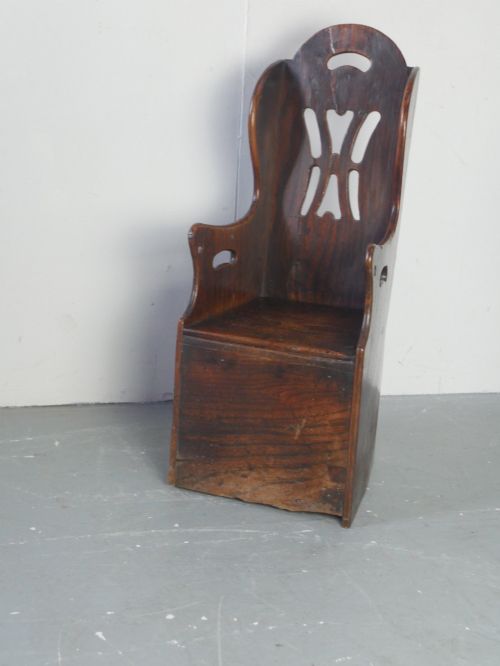
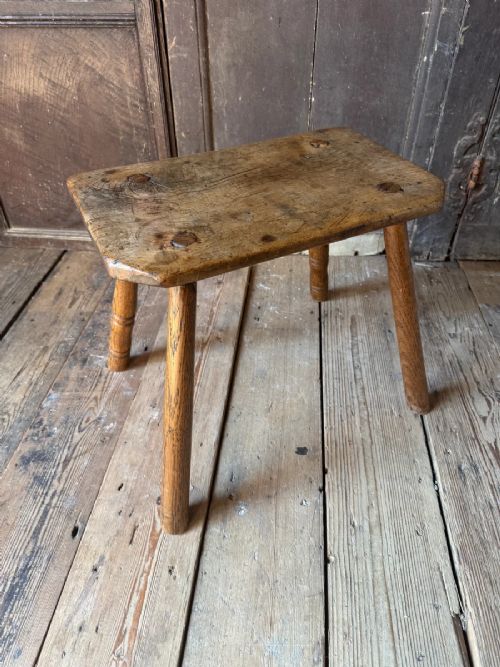
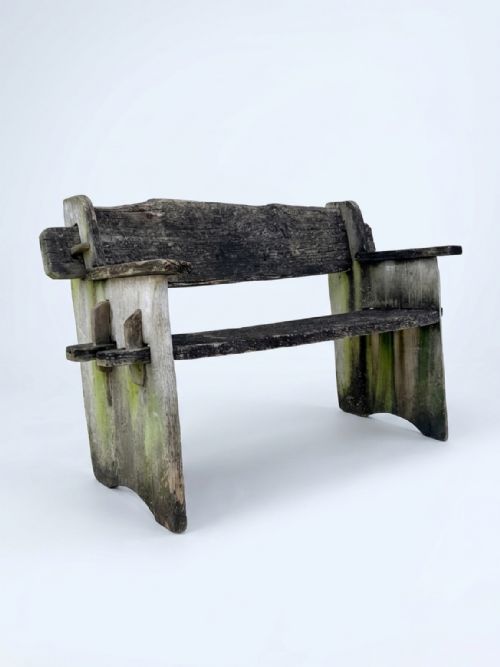
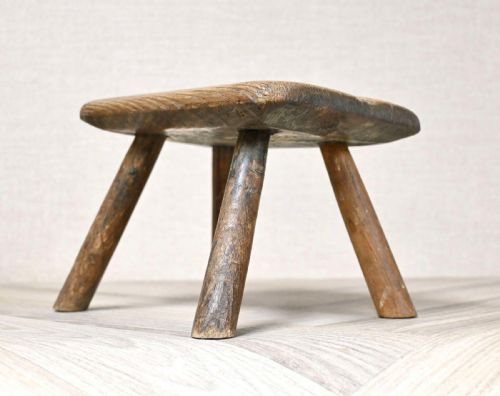
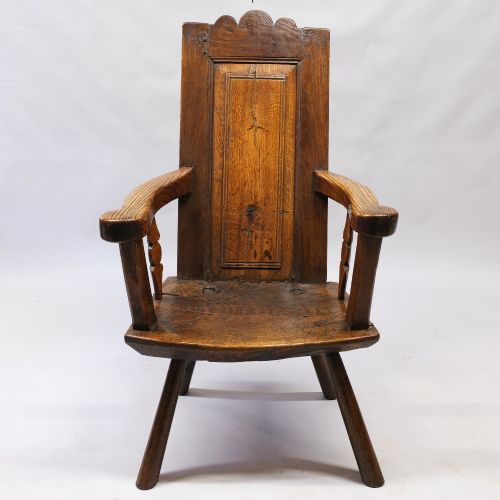
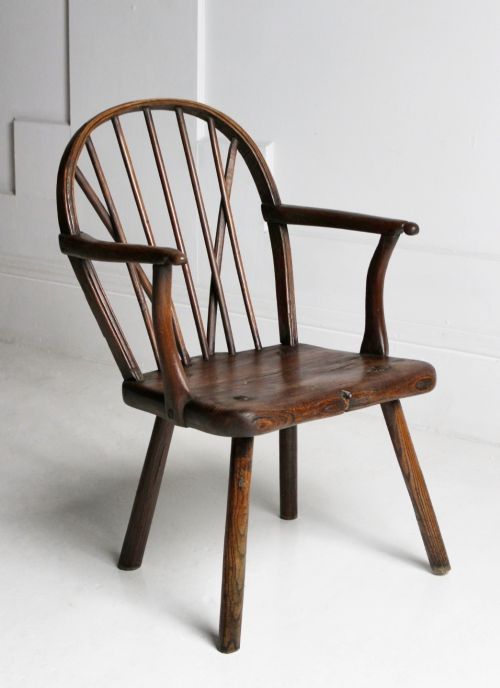
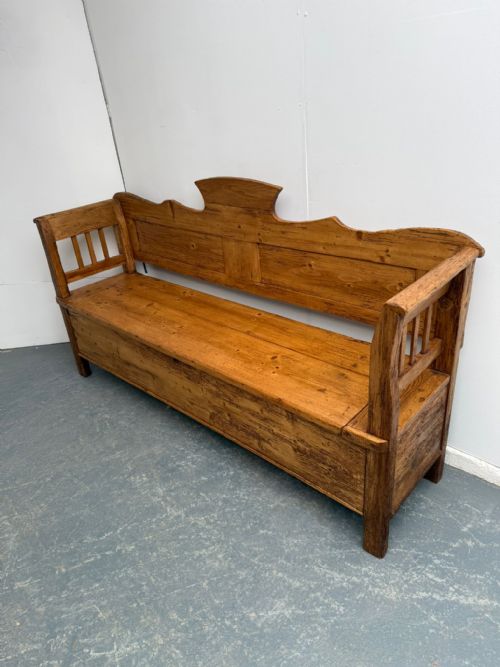
Primitive wooden seating encompasses utilitarian forms created for domestic, rural or workshop use rather than formal display. Buyers searching for primitive wooden seating will encounter robust stools, benches, settles and low-back armchairs built to serve daily needs.
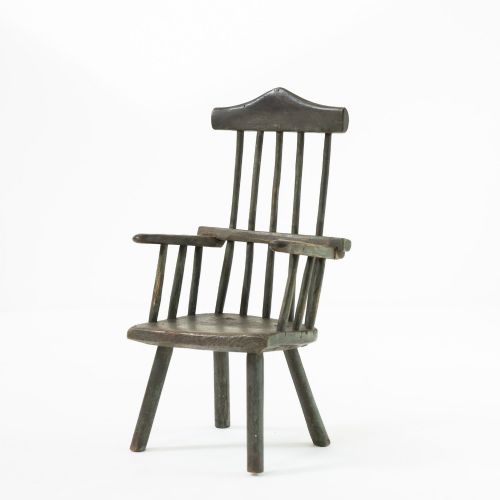
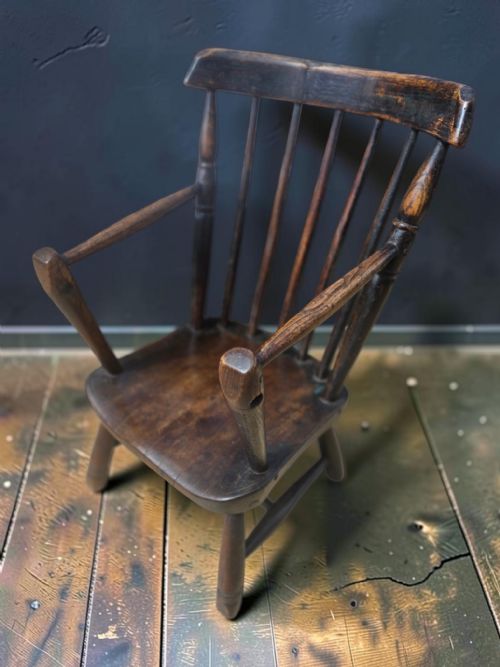
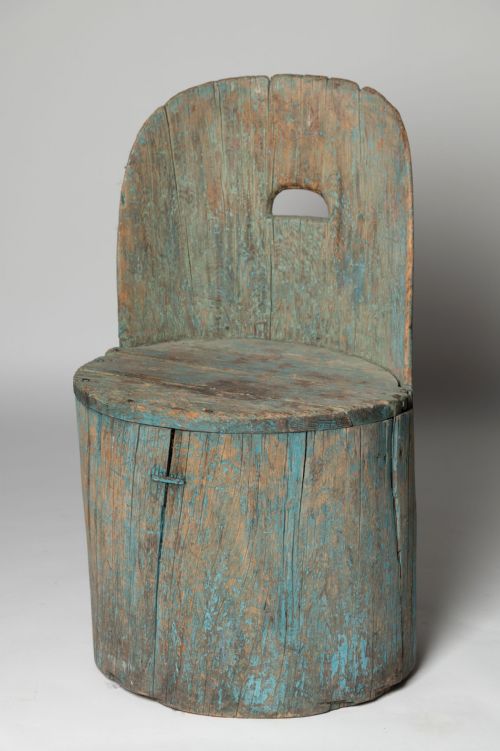
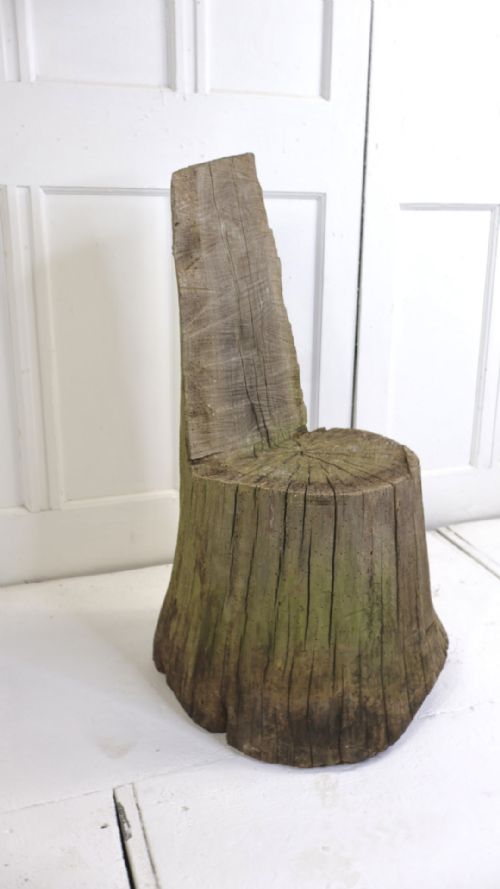
The selection here draws heavily from the eighteenth and nineteenth centuries, alongside regional variations from English, Welsh, Scandinavian and Eastern European traditions. Common examples include stick-back armchairs, dug-out chairs and jointed stools shaped by local vernacular makers.
Materials and construction methods
These pieces rely on native timbers such as oak, elm, ash, pine and sycamore, often combining multiple woods within a single frame for structural strength. Makers selected flexible woods like ash for spindles and dense woods like elm for solid, carved seats.
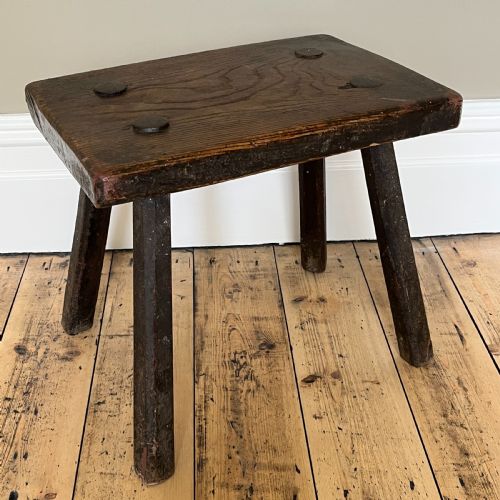
Joinery is straightforward and practical, utilising wedged tenons, pegged joints and through-wedged legs inserted directly into carved plank seats. Surfaces frequently show the tool marks of drawknives, adzes and spoon augers used during shaping.
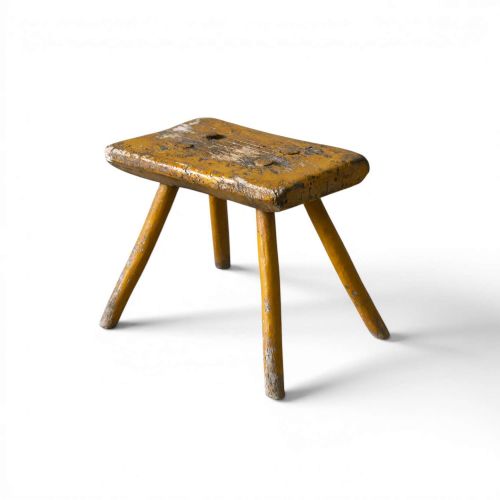
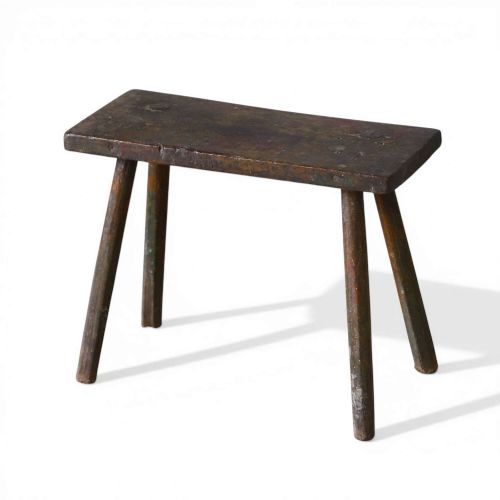
Several milking stools retain their original ochre and green paint, having survived generations of enthusiastic bovine company.
Judging quality in vernacular furniture
Quality rests in the integrity of the proportions, the comfort of the sculpted seat and the honesty of the surviving surface. Pieces that retain original pigmented paint, historic wax finishes or deep patination show a more complete historical character.
Structural honesty separates superior examples from heavily altered ones, as replacement legs or re-pinned joints diminish the integrity of the piece. The boldness of the original form and the confidence of the tool work determine the visual strength of the object.
The Primitive Wooden Seating Glossary
- Vernacular
- Everyday furniture built by local craftsmen following regional traditions rather than metropolitan pattern books. These objects reflect the materials and social needs immediately available to the maker.
- Stick-back
- A chair construction where turned or cleft spindles are tenoned directly into a solid wooden seat and fastened to a bentwood crest rail. This method provides lightweight strength.
- Dug-out
- A seating form carved entirely from a single solid log or tree trunk. The interior is scooped out to form a recessed seat and back.
- Settle
- A high-backed wooden bench with solid arms and a storage box or panelled base designed to block drafts. They stood near hearths in domestic interiors.
- Comb-back
- A variation of the stick-back chair where the upper rail resembles the teeth of a comb. The spindles extend vertically through the arms to lock the construction.
Primitive Wooden Seating: Frequently Asked Questions
Where were primitive chairs used?
These seats served practical functions in farmhouses, cottages, workshops and gardens across different regions. They filled everyday roles where durability mattered more than fashionable ornamentation.
Simpler forms like milking stools and low stools stood near hearths or accompanied agricultural labour. Larger settles and armchairs provided seating around the main living areas of rural homes.
How do I care for antique wood?
Keep these pieces away from direct heat sources and sudden humidity changes to prevent timber from splitting or shrinking. Maintain the surface by applying microcrystalline wax sparingly.
Avoid modern liquid polishes that build up artificial layers over the historic timber. Gentle dusting with a dry cloth preserves the underlying patina and tool marks.
Are these chairs comfortable?
Comfort in vernacular seating comes from ergonomic sculpting of the solid wooden seat rather than upholstery. Makers carved saddle shapes and depressions into elm and pine planks to fit the body.
While they lack modern padding, many designs offer supportive stick-backs and angled armrests. Adding a loose sheepskin or linen cushion provides extra softness during prolonged sitting.
How can I date a piece?
Dating relies on observing tool marks, construction techniques, timber species and wear patterns across the frame. Hand-split boards, pit-sawn marks and early pegged joints point toward eighteenth-century or earlier origins.
Later nineteenth-century examples often incorporate machine-sawn components or wire nails alongside traditional joinery. Comparing the form to documented regional types helps narrow down the period of manufacture.