




Scandinavian Folk Art Furniture
Scandinavian folk art furniture brings warmth to a room through traditional painted pine pieces made across Sweden and the Baltic region.
Scandinavian Folk Art Furniture
When you search for scandinavian folk art furniture, you encounter practical domestic objects built for everyday life in rural homes. These items originate predominantly from nineteenth-century Sweden, reflecting regional craftsmanship and utility.
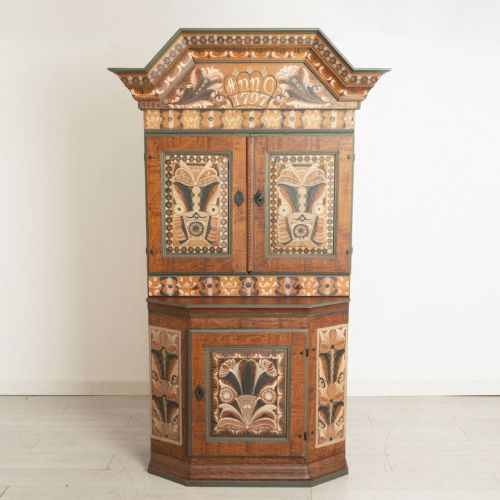
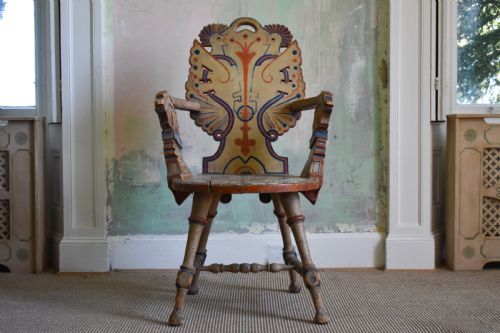
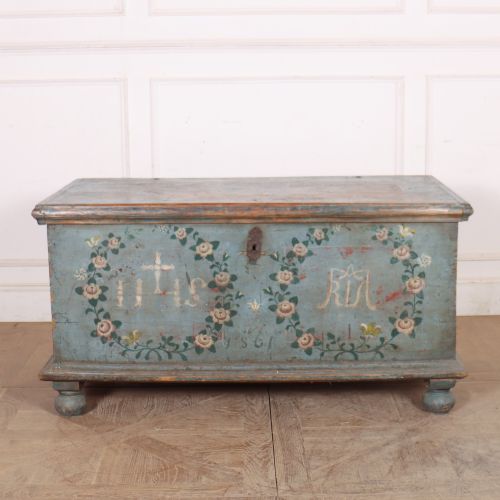
The pieces on this page are mostly storage items and seating forms. You will find numerous painted pine cupboards, wall cabinets, and marriage chests alongside benches, armchairs, and side tables.
Makers shaped these utilitarian forms using native timbers, often applying decorative paint finishes to transform modest materials. The resulting objects combine robust joinery with expressive surface decoration characteristic of Scandinavian country traditions.
Materials and construction methods
Makers relied primarily on native pine and birch, selecting softwoods that were readily available and straightforward to work with using hand tools. Carpenters constructed sturdy frames, dovetailed drawers, and pegged joints to withstand daily domestic use.
Surfaces were frequently finished with coats of oil-based paint, mineral paint, or hand-applied decorative pigments to protect the wood and provide colour. Artisans also utilised iron and brass for hinges, locks, and structural brackets.
Scandinavian Folk Art Furniture Retail Price Guide 2026
Typical asking prices for scandinavian folk art furniture among the pieces listed under this phrase on Sellingantiques today, from the lower quarter to the upper quarter. They describe what is for sale here now, not the wider market.
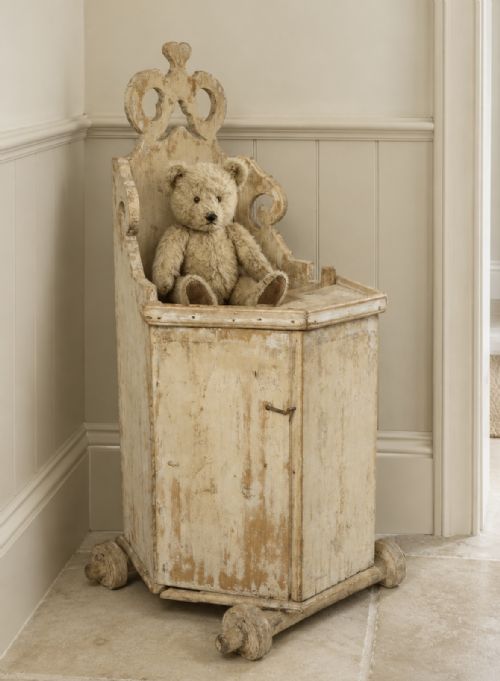
Several pieces include children's seating and a small highchair, proving that nineteenth-century domestic life involved pint-sized family members too.
Factors influencing quality and character
Quality rests heavily on the survival of original painted surfaces and the integrity of the underlying timber construction. Pieces retaining their initial hand-painted decoration exhibit greater artistic merit than those stripped or overly restored.
Proportion and execution distinguish standard utilitarian items from finer examples of regional design. Well-balanced forms, thoughtful carving details, and carefully preserved patination elevate individual pieces within the broader category.
Gemla Fabrikers
The Scandinavian Folk Art Furniture Glossary
- Pine
- A soft timber extensively used for domestic furniture frames and panels. It takes paint finishes readily and forms the structural core of most pieces.
- Gustavian
- A Swedish neoclassical style characterised by restrained classical motifs and lighter colour palettes. It developed during the reign of Gustav III.
- Coffer
- A heavy storage chest with a lid, often used for keeping textiles and valuables. Dome top variants provided additional clearance for bulky contents.
- Ragwork
- A decorative paint technique involving cloths or rags to apply or texture pigment onto surfaces. This method created mottled or patterned effects on furniture.
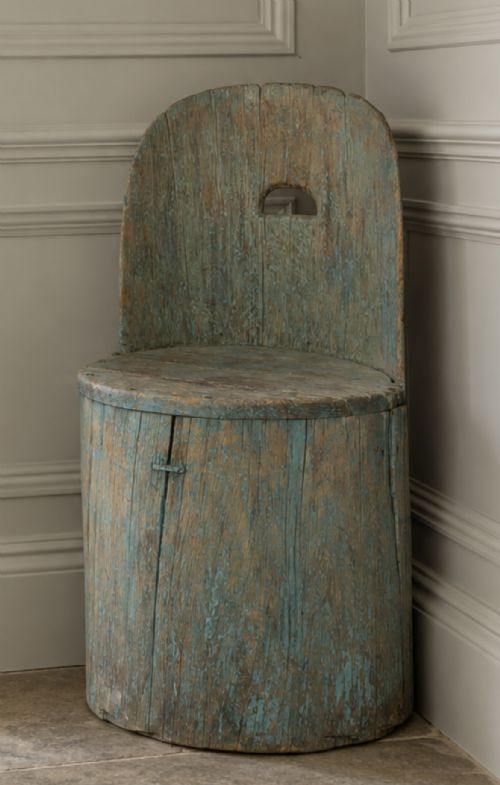
- Dug out
- A seating form carved directly from a single solid log or timber section. These sturdy chairs represent early regional woodworking traditions.
Scandinavian Folk Art Furniture: Frequently Asked Questions
How do I identify genuine pieces?
Authentic examples display traditional hand-cut joinery, period tool marks, and appropriate timber shrinkage consistent with nineteenth-century manufacture.
Examine the paint surfaces for natural ageing, wear patterns, and underlying layers that indicate genuine historical deployment rather than modern replication.
Where were these items made?
The pieces originate predominantly from rural Swedish workshops and households. Regional carpenters built them to serve specific domestic functions.
Similar traditions extended across the wider Baltic region, sharing comparable construction methods and decorative paintwork.
How do I care for painted surfaces?
Protect fragile historic paint finishes from direct sunlight and excessive humidity fluctuations. Dust gently with a dry cloth.
Avoid chemical cleaning products and modern polishes that can soften or strip traditional oil and mineral paints.
What rooms suit this furniture?
Robust pine cupboards, benches, and tables fit comfortably into contemporary kitchens, hallways, and living spaces. Their practical storage utility remains relevant today.
The bright painted finishes bring visual warmth and texture to neutral interiors without overwhelming the room.