


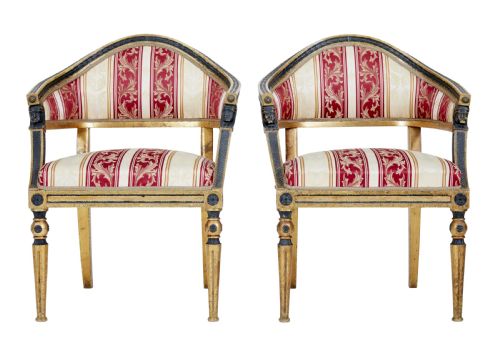


19th Century Swedish Chairs
These 19th century swedish chairs bring architectural presence and regional craft to a room, offering everything from painted country forms to polished birch seating.
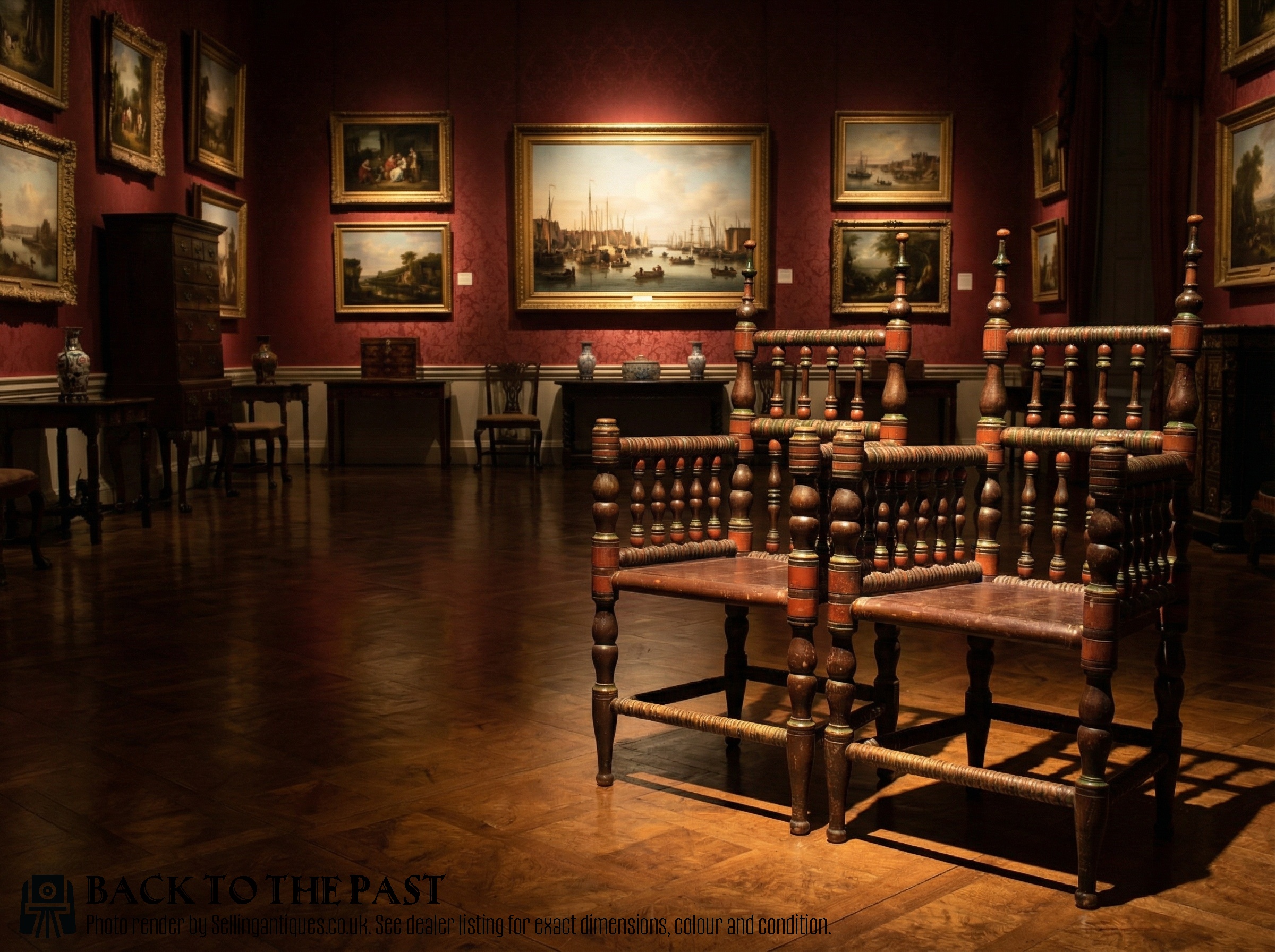
19th Century Swedish Chairs
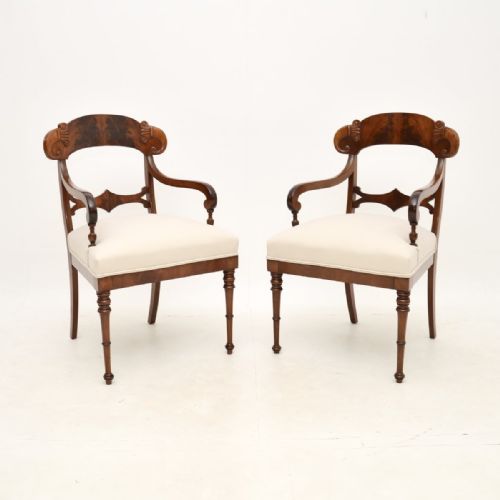
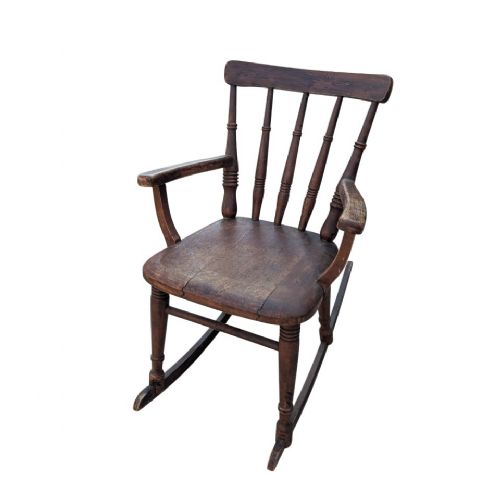
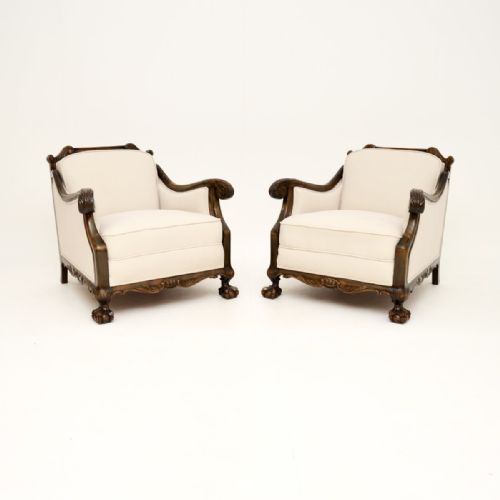
When you search for 19th century swedish chairs, you encounter a diverse range of seating spanning country folk art, austere neoclassical design, and warm biedermeier forms. The pieces available include armchairs, side chairs, rocking chairs, highchairs, and even small sofas that reflect distinct Scandinavian aesthetics.
You are most likely to meet birch and pine timber constructions, often finished with original paint, wood stain, or gilt details. These range from rustic dug out chairs to sophisticated carved gilt armchairs and matched sets of dining chairs.
Makers drew on several prevailing styles across the century, including Gustavian neoclassical, Swedish empire, and Scandinavian country folk art. Whether you examine a bobbin-turned throne armchair or a pair of satin birch armchairs, each piece demonstrates the pragmatic yet decorative approach characteristic of the region.
What varies in quality
The degree of preservation in original paint finishes and surface patination distinguishes standard examples from superior items. Pieces retaining untouched historic paint or crisp carving detail hold greater visual integrity.
The choice of timber and complexity of construction also drive differences, as seen when comparing simple pine dugout forms against finely figured birch veneer or substantial mahogany and gilt armchairs.
Listings demonstrate a heavy reliance on pine, birch, and paint, spanning rustic folk art to refined biedermeier and neoclassical styles.
The 19th Century Swedish Chairs Glossary
- Gustavian Neoclassical
- A Swedish adaptation of French neoclassical design characterised by restraint, straight tapered legs, and subtle carved motifs. It dominated elite interiors during the late eighteenth and early nineteenth centuries.
- Biedermeier
- A central European and Scandinavian style emphasising utility, clean lines, and polished wood grains without excessive ornamentation. Birch and mahogany were favoured timbers for this aesthetic.
- Dug Out Chair
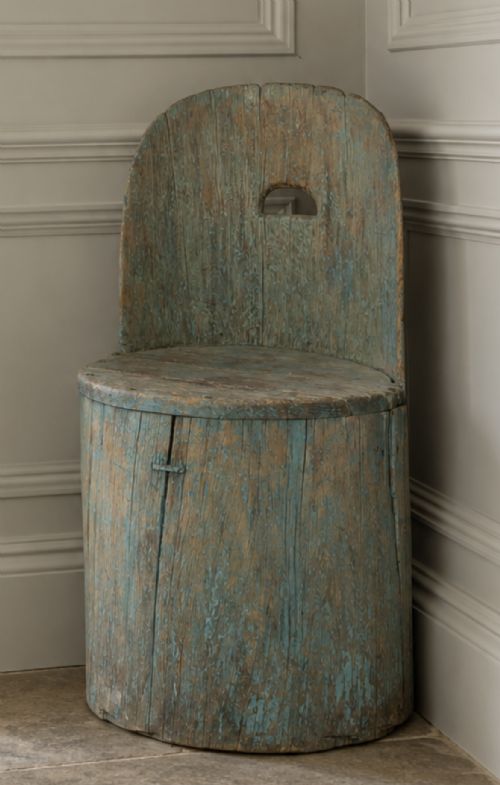
- A rustic seating form hewn directly from a single block or log of timber. These primitive pieces represent traditional folk craftsmanship.
- Bobbin Turning
- A method of woodturning that produces a series of rounded, spool-like shapes along the length of a furniture leg or stretcher. It appears frequently on country and vernacular chairs.
- Satin Birch
- A highly figured variety of birch timber exhibiting a shimmering, light-reflecting grain. Cabinetmakers utilised it extensively for decorative veneer work on high-status seating.
19th Century Swedish Chairs: Frequently Asked Questions
How do I identify a Gustavian style chair?
Gustavian pieces typically display restrained neoclassical lines, straight fluted or tapered legs, and muted painted finishes. Carved ornamentation remains minimal, focusing instead on proportion and architectural symmetry.
Compare these traits against heavier biedermeier or ornate gilt examples to confirm the design lineage.
What is a dug out chair?
A dug out chair is a rustic seating form where the seat and back are hollowed directly out of a solid log or timber block. These pieces stem from Scandinavian folk traditions and prioritise solid utility.
They offer a heavy, sculptural presence that contrasts sharply with joined or turned framework chairs.
Where should I place a painted chair?
Painted chairs work well as accent seating in hallways, bedrooms, or living spaces where their historic finish can stand out. Their original paint finishes introduce soft colour and texture to modern interiors.
Position them away from direct heat sources to protect the aged pigments from drying or flaking.
How do I distinguish birch from pine?
Birch is a denser hardwood with a pale, tight grain that often takes a polished or satin finish, particularly in biedermeier pieces. Pine is a softer coniferous timber typically found in rustic or painted folk furniture.
Weight and surface sheen generally provide clear indicators when inspecting the wood closely.