



Venetian Rococo Mirror
These venetian rococo mirror pieces bring theatrical Italian curves and historic glass to a room, offering the unmistakable elegance collectors hunt for.
Venetian Rococo Mirror
A venetian rococo mirror represents the height of Italian decorative excess, drawing on forms from the eighteenth century alongside later nineteenth century revivals and twentieth century interpretations. You will encounter wall mirrors, pier glasses, and girandoles alongside occasional console tables and bureau bookcases sharing the same aesthetic lineage.
The objects span periods from the seventeen-fifties through to nineteen-thirty, with eighteenth century originals sitting alongside nineteenth century revivals and Edwardian pieces. These items bring dramatic silhouettes and reflective glass into domestic interiors, whether executed in carved wood or painted finishes.
How they were made
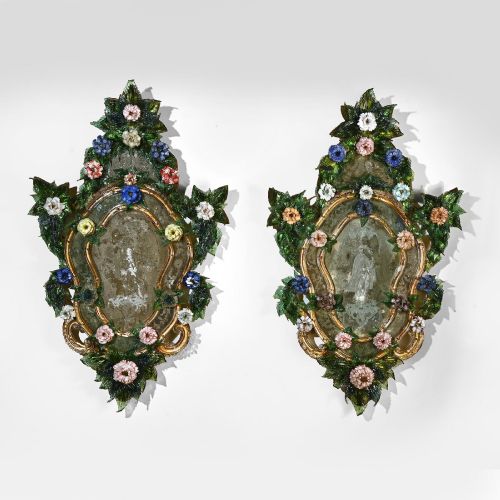
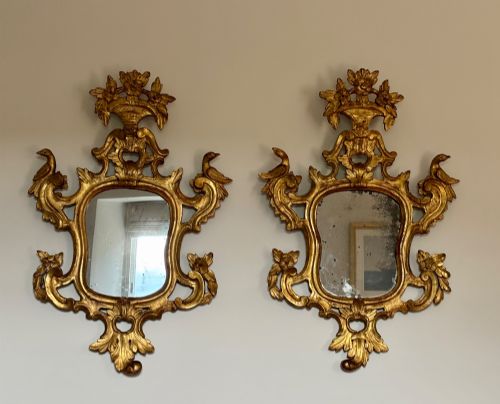
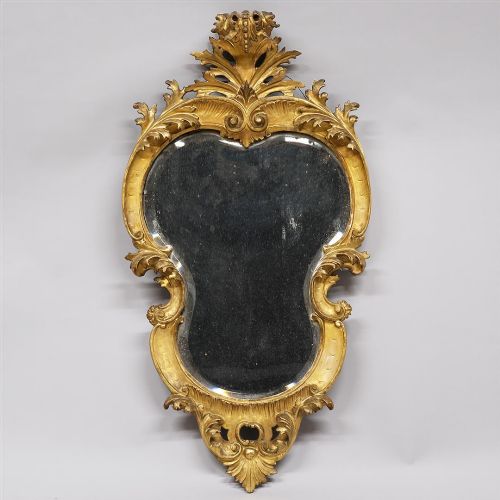
Construction relies heavily on carved wood, gesso, and giltwood or gold leaf, forming the intricate frames that define the style. Artisans applied paint and silver leaf to create polychrome and metallic finishes, while Murano glass plates provided the reflective surfaces.
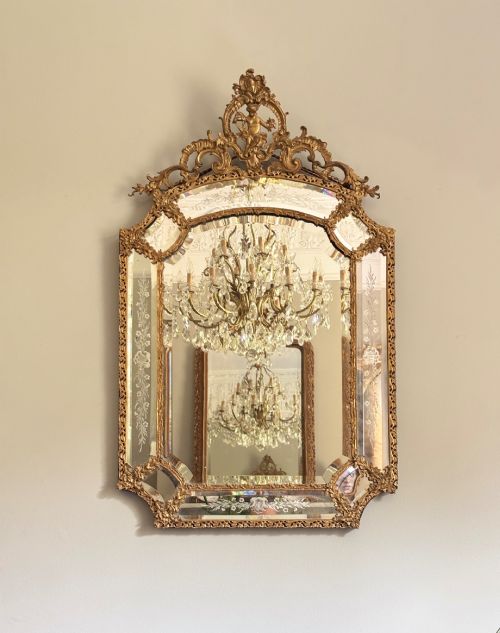
Engraved plates add detail to the mirror glass itself, showing how makers combined joinery, carving, and glass-working traditions. The integration of gilt bronze on certain frames demonstrates the breadth of material handling across these Italian workshops.
Listings span eighteenth century origins, nineteenth century revivals, and twentieth century pieces utilising glass, giltwood, and paint.
What varies in quality
Quality separates through the depth and crispness of the wood carving, distinguishing fluid eighteenth century work from simpler later revivals. The handling of the gesso and the application of gold leaf or paint determine how well the surfaces catch the light.
The presence of original Murano glass plates and fine engraved details elevates an example above standard production. Proportion and the complexity of the scrollwork dictate the visual impact of the piece on the wall.
Pauly et Cie
The Venetian Rococo Mirror Glossary
- Giltwood
- Wood carved and coated with gold leaf or metallic powder to create a bright, reflective surface. This finish is characteristic of many ornate Italian wall mirrors.
- Pier glass
- A tall mirror designed to hang on the wall between windows, often placed above a pier table or console. These items expand the perceived light and space of a room.
- Girandole
- A branched wall fixture featuring a mirror backplate designed to hold candles. The reflective glass enhances the candlelight in eighteenth century interiors.
- Gesso
- A plaster mixture applied to carved wood to provide a smooth base for gilding or painting. It allows crisp detail in decorative scrollwork.
- Polychrome
- Decoration employing multiple colours applied to wood or plaster surfaces. This technique appears on painted Italian furniture and frames.
Venetian Rococo Mirror: Frequently Asked Questions
How do I date a venetian rococo mirror?
Dating relies on examining the construction of the wooden frame, the composition of the gesso, and the characteristics of the mirror plate itself. Eighteenth century examples show hand-beveled glass and aged patination, while later revivals often exhibit nineteenth or twentieth century framing techniques.
Comparing the carving style against known periods helps establish whether a piece is an eighteenth century original or a later revival. Material analysis of the giltwood or paint layers provides further clues to the workshop era.
Where should I hang a pier glass?
Pier glasses are traditionally proportioned to hang on narrow wall spaces between windows or above matching console tables. This placement maximises natural light reflection and creates visual balance in a formal room.
Ensuring adequate wall support is essential due to the substantial weight of carved wood and glass plates. Positioning them at eye level allows the engraved details and frame scrollwork to be appreciated fully.
Are these mirrors fragile?
The combination of carved wooden frames, gesso, and historical glass plates requires careful handling during movement and hanging. Older mirrors often feature delicate crests and projections that need protection from impacts.
Routine maintenance involves dusting with soft cloths and avoiding liquid cleaners that could damage the silvering behind the glass or degrade the gilt surface. Stable indoor humidity helps preserve the wooden structures over time.