


Venetian Carved Figures
Venetian carved figures bring theatrical drama into a room, offering striking historic presence through vibrant polychrome and gilt surfaces.
Venetian Carved Figures
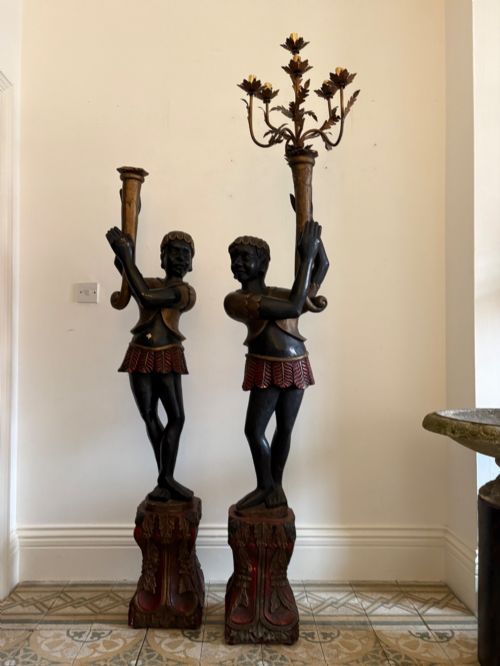
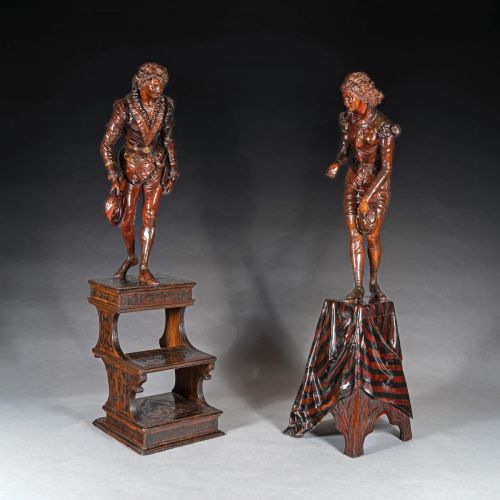
When you search for venetian carved figures, you encounter ornate wooden sculptures and functional stands dating from the nineteenth century. These pieces encompass detailed human figures such as gondoliers and attendants, alongside grand tour animal sculptures and architectural pedestals.
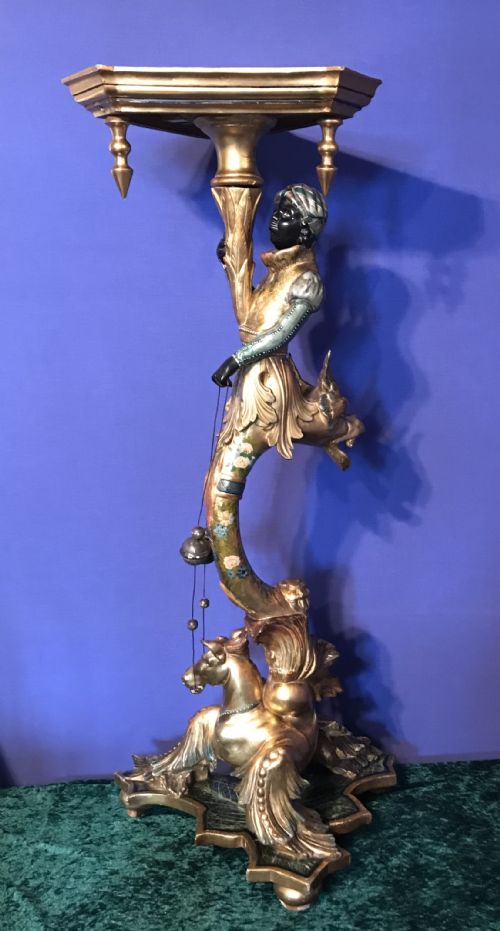
The objects frequently serve practical roles as torchieres, plant stands, candelabras, and tables rather than purely static sculptures. Victorian and Grand Tour influences run strongly through the selection, capturing the European taste for exoticism and theatrical Italian craftsmanship during the eighteen-fifties and onwards.
How they were made
Carved wood forms the primary structural core for these sculptures, utilising flexible timbers such as walnut and ebonised wood. Artisans shaped the complex forms of figures and stands using traditional hand-carving techniques before applying decorative surface treatments.
Giltwood, gold leaf, and gesso provide the foundation for brilliant metallic highlights across garments and pedestals. Polychrome paint finishes then bring the carved surfaces to life, creating the characteristic colourful garments and facial details seen on nineteenth-century pieces.
Listings feature walnut, ebonised wood, and carved timber combined with gold leaf, gesso, and glass.
What varies in quality
The preservation and quality of the original surface decoration dictate the overall desirability of an object. Intact original polychrome paint and parcel-gilt details retain historical integrity, whereas unsympathetic later repainting diminishes the artistic value of the carved wood beneath.
Valentino Besarel
The Venetian Carved Figures Glossary
- Torchere
- A tall ornamental stand designed to hold a light or candle. Many nineteenth-century examples incorporate carved figures supporting a platform.
- Gesso
- A plaster-like mixture applied to wood as a smooth base for gilding and painting. It allows intricate relief details to be built up before the application of gold leaf.
- Grand Tour
- A cultural journey of Europe undertaken by wealthy young men in the eighteenth and nineteenth centuries. It generated a strong demand for sculptural souvenirs like marble lions.
Venetian Carved Figures: Frequently Asked Questions
What rooms suit venetian carved figures?
These sculptural stands and figures work well in entrance halls, libraries, or principal reception rooms where they can act as dramatic focal points. Their vertical forms make them ideal for corners or flanking doorways.
Because many pieces double as tables, torcheres, or plant stands, they integrate easily into functional interior schemes while maintaining a strong historic presence.
How should I care for polychrome surfaces?
Dust the carved wood and painted surfaces gently using a soft, dry brush to avoid disturbing fragile gesso and gold leaf layers. Keep the pieces away from direct sunlight and strong heat sources to prevent paint cracking or wood movement.
Avoid using liquid cleaners, polishes, or damp cloths on antique polychrome and gilt surfaces, as moisture can lift the original nineteenth-century paint.
How do I identify nineteenth-century pieces?
Examine the wood substrate and the ageing of the gesso beneath the paint layers for signs of genuine nineteenth-century construction. Tool marks and the characteristics of the walnut or ebonised timber provide clues to the period.
Look for the characteristic aesthetic of the Victorian and Grand Tour eras, where Italian craftsmanship merged elaborate carving with functional stands and tables.
Were these figures meant for lighting?
Many examples were specifically designed as torcheres or candelabras to hold candles and illuminate dark Victorian interiors. The figures often hold up platforms or arms intended to carry light sources.
Over time, some stands have been adapted for modern electric lamps or simply utilised as decorative pedestals for plants and art objects.