



Antique Statue Floor Lamp
These antique statue floor lamps combine sculptural presence with functional lighting, bringing distinct figural form into a room.
Antique Statue Floor Lamp
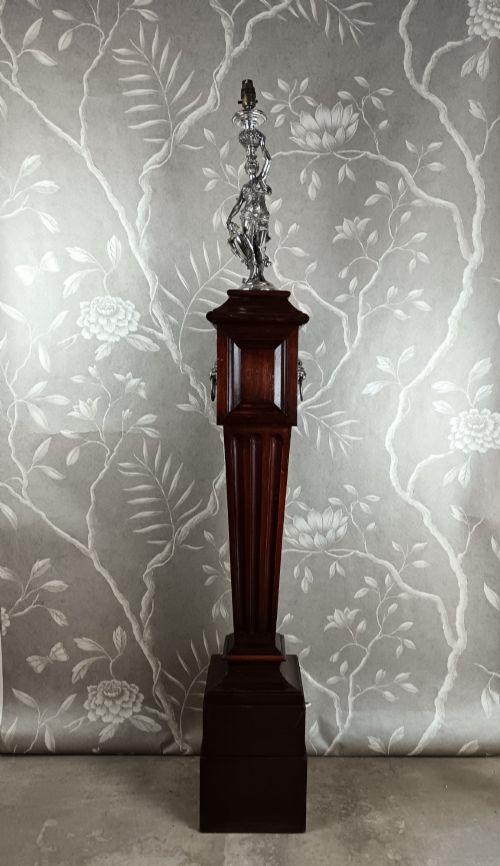
An antique statue floor lamp combines figural sculpture with a standard lighting fixture, taking the form of a pedestal torchere or a freestanding figure. These pieces draw on neoclassical revival, Regency, Venetian Baroque, and Black Forest styles to support a light source.
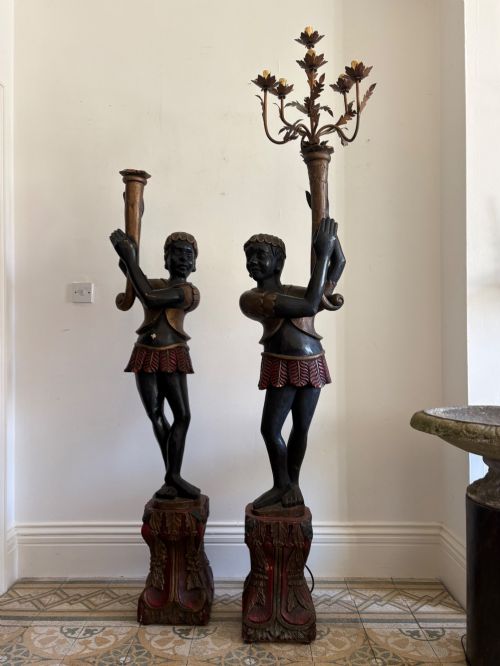
The figures depicted range from classical muses and liberty allegories to Black Forest bears and Venetian attendants, often standing on dedicated bases. Such works serve as both illumination and dominant sculptural statements within an interior space.
Examples originate from periods spanning the Georgian era through the early twentieth century, utilising materials like bronze, carved wood, and plaster. Buyers encounter everything from tall bronze torcheres to whimsical folk art interpretations on this page.
Materials and construction methods
Metals such as bronze and brass form the structure of many sculptural lamps, often employing casting and patination techniques. Silver-plating and gold leaf are applied to metal and wood surfaces to create lustrous finishes.
Antique Statue Floor Lamp Retail Price Guide 2026
Typical asking prices for statue floor lamp among the pieces listed under this phrase on Sellingantiques today, from the lower quarter to the upper quarter. They describe what is for sale here now, not the wider market.
Among the historical figures stands a charming nineteenth-century Black Forest bear holding a lamp, ready to illuminate the room with ursine dedication.
Factors distinguishing quality
The refinement of the carving or metal casting dictates the visual impact of the figure, separating standard workshop output from signed artistic bronzes. Detail in facial expressions, drapery, and anatomical proportion demonstrates the sculptor's capability.
The preservation of original surface treatments, such as gilt polychrome or patinated bronze, maintains the integrity of the piece. Integrated design between the figural base and the torchere fitting indicates thoughtful manufacture rather than later assembly.
WMF·Humphrey Hopper·F. De Luca·François-Christophe-Armand Toussaint·Coutan
The Antique Statue Floor Lamp Glossary
- Torchere
- A tall ornamental stand or floor lamp designed to hold a light source. These pieces elevate the illumination to provide ambient room lighting.
- Patinated bronze
- Bronze that has been chemically treated or aged to produce a specific surface colour. This finish protects the metal and defines the sculptural contours.
- Gilt polychrome
- A decorative surface combining gold leaf with multiple colours of paint. This technique enhances carved wooden figures with rich surface depth.
- Black Forest
- A style of wood carving originating from the German region, known for realistic animal and nature motifs. Bears and forest themes characterise these carved works.
- Neoclassical revival
- An artistic movement drawing inspiration from classical antiquity. This style informs the classical figures, muses, and proportions seen in many nineteenth-century pieces.
Antique Statue Floor Lamp: Frequently Asked Questions
Where should I place a statue floor lamp?
These lamps function effectively in corners or large open spaces where their height and sculptural form can be viewed without obstruction. They provide ambient illumination while acting as a focal point in a reception room or hallway.
Because of their substantial height, particularly seven-foot torcheres, they require adequate clearance and a stable surface. Pairing them with traditional furniture styles complements their historical origins.
How do I identify the period of a figural lamp?
Dating relies on stylistic cues, material composition, and any maker marks or signatures found on the bronze or metal bases. Neoclassical motifs often point to nineteenth-century revival periods, while folk art or Black Forest pieces reflect regional carving traditions.
Examining the casting quality and the ageing of materials like bronze, alabaster, or plaster helps establish a timeframe. Comparing the form against documented works by makers such as Humphrey Hopper provides further clarity.
Were these always electric lamps?
Many historical torcheres were originally designed for candles or oil before being adapted for electricity during later periods. Surviving wiring or fittings often indicate twentieth-century modifications to accommodate standard bulbs.
When living with these pieces, check the internal electrical components to ensure safe operation while retaining the original structural body. Professional rewiring allows older stands to function safely in modern homes.
How do I care for bronze and wooden figures?
Bronze and brass surfaces benefit from gentle dusting with a soft cloth to prevent particulate buildup on the patinated or silver-plated areas. Avoid harsh chemical cleaners that might strip historical finishes or patinas.
Carved wood and polychrome figures require stable indoor humidity levels to protect against timber movement and paint flaking. Keeping them out of direct sunlight preserves the original colours of gilt and painted details.