



Neoclassical Bronze Torchere
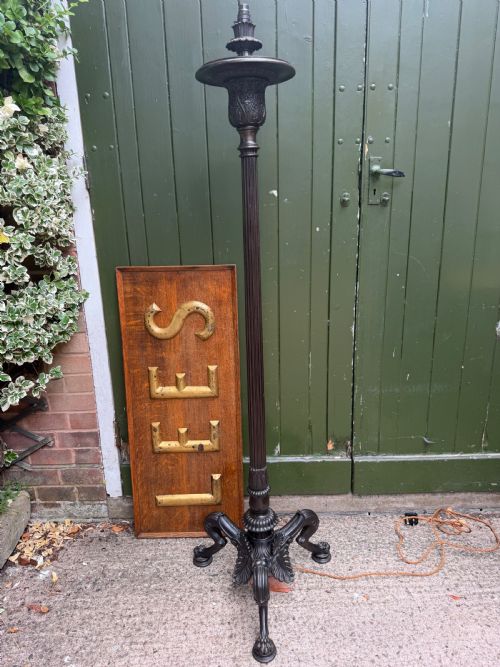
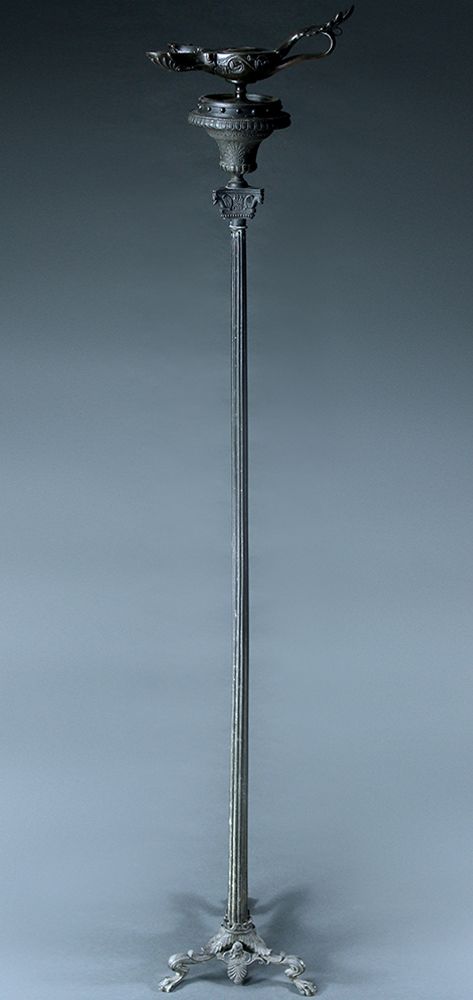
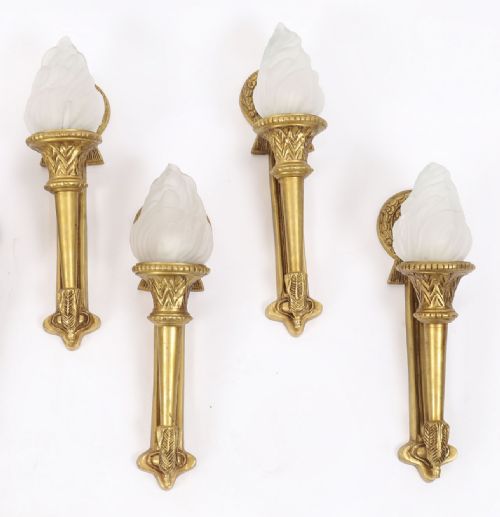
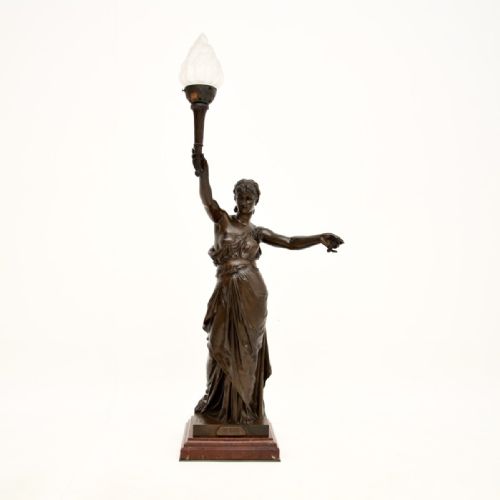
These neoclassical bronze torchere pieces bring classical architectural presence and sculptural lighting into a room.
Neoclassical Bronze Torchere
When you search for a neoclassical bronze torchere, you are looking at substantial floor lamps, wall lights, and torchere stands shaped by classical antiquity. These pieces draw directly on architectural forms from the Georgian and Regency periods, as well as later Victorian revivals and the Grand Tour influence.
The version you are most likely to meet on this page is a tall figural standard lamp or wall light rendered in bronze, gilt bronze, or ormolu. Makers often incorporated classical motifs like fluted columns, flaming urns, and sculptural figures such as Libertas or La Paix.
Alongside true torcheres, the selections span related floor lamps, table lamps, and wall lights sharing the same vocabulary of classical design. Materials range from solid bronze and cast iron to marble bases and frosted glass shades.
How they were made
These items rely heavily on metal casting, utilising bronze, brass, cast iron, and spelter to form the primary structure and decorative elements. Founders employed patination techniques to darken surfaces or applied ormolu and gilt finishes to highlight classical details.
Neoclassical Bronze Torchere Retail Price Guide 2026
Typical asking prices for neoclassical bronze torchere among the pieces listed under this phrase on Sellingantiques today, from the lower quarter to the upper quarter. They describe what is for sale here now, not the wider market.
Materials recorded across the inventory include bronze, gilt bronze, brass, cast iron, spelter, marble, glass, and plaster.
What varies in quality
Quality in these pieces rests primarily in the crispness of the casting and the articulation of the metalwork. Finer examples show sharp chisel work on ormolu and detailed modelling in figural components by known hands.
The integrity of the materials dictates the tier of the piece, distinguishing solid bronze and heavy cast assemblies from lighter alternatives. Proportion, patination depth, and the quality of associated marble or glass elements further separate the standard items from the exceptional.
Humphrey Hopper·Jean-Jules Cambos·Coutan·F. De Luca
The Neoclassical Bronze Torchere Glossary
- Torchere
- A tall ornamental stand or standard lamp designed to hold a light source. The form originates from seventeenth-century candle stands before evolving into electric floor lighting.
- Ormolu
- Finely ground high-carat gold applied to a bronze base using a mercury amalgamation process. This technique gives the metal a rich, warm yellow lustre common in French neoclassical pieces.
- Patination
- The natural or artificial ageing of a metal surface over time. On bronze, a good patina deepens the visual texture and tone of the material.
- Grand Tour
- A cultural journey undertaken by wealthy young Europeans to study classical antiquities. Souvenirs from these trips often inspired the architectural bronzes and lamps found in later collections.
- Spelter
- An alloy of zinc and lead often used as a cheaper substitute for bronze. It takes a bronze-like finish but feels lighter and proves more brittle under stress.
Neoclassical Bronze Torchere: Frequently Asked Questions
What is a torchere?
A torchere is a tall stand or standard lamp designed to elevate a light source. Historically used for candles, these pieces now often support electric illumination while retaining their slender classical proportions.
They function well in corners or beside seating where vertical height adds architectural balance to a room.
How do I spot a real bronze lamp?
Genuine bronze items feel heavy for their size and are non-magnetic. They often show tool marks from hand-finishing and develop a rich patina over the decades.
Lighter metals like spelter or cast iron behave differently under a magnet and tend to show more brittle fracture lines if damaged.
Where should I place a floor torchere?
These tall floor lamps suit corners, hallways, or flanking large pieces of furniture. Their vertical silhouette draws the eye upward, making them effective for highlighting architectural details in a high-ceilinged room.
Keep them away from damp areas to protect the metal patination and any integrated marble or glass components.
How do I care for antique bronze?
Dust the metal gently with a soft, dry cloth to prevent grime buildup. Avoid using abrasive cleaners or metal polishes that can strip away the historical patination or damage gilt surfaces.
If the piece includes marble or glass sections, clean those components separately with appropriate mild solutions while keeping moisture away from the metal joins.