



Velvet Upholstered Oak Chairs
Velvet upholstered oak chairs combine sturdy timber frames with plush textile seating, offering both durability and comfort for traditional interiors.
Velvet Upholstered Oak Chairs
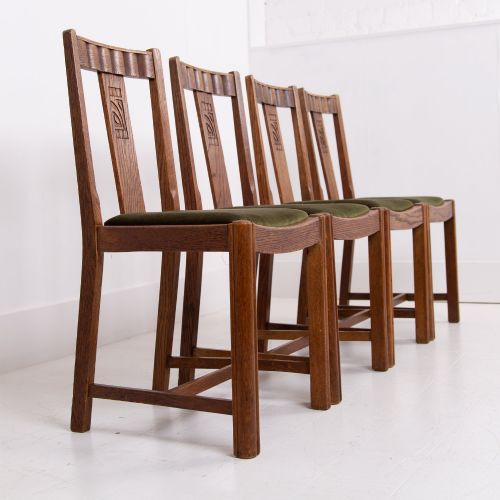
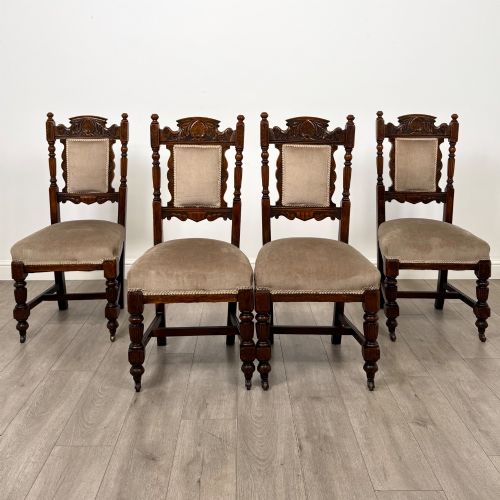
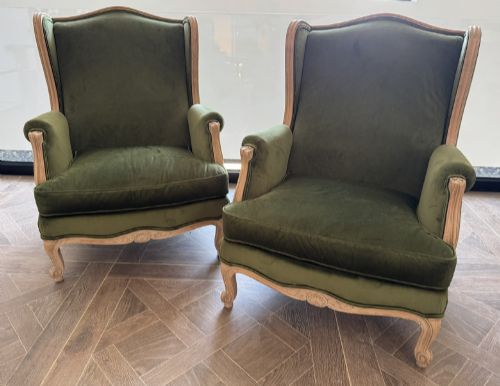
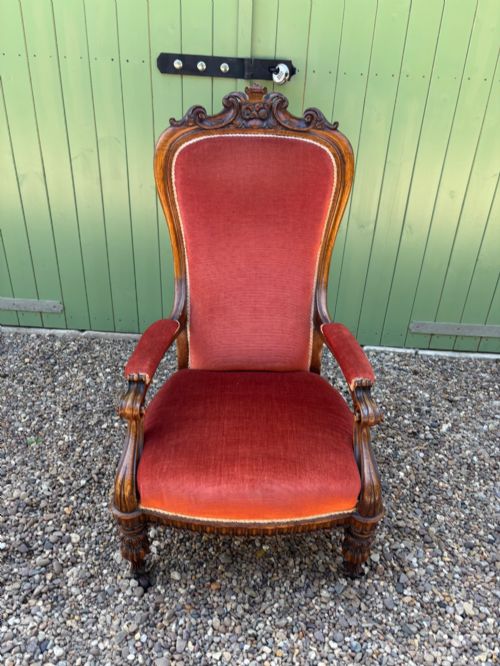
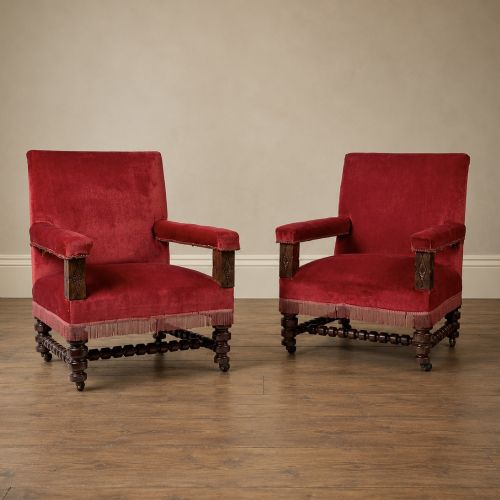
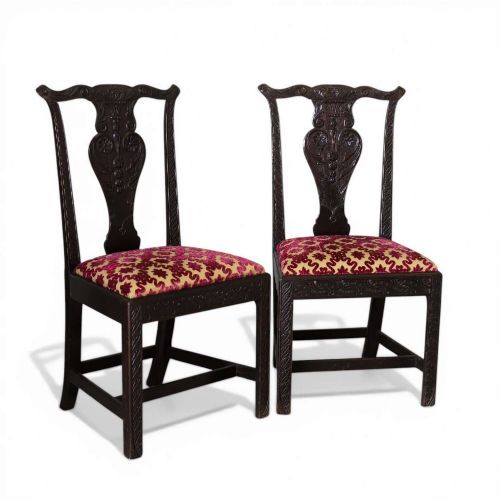
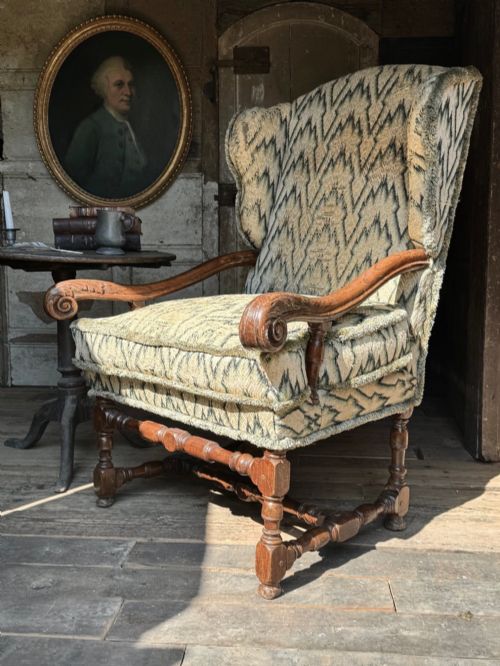
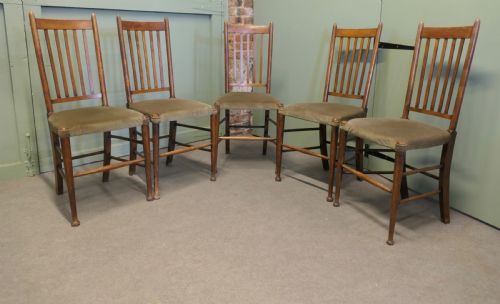
Velvet upholstered oak chairs appear in various forms across multiple eras, including dining chairs, armchairs, side chairs, rocking chairs, and desk chairs. These seating options merge robust wooden structures with soft fabric coverings to provide practical utility alongside aesthetic warmth.
The selection ranges from sets intended for formal dining rooms to individual armchairs designed for parlours and libraries. Buyers encounter everything from compact side seating to oversized armchairs featuring elaborate wood carving and plush textile additions.
Origins span across English, French, and American workshops, encompassing periods from the eighteenth century through the Victorian era and into the 1930s. This diversity allows collectors to select pieces that align with specific historical revival styles or distinct regional designs.
How they were made
Carpenters constructed the structural frames primarily using solid oak and related hardwoods, often employing traditional joinery methods to ensure stability. Master woodworkers shaped the timber through turning, carving, and joining techniques suited to the prevailing style of each period.
Upholsterers applied textile coverings, including velvet and fabric, over internal padding to create comfortable seating surfaces. Artisans frequently secured these materials using brass tacks or structural framing that highlighted the textural contrast between the heavy timber and the soft pile of the cloth.
Recorded materials across the available items include oak, velvet, brass, fabric, hardwood, metal, textile, and steel.
What varies in quality
The refinement of the woodwork dictates much of the distinction between standard items and exceptional examples. Deep, crisp hand-carving and well-executed joinery demonstrate superior craftsmanship compared to plain or mechanically produced frames.
The selection and preservation of the upholstery materials also influence the overall character of each piece. High-grade textiles and intact padding integrated harmoniously with the timber frame reflect greater original investment and careful upkeep over time.
The Velvet Upholstered Oak Chairs Glossary
- Carolean Style
- A seventeenth-century revival aesthetic characterised by rich ornamentation, scrolling details, and elaborate carved woodwork popular during the Victorian period.
- Barley Twist
- A decorative turning technique resembling a twisted rope, frequently utilised on the legs and arm supports of wooden chairs.
- Wingback
- An armchair featuring protective side panels attached to the backrest designed to shield the sitter from draughts.
- Gothic Revival
- An architectural and decorative movement drawing inspiration from medieval forms, featuring pointed arches and heavy timber construction.
- Zoffany Fabric
- A high-end textile used in modern and antique upholstery applications to provide durable yet luxurious surface textures.
Velvet Upholstered Oak Chairs: Frequently Asked Questions
How do I care for oak and velvet furniture?
Keep wooden surfaces clean using dry cloths and nourish the timber periodically with appropriate wax to maintain the grain. Brush velvet gently to preserve the pile and protect the textile from direct sunlight to prevent fading.
Position these chairs away from heat sources and damp areas to safeguard both the structural timber and the soft fabric upholstery against environmental degradation.
Are these chairs suitable for daily dining?
Many examples designed as dining sets or side seating provide sturdy construction capable of supporting regular use around a table. The robust nature of oak frames ensures adequate stability for everyday seating.
Ensure that the upholstery fabric on frequently used chairs can withstand routine wear, or consider protective treatments if dining conditions demand higher resilience.
How can I identify a Victorian oak chair?
Victorian pieces often display characteristic revival motifs such as Carolean scrolls, Gothic arches, or heavy lion carvings executed in solid oak. The timber frequently exhibits a dark finish typical of nineteenth-century tastes.
Examining the construction methods and joinery beneath the seat often reveals the manufacturing practices common to nineteenth-century workshops.
Can I mix different styles of oak chairs?
Combining various styles, such as pairing Gothic revival side chairs with a simpler table, creates a layered interior appearance. Unity in material helps tie disparate historical periods together.
Maintain balance by matching similar wood tones or complementary upholstery colours to ensure a cohesive visual arrangement within the room.