



Velvet Lined Casket
These velvet lined casket selections are fitted interior containers built to hold personal treasures, prized for their historic craftsmanship and textile interiors.
Velvet Lined Casket
A velvet lined casket is a storage chest designed for precious items such as jewellery, trinkets, or vanity items. When exploring this selection, buyers encounter pieces serving as presentation boxes, dressing table ring boxes, and travelling vanity cases.
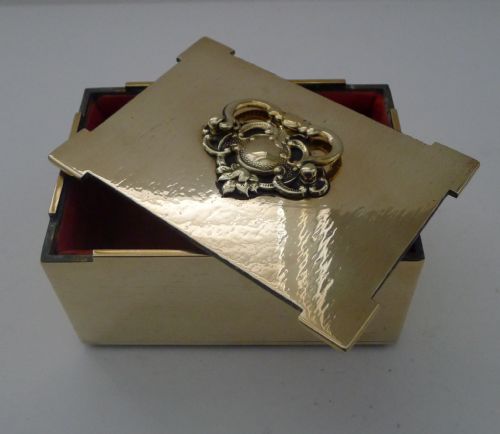
The objects span multiple eras including the Regency period, the nineteenth century, and the early twentieth century. Common forms range from fitted Victorian jewellery boxes and Edwardian maritime launch caskets to French cast brass boxes and tramp art containers.
Origin points encompass English workshops bearing Birmingham hallmarks, French makers from the belle epoque, and folk art practitioners. Buyers are most likely to meet Victorian wooden chests and small dressing table boxes lined with soft textiles.
How they were made
Construction relies on traditional cabinet-making timbers including rosewood, walnut, coromandel, and oak, often shaped into solid forms or applied with tramp art carving. Metal elements such as brass and silver plate provide structural reinforcement, hinges, and decorative mounts.
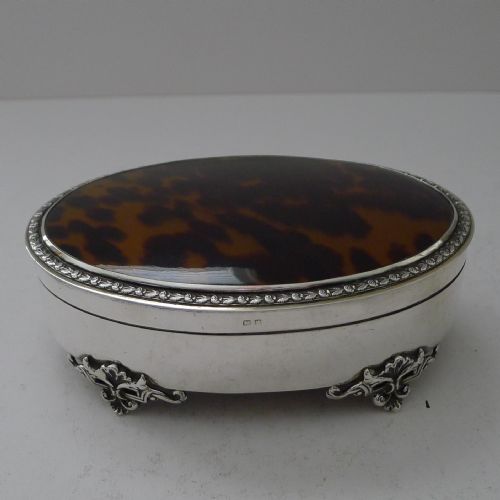
Surface finishes incorporate leather coverings, crocodile skin textures, and tortoiseshell panels mounted with sterling silver. Interiors are meticulously lined with plush velvet to cushion delicate items like tiaras, rings, and cut glass bottles.
Velvet Lined Casket Retail Price Guide 2026
Typical asking prices for velvet lined casket among the pieces listed under this phrase on Sellingantiques today, from the lower quarter to the upper quarter. They describe what is for sale here now, not the wider market.
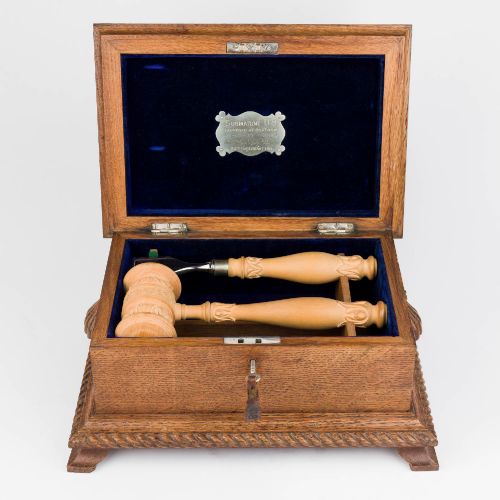
One extraordinary box comes with a naval pedigree, having launched a Royal Navy submarine.
What varies in quality
Quality rests in the precision of the exterior housing, whether carved from solid exotic timber or cast in detailed brass, paired with the integrity of the internal textile lining. Superior examples retain their original fitted compartments, glass bottles, and working hardware.
Provenance and specific historical association elevate certain pieces, such as those connected to naval launches or royal figures. The finesse of the metalwork, such as English sterling silver hallmarks and French cast brass detailing, marks the distinction between standard and exceptional manufacture.
The Velvet Lined Casket Glossary
- Tramp art
- A woodworking style characterised by chip-carving layers of scrap wood into geometric patterns. This technique appears on folk art containers from the early twentieth century.
- Coromandel
- A dense, dark cabinet timber featuring rich brown grain with dramatic black streaks. It was frequently utilised for luxury nineteenth-century dressing cases.
- Birmingham hallmark
- An official stamp applied to silver items indicating testing and origin at the Birmingham assay office. It helps date small ring boxes and vanity accessories.
- Belle epoque
- A period of French history spanning the late nineteenth and early twentieth centuries known for ornate decorative arts. Cast brass jewellery boxes from this era reflect its elaborate aesthetic.
Velvet Lined Casket: Frequently Asked Questions
What were velvet lined caskets used for?
These boxes served to protect and display high-value personal possessions, ranging from family jewels and tiaras to scent bottles and vanity accessories. Owners kept them on dressing tables or packed them into travelling cases during transit.
The soft textile interior prevented delicate items from scratching against hard wood or metal surfaces. Many containers featured specialised internal fittings designed specifically for rings, necklaces, or grooming tools.
How do I date a velvet lined casket?
Dating relies on examining the construction materials, hardware styles, and any accompanying hallmarks. Regency and Victorian pieces often utilise exotic hardwoods and heavy cast fittings, while Edwardian examples show lighter maritime or domestic styling.
Silver components bearing town marks and date letters offer precise chronological markers. The presence of specific historical inscriptions or royal provenance also helps establish the era of manufacture.
How do I clean the interior velvet?
Dust removal should be handled with a soft, dry brush to avoid disturbing the pile of the historic fabric. Moisture and modern cleaning chemicals must be avoided, as older textiles degrade easily when wet.
Professional textile conservation is recommended for fragile or heavily soiled linings. Keeping the boxes out of direct sunlight prevents the velvet colour from fading over time.
Are these caskets suitable for daily use?
Most antique boxes function well for holding modern jewellery and small keepsakes on a dressing table. Their sturdy wood or metal frames remain durable after a century or more of existence.
Care should be taken with delicate hinges and historic locking mechanisms to preserve their working order. Gentle handling ensures the original velvet lining continues to protect stored items.