



English Travelling Box
An English travelling box is a practical companion for transit, designed to secure essentials on the move.
English Travelling Box
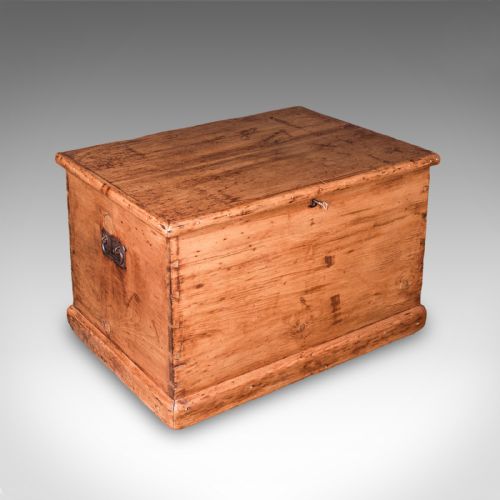
When you search for an english travelling box, you encounter a varied selection of functional luggage, chests, and fitted cases spanning the Georgian, Regency, and Victorian periods up to the 1920s. These pieces include writing slopes, vanity cases, trunks, and picnic sets designed to withstand the rigours of transit.
The most frequent examples on this page are Victorian leather and camphorwood trunks, alongside fitted dressing cases and writing boxes in mahogany, oak, and rosewood. They originate from British workshops and makers, reflecting the needs of travellers through the nineteenth and early twentieth centuries.
Materials and Construction
Construction relies on durable timbers such as mahogany, camphorwood, and oak, often reinforced with brass banding and iron mounts to protect corners and edges during movement. Leather and coromandel frequently cover exterior surfaces or line fitted compartments.
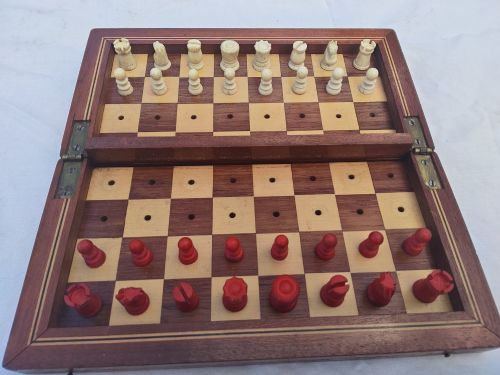
Interiors utilise specialised fittings in glass, silver, and bone to secure bottles, writing implements, or chess sets safely within the primary case.
English Travelling Box Retail Price Guide 2026
Typical asking prices for english travelling box among the pieces listed under this phrase on Sellingantiques today, from the lower quarter to the upper quarter. They describe what is for sale here now, not the wider market.
Some travel thermometers include mercury columns preserved across two centuries of transit.
Standard and Execution
Quality separates through the integrity of the internal fittings and the precision of the brass hardware, where secure locks and flush-fitting handles indicate superior craftsmanship. Lesser pieces display simpler joints and plain timber without coordinated interior elements.
The inclusion of original maker marks, complete silver or glass components, and well-preserved leather linings elevates a piece above standard utility items.
Whittington Pattern·John Pound·Mappin & Webb·Winsor & Newton·Thomas Harris & Son
The English Travelling Box Glossary
- Writing slope
- A portable desk featuring a hinged writing surface that folds flat and opens to reveal storage for paper and ink.
- Campaign
- A descriptor for modular furniture and boxes designed to dismantle or pack easily for military campaigns.
- Camphorwood
- A resilient, aromatic timber frequently utilised in trunks to deter insects during long voyages.
- Vanity case
- A fitted travelling box containing compartments for grooming and dressing accessories.
English Travelling Box: Frequently Asked Questions
What is an english travelling box?
An english travelling box is a portable container built to transport personal belongings, writing materials, or grooming items securely during journeys. These items range from compact vanity cases to large camphorwood chests.
They reflect the travel habits of different eras, incorporating specialised internal compartments designed for specific tasks on the move.
How were travelling boxes used?
Travellers utilised these boxes to keep valuables, correspondence, and personal grooming equipment organised while away from home. Fitted interiors ensured that glass bottles, silver items, and writing tools remained secure.
Officers, gentlemen, and ladies carried them on coaches, ships, and trains, relying on robust exterior construction to withstand handling.
Where should I place one at home?
These boxes function well as surface storage on sideboards, desks, or chest tops, where their fitted interiors remain accessible. Larger trunks serve effectively as blanket boxes or coffee tables in a living space.
Positioning them away from direct heat sources helps protect older timbers and leather surfaces from drying out.
How do I identify the period?
Period identification relies on observing timber choices, hardware design, and construction methods characteristic of Georgian, Regency, or Victorian eras. Mahogany and brass-bound corners often suggest nineteenth-century military styles.
Maker marks and internal paper labels provide further documentation to narrow down the date of production.