

Vase of Flowers Art
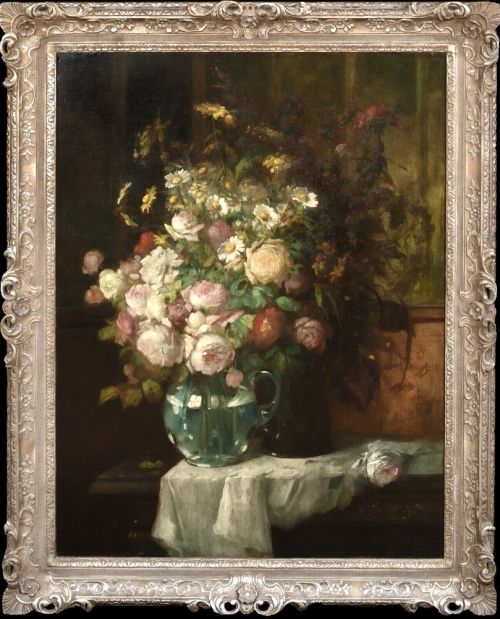
Vase of flowers art brings together floral still life paintings and decorative vessels from periods spanning the nineteenth and twentieth centuries.
Vase of Flowers Art
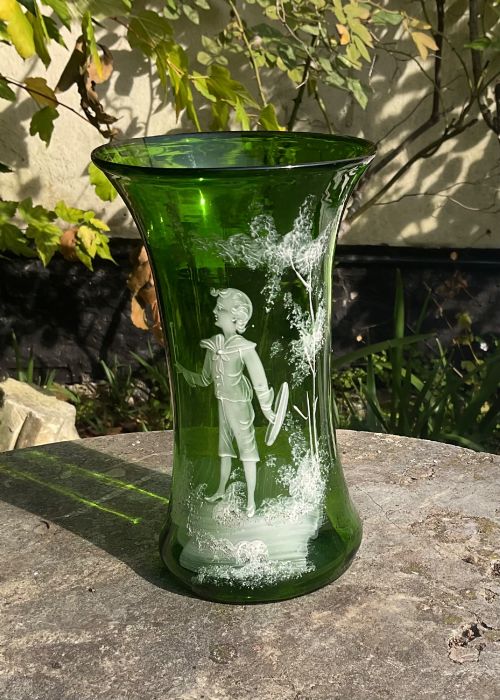
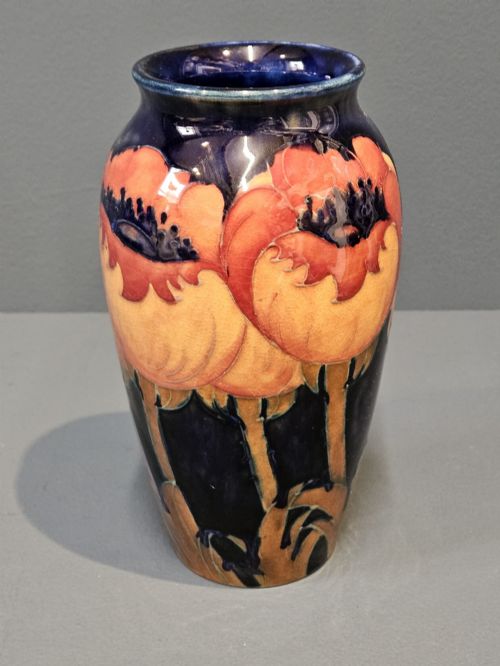
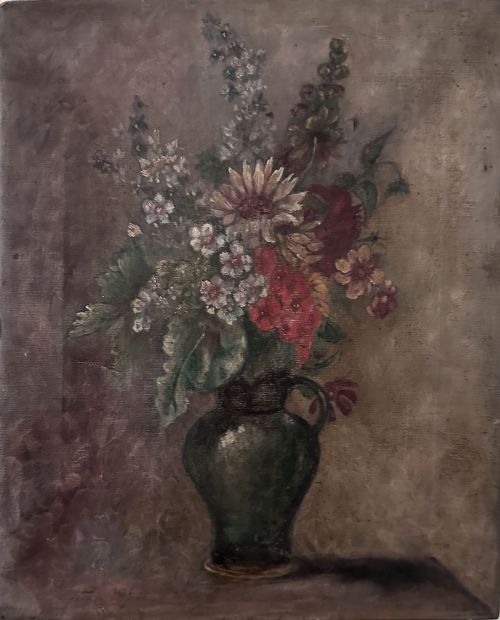
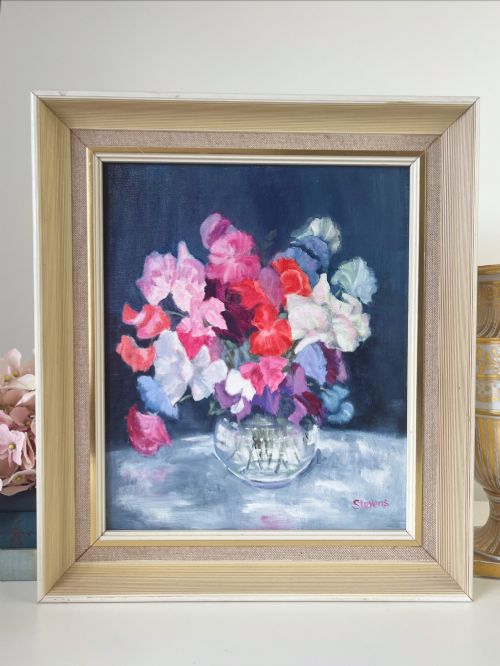
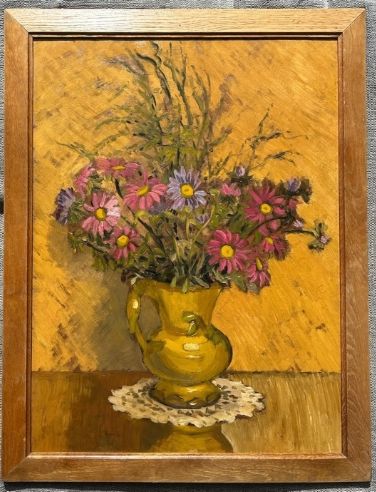
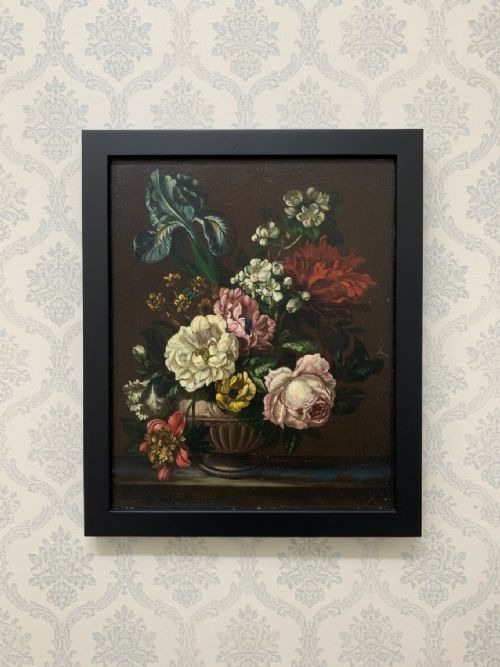
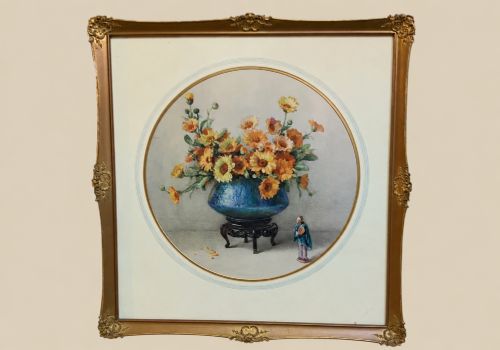
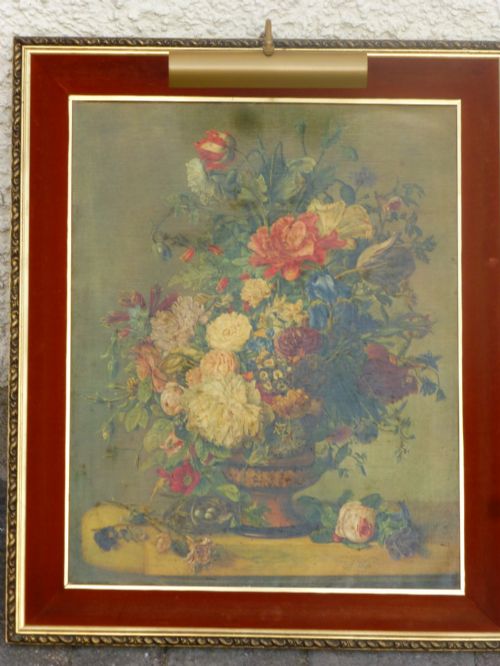
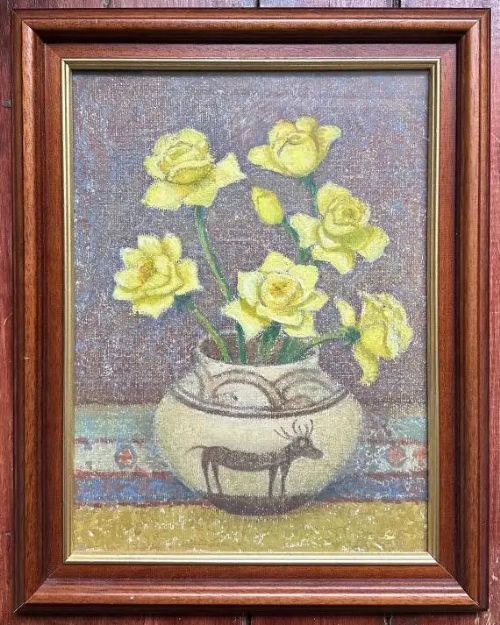
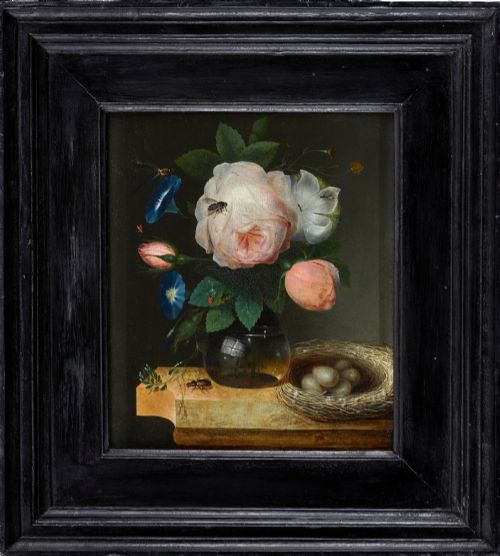
Vase of flowers art encompasses oil and watercolour paintings depicting floral arrangements alongside sculptural glass, ceramic, and metal vessels designed to hold stems. The paintings range from British impressionism and Dutch golden age style works to mid-century canvases.
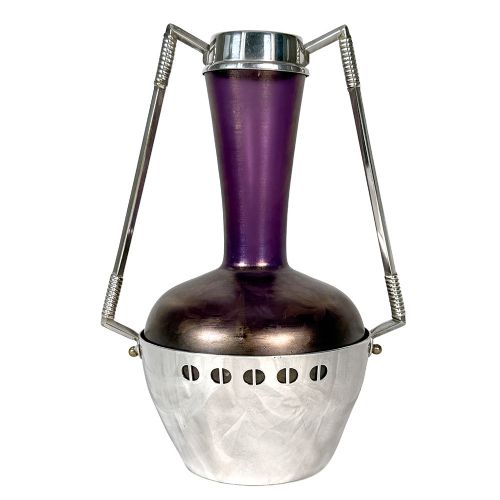
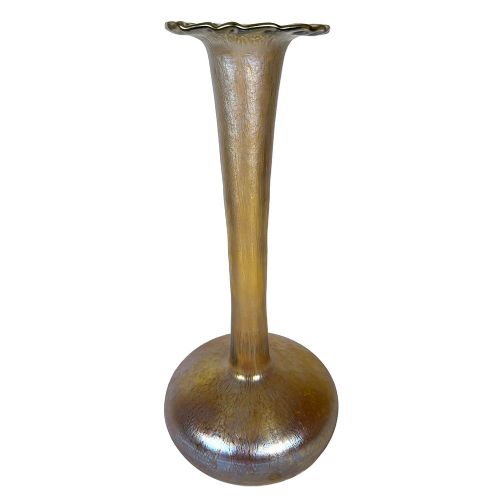
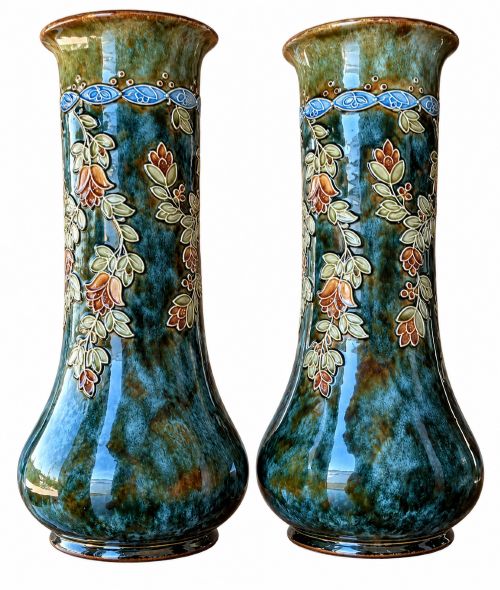
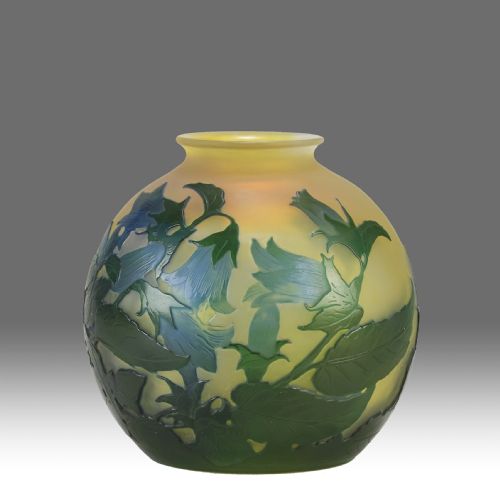
The physical vessels appearing in these selections include cameo glass, stoneware, and bronze pieces originating from European and Japanese makers. Buyers encounter items created across the Victorian, Art Nouveau, Art Deco, and Arts and Crafts periods.
Materials and construction methods
Paintings utilise oil paint and watercolour applied to canvas, board, panel, and paper supports by artists working in varied regional schools. Glass vessels employ techniques such as cased glass, acid-etching, and enamelling.
Metal objects rely on copper, brass, and bronze worked through casting, silver plating, and cloisonné enamelling. Ceramics incorporate stoneware and earthenware bodies finished with glazes and slips.
Several glass vases bear the specific names of delicate garden flowers blown directly into their coloured walls.
Distinctions in quality
Quality in painted works rests upon the handling of light, brushwork precision, and the preservation of the original surface. Signed works by documented artists command closer attention from collectors.
In glassware and ceramics, the sophistication of the technique, the clarity of the colours, and the crispness of applied enamel or metal details define the standard of the piece.
Royal Doulton·Emile Galle·Konstantin Stoitzner·Emma Fordyce MacRae·Loetz Witwe·Burmantoft's Pottery·Lalique·Daum·Legras·Owen Bowen·Ando Jubei
The Vase of Flowers Art Glossary
- Still life
- An artwork depicting inanimate subject matter, typically featuring natural objects such as cut flowers. These compositions focus on arrangement, light, and colour.
- Cameo glass
- A method of glass-making utilising multiple layers of contrasting colours fused together and carved or acid-etched to create relief designs. This technique achieved great popularity during the Art Nouveau period.
- Cloisonne
- Enamelling work where metal wire is soldered to a metal base to create compartments filled with enamel paste and fired. Japanese Meiji period examples frequently display intricate floral motifs using this method.
- Cased glass
- Glassware formed from distinct layers of different coloured glass fused together during blowing. This process allows makers to cut through outer layers to reveal contrasting hues beneath.
- Impressionism
- A nineteenth-century painting style characterised by relatively small, thin yet visible brush strokes and open composition. The emphasis rests on accurate depiction of light and its shifting qualities.
Vase of Flowers Art: Frequently Asked Questions
What subjects appear in floral paintings?
Floral paintings depict cut blooms arranged in vases, baskets, or decorative pots, frequently accompanied by secondary objects such as Chinese ceramics or glassware.
Artists across different centuries captured these arrangements to study light, shadow, and botanical detail.
How were Japanese Meiji vases made?
Japanese Meiji period vases were constructed from materials like bronze and hammered copper, often decorated with intricate silver wire cloisonné or basse-taille enamel.
These pieces reflect the high level of metalwork skill practiced by workshops active around nineteen hundred.
Where should I display antique vases?
Antique vases and vessels suit stable display surfaces away from direct sunlight and dramatic temperature fluctuations that might affect glazes or glass.
Larger floor or table pieces function well as focal points within rooms furnished in complementary historic styles.