
Uzbek Wall Hanging
An authentic uzbek wall hanging brings rich Central Asian textile traditions into a room through vibrant embroidery and ikat dye work.
Uzbek Wall Hanging
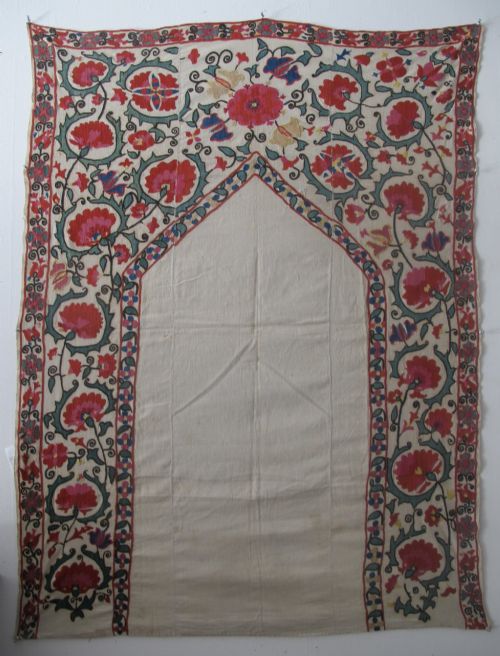
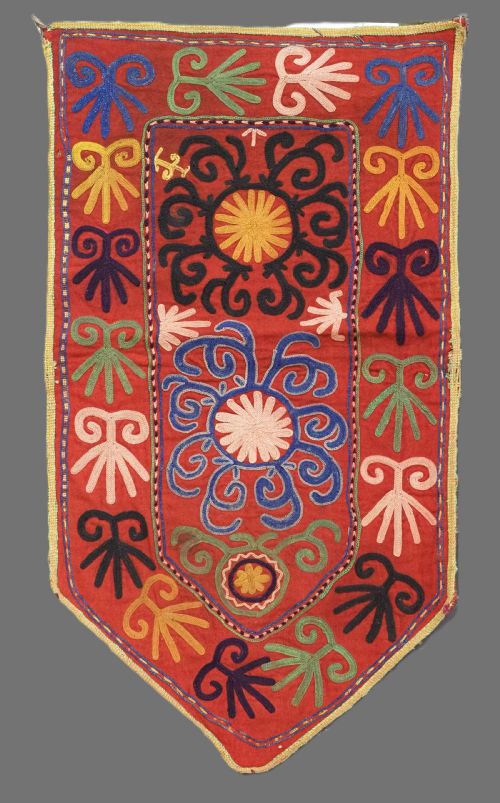
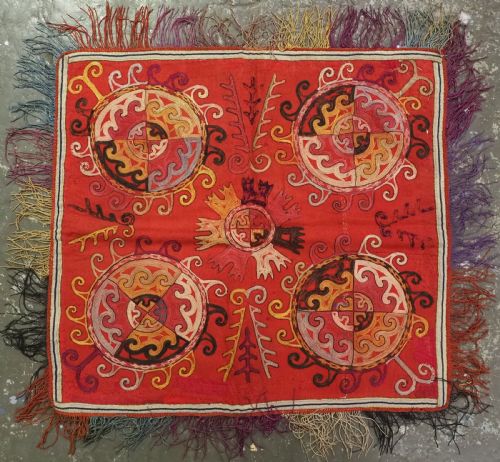
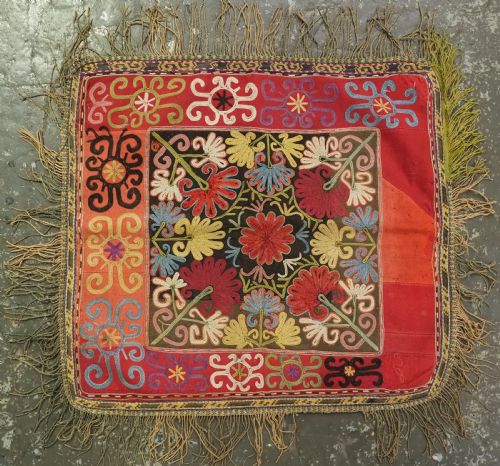
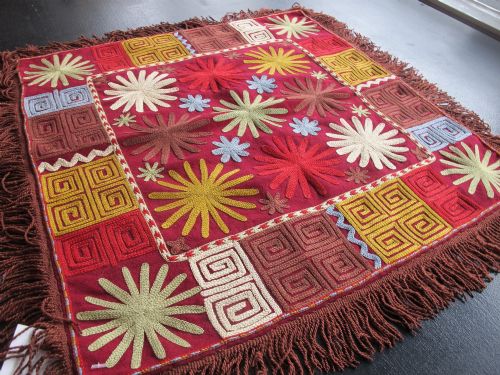
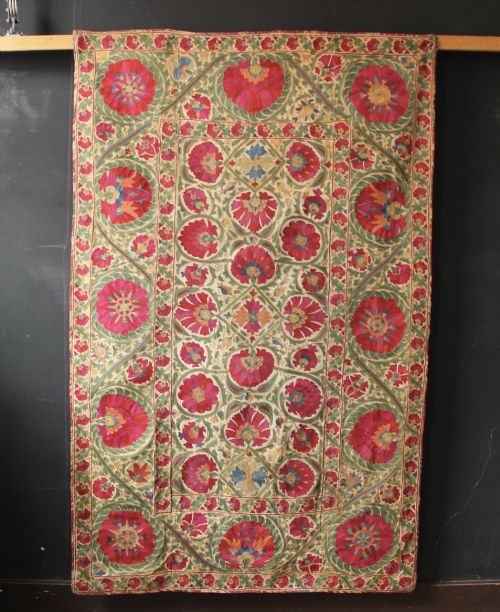
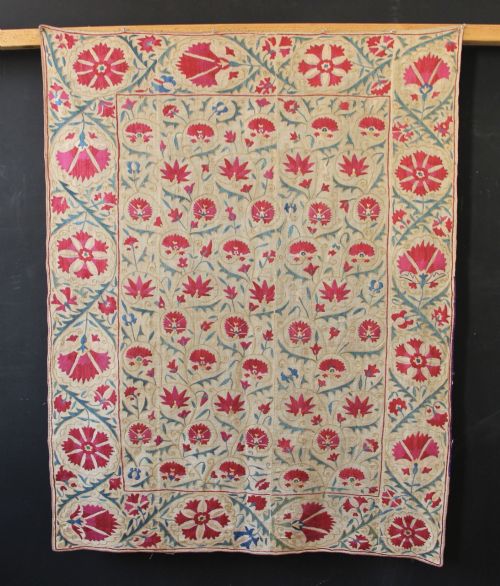
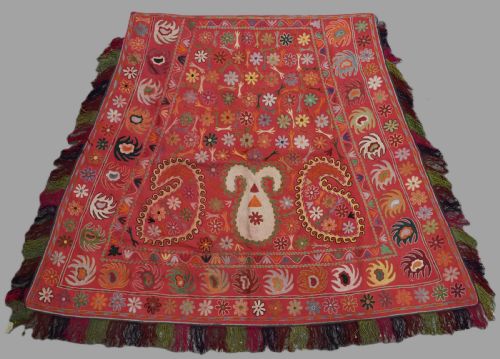
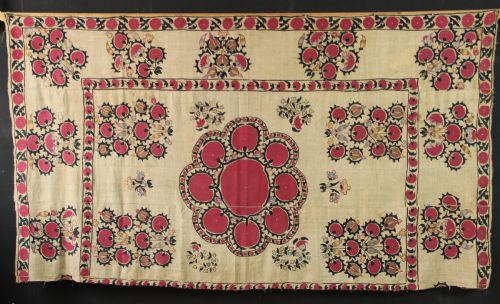
Collectors seeking an uzbek wall hanging encounter various traditional forms including suzani embroideries, ilgich dowry pieces, and ikat fabric panels created across Central Asian regions. These textiles span from the mid-nineteenth century into the early twentieth century, reflecting distinct tribal and regional designs from centres such as Bokhara, Nurata, and Shakrisabz.
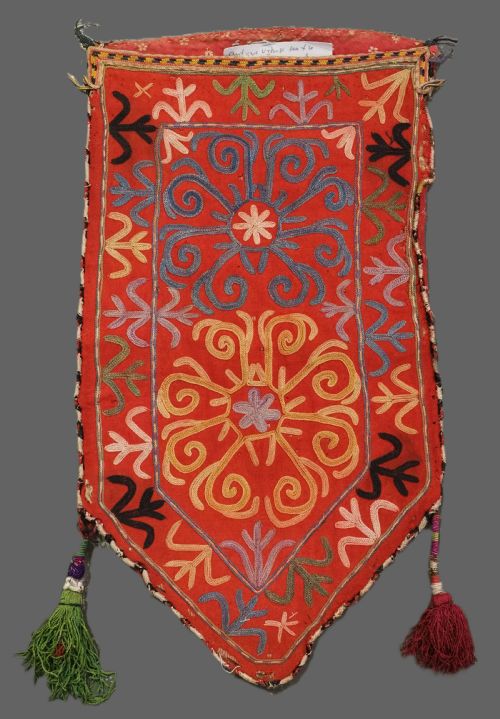
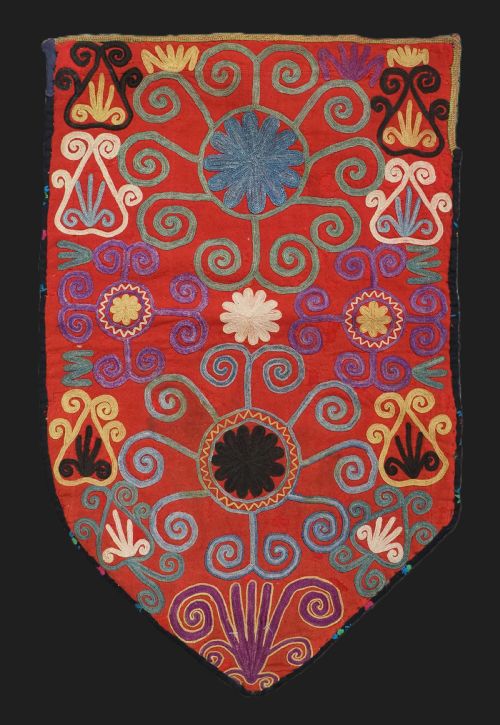
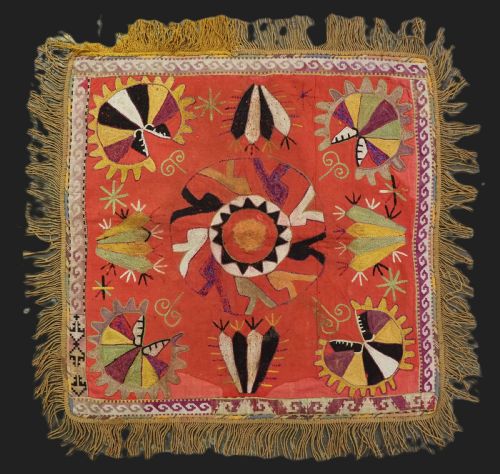
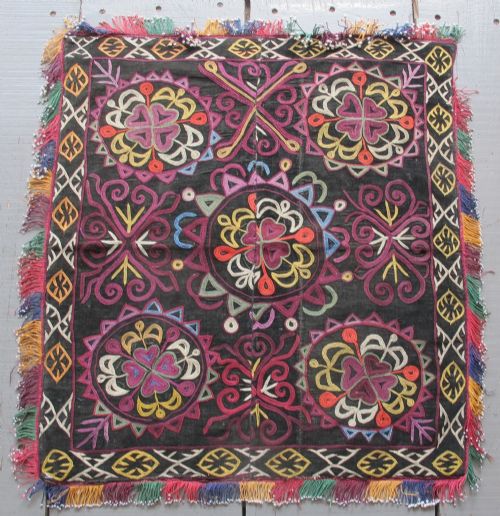
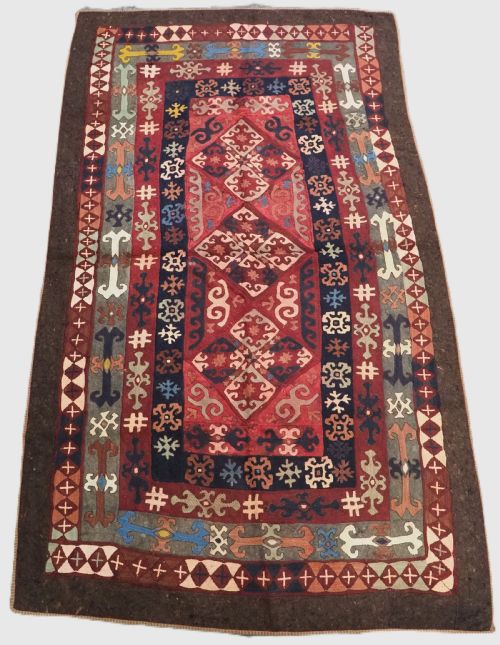
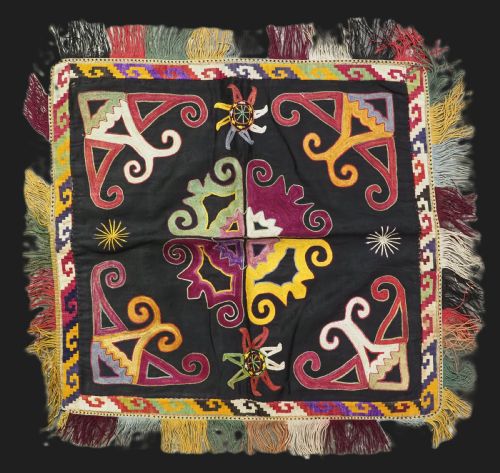
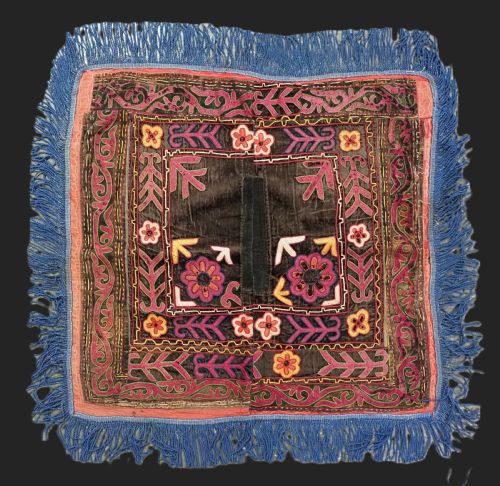
Many examples originate from the Lakai tribe, featuring ceremonial horse covers, saddle rugs, and felt panels alongside domestic dowry embroideries. Surviving pieces range from large medallion suzanis intended for grand display to smaller mirror covers and wall panels.
The selection includes textile panels, coat fragments, and kilim pieces that demonstrate the breadth of Central Asian folk art and traditional craftsmanship.
Materials and construction methods
Artisans constructed these textiles using foundational grounds of cotton, linen, wool, or felt, upon which rich silk thread embroidery was applied by hand. Certain pieces incorporate velvet or feature semi-silk adras fabrics woven with intricate ikat resist-dye patterns.
Embroiderers utilised specialised stitches to form dense floral motifs, architectural designs, and geometric patterns, occasionally integrating glass beads for added texture. Items like winter coats and specific panels were quilted and padded to provide structure and durability.
Lakai embroiderers often worked in secret on dowry pieces, slipping small asymmetrical stitches into the design to ward off the evil eye.
Judging quality and execution
Quality in these textiles depends heavily on the fineness of the needlework, the complexity of the design layout, and the preservation of the ground materials. Superior examples display densely packed silk embroidery with precise tension and harmonious natural colour palettes across the entire surface.
Condition and age also influence distinction, as pieces retaining vibrant dyes and intact borders represent the higher tier of surviving Central Asian textile artistry.
The Uzbek Wall Hanging Glossary
- Suzani
- An embroidered textile panel originating from Central Asia, traditionally worked in silk on a cotton or linen ground. These large decorative pieces often feature bold floral and medallion designs.
- Ikat
- A dyeing technique where yarns are resist-dyed before weaving to create characteristic blurred pattern edges. In Central Asian textiles, these show up in striking fabric panels and robes.
- Ilgich
- A specific type of dowry embroidery produced by the Lakai tribe in Uzbekistan. These items served ceremonial purposes and were created for domestic display on walls.
- Adras
- A traditional semi-silk fabric woven with a cotton warp and silk weft. It forms the structure for many patterned ikat panels from the Bukhara region.
- Uut Kap
- A storage bag or hanging panel associated with nomadic Lakai traditions. They feature distinctive tribal embroidery and heavy geometric ornamentation.
Uzbek Wall Hanging: Frequently Asked Questions
What is an uzbek wall hanging used for?
These textiles historically functioned as domestic dowry items, ceremonial wall decorations, or protective covers within Central Asian homes. Families displayed them to mark significant life events and to add warmth and status to living spaces.
Today, collectors mount them as textile art or use them as statement wall hangings to bring texture and historic pattern into modern interiors.
How do I care for an antique uzbek wall hanging?
Protect antique textiles from direct sunlight to prevent silk threads and natural dyes from fading over time. Display them away from high moisture areas and handle the delicate fabrics minimally.
Mounting should be handled carefully, preferably using non-invasive methods that distribute the weight evenly across the backing material without piercing fragile vintage fibres.
How do I distinguish between regional styles?
Regional differences appear primarily in the choice of motifs, colour combinations, and embroidery techniques. For instance, Bokhara and Nurata suzanis often feature distinct architectural or large floral compositions.
Lakai tribal pieces display smaller, highly graphic geometric and zoomorphic motifs embroidered with energetic movement compared to urban workshop outputs.
Are these pieces made with natural dyes?
Nineteenth-century and early twentieth-century examples frequently utilise natural dye sources derived from plants, roots, and minerals to achieve deep reds, yellows, and greens. These organic colours mellow gracefully with age, acquiring characteristic patinas.
Later or transitional pieces may incorporate early synthetic dyes, which present brighter or more uniform tones across the silk threads.