



Uzbek Tribal Wall Art
These textile wall hangings bring bold Central Asian patterns and rich embroidery into modern rooms.
Uzbek Tribal Wall Art
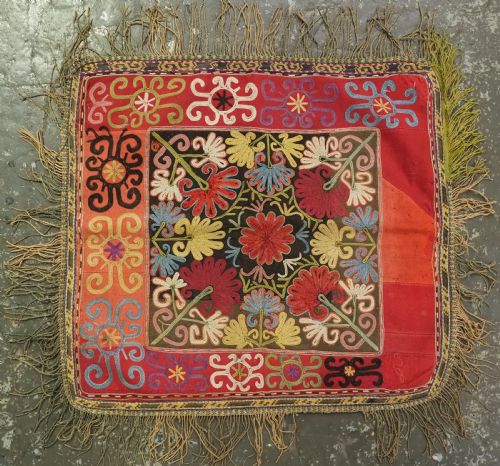
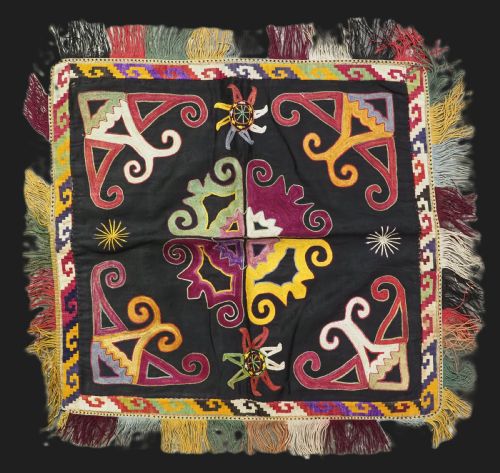
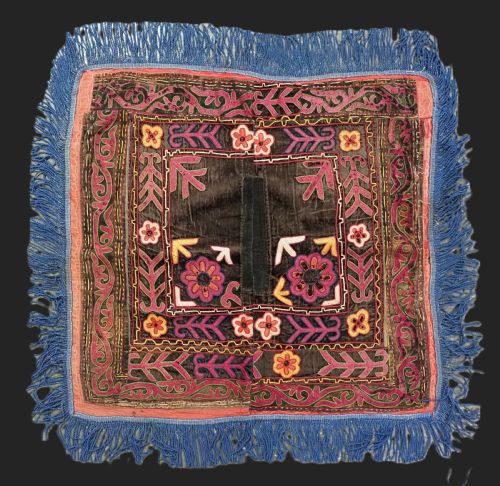
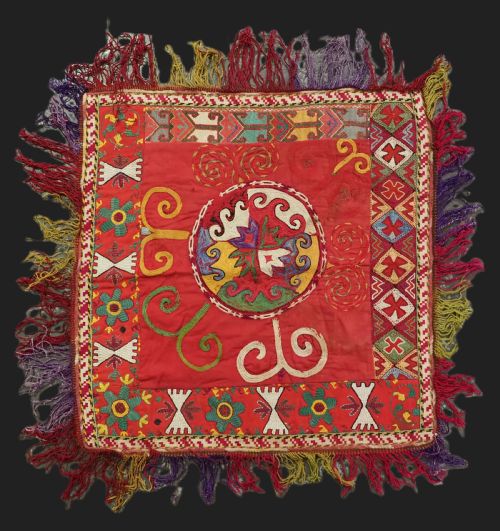
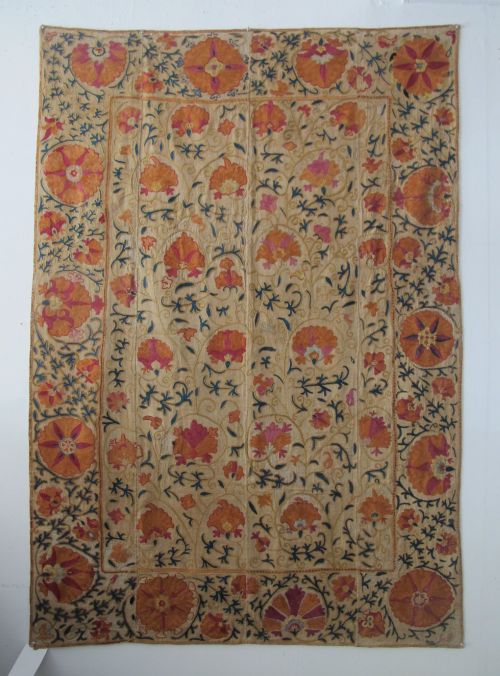
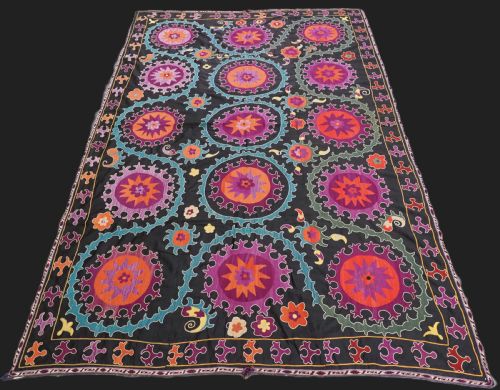
When you search for uzbek tribal wall art, you encounter hand-stitched textiles created by nomadic and settled communities across Central Asia during the nineteenth and early twentieth centuries. These pieces encompass utilitarian dowry items, ceremonial horse covers, and large embroidered panels known as suzanis.
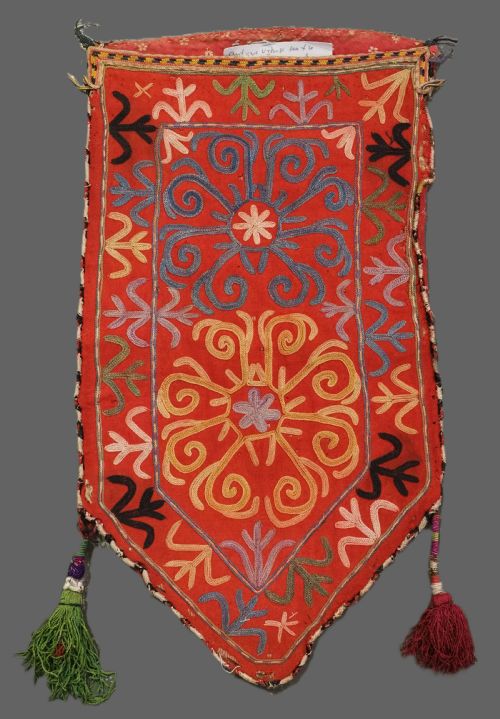
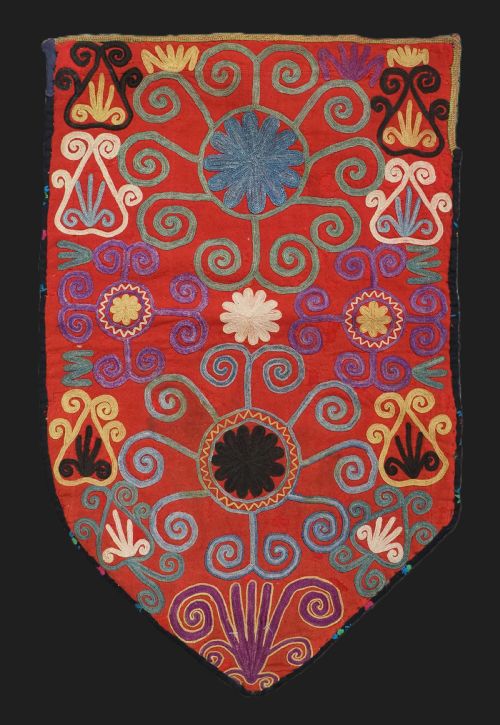
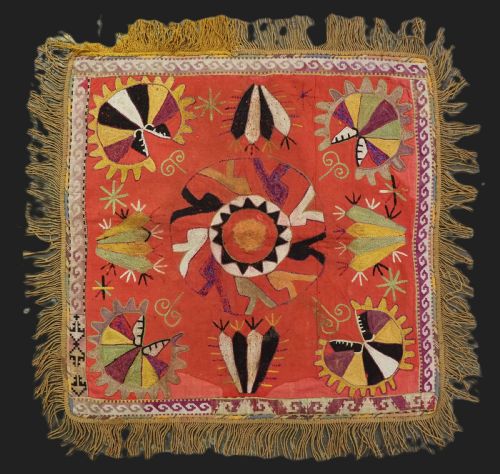
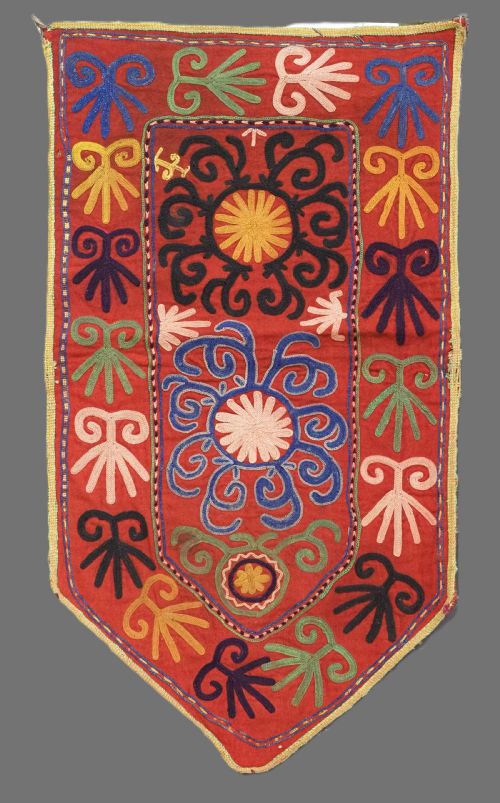
The most common examples on this page are illustrated by the numerous Lakai tribe ilgich and uut kap pieces dating from around nineteen hundred. These smaller embroideries served specific domestic functions within nomadic households before finding new life as wall decor.
Larger suzani panels originating from centres such as Bokhara, Tashkent, Shakrisabz, and Samarkand also appear frequently among the listings. These grander textiles display dense floral and geometric motifs worked on cotton or silk grounds.
Materials and construction
Artisans constructed these textiles using natural fibres including cotton, wool, and silk, often combining silk thread embroidery on woven cotton or velvet grounds. Wool fringe frequently finishes the edges of nomadic pieces, adding texture and movement.
Needlework techniques vary from delicate surface stitching on suzanis to the heavier, geometric couching and embroidery characteristic of Lakai tribal work. Makers utilised locally dyed threads to achieve deep reds, golds, and blacks that remain vibrant today.
The site listings feature textiles spanning the nineteenth and early twentieth centuries, with dates recorded from eighteen fifty up to nineteen thirty.
Judging quality in Central Asian textiles
Quality rests primarily on the density of the needlework and the complexity of the design layout, with fully embroidered palak suzanis representing the pinnacle of the embroiderer's skill. The fineness of the silk thread and the precision of the geometric or floral repeat dictate the visual impact of the piece.
The integrity of the ground fabric and the preservation of original borders or fringes also influence the standing of an item. Pieces retaining rich, uncompromised dye colours demonstrate superior material selection and careful historical preservation.
The Uzbek Tribal Wall Art Glossary
- Suzani
- A large, embroidered Central Asian wall hanging traditionally made by brides as part of their dowry. These pieces typically feature exuberant floral motifs on a cotton or linen ground.
- Ilgich
- A small embroidered hanging used in nomadic households for decoration or storage. They frequently originate from the Lakai tribe.
- Uut kap
- A specialised storage bag or hanging produced by Central Asian tribes. Examples often display double-faced embroidery designed to be viewed from multiple angles.
- Palak
- A fully embroidered suzani type where the background cloth is entirely covered in dense stitching. This style represents the most labour-intensive form of Central Asian textile art.
- Torba
- A wide wall hanging or tent bag created by nomadic weavers. They incorporate traditional tribal symbols and wool fringe.
Uzbek Tribal Wall Art: Frequently Asked Questions
How were these textiles originally used?
Many of these pieces served practical and ceremonial roles within nomadic and village households. Items like ilgich and uut kap functioned as dowry pieces or decorative storage furnishings.
Larger suzanis and bed decorations were created to adorn the interiors of traditional homes and yurt dwellings. They marked significant life events, including weddings and household establishment.
How should I hang textile art safely?
Mounting textile pieces requires weight distribution methods that avoid placing direct stress on the historical fabric. Professional framers often utilise a velcro attachment system stitched to a supporting cotton sleeve.
Keep displayed textiles away from direct sunlight to prevent fading of natural silk and cotton dyes. Rotating pieces periodically helps reduce environmental wear.
How can I tell different regional styles apart?
Regional attribution relies on observing specific embroidery techniques, colour palettes, and motif structures. Tashkent and Samarkand suzanis often showcase large, bold medallion designs with expansive floral elements.
By contrast, Lakai tribal pieces feature smaller, highly geometric patterns executed with thick silk threads. Shakrisabz work exhibits distinct floral arrangements and specific colour combinations unique to that location.
What is the difference between an ilgich and a suzani?
Suzanis are generally large-scale decorative panels intended as major wall coverings or bed drapes. They originate from settled urban and rural workshops across Uzbekistan.
Ilgich textiles are typically smaller dowry embroideries produced specifically by tribal groups such as the Lakai. Their compact size and distinct nomadic motifs separate them from larger urban suzani panels.