




Uzbek Suzani Tapestry
When choosing an uzbek suzani tapestry, collectors bring home a piece of Central Asian heritage crafted through intricate needlework.
Uzbek Suzani Tapestry
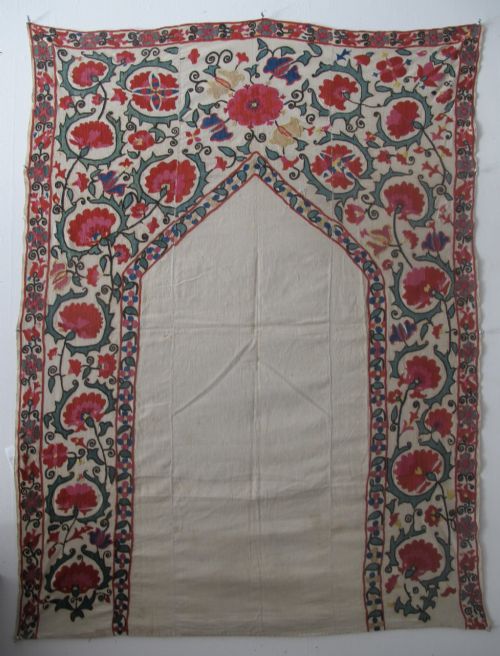
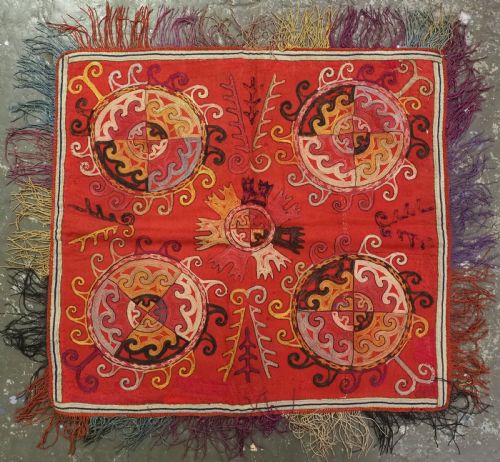
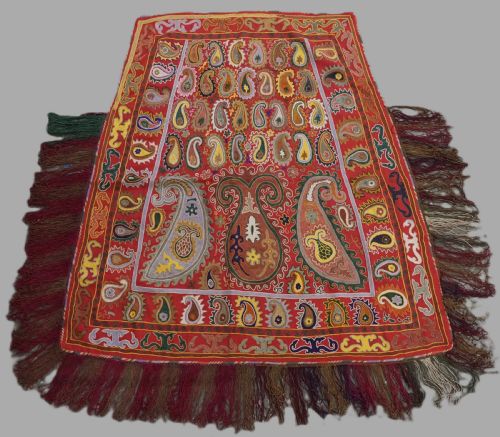
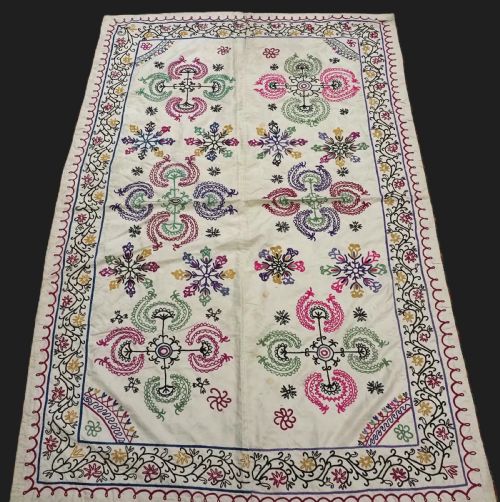
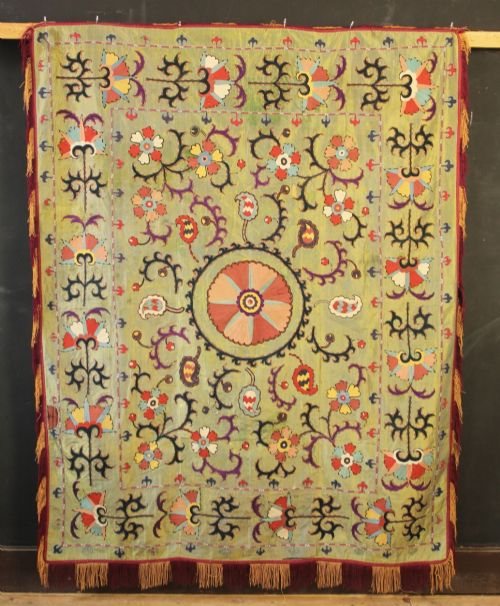
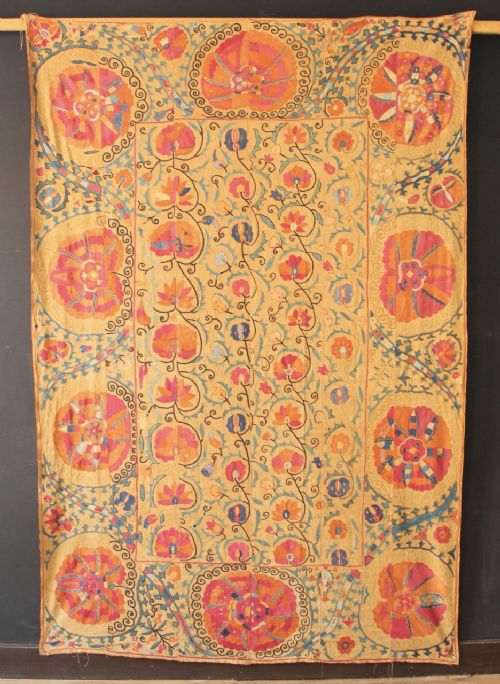
An uzbek suzani tapestry represents a traditional embroidered textile created across Central Asian regions including Bokhara, Samarkand, Tashkent and Shahrisabz. These pieces serve primarily as wall hangings, bed covers, dowry items or ceremonial horse and saddle covers.
The selections available range from large medallion variants and architectural designs to smaller nim suzani pieces and prayer formats. Many examples display regional characteristics attributed to the Lakai tribe or Tajik makers, dating from the nineteenth and early twentieth centuries.
Makers utilised various formats such as full work embroideries and palak designs featuring central stars or dense floral motifs on grounds of red, yellow, green, or black.
What varies in quality
The distinction between tiers of these textiles rests on the density of the embroidery work and the complexity of the design layout, such as full work palak compositions versus simpler formats. Finer pieces demonstrate precise needle control and balanced integration of traditional regional motifs.
The clarity of colour and the integrity of the ground fabric, whether cotton or silk, influence the overall visual impact. Condition and historical depth further separate standard examples from masterworks.
Uzbek Suzani Tapestry Retail Price Guide 2026
Typical asking prices for uzbek suzani tapestry among the pieces listed under this phrase on Sellingantiques today, from the lower quarter to the upper quarter. They describe what is for sale here now, not the wider market.
Materials recorded across the inventory consist primarily of silk embroidery thread applied to cotton, silk, or wool foundations, alongside woven kilim structures.
The Uzbek Suzani Tapestry Glossary
- Suzani
- An embroidered tribal textile originating from Central Asia, traditionally made as part of a bride's dowry. The word derives from the Persian term for needle.
- Nim Suzani
- A smaller half-size version of a standard textile wall hanging, often easier to display in domestic interiors.
- Palak
- A heavily embroidered design type featuring a large central star motif, commonly associated with Tashkent workshops.
- Ilgich
- A specific form of tribal dowry embroidery used as a wall hanging, frequently produced by the Lakai people.
- Ru-i-jo
- A traditional bed cover textile designed to be folded or displayed across domestic sleeping quarters.
Uzbek Suzani Tapestry: Frequently Asked Questions
What is an uzbek suzani tapestry?
An uzbek suzani tapestry is a hand-embroidered textile created in Central Asian regions like Bokhara, Samarkand, and Tashkent during the nineteenth and early twentieth centuries. These pieces were traditionally made by brides and their families as part of a dowry.
Today, they function primarily as decorative wall art, valued for their rich silk threadwork and traditional botanical or geometric motifs.
How were these textiles used originally?
Families utilised these embroidered cloths in various domestic and ceremonial contexts across Central Asia. Common applications included wall hangings, bed covers known as ru-i-jo, and dowry items.
Some specialised pieces, such as those made by the Lakai tribe, served as ceremonial horse and saddle covers during weddings or festive processions.
How do regional styles differ?
Different towns and tribes in Uzbekistan developed distinct visual vocabularies for their needlework. Tashkent pieces often feature dense palak designs with prominent central stars, while Bokhara examples lean towards architectural or refined floral layouts.
Tribal groups like the Lakai employed bolder, more abstract patterns and smaller formats on diverse cotton grounds.
How should I care for an antique suzani?
Protect antique textiles by mounting them away from direct sunlight to prevent the silk threads and dyed grounds from fading. Gentle vacuuming through a mesh screen helps remove surface dust without damaging the delicate embroidery.
Professional textile conservators should handle any major cleaning or mounting onto supportive backing fabrics.