


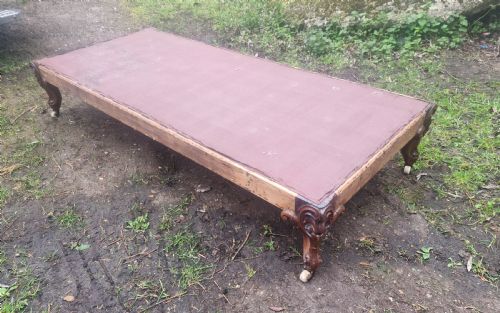

Upholstery Project Frame
An upholstery project frame provides the foundational structure for bespoke seating, offering a tactile starting point for traditional restoration.
Upholstery Project Frame
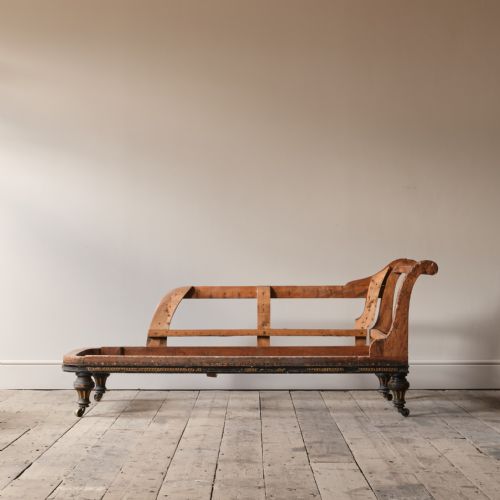
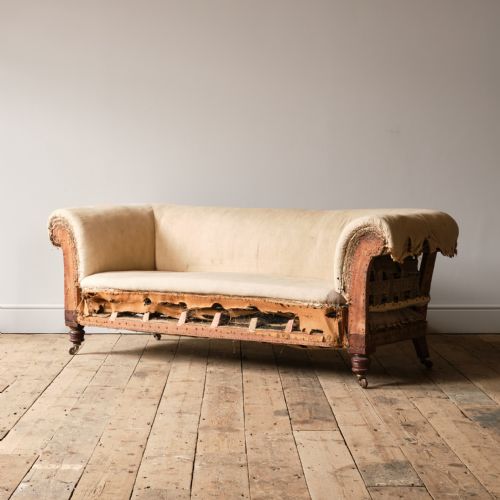
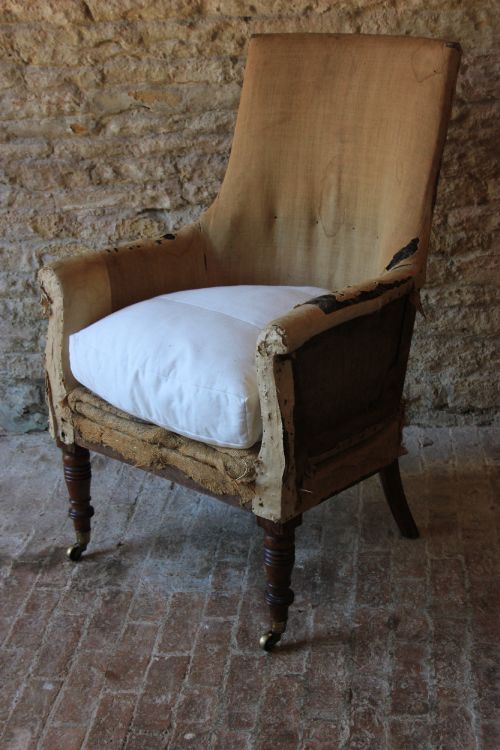
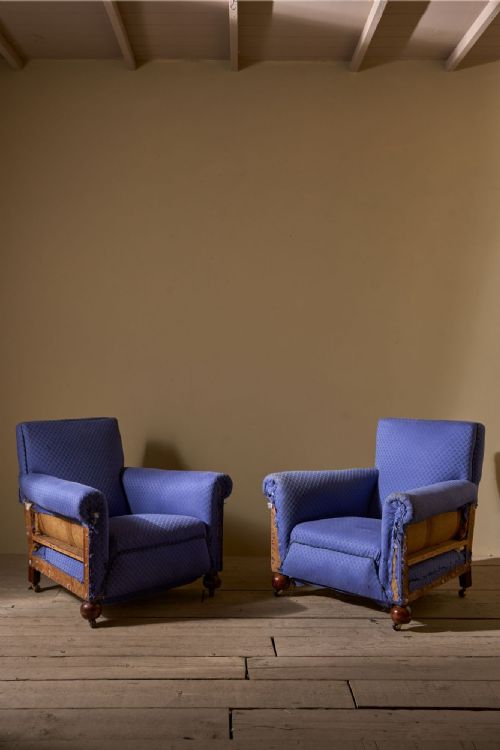
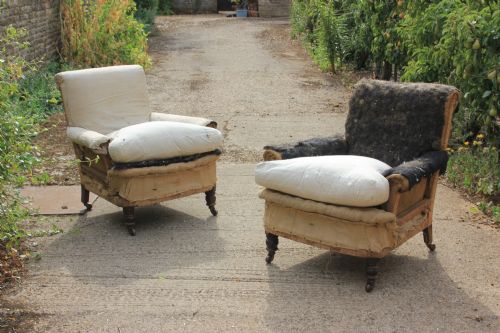
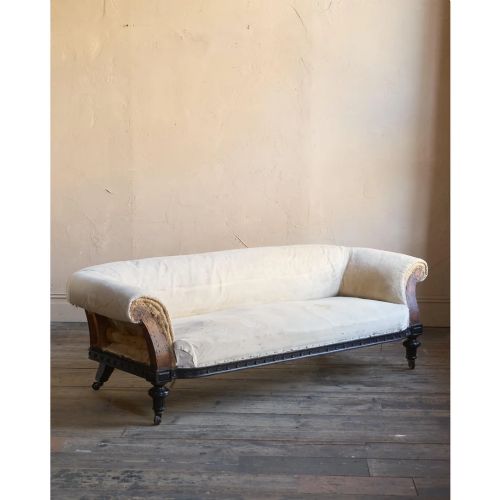
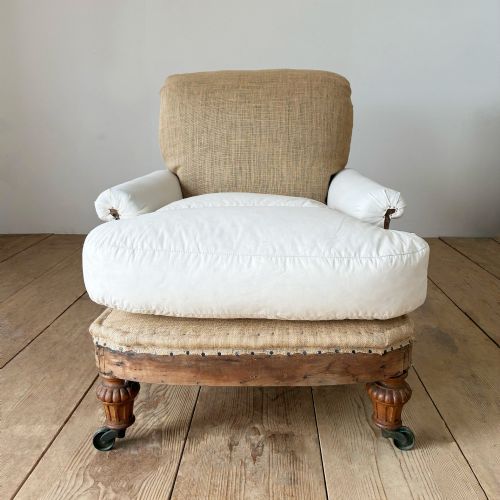
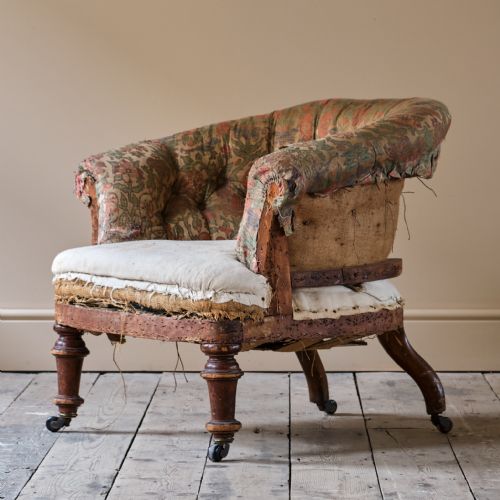
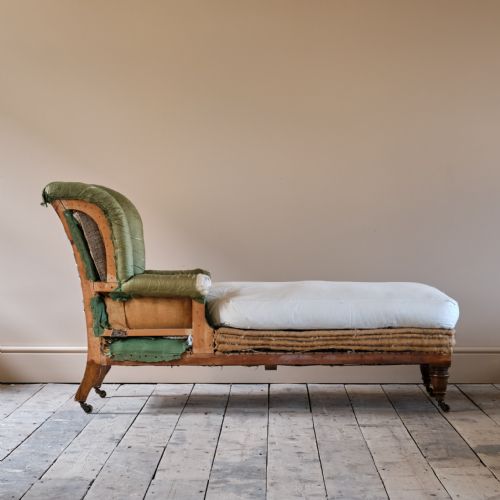
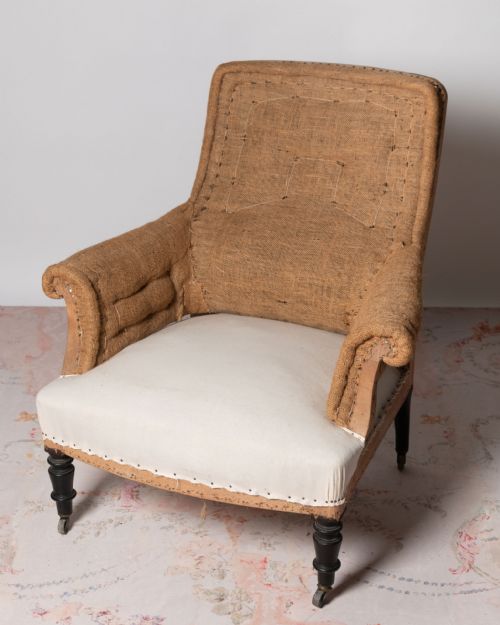
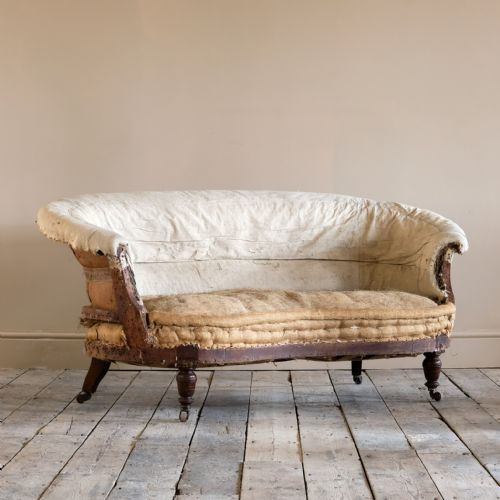
An upholstery project frame represents the skeletal remains of classic seating, waiting for webbing, stuffing, and fabric. Buyers seeking an upholstery project frame find themselves examining bare wood frames from the 18th, 19th, and early 20th centuries.
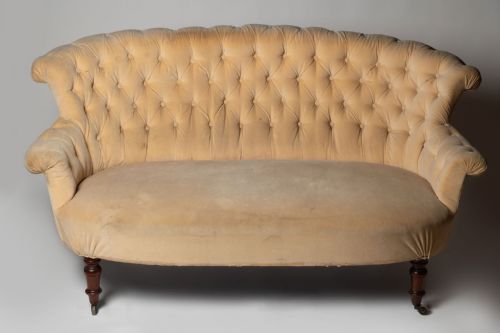
The selections span armchairs, library chairs, club chairs, daybeds, and various sofas including Chesterfield and chaise longue forms. These pieces display historical styles such as Regency, Victorian, Edwardian, and Art Deco.
Most examples originate from the nineteenth century, featuring exposed timber structures ready for complete restoration. Each frame reveals the underlying carpentry and original joinery without the distraction of top covers.
Materials and construction methods
Frames rely on solid timbers such as mahogany, rosewood, and general hardwood, joined to withstand decades of heavy use. Traditional stuffing materials like horsehair, cotton, and hessian often remain partially intact within the springs and webbing.
Brass details, castors, and hand-carved wooden elements accent the structural woodwork of these periods. The joinery employs time-honoured techniques designed to support multiple layers of internal upholstery.
Many of these bare wooden skeletons still harbour stubborn tufts of Victorian horsehair, whispering tales of past drawing rooms.
Evaluating structural integrity
The standard of a frame rests entirely on the condition of the underlying timber and the integrity of the original joints. Superior pieces exhibit crisp carving, stable wood without deep fractures, and balanced proportions across the arms and back.
Maker attribution elevates certain pieces, particularly those bearing stamps from esteemed workshops like Gillows or Holland & Sons. Lesser examples may show alterations, replacement rails, or timber fatigue from centuries of wear.
Holland & Sons·Gillows·Howard And Sons·Hampton & Sons
The Upholstery Project Frame Glossary
- Chesterfield Sofa
- A classic upholstered sofa style characterised by rolled arms of the same height as the back, traditionally featuring deep buttoning.
- Chaise Longue
- An elongated chair for reclining, combining elements of a sofa and a single chair, popular throughout the nineteenth century.
- Horsehair
- A traditional stuffing material utilised in antique upholstery for its resilience and ability to hold firm shapes over time.
- Hessian
- A coarse woven fabric, often made from jute fibres, used as a foundation layer to support internal upholstery stuffing.
- Library Chair
- A sturdy armchair designed for reading rooms, often featuring open upholstered arms and robust wooden frames.
Upholstery Project Frame: Frequently Asked Questions
What is an upholstery project frame?
An upholstery project frame is an antique seating structure stripped down to its wooden skeleton and webbing. It allows restorers to build up the padding and select bespoke outer fabrics from scratch.
These pieces range from Victorian Chesterfires to Edwardian armchairs, offering a blank canvas for traditional craftspeople and interior designers.
How do I choose the right frame?
Begin by assessing the stability of the wooden joints and the symmetry of the overall silhouette. Check for maker stamps on the wood, which often indicate superior period craftsmanship.
Consider the scale of the piece and whether the exposed timber matches your intended finish. Ensure the form suits your space before committing to a full restoration.
What materials should I expect to find?
The structural frames are constructed from solid hardwoods like mahogany and rosewood. Internal survivals frequently include hessian webbing, cotton stuffing, and traditional horsehair.
Some examples retain original brass castors or subtle carved wooden detailing. Each material reflects the standard cabinet-making practices of its specific era.
Can these frames be used immediately?
These frames require complete upholstery work before regular daily use. They are sold as projects with bare springs, webbing, and exposed wood.
Restoration involves rebuilding the interior padding and applying top covers. This process ensures the seating meets modern comfort standards while preserving antique timber.