
Victorian Lounge Daybed
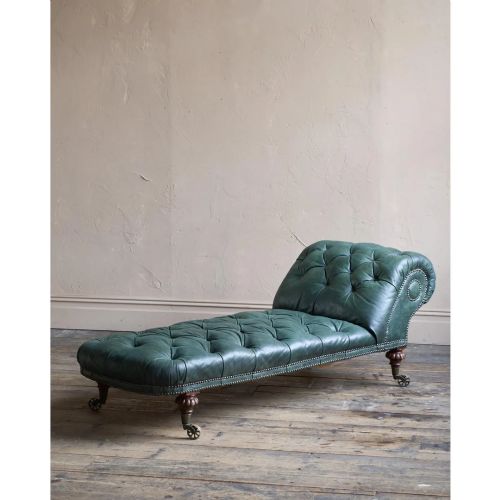
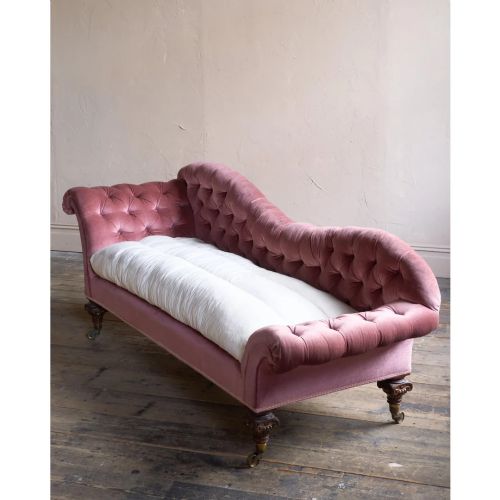
A victorian lounge daybed offers deep, reclining comfort, combining timber frames with upholstered length for daytime resting.
Victorian Lounge Daybed
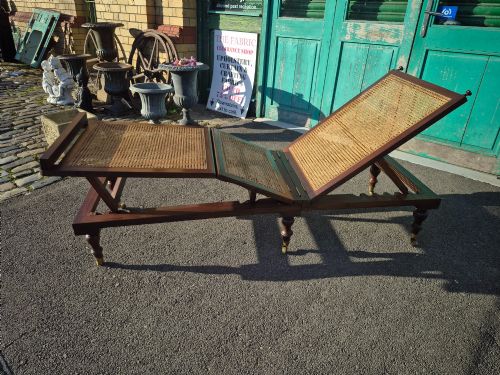
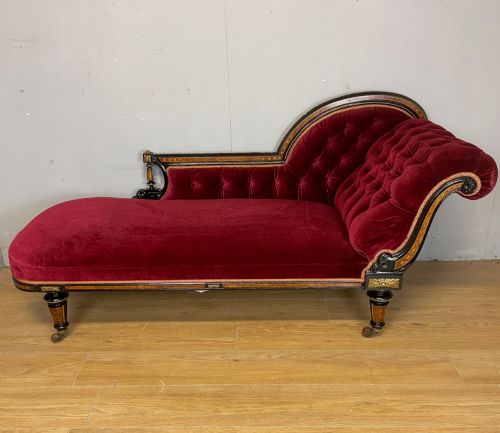
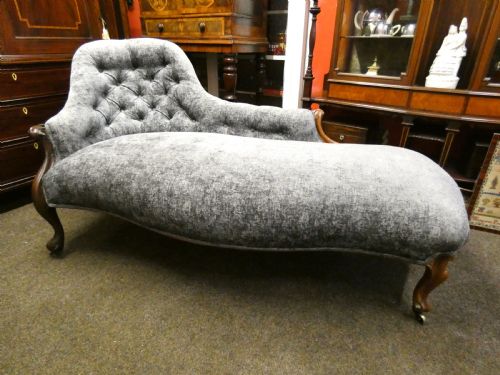
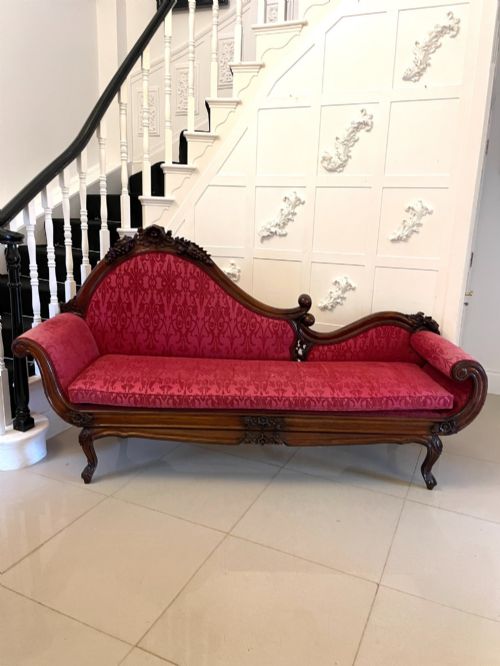
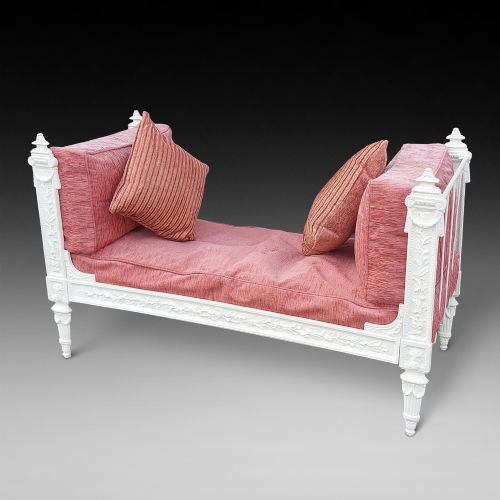
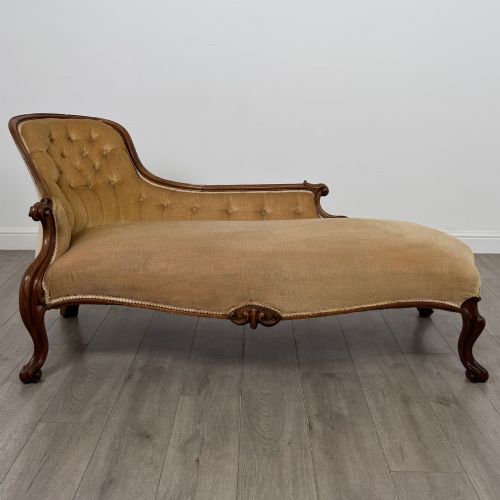
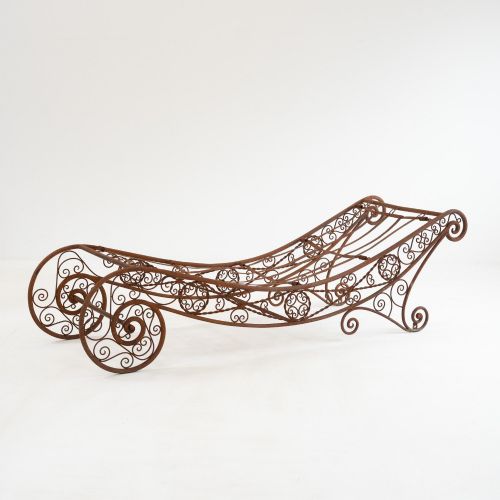
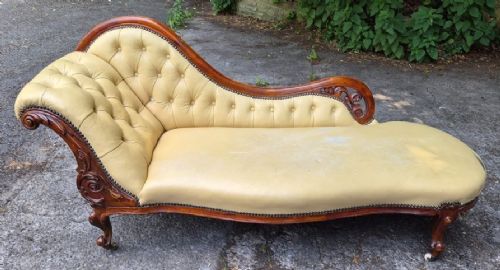
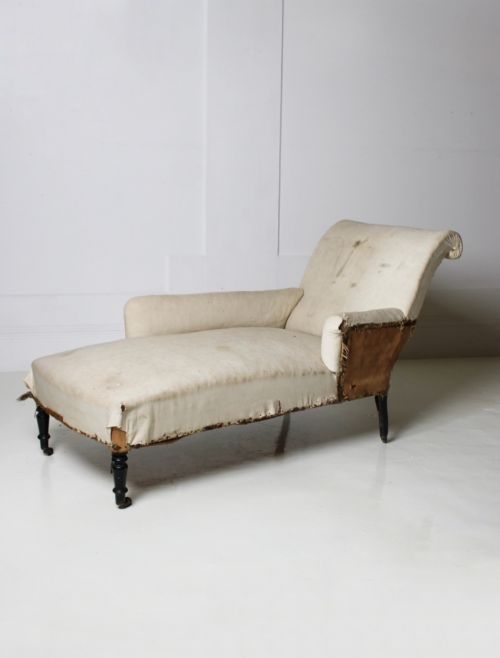
A victorian lounge daybed combines the reclining form of a chaise longue with the extended surface of a day bed, originating across the nineteenth century. These pieces appear in forms such as scrolled mahogany frames, walnut frames, and cast iron or wrought iron garden daybeds. English and French workshops produced them in styles ranging from William IV to late Victorian and Edwardian.
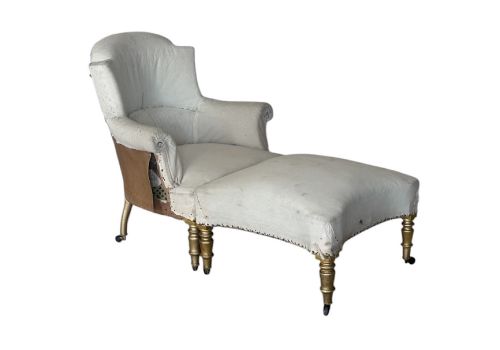
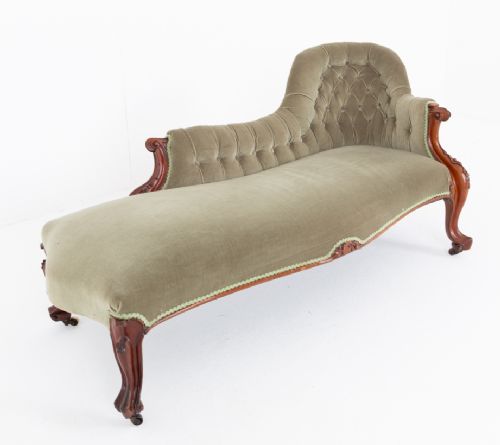
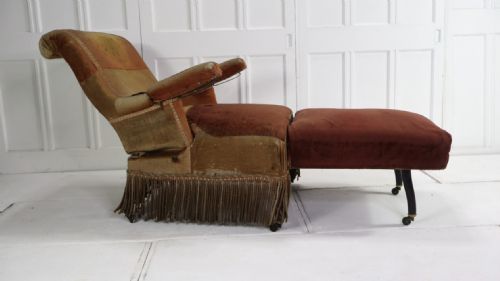
Buyers most frequently encounter nineteenth-century mahogany and rosewood examples featuring carved frames and upholstered backs. Variations include campaign styles, colonial plantation styles, and modular arrangements like the Duchess brisee. Each variation serves the fundamental purpose of semi-reclining repose in domestic settings.
Materials and Technique
Frames rely on dense hardwoods such as mahogany, rosewood, walnut, and ebonised timber, often shaped with carved ornament or inlaid panels. Metal alternatives utilise cast iron and wrought iron for garden or structural daybeds. Joinery follows traditional nineteenth-century cabinet-making methods to support the continuous weight of a reclining occupant.
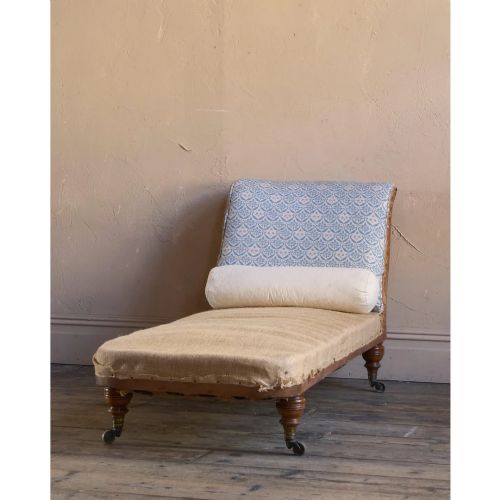
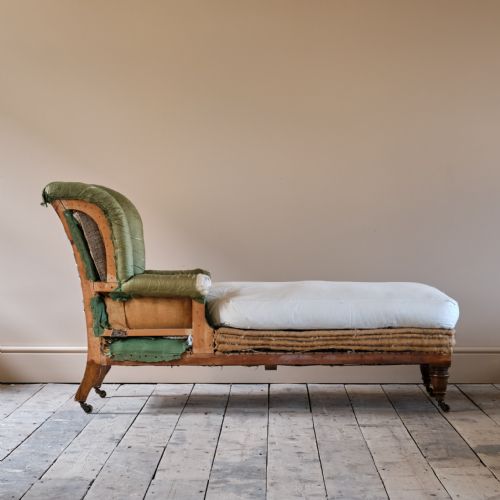
Upholstery incorporates materials like velvet, leather, calico, fabric, and damask stretched over sprung or webbed bases. Decorative touches include ormolu mounts, ionic column legs, bobbin turnings, and original castors.
Several daybeds include reversible box ottomans, proving that nineteenth-century nappers also needed hidden storage for their cushions.
Craftsmanship and Proportion
The distinction between ordinary and superior pieces rests in the crispness of the timber carving and the integrity of the frame construction. High-end examples display finely figured rosewood or mahogany, intricate scrollwork, and branded maker stamps from established nineteenth-century London firms. Lesser pieces utilise simpler turned legs and plain timber without decorative inlay or mounts.
Proportion and symmetry dictate the visual balance of the scroll end and the rise of the backrest. A well-proportioned daybed maintains harmonious lines from the headrest down to the foot, whereas lower-quality iterations can appear boxy or disjointed in their elongation.
Howard and Sons·Holland and Sons·H. Goodall and Sons·Jas Shoolbred
The Victorian Lounge Daybed Glossary
- Chaise longue
- An upholstered sofa in the shape of a chair that is long enough to support the legs. It functions as a hybrid between a chair and a day bed.
- Ormolu
- Gilded bronze or brass applied as decorative mountings on furniture frames. This technique adds metallic contrast to dark woods like mahogany and walnut.
- Duchess brisee
- A multi-part daybed consisting of an armchair paired with one or two footstools or a low chair combined with a stool. It provides adjustable length for reclining.
- Bobbin day bed
- A bed or daybed featuring turned legs or framing shaped to resemble spools or bobbins. This style was popular during the nineteenth century.
- Calico
- A plain-woven textile typically used as an underlying layer for upholstery. Antique pieces often retain original internal stuffing beneath surface covers.
Victorian Lounge Daybed: Frequently Asked Questions
How were daybeds used originally?
Nineteenth-century households utilised daybeds in drawing rooms, boudoirs, and libraries for daytime resting, reading, or receiving visitors without retiring to a bedroom.
They provided an intermediate seating option that allowed occupants to recline partially while remaining dressed for daytime social activities.
Can these daybeds fit modern living spaces?
Their elongated footprint makes them suitable for placement against a living room wall, at the foot of a bed, or floating in a spacious study.
The single-ended backrest allows them to function as a low sofa during gatherings while offering full-length lounging capacity.
How do I distinguish Victorian from Regency styles?
Regency daybeds often feature classical revival motifs, sabre legs, and bolder architectural lines influenced by ancient Greek and Roman design.
Victorian iterations lean towards heavier carved mahogany or rosewood frames, button-tufted upholstery, and more exuberant scroll arms.
Are castors original on nineteenth-century frames?
Most nineteenth-century timber daybeds were manufactured with brass or ceramic castors to facilitate movement across heavy carpets.
Original castors show appropriate patination and match the fixing methods typical of the 1850s to 1890s cabinet-making trade.