
Upholstered Wooden Footstool
An upholstered wooden footstool brings warmth to a room, offering both practical comfort and enduring craftsmanship across centuries of design.
Upholstered Wooden Footstool
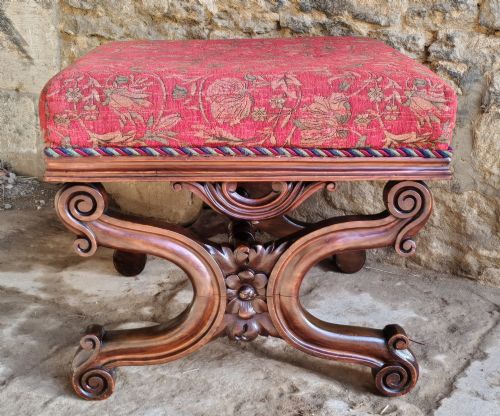
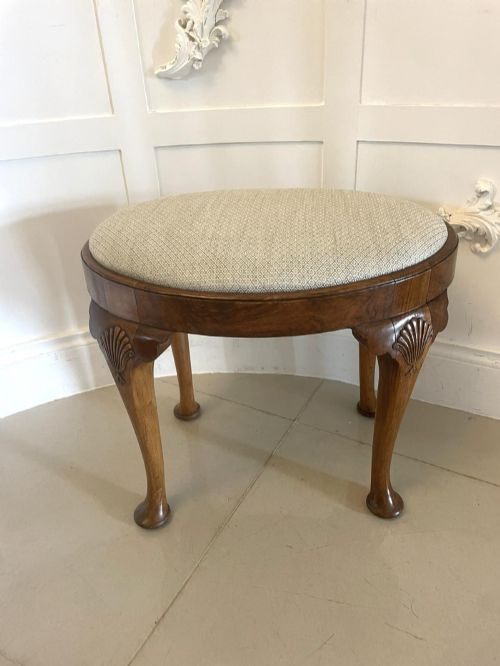
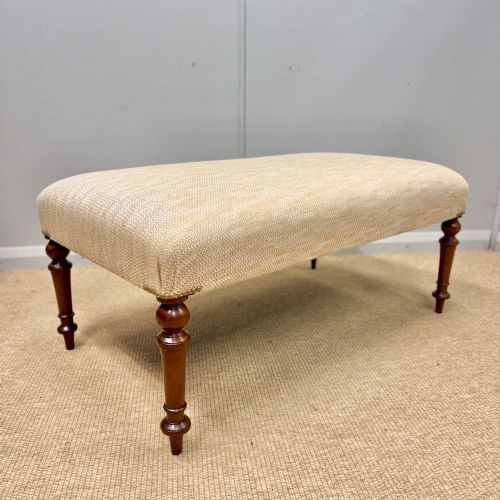
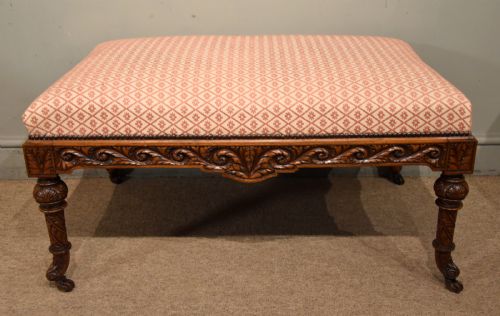
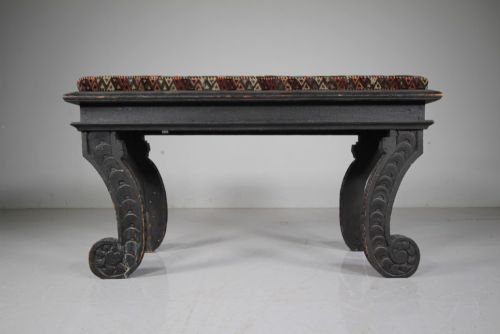
When searching for an upholstered wooden footstool, buyers encounter a diverse selection of low seating and support pieces designed for domestic use. The most common examples on this page span from the nineteenth century through the Edwardian period, often appearing as dressing stools, fireside seats or window benches.
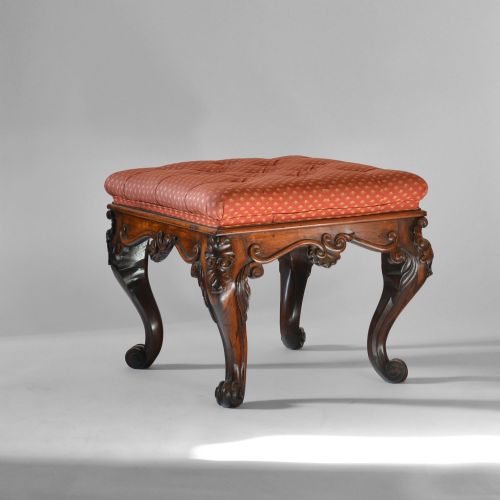
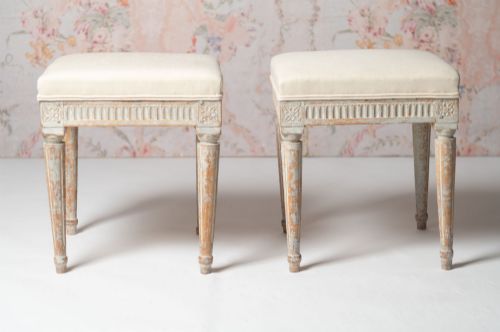
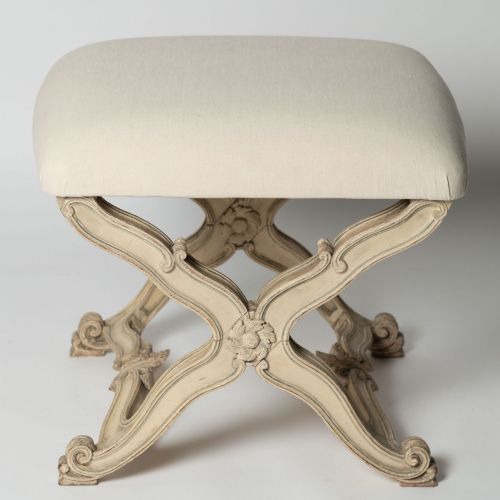
The assortment includes regional variations such as Anglo-Indian rosewood pieces, French Louis XV style carved beech stools and English mahogany designs. Formats range from compact oval and square shapes to long benches and specialised gout stools, reflecting the varied functional demands of historic interiors.
Materials and construction methods
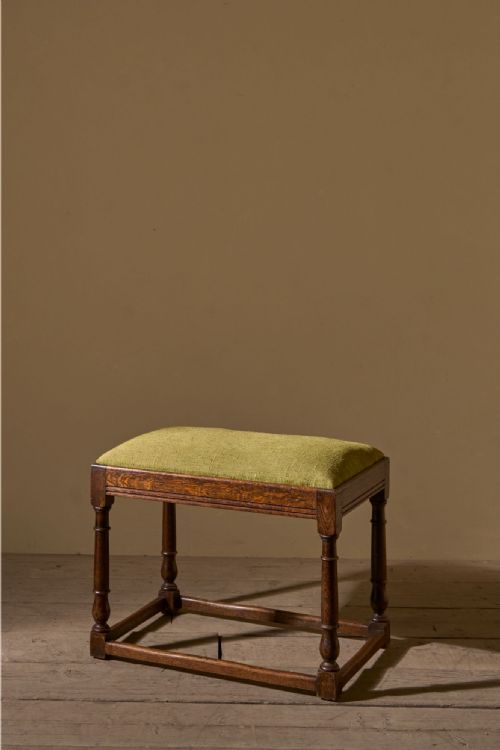
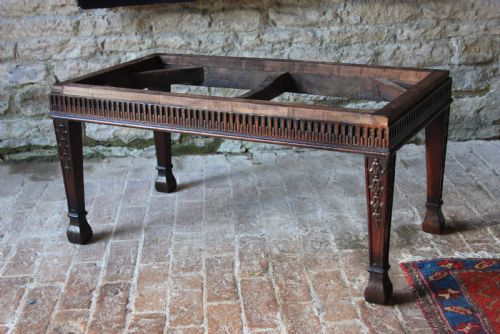
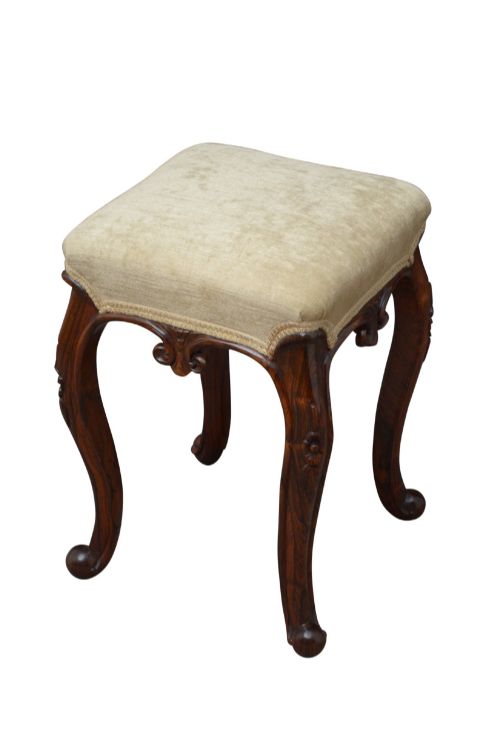
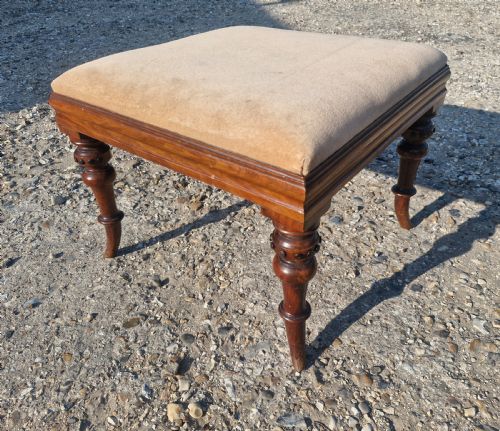
Cabinetmakers utilised timber frames constructed from mahogany, walnut, rosewood, oak and pitch pine, frequently shaping the wood into cabriole or straight legs. Joinery methods relied on traditional mortise and tenon joints to ensure structural stability under daily use.
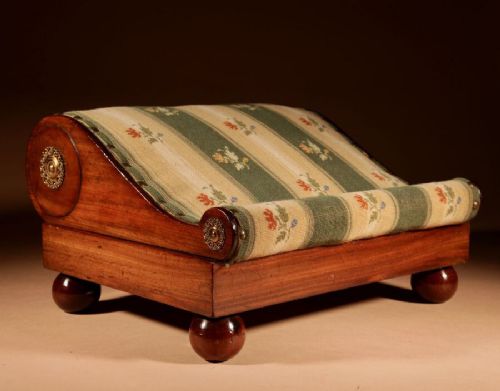
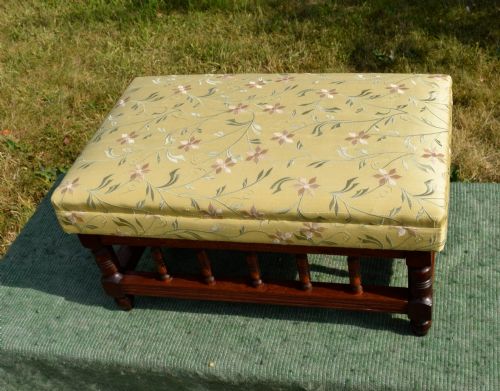
Upholstery techniques combined sturdy internal webbing and textile covers, ranging from heavy green linen and leather to decorative patterned fabrics. Details such as buttoning, carved wooden ornamentation and brass accents completed the finish of finer examples.
Materials recorded across the inventory include mahogany, walnut, rosewood, oak, beech and brass.
Factors that define quality
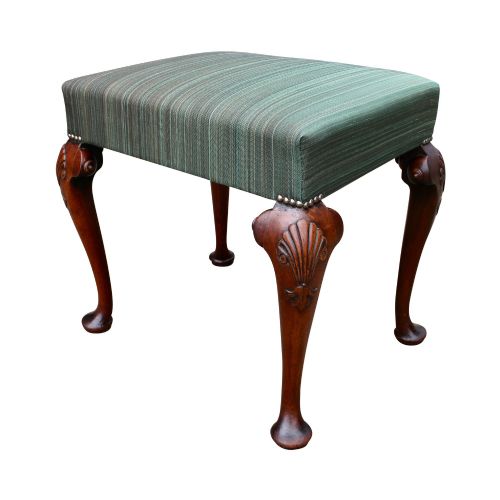
The distinction between standard domestic seating and superior pieces lies in the crispness of the timber carving and the selection of cabinet wood. Dense, finely figured woods like rosewood and walnut, combined with hand-carved details such as cabriole legs, mark out the finer workshop productions.
Construction integrity and the authenticity of the frame structure also determine standard. Pieces retaining their original timber patination alongside balanced proportions demonstrate the care taken by period makers.
Miles & Edwards·Harry & Lou Epstein·Liberty & Co
The Upholstered Wooden Footstool Glossary
- Cabriole leg
- A furniture leg featuring a double curve, typically swelling outward at the knee and tapering inward to a pad or claw foot. This style was popular during the eighteenth and nineteenth centuries.
- Gout stool
- An adjustable footstool designed specifically to elevate and support the foot or leg of someone suffering from joint pain. These often feature mechanical tilting mechanisms.
- Curule stool
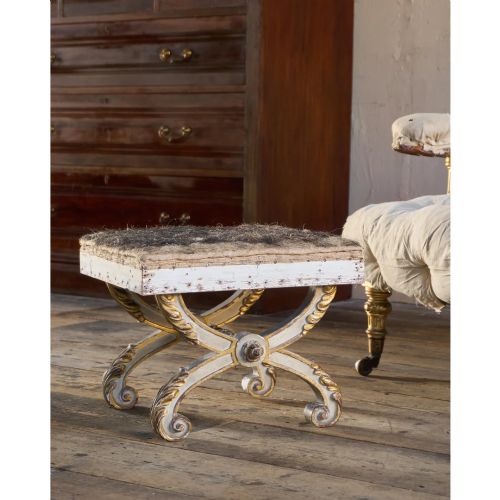
- An ancient Roman form of folding seat with X-shaped legs, revived in various nineteenth-century historicist furniture designs. It provides a distinct architectural silhouette.
- Duchesse brisée
- A multi-part French lounge chair comprising an armchair accompanied by a matching footstool or ottoman that completes the chaise longue length. They are typically upholstered in matching textiles.
- Pitch pine
- A durable North American pine timber characterised by a high resin content and prominent growth rings, utilised extensively for nineteenth-century domestic furniture.
Upholstered Wooden Footstool: Frequently Asked Questions
How do I date an antique wooden footstool?
Dating relies on examining the timber species, joinery techniques and stylistic traits such as leg profiles and carving motifs. Nineteenth-century pieces often display machine-sawn components alongside hand-finished details.
Comparing the upholstery style and internal webbing provides further clues, though many pieces have been recovered in modern textiles to suit contemporary interiors.
What were footstools originally used for?
Historic footstools served multiple domestic purposes, from keeping feet elevated away from cold draughty floors to providing extra seating in parlours and bedrooms. Dressing stools were paired with vanity tables for daily grooming.
Larger window seats and long stools accommodated multiple sitters in formal reception rooms and hallways.
Can I use these stools daily?
Most antique wooden footstools remain structurally robust enough for everyday household use, provided the frame joints are secure. Solid timber construction ensures lasting durability.
Placing them on level surfaces prevents undue stress on individual legs and joints during regular sitting or foot-resting.
How do I clean wooden frames?
Maintenance involves dusting the wooden frame with a soft, dry cloth to prevent the accumulation of grit. Wax polish applied sparingly helps nourish historic polished surfaces.
Avoid using harsh chemical sprays or excess water, which can damage aged timber finishes and lift delicate veneers.