


Upholstered Salon Chair
An upholstered salon chair brings intimate Victorian and French reception rooms to life with carved wood frames and rich textile coverings.
Upholstered Salon Chair
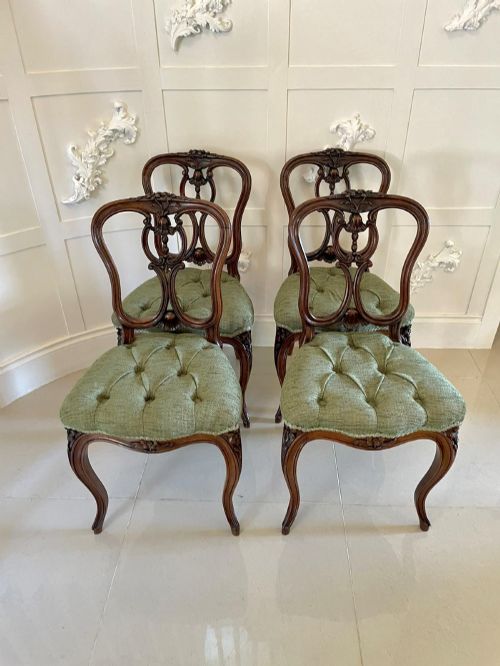
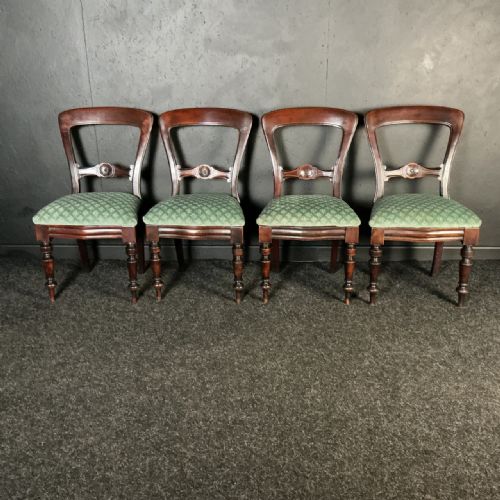
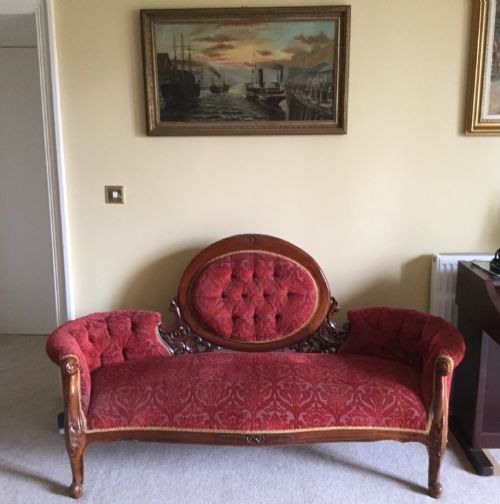
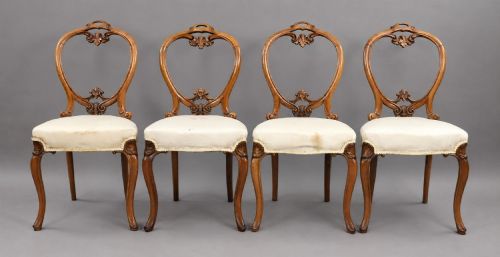
An upholstered salon chair provides compact, elegant seating intended for the formal reception rooms of nineteenth-century and Edwardian homes. These pieces appear frequently as single armchairs, matching pairs, or components of larger salon suites featuring matching sofas and occasional seats.
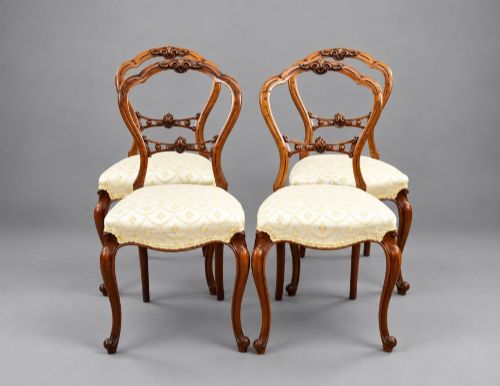
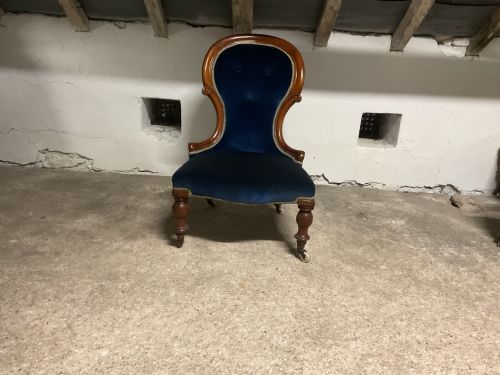
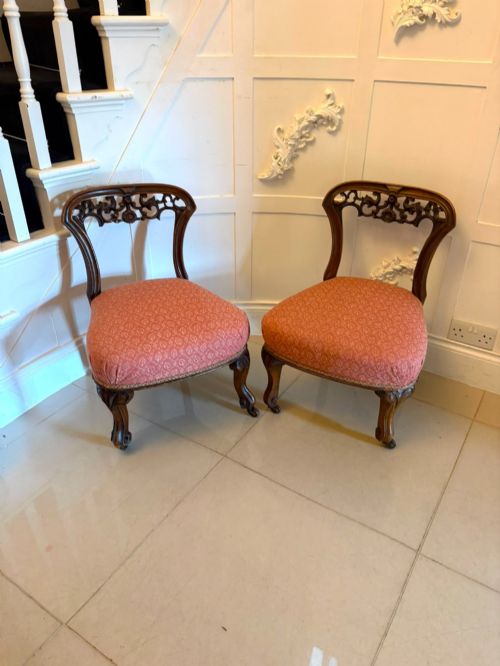
Makers designed these chairs using diverse regional vocabularies, ranging from British Victorian walnut and mahogany frames to French styles influenced by Louis XV, Louis XVI, and Rococo Revival aesthetics. The form encompasses low nursing chairs, spoon-backed bedroom seats, and open-armed elbow chairs.
The surviving inventory demonstrates that buyers encounter both English cabinet-maker productions and continental imports covered in modern brocades, silk damasks, or traditional tapestry needlework. Their scale remains manageable, suiting modern drawing rooms and studies as functional decorative objects.
How They Were Made
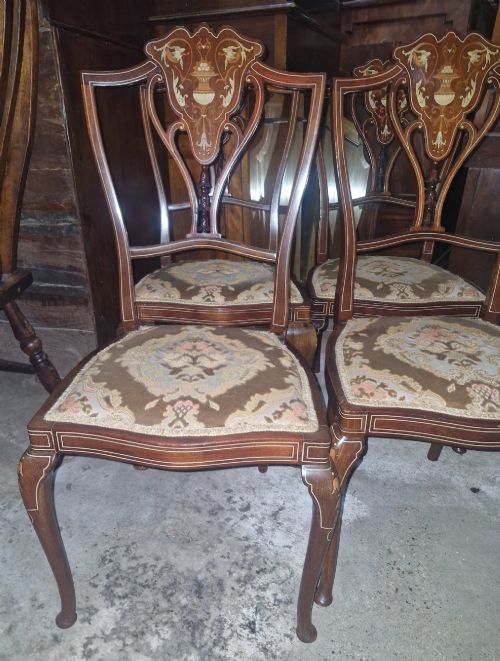
Frames rely primarily on dense hardwoods such as walnut, mahogany, and beech, selected for their ability to hold intricate hand-carved details or smooth curved cabriole legs. Artisans also utilised ebonised finishes, parcel-gilt highlights, and delicate marquetry inlay to enhance the primary timbers.
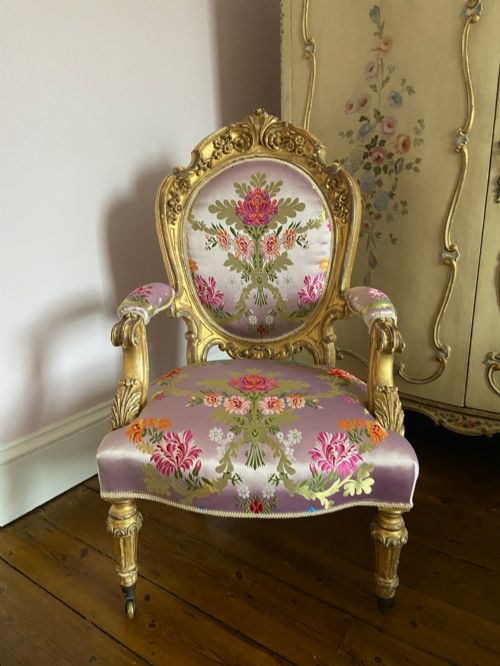
Upholstery techniques combined traditional sprung bases with horsehair or stitched stuffing, finished with textile coverings secured by brass tacking or decorative gimp. French examples often incorporated giltwood frameworks, canework panels, or hand-stitched needlepoint tapestries.
Some Victorian low nursing chairs were intentionally built without arms to accommodate the voluminous crinolines of the era.
What Varies in Quality
The crispness of the wood carving dictates the initial grade of the frame, separating mass-produced assembly from bespoke workshop output. Deeply undercut foliage, balanced proportions, and tight joinery at the stress points mark the upper tiers of craftsmanship.
The integration of the upholstery work defines the finished integrity of the piece, where traditional hand-stitching and appropriate textile selection respect the historical style of the wooden chassis. Superior pieces maintain robust internal webbing and supportive sprung foundations that resist sagging.
Mellier & Co·Holland & Sons
The Upholstered Salon Chair Glossary
- Fauteuil
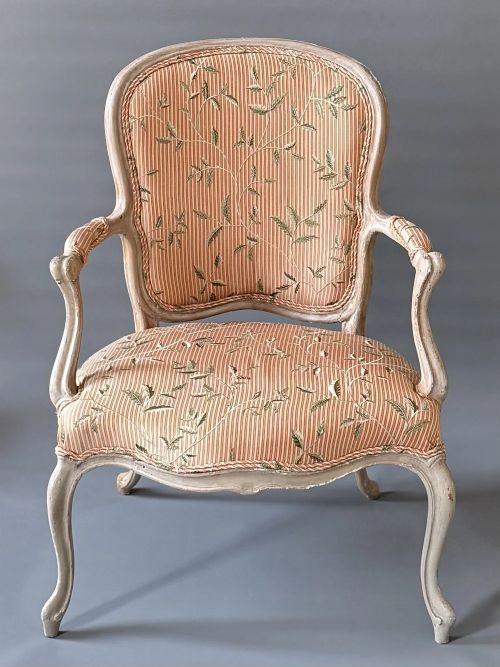
- An open-armed upholstered armchair originating in France. The design leaves the wooden arm supports uncovered by fabric to display the carved timber beneath.
- Spoon back
- A curved, concave upholstered chair back shaped to mirror the human spine. This Victorian form is frequently executed in walnut or mahogany.
- Cabriole leg
- A furniture leg that curves outward at the knee and tapers inward toward the foot. The profile imitates the natural shape of an animal limb.
- Giltwood
- Timber treated with a thin layer of gold leaf or metallic powder applied over a prepared gesso ground. This finish appears widely on continental salon frames.
- Marquetry
- Decorative veneer patterns formed by fitting together small pieces of contrasting woods. Edwardian makers utilised this technique extensively on mahogany salon suites.
Upholstered Salon Chair: Frequently Asked Questions
Where were salon chairs used?
These chairs originally furnished the formal reception rooms, boudoirs, and drawing rooms of large townhouses and country estates. Owners placed them in conversational groups around tables or near fireplaces to accommodate guests.
Today, their moderate scale allows them to function effectively as accent seating in modern living rooms, bedrooms, or reading corners.
How do I identify a Victorian piece?
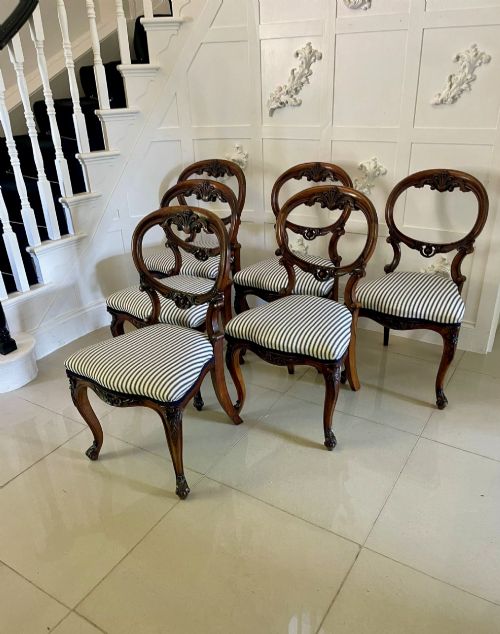
Victorian examples rely heavily on dark timbers like walnut and mahogany, often featuring characteristic shapes such as balloon backs or spoon backs. Carved foliate motifs and heavy cabriole legs are typical markers of the mid-nineteenth century.
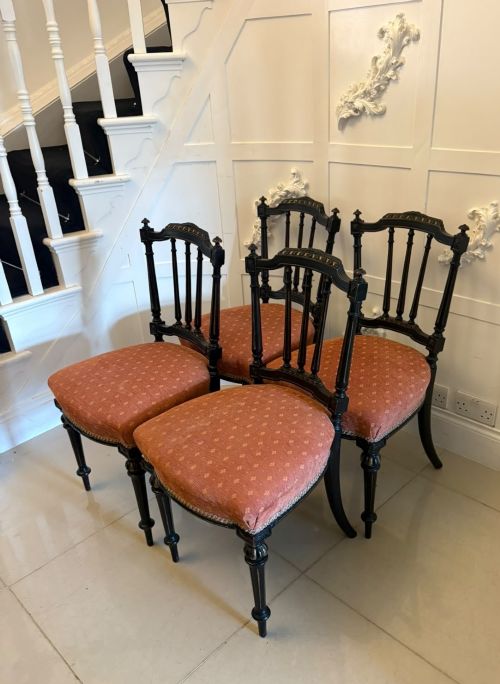
Later Victorian production introduced ebonised finishes and neoclassical revival details, bridging the gap toward the lighter Edwardian aesthetic.
Are French and English chairs different?
French salon seating frequently displays lighter painted finishes, giltwood highlights, and direct references to Louis XV or Louis XVI designs with exposed beech or walnut frames. English equivalents tend to use heavier solid mahogany or walnut with emphasis on structural joinery and button-tufted upholstery.
Both traditions prioritised decorative elegance, though French pieces often lean further into ornate carving and tapestry covers.
How should I care for the upholstery?
Protect the fabric from direct sunlight to prevent fading of historical or modern textile coverings. Regular gentle vacuuming with a soft brush attachment removes surface dust from crevices and tufting.
Treat the exposed wooden frame with appropriate furniture wax, avoiding any contact between chemical polishes and the surrounding fabric.