

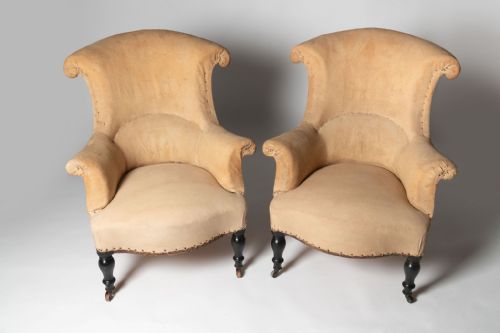
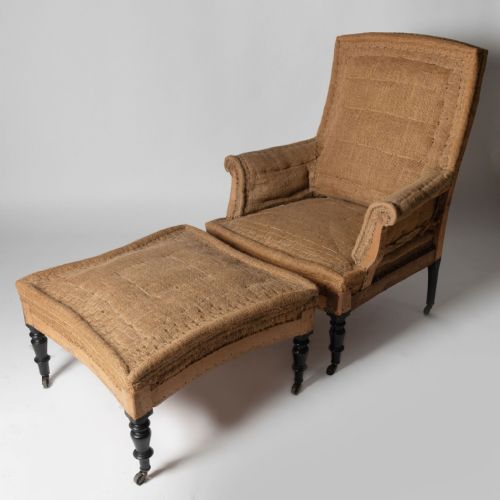
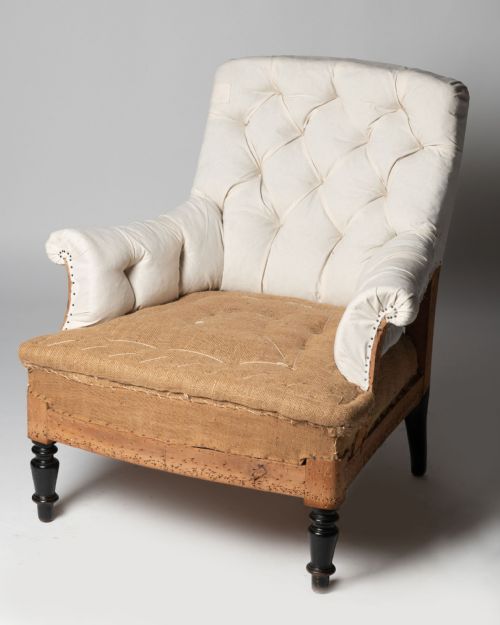
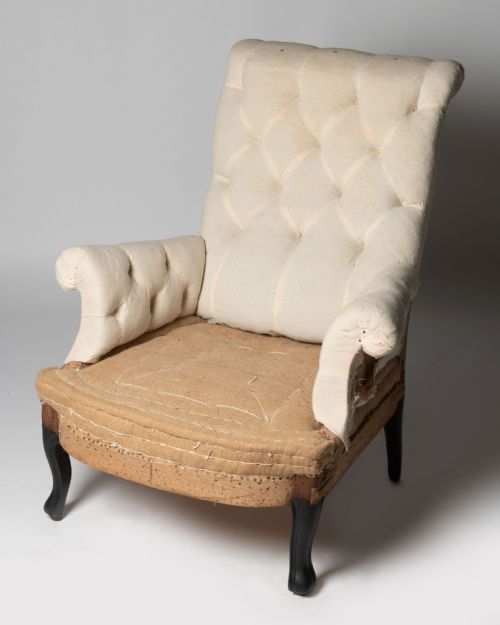

Upholstered Lounge Seating
Upholstered lounge seating brings together centuries of comfortable armchairs, sofas, and daybeds crafted to anchor a room.
Upholstered Lounge Seating
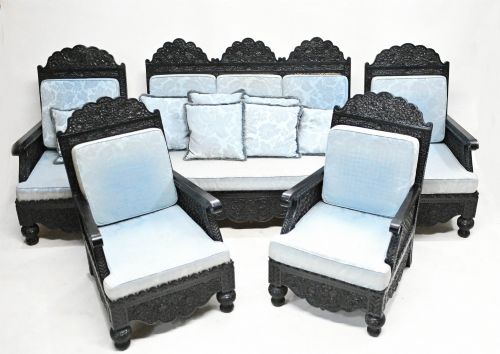
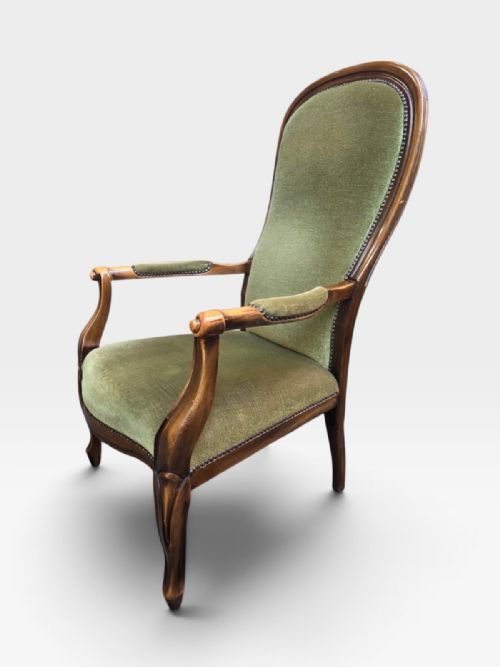
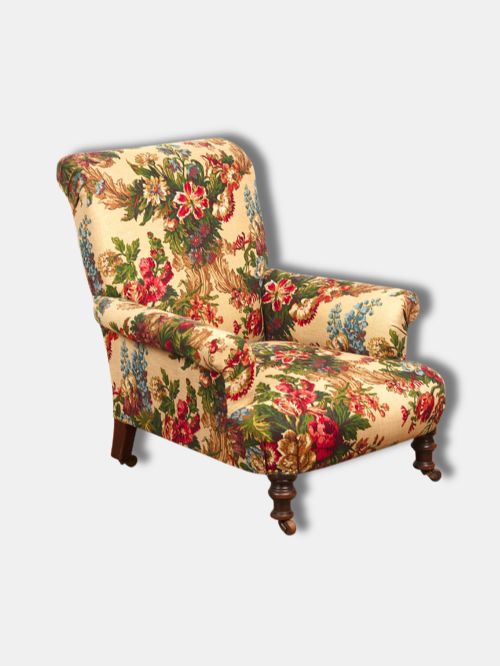
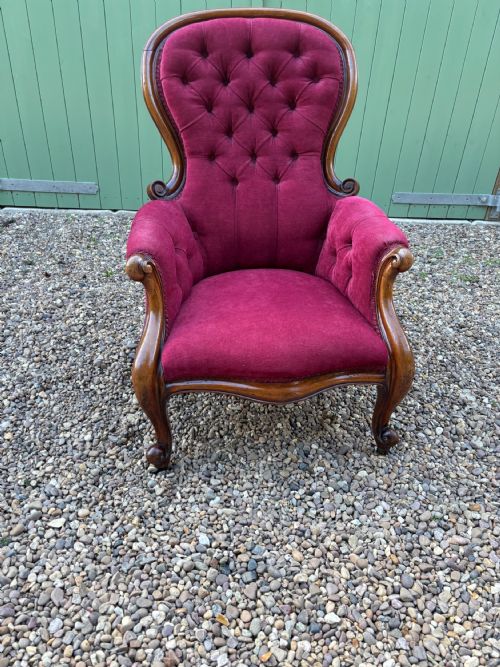
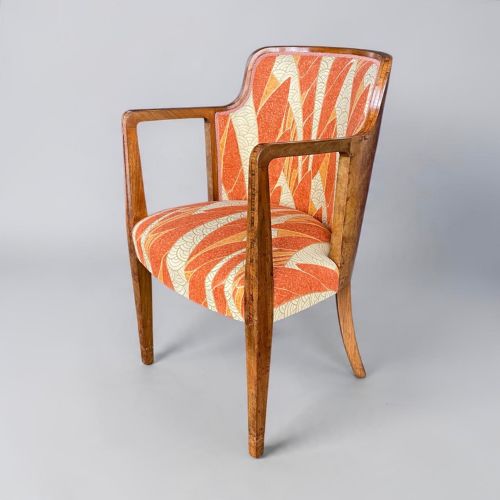
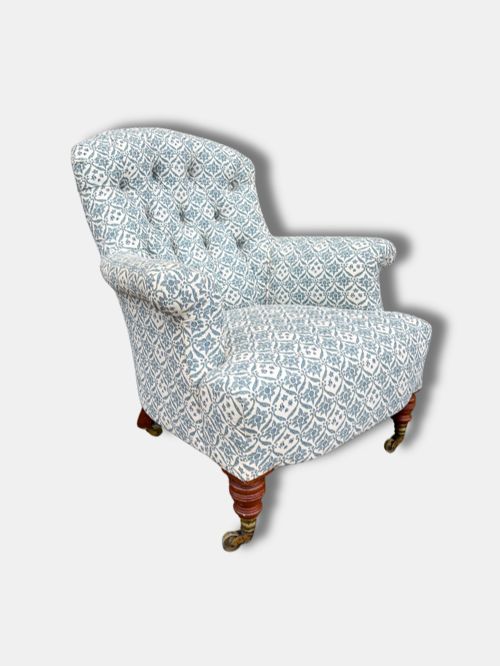
When you search for upholstered lounge seating, you encounter a broad variety of historic forms built for rest and conversation. These pieces span from substantial Victorian button-back armchairs and low country house seats to streamlined Art Deco club chairs and Swedish satin birch bergères.
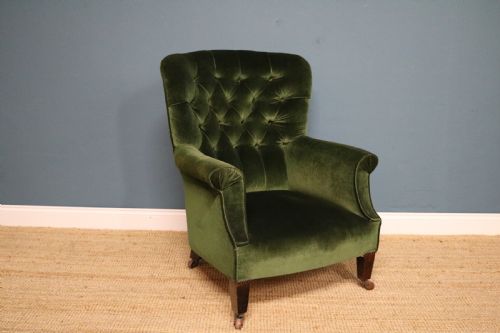
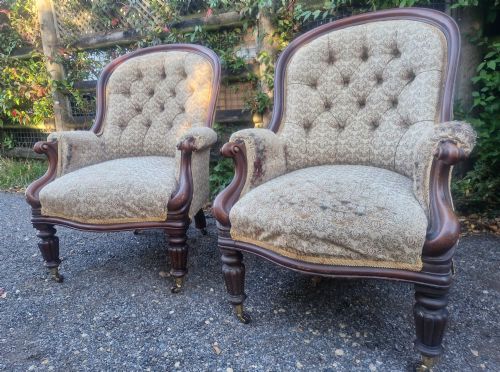
The selections on this page lean heavily towards nineteenth-century Victorian designs and twentieth-century interpretations, frequently featuring substantial frames paired with deep cushioning. You will find individual armchairs, matching pairs, daybeds, and occasional seating suites designed for domestic comfort.
Origins stretch across English workshops, French ateliers, Swedish makers, and Irish cabinet makers, each bringing distinct regional character to the woodwork and upholstery. Whether you encounter a mahogany gentleman's armchair or an oak-framed easy chair, the focus remains squarely on domestic ease.
How They Were Made
Makers built the structural frames of these lounge pieces from durable hardwoods including mahogany, walnut, oak, rosewood, and satin birch, often applying elaborate carving or polished finishes. Supporting elements incorporate brass fittings, split cane work, and cast iron in specific daybed examples.
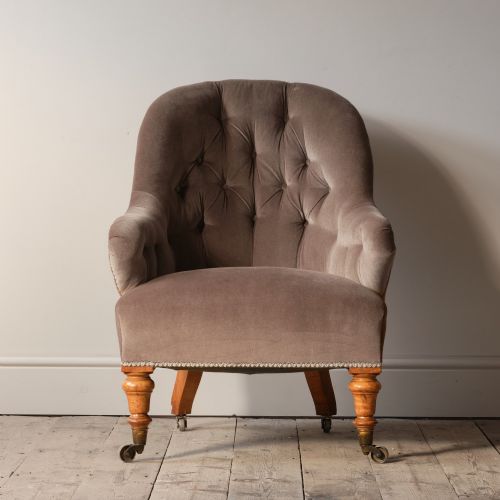
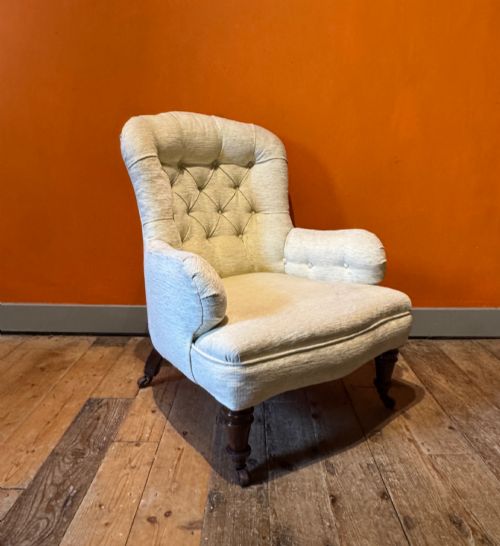
Traditional upholstery relied on foundational materials such as hessian, calico, and robust fabric coverings over supportive springs and stuffing. Buttoning techniques secured the deep padding in place, creating the characteristic tufted surfaces seen on Victorian and Napoleon III models.
Upholstered Lounge Seating Retail Price Guide 2026
Typical asking prices for upholstered lounge seating among the pieces listed under this phrase on Sellingantiques today, from the lower quarter to the upper quarter. They describe what is for sale here now, not the wider market.
Several armchairs incorporate hidden nineteenth-century castors so the master of the house could chase the fading fireplace heat.
What Varies in Quality
The distinction between ordinary and exceptional lounge seating often rests in the integrity of the frame's construction and the precision of the joinery. Heavier hardwoods and robust internal webbing provide a stable foundation that endures decades of daily use without sagging.
Makers who invested time in hand-carved details, matched wood veneers, and maker's stamps achieved a higher level of craftsmanship. The harmony between the original timber frame and the quality of the textile upholstery determines the overall presence of the piece.
Strahan & Co Dublin·Howard and Sons·Whytock and Reid·Morris and Co
The Upholstered Lounge Seating Glossary
- Bergère
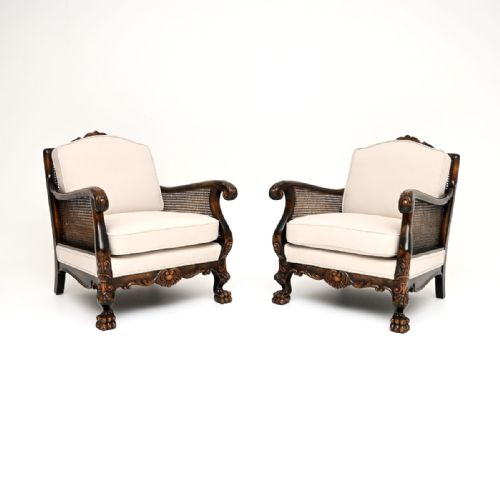
- An enclosed armchair with upholstered sides and a wooden frame, often featuring cane panels. This French seating form gained popularity across various eighteenth and nineteenth-century revival periods.
- Button Back
- An upholstery style where buttons are pulled deep into the padding at regular intervals to form a geometric diamond pattern. This technique secures the internal filling and provides firm back support.
- Daybed
- A long seat designed for reclining, combining the functions of a chair and a bed. Nineteenth-century examples often incorporate cast iron or carved wooden frames.
- Calico
- A plain-woven textile traditionally used as a strong inner lining or base cover beneath decorative outer upholstery fabrics. It provides a stable foundation for horsehair and modern padding.
- Giltwood
- Timber treated with a thin layer of gold leaf or gold paint for decorative effect. It appears frequently on grand nineteenth-century French seating frames.
Upholstered Lounge Seating: Frequently Asked Questions
How do I identify a Victorian armchair?
Victorian armchairs typically feature dark hardwood frames made of walnut or mahogany, often accented with deep button-back upholstery and turned legs.
Look for robust proportions and traditional sprung seats designed for heavy domestic use during the nineteenth century.
What is a bergere chair?
A bergere is a French-style armchair characterised by closed upholstered sides and an exposed wooden frame.
Many examples incorporate woven split cane panels along the back and arms for a lighter visual weight.
How do I care for antique upholstery?
Protect antique fabrics by keeping lounge seating away from direct sunlight to prevent fading and textile degradation.
Regular gentle vacuuming with a soft brush attachment helps remove dust from deep buttoning and crevices without stressing the fabric.
Are Art Deco club chairs comfortable?
Art Deco club chairs from the 1930s prioritize low, deep seating and rounded silhouettes designed specifically for relaxation.
Their generous proportions and substantial padding make them well suited to modern daily lounge use.