

Upholstered Fainting Couch
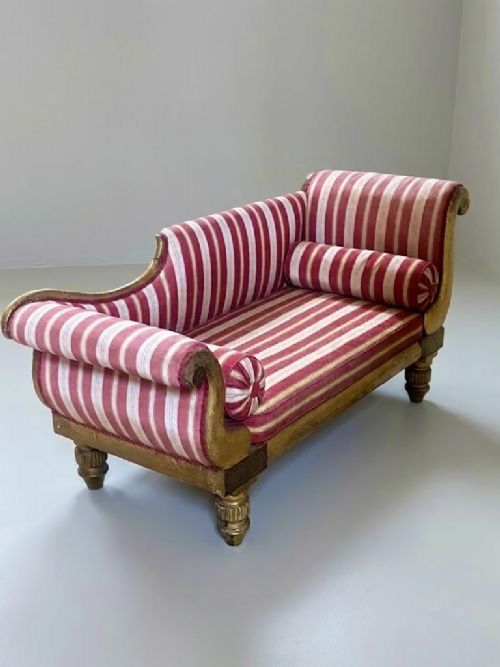
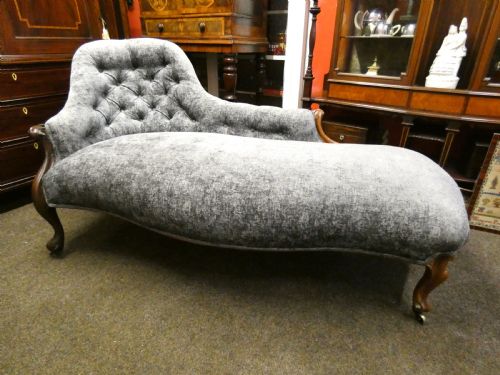
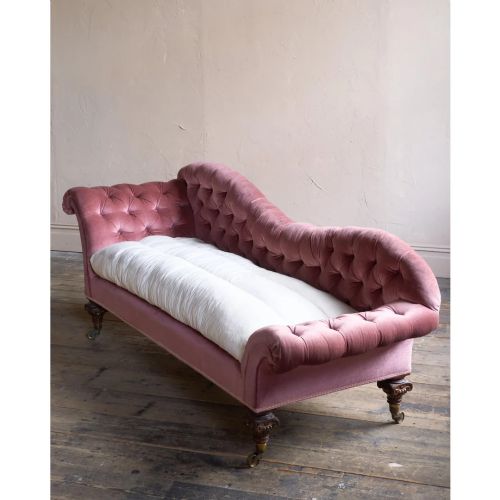
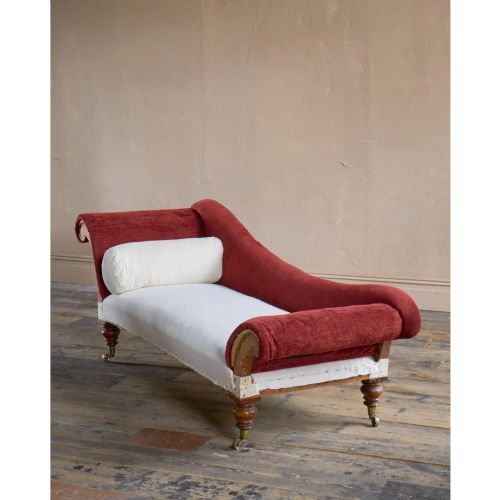
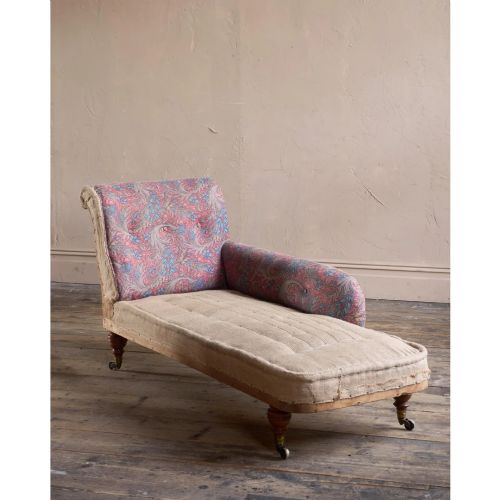
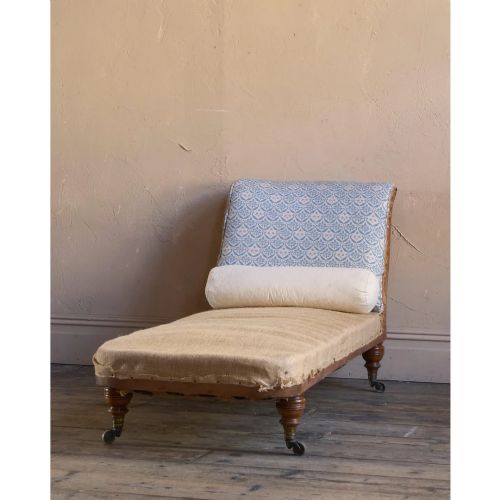
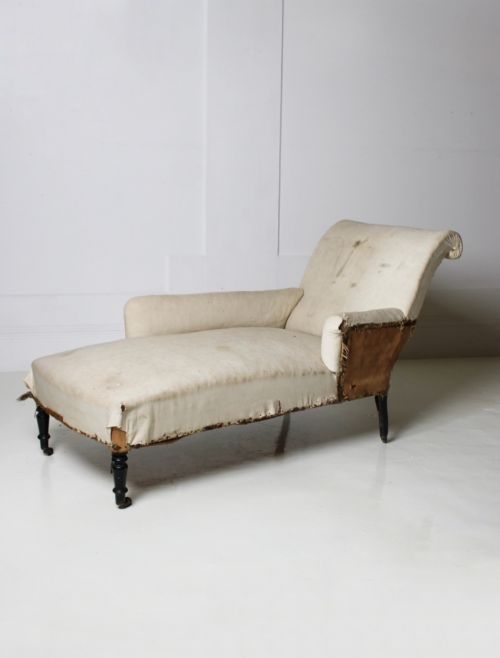
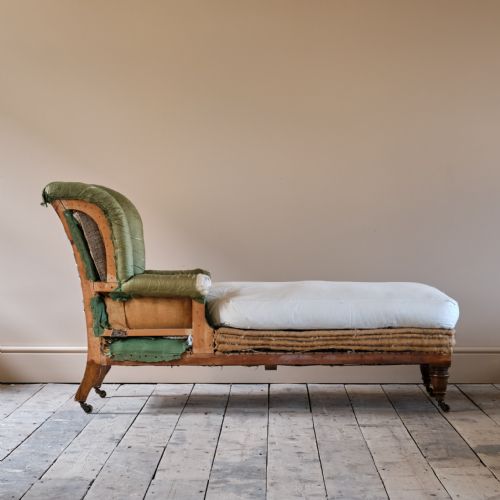
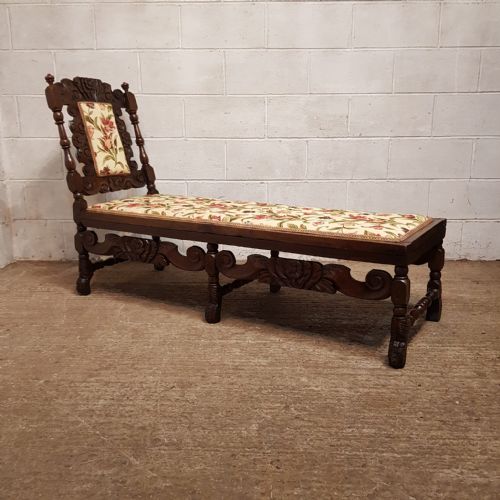
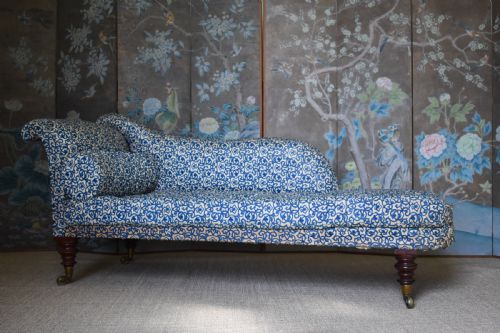
An upholstered fainting couch is a long seated piece designed for reclining, offering a mix of nineteenth century timber frames and soft textile covers.
Upholstered Fainting Couch
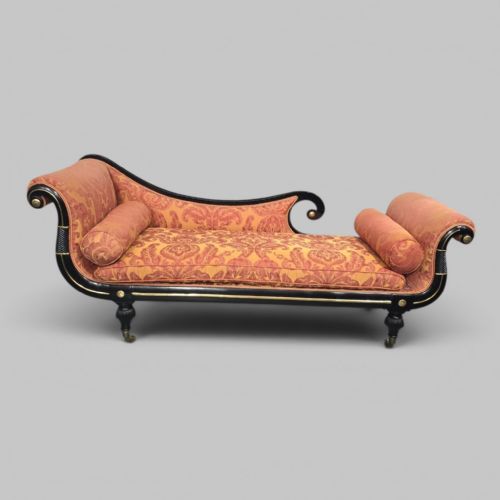
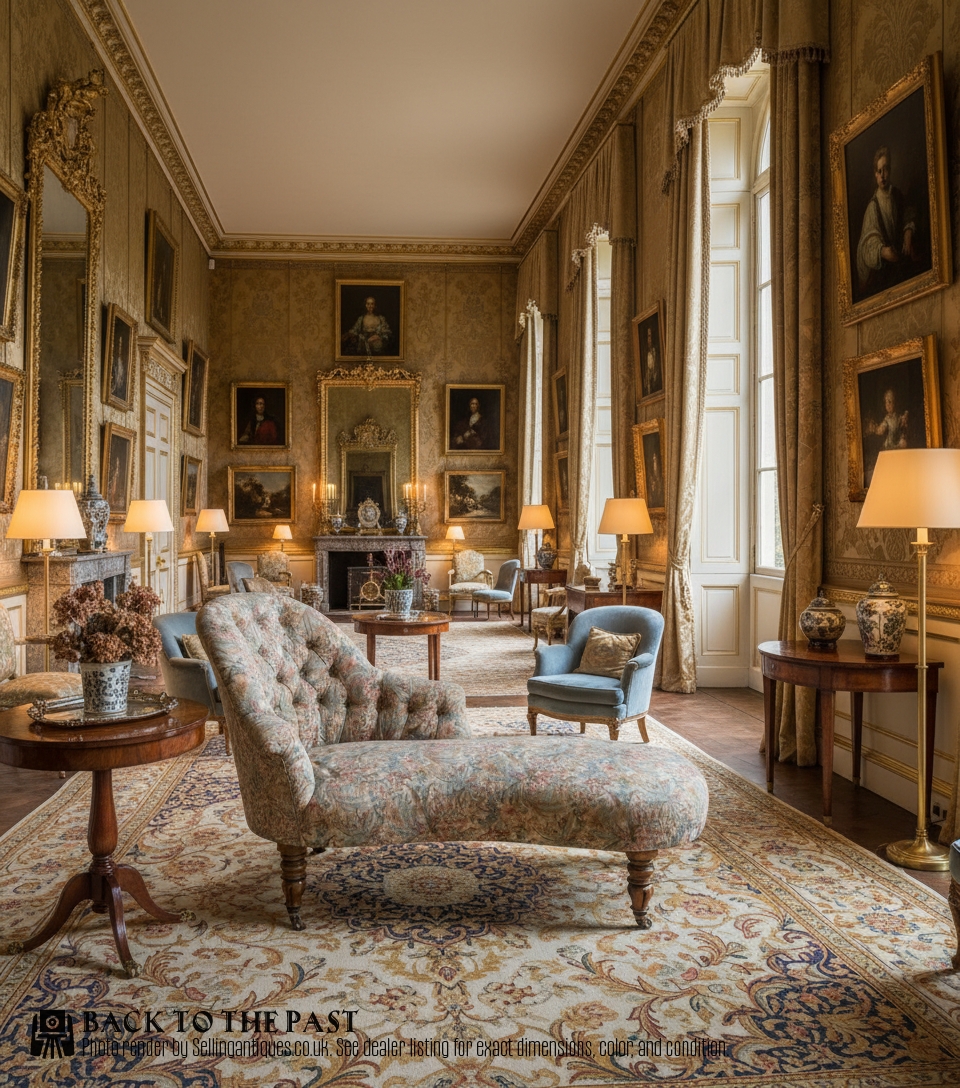
An upholstered fainting couch appears in listings primarily as nineteenth century chaise longues, daybeds, and sofas. These items span periods such as Regency, William IV, Victorian, and Edwardian, alongside specific stylistic revivals like Louis XVI and Napoleon III.
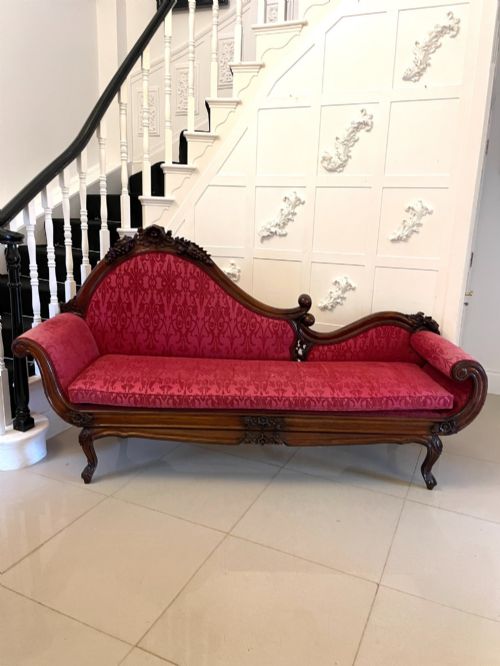
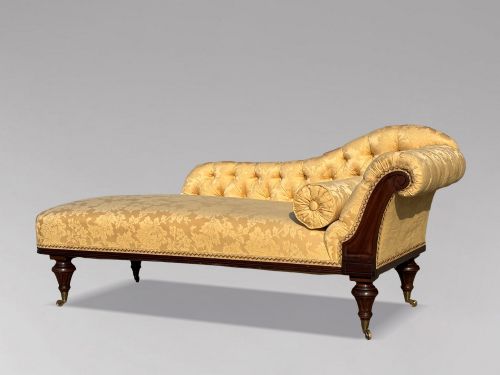
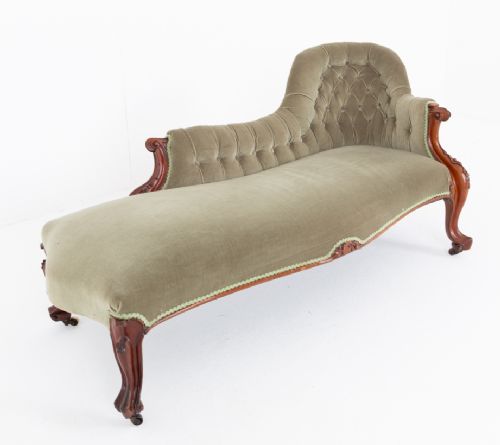
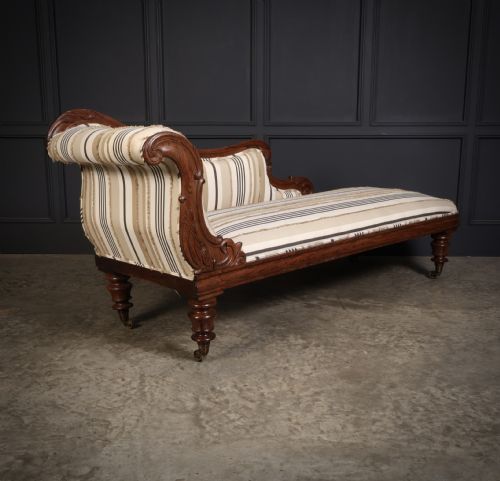
The versions most commonly met on this page are Victorian and nineteenth century mahogany, walnut, or rosewood frames. They take the form of daybeds, scroll arm sofas, and double spoonback designs upholstered in velvet, silk, damask, or general fabric.
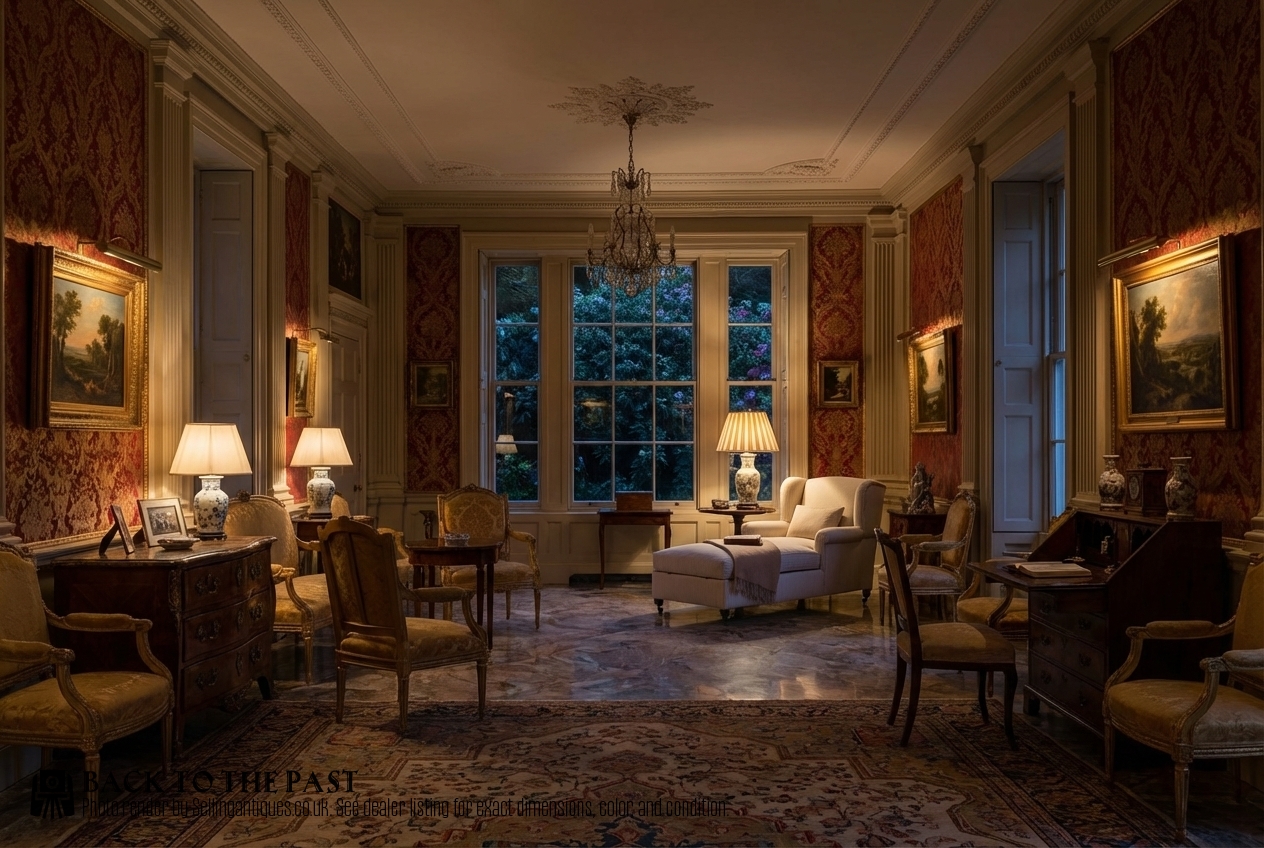
Judging the work
The standard of carving in the wooden frame dictates the distinction between standard production and exceptional examples. Finer pieces demonstrate crisp detail in elements like carved mahogany scroll arms or double spoonbacks.
Material selection and attributed maker craftsmanship separate simpler country house daybeds from pieces carrying maker attribution. Premium items incorporate superior timbers like rosewood alongside high grade silk or velvet upholstery.
Upholstery materials recorded across the site include velvet, silk, damask, calico, and general fabric.
Howard and Sons·Holland and Sons·Jas Shoolbred·H Goodall and Sons
The Upholstered Fainting Couch Glossary
- Chaise longue
- A long seated chair or daybed designed for reclining in a semi-recumbent posture. It combines the backrest of a sofa with the extended seat of a couch.
- Daybed
- An upholstered piece of furniture functioning as both a seat and a bed for resting during daytime hours. These often feature low wooden frames and single elevated headboards.
- Giltwood
- Timber coated with a thin layer of gold leaf or gold paint for decorative effect. This finish appears frequently on Regency and revival framework.
- Castor
- A small wheel mounted on a swivel attached to the bottom of furniture legs for mobility. Original brass examples indicate undisturbed period hardware.
- Damask
- A reversible figured fabric woven on a jacquard loom with patterns formed by contrasting warps and wefts. It provides a durable patterned textile covering for sophisticated seating.
Upholstered Fainting Couch: Frequently Asked Questions
What is an upholstered fainting couch?
An upholstered fainting couch is an elongated seating unit designed for reclining without fully lying down. They bridge the gap between sofas and beds.
Such items emerged strongly during the nineteenth century in forms like the chaise longue and daybed. They use timber frames covered in textiles for domestic lounging.
Where were these couches placed originally?
These pieces sat primarily in formal drawing rooms, libraries, and large country house reception spaces. They served for daytime resting and reading.
Their placement allowed occupants to recline comfortably within communal rooms without retiring to a bedroom. They combined decorative presence with functional utility.
How do I identify a Victorian piece?
Victorian examples typically employ dense timbers like mahogany, walnut, or rosewood. They often showcase deep buttoning, curved wooden backs, and turned legs with brass castors.
Stylistic markers include double spoonback designs and heavy carved ornamentation. These traits separate mid to late nineteenth century output from earlier Regency items.
How do I care for antique upholstery?
Care involves gentle dusting and protection from direct sunlight to preserve delicate textiles like silk and velvet. Environmental stability prevents wood shrinkage and fabric degradation.
Original frames benefit from minimal intervention to maintain their structural integrity. Professional conservation protects antique padding and delicate fabric surfaces over time.