
Upholstered Bench Stool
An upholstered bench stool brings practical seating and textile warmth to a room, spanning long benches to compact footstools.
Upholstered Bench Stool
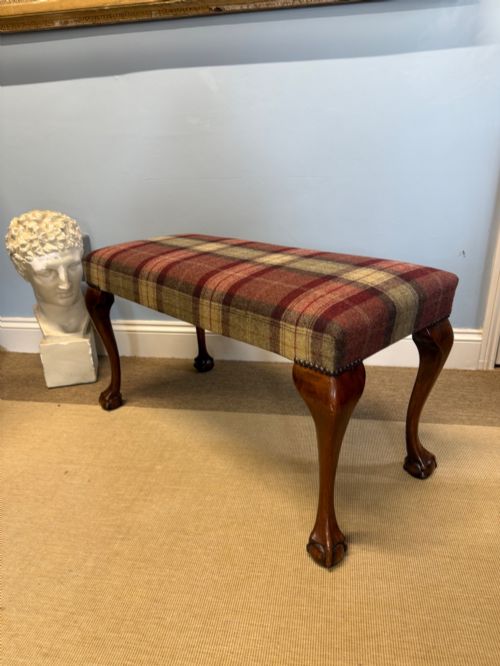
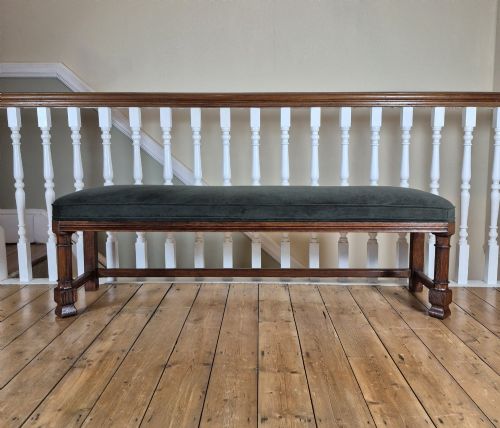
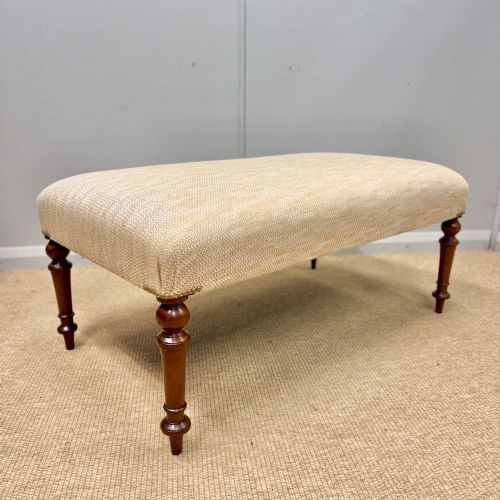
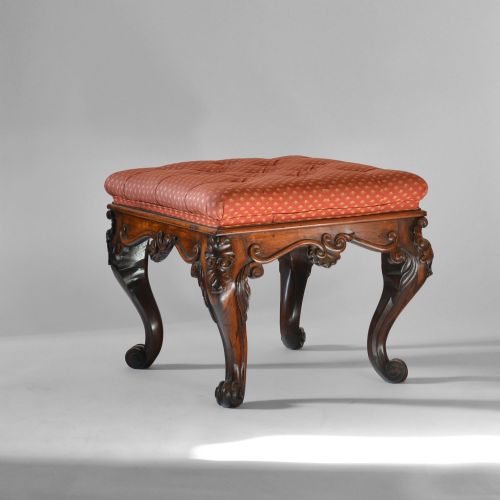
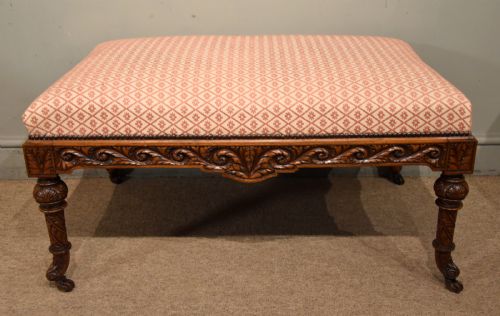
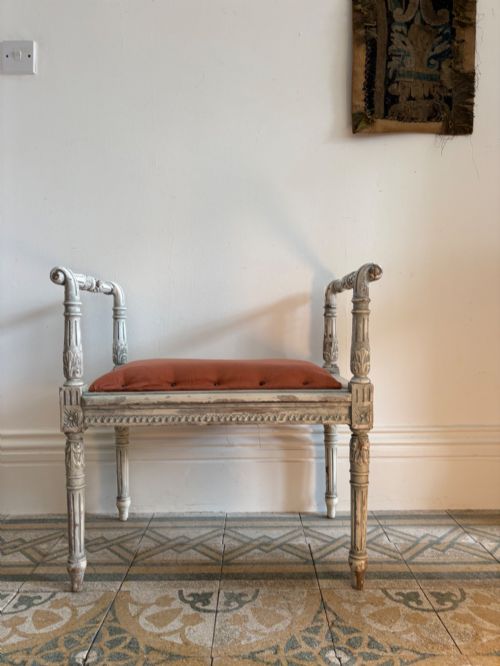
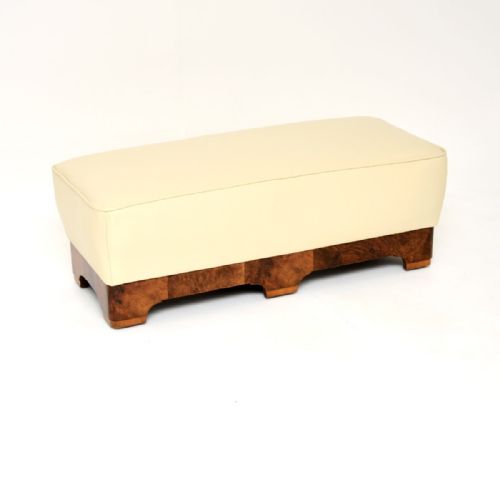
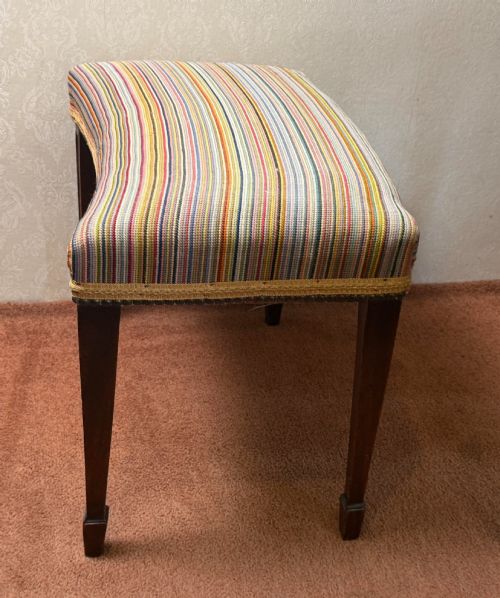
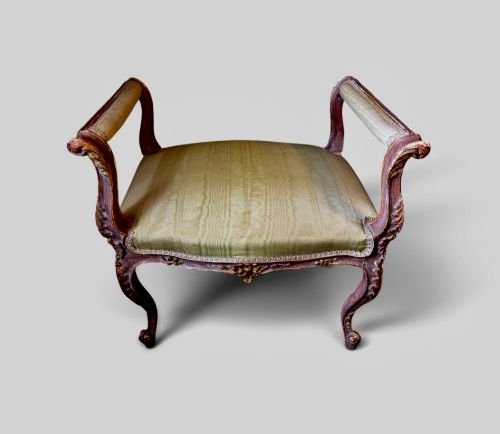
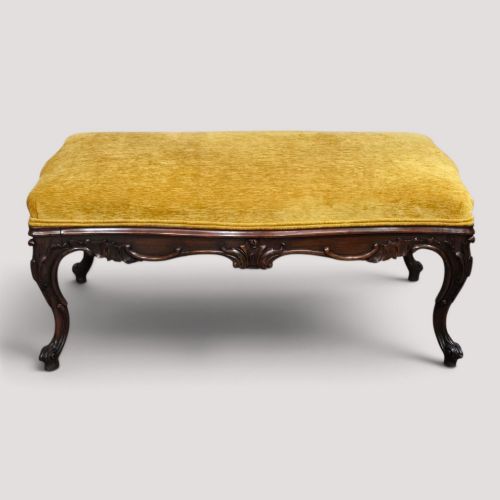
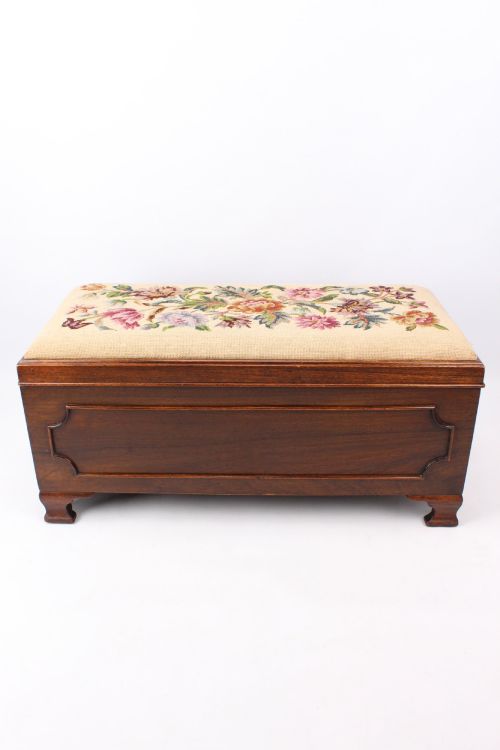
When you search for an upholstered bench stool, you encounter a wide selection of forms, ranging from long nineteenth century window seats and hall benches to compact dressing table stools and footstools. The pieces available draw on periods from the seventeenth century through to Art Deco designs of the 1930s, reflecting diverse historical styles including Regency, Victorian, and Gothic Revival.
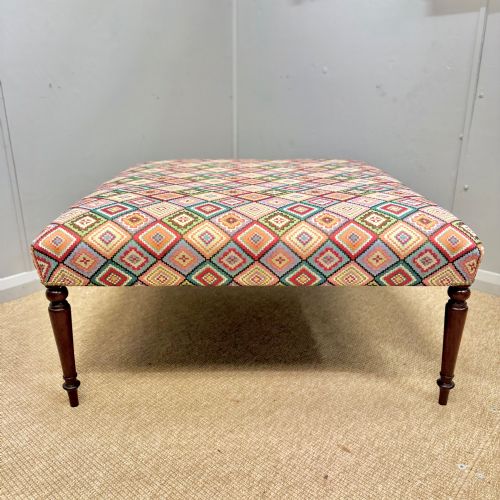
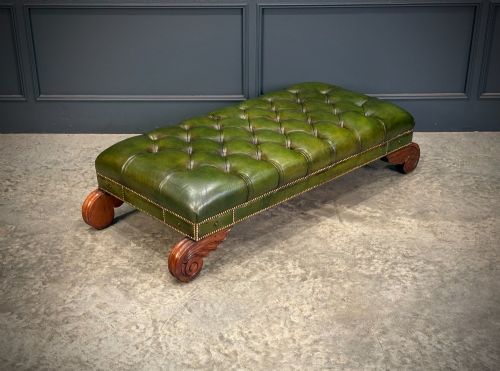
You are most likely to meet nineteenth century mahogany and walnut examples upholstered in fabric, velvet, or leather. These functional items serve variously as piano stools, ottomans, and low seating, uniting sturdy timber frames with cushioned textile tops.
Materials and construction methods
Makers constructed these frames using hardwoods such as mahogany, walnut, rosewood, and oak, alongside painted pine, giltwood, and ebonised timber. Joinery methods varied according to period, supporting carved cabriole legs, square tapering legs, and turned supports.
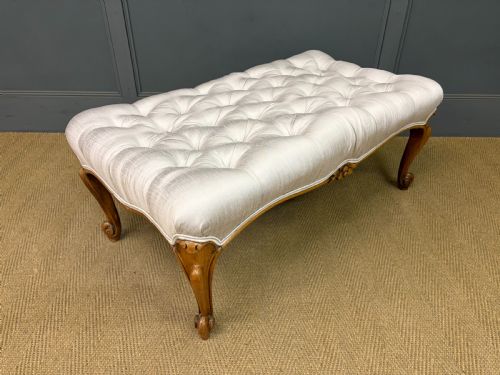
Upholstery methods utilised traditional textiles including silk, wool, needlework, and leather, frequently secured with buttoning or braid trimming. Brass and cane details also appear across specific pieces, combining structural timberwork with soft seating surfaces.
Among the diverse seating, a lone piano stool waits patiently to accompany centuries of enthusiastic parlour scales.
Distinctions in quality and execution
The standard of a piece rests in the crispness of timber carving, the proportion of the frame, and the integrity of the underlying joinery. Fine examples display well-figured grain in woods like rosewood and walnut, alongside balanced proportions in architectural forms such as window seats.
The refinement of the upholstery finish distinguishes superior pieces, noting the precision of buttoning, the choice of textile, and the harmony between the period of the frame and its covering.
The Upholstered Bench Stool Glossary
- Cabriole leg
- A furniture leg that curves out and then in, resembling an animal's leg. This form appears frequently on walnut and mahogany stools from the Victorian period.
- Giltwood
- Timber treated with gold leaf or gilt preparation to create a decorative metallic surface. This material characterises ornate window seats and Continental style stools.
- Ottoman
- A low upholstered seat or bench without arms or a back, often featuring internal storage space. These pieces frequently incorporate needlework or fabric tops.
- Cross stretcher
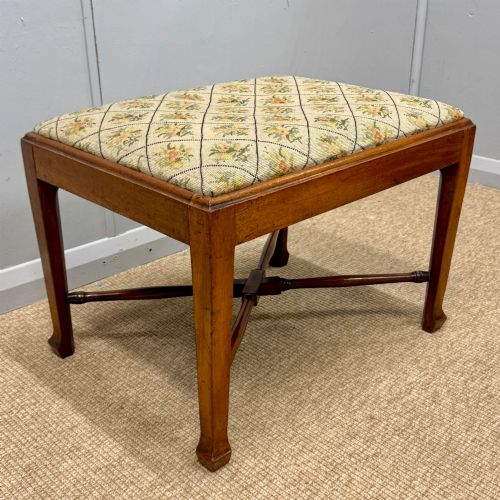
- Wooden bracing members connecting the legs of a stool near the base for added stability. They are common on larger dressing table stools and benches.
- Buttoned
- An upholstery technique where indentations are formed by pulling ties through the padding and securing them with buttons. This creates a geometric diamond pattern on leather or fabric seats.
Upholstered Bench Stool: Frequently Asked Questions
How are bench stools used historically?
These pieces served multiple domestic functions, from piano seating and dressing table perches to long window seats and hallway benches. Their compact or elongated forms allowed them to fit easily into bedrooms, drawing rooms, and parlours.
They provided flexible seating arrangements that could be moved around a room as needed, combining decorative timber frames with comfortable padded surfaces for daily use.
How do I identify a Victorian stool?
Victorian examples frequently utilise walnut or rosewood, displaying carved cabriole legs, buttoned upholstery, and robust frames. They often align with revival styles like Rococo or Gothic.
Checking the timber beneath the upholstery and examining the turning of the legs helps confirm nineteenth century manufacturing techniques.
What is a window seat?
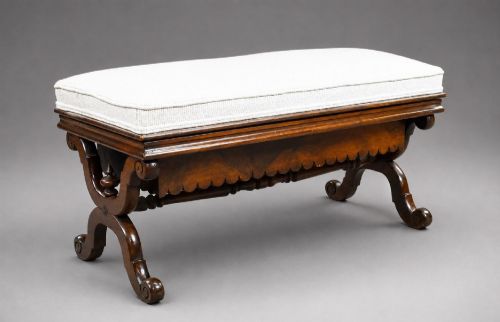
A window seat is an elongated bench stool designed to fit beneath a window recess, featuring an upholstered top and often end arms. Surviving examples include Regency rosewood models and later giltwood designs.
These pieces combine decorative frames with low profiles, making them suited for placement against walls or beneath sills.