




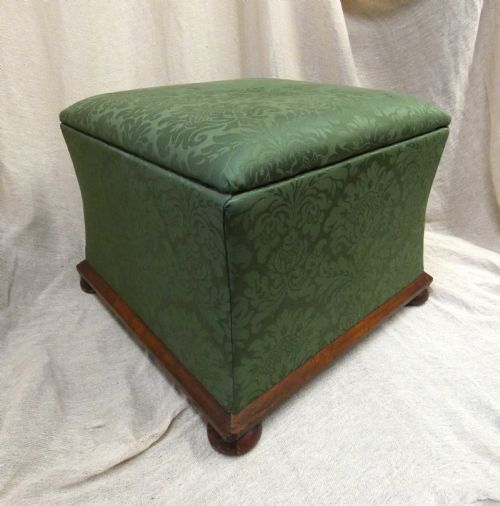


Traditional Padded Stool
A traditional padded stool brings tactile warmth to a room, offering low-slung seating or a place to rest tired feet.
Traditional Padded Stool
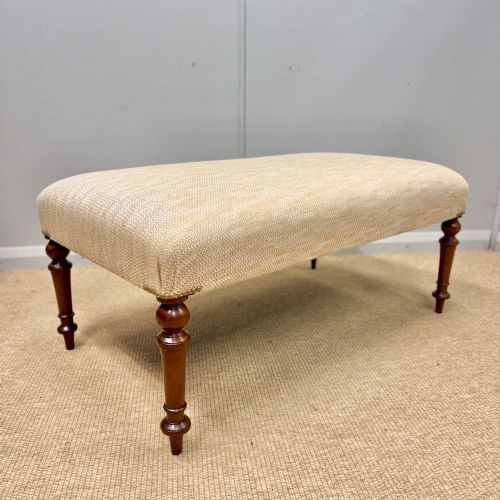
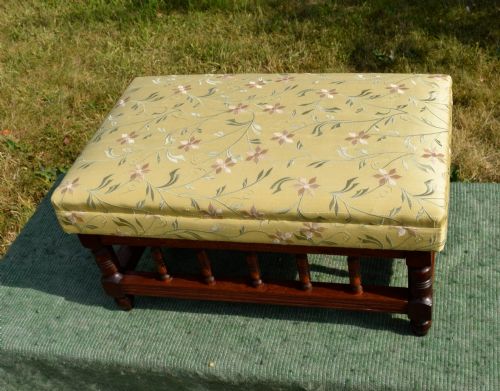
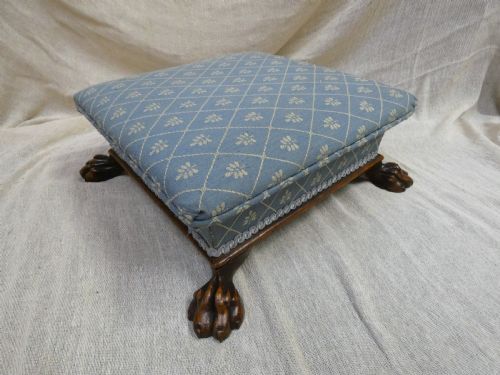
A traditional padded stool encompasses a wide family of low seating forms, spanning footstools, ottomans, piano duet benches and dressing table seats. Buyers seeking a traditional padded stool will encounter pieces originating from the nineteenth and early twentieth centuries, reflecting diverse periods such as the Victorian and Edwardian eras.
What varies in quality
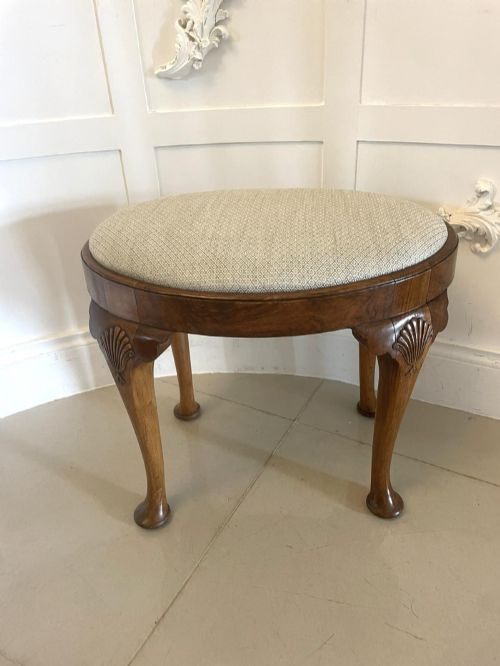
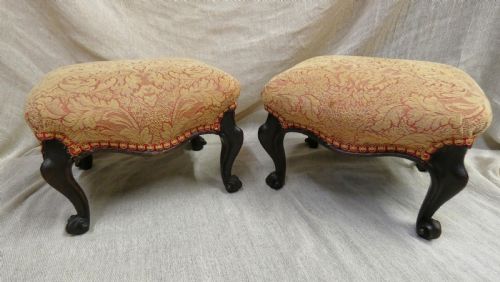
The refinement of the woodwork distinguishes different grades of execution, separating standard workshop output from finely carved revival pieces with well-proportioned cabriole legs or detailed framing. The integrity of the underlying timber frame and the substance of the chosen hardwood dictate structural longevity.
Upholstery standards depend on the fidelity of the padding and the character of the textile covering, whether retaining original fabric or displaying skilled recent re-covering in quality linen or leather. The presence of functional period additions, such as brass castors or hinged storage seats, influences the overall coherence of the piece.
Several library foot stools arrived in pairs, built sturdy enough to double as emergency seating when the scholarly debate grew crowded.
Howard and Sons
The Traditional Padded Stool Glossary
- Cabriole leg
- A furniture leg that curves outward at the knee and tapers inward toward the ankle, ending in a pad or hoof foot. This form derives from ancient motifs and became prominent during the eighteenth century before seeing frequent revival in later periods.
- Duet stool
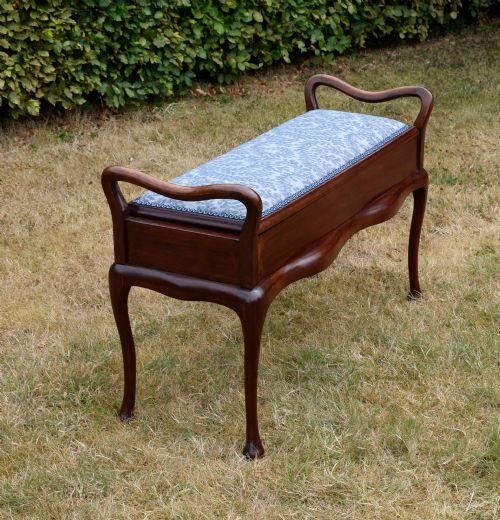
- An extended bench designed to seat two piano players side by side. These pieces often incorporate hinged seats that open to reveal internal storage space for sheet music.
- Ebonised
- Wood treated with a chemical process or dark finish to imitate ebony. This technique gained immense popularity during the Victorian era for formal or decorative seating.
- Joint stool
- A sturdy, mortise-and-tenon framed wooden stool constructed by joiners rather than turners. These early forms typically feature straight legs connected by low stretchers.
- Herringbone
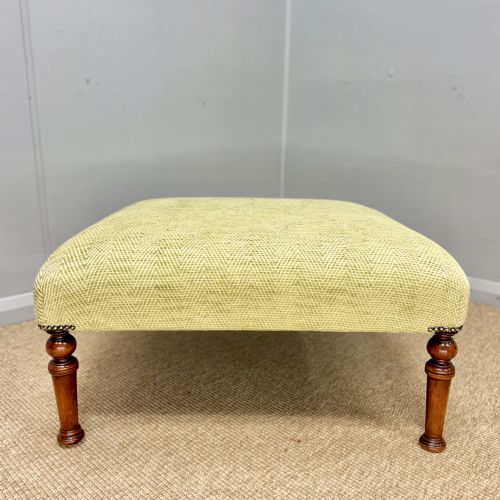
- A V-shaped weaving pattern that creates a distinctive zigzag motif. This textile arrangement adds texture and visual structure to upholstered furniture surfaces.
Traditional Padded Stool: Frequently Asked Questions
How were piano stools used?
Piano stools provided adjustable or extended seating for musicians practicing keyboard instruments alone or in pairs. Duet variants accommodated two players simultaneously during performances.
Many examples included hinged seats that lifted to store sheet music and instructional books underneath. Their sturdy frames were designed to withstand frequent shifting and movement.
How do I identify Victorian stools?
Victorian stools often feature dense hardwoods like mahogany and walnut, frequently finished with deep buttoning or heavy textile upholstery. Common details include turned legs, brass castors, and ebonised wooden frames.
Stylistic influences from this era range from ornate buttoned leather centre pieces to whimsical Art Nouveau footstools. Examining the timber construction and upholstery tacking helps confirm the nineteenth-century origin.
Where should I place a large ottoman?
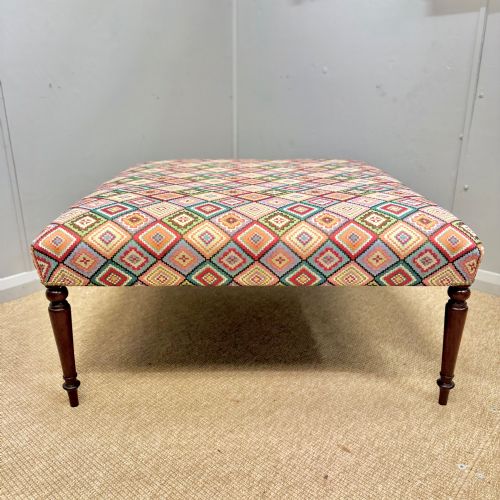
Large ottomans suit central positions in spacious reception rooms, functioning as flexible surfaces for resting feet or placing trays. They anchor seating arrangements in traditional country house interiors.
Sufficient surrounding floor space allows easy movement around oblong or square proportions. Their padded tops introduce tactile softness to rooms dominated by wooden furniture.
What are Chippendale style stools?
Chippendale style stools draw inspiration from eighteenth-century cabinet maker Thomas Chippendale, featuring carved wooden framing and elegant leg forms. These pieces often showcase rich mahogany construction with meticulous detailing.
Revived during the nineteenth and early twentieth centuries, they bring classical proportions to domestic interiors. Their upholstered tops pair formal aesthetics with everyday utility.