
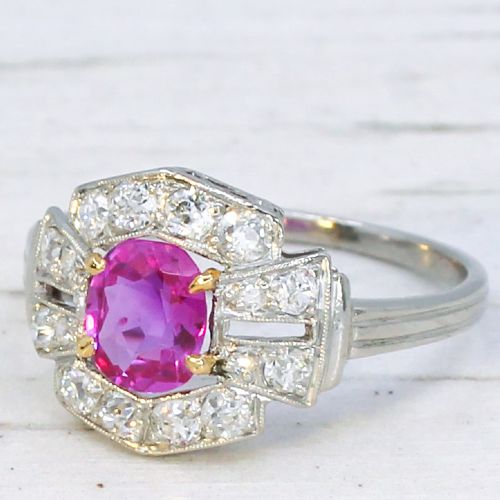


Unheated Sapphire Ring
An unheated sapphire ring brings a natural, untreated gemstone to the hand, valued for earth-formed clarity and colour.

Unheated Sapphire Ring
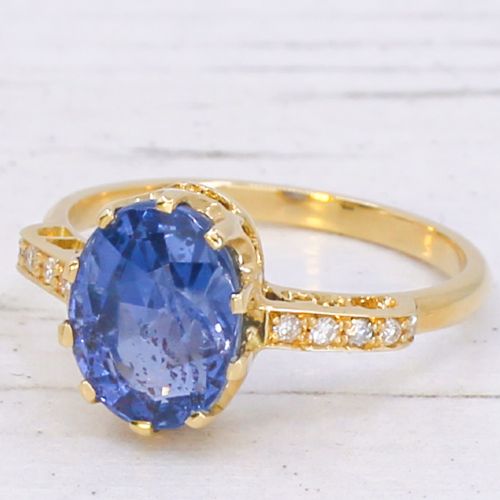
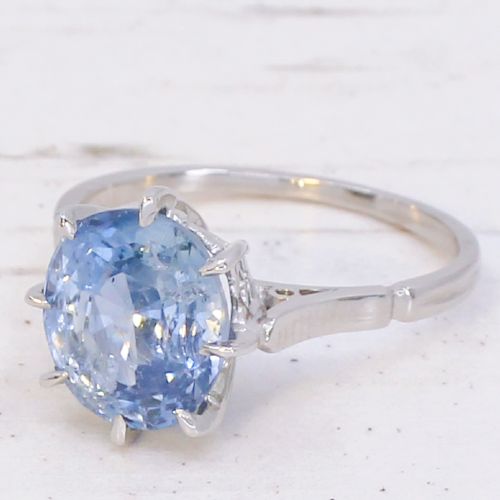
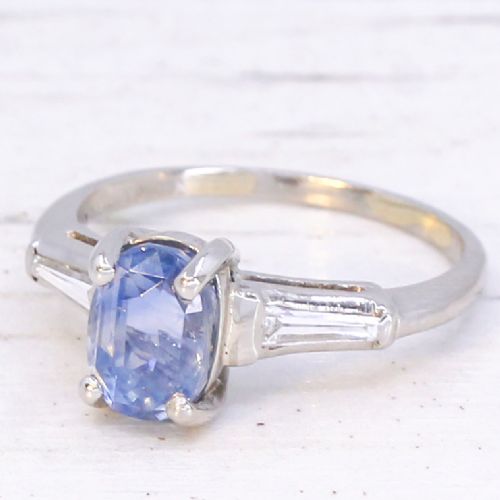
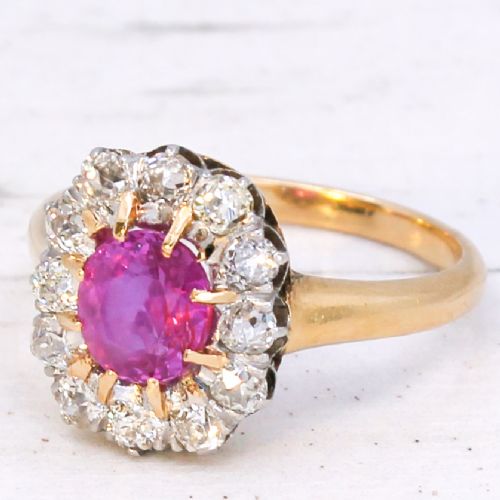
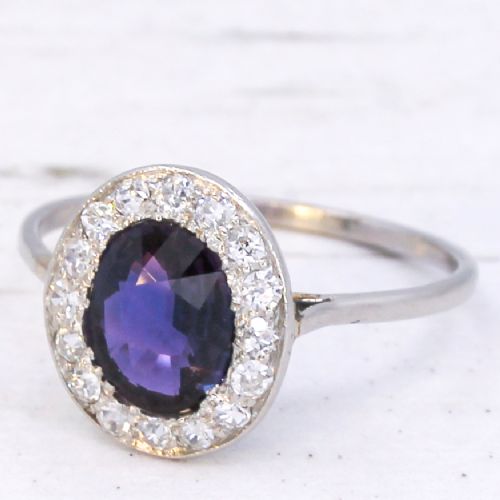
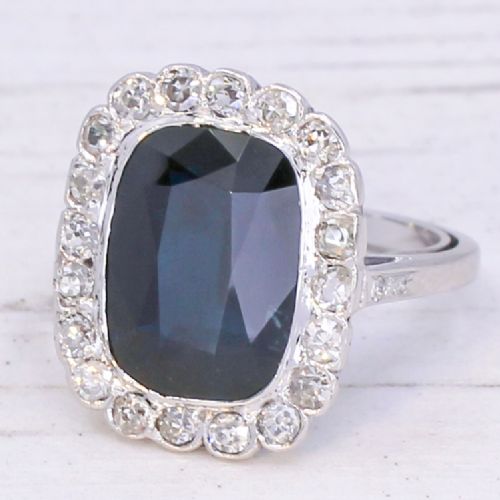
An unheated sapphire ring focuses attention on natural gemstones that have undergone no artificial thermal enhancement to improve colour or clarity. The pieces encountered here span several decades and styles, including Edwardian, Art Deco, and Mid-Century designs.
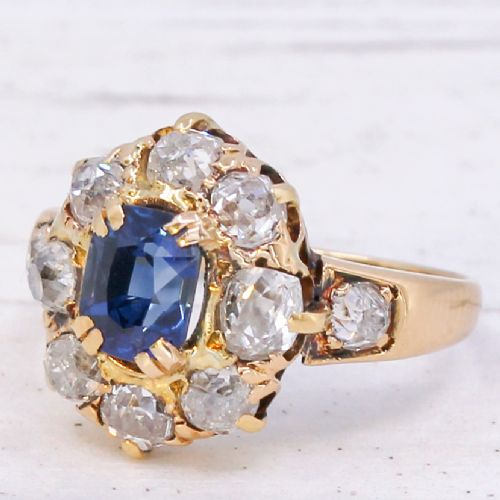
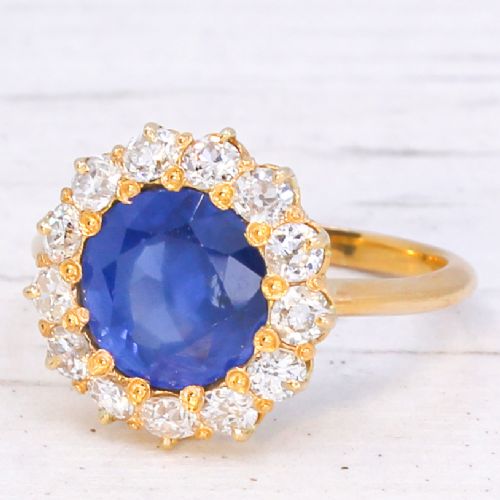
The sapphire forms the centrepiece, frequently paired with diamonds in cluster or three-stone configurations, or presented alone as a solitaire. Stones originate from notable historical sources such as Ceylon, Burma, and Kashmir, displaying a wide spectrum including blue, pink, yellow, green, and purple hues.
Materials and Techniques
Goldsmiths set these natural sapphires primarily in platinum, yellow gold, white gold, and silver. Metal selection shifts across periods, with platinum and white metals favoured during the Edwardian and Art Deco eras for intricate millegrain work and delicate settings.
Diamonds accompanying the central sapphire are predominantly old-cut or brilliant-cut, secured in claw or cluster arrangements. Cabochon cuts appear alongside faceted stones, displaying rounded surfaces that highlight the optical properties of the material.
Unheated Sapphire Ring Retail Price Guide 2026
Typical asking prices for unheated sapphire ring among the pieces listed under this phrase on Sellingantiques today, from the lower quarter to the upper quarter. They describe what is for sale here now, not the wider market.
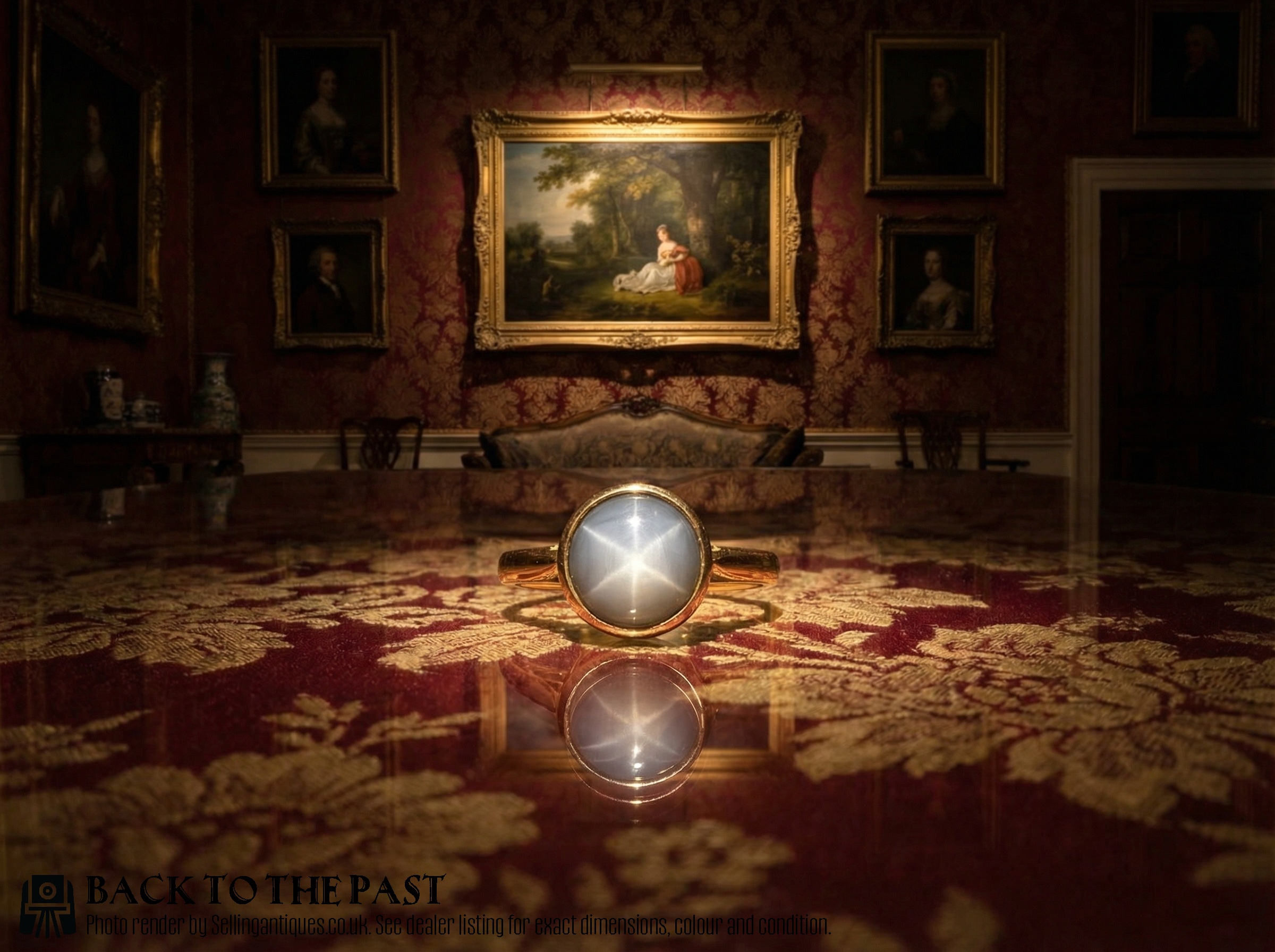
Star sapphires capture light to display a floating six-point asterisk, creating an optical illusion within the dome.
Quality Variations
The distinction between tiers rests upon the origin and the inherent qualities of the sapphire itself, such as saturation, tone, and crystal purity. Stones possessing geographic provenance from regions like Kashmir or Burma command significant attention.
Execution of the surrounding metalwork and the integration of supporting diamonds contribute to the overall standard of the piece. Hand-finished details in period mountings demonstrate the skill of the original maker.

The Unheated Sapphire Ring Glossary
- Unheated
- A gemstone that has not undergone thermal treatment to alter its natural colour or clarity. This condition is verified through laboratory testing.
- Ceylon Sapphire
- A sapphire originating from Sri Lanka, traditionally recognised for vibrant blue or pastel tones. These stones often exhibit high brilliance.
- Cluster Ring
- A ring style featuring a central gemstone encircled by a group of smaller stones, typically diamonds. This arrangement maximises light reflection.
- Cabochon
- A gemstone shaped and polished with a smooth, rounded dome rather than faceted surfaces. This cut is frequently utilised for star sapphires.
- Old Cut
- A historic diamond cut featuring a smaller table, higher crown, and open culet. These cuts were shaped by hand before modern proportions were standardised.
Unheated Sapphire Ring: Frequently Asked Questions
What makes an unheated sapphire ring different?
An unheated sapphire ring contains a stone that has not undergone human-induced heat treatment to improve its appearance. This natural state is confirmed through gemological certification.
Buyers choose these rings for their genuine earth-formed characteristics and historical scarcity. Each stone retains its original chemical composition and internal inclusions.
How do I identify an Art Deco unheated sapphire ring?
Art Deco pieces typically display geometric motifs, symmetrical lines, and precise arrangements of calibré-cut stones. Platinum is frequently utilised to create strong, slender settings.
These rings often feature step-cut or round sapphires contrasted with old-cut diamonds. The overall aesthetic reflects the architectural and design trends of the 1920s and 1930s.
Are these rings suitable for daily wear?
Sapphires possess a high hardness rating on the Mohs scale, making them durable enough for regular use. Prongs and settings require periodic inspection by a jeweller to ensure stones remain secure.
Historic mountings from the Edwardian or Victorian periods need gentle handling compared to modern settings. Removing the ring during heavy manual tasks preserves the integrity of the gold or platinum.
Where did these sapphires originate?
Historical deposits recorded in these pieces include Ceylon, Burma, and Kashmir. Each region imparts distinct visual characteristics to the gemstone.
Ceylon stones often display bright brilliance, while Burmese and Kashmir origins are historically associated with deep saturation and velvety textures.