

Two Tier Display Stand
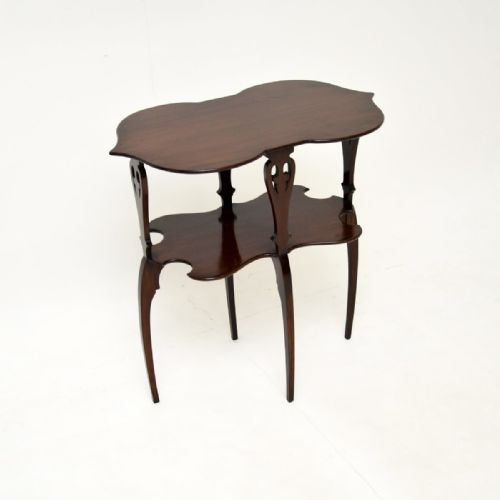
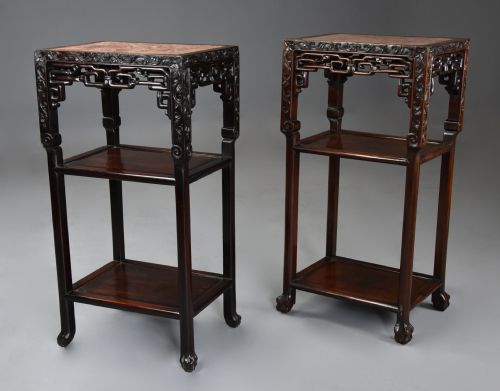
A two tier display stand offers stepped vertical surfaces for showing small objects, combining utility with decorative presence across various historic styles.
Two Tier Display Stand
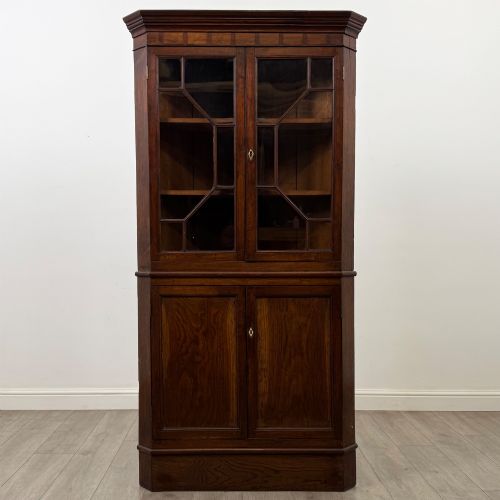
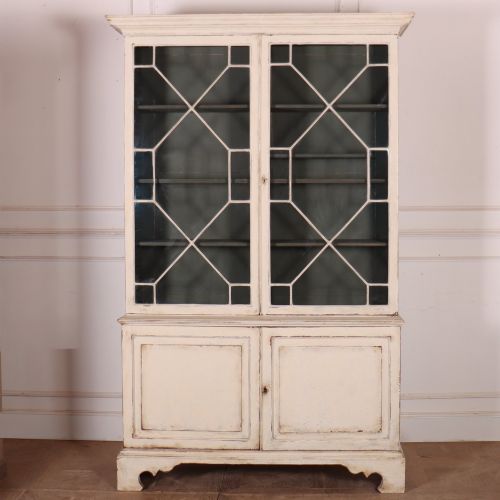
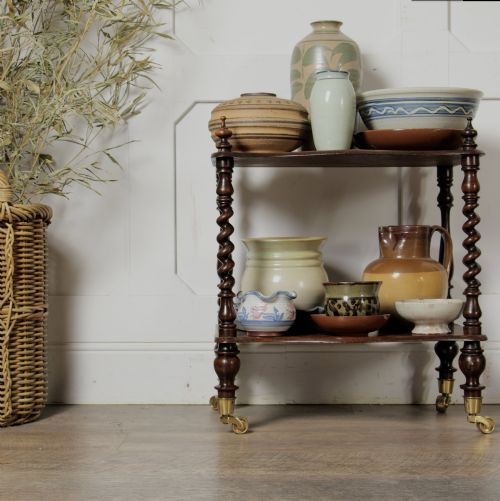
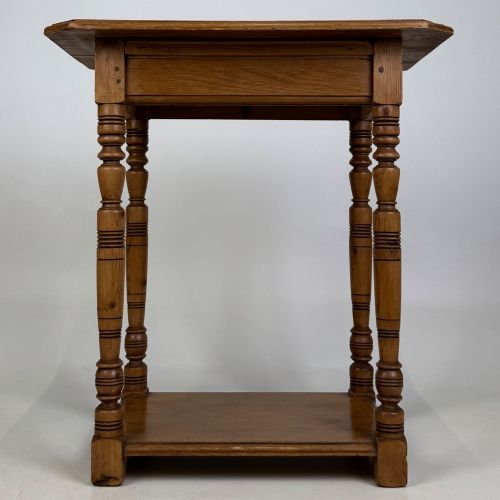
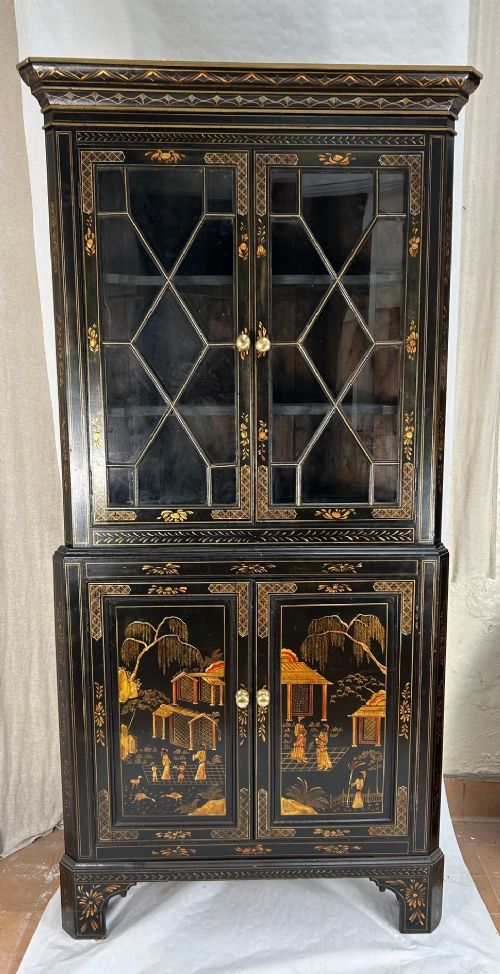
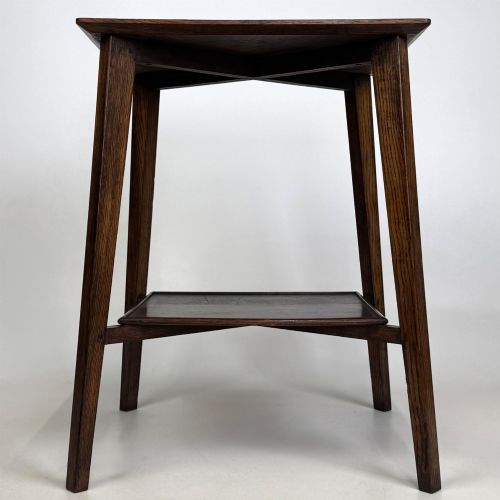
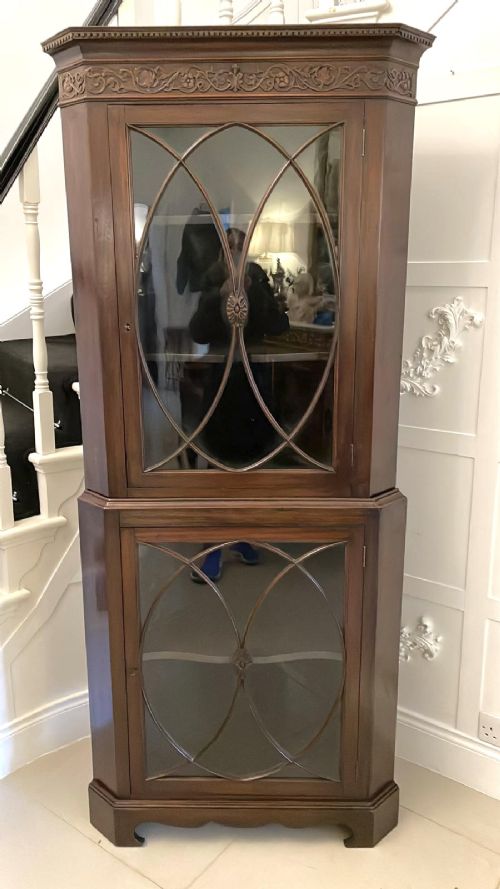
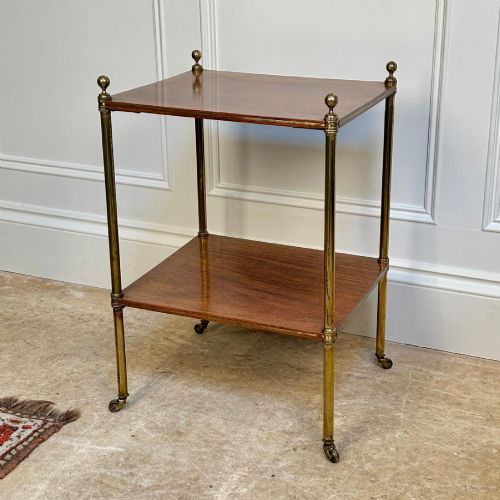
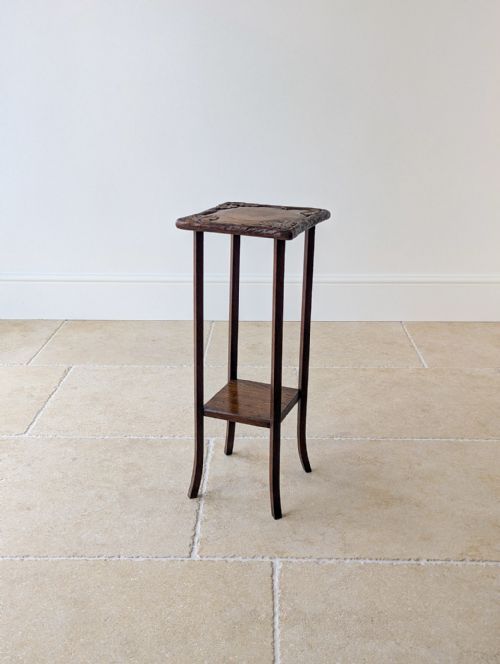
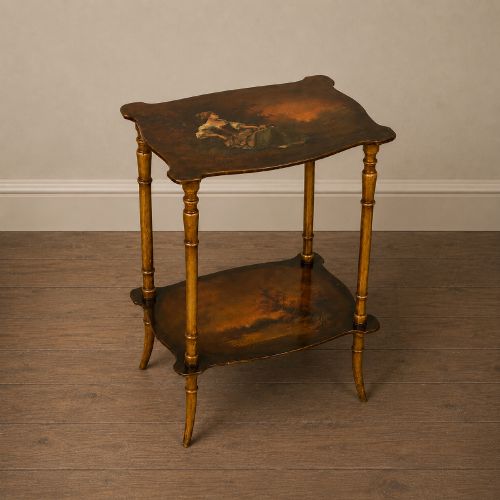
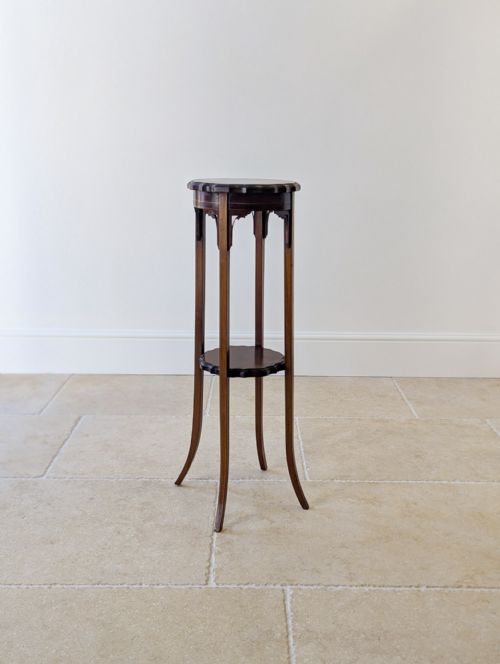
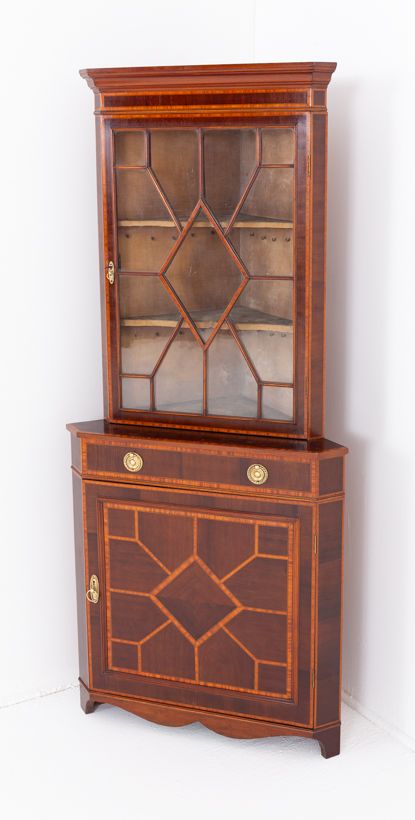
A two tier display stand serves to elevate ornaments or everyday items across multiple horizontal planes. When exploring this phrase, buyers encounter forms ranging from occasional tables and etageres to plant stands and small bookcases. These pieces originate primarily from the Victorian and Edwardian eras, alongside earlier Georgian and later pieces.
The materials span traditional hardwoods like mahogany, oak, and rosewood, often enhanced with brass or glass elements. Construction styles vary from Arts and Crafts simplicity to Sheraton Revival inlay and French marquetry. This creates options suitable for placement beside seating or in corners.
The selection includes specialised variations such as dumb waiters, torcheres, and shop fittings. Each type adapts the tiered concept to domestic or commercial interiors of the nineteenth and early twentieth centuries.
Materials and Construction
Cabinetmakers utilised solid timbers such as mahogany, oak, and walnut, frequently applying veneers or satinwood inlay to create decorative surface patterns. Brass fittings, ormolu mounts, and bamboo also appear as structural or ornamental components.
Joinery techniques relied on traditional framing methods suitable for supporting multiple levels without heavy bracing. Surface decoration incorporates hand carving, marquetry, and polished lacquer finishes.
Two Tier Display Stand Retail Price Guide 2026
Typical asking prices for two tier display stand among the pieces listed under this phrase on Sellingantiques today, from the lower quarter to the upper quarter. They describe what is for sale here now, not the wider market.
Listings feature mahogany, oak, rosewood, and bamboo materials across Victorian, Edwardian, and Georgian periods.
Distinction and Craft
The distinction between standard utility items and finer examples rests on the crispness of inlaid details and the selection of figured wood veneers. Superior pieces display thoughtful proportions and integrated secondary timbers rather than plain commercial construction.
Hand-carved ornamentation and refined joinery elevate certain etageres and occasional tables above simpler contemporaneous pieces. The integrity of the polish and the subtlety of brass or ormolu mounts further separate workshop standards.
Liberty of London·Edwards and Roberts
The Two Tier Display Stand Glossary
- Étagère
- A piece of furniture consisting of a set of open shelves for displaying small objects. This form became popular during the nineteenth century.
- Whatnot
- A multi-tiered shelving unit used for displaying ornaments or books. These pieces often feature turned upright supports and small footprints.
- Dumb waiter
- A tiered stand traditionally used for serving food or holding tableware. Examples range from eighteenth-century wooden tiers to later variations.
- Torchère
- A tall, slender stand designed to support a lamp or decorative object. They frequently appear in inlaid mahogany or carved timber.
- Marquetry
- Decorative woodwork where pieces of veneer are fitted into a background to form designs. This technique decorates many French and English tables.
Two Tier Display Stand: Frequently Asked Questions
Where should I place a two tier display stand?
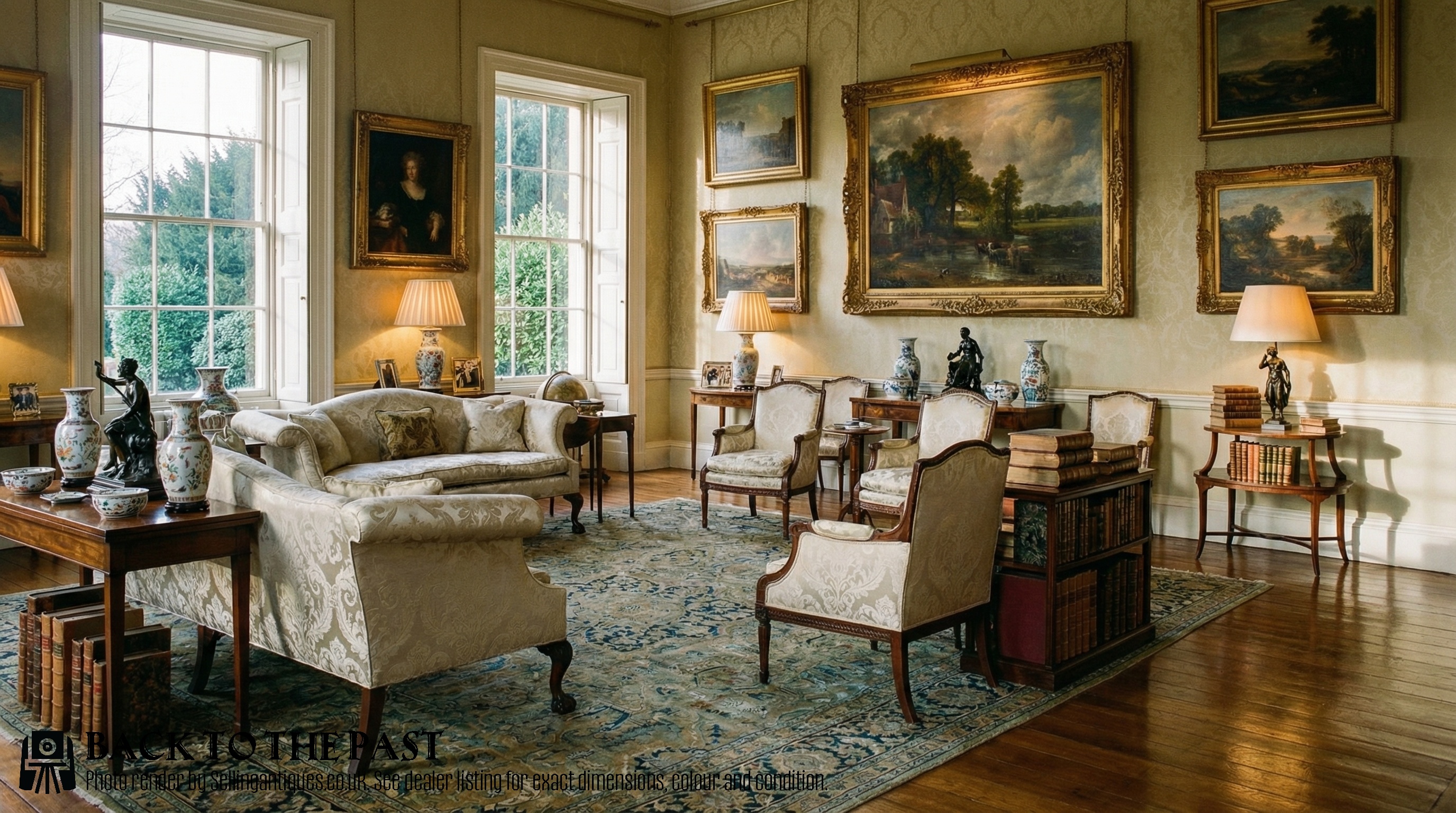
These stands fit well beside seating arrangements or within corners where vertical space is useful. Their compact footprints allow them to serve as occasional surfaces in hallways or sitting rooms.
Positioning them away from direct heat sources helps protect polished wooden surfaces and delicate veneers over time.
What objects go on these stands?
Historically, owners placed small ceramics, clocks, lamps, and decorative ornaments across the levels. The layout accommodates collections of varying heights without cluttering the room.
Spacing items thoughtfully allows the timber grain and inlaid details of the stand to remain visible.
How do I identify an Edwardian stand?
Edwardian pieces often feature light timbers like satinwood inlay, mahogany, or oak, reflecting the revival styles of the early twentieth century. Construction tends to be lighter than heavy Victorian equivalents.
Detailing frequently includes Sheraton Revival motifs or Arts and Crafts simplicity, corresponding to the period around nineteen hundred.
How do I care for antique wood?
Regular dusting with a dry, soft cloth prevents the accumulation of grit on polished surfaces. Applying appropriate wax occasionally nourishes the timber without building up heavy residue.
Keeping the furniture out of direct sunlight prevents fading and drying of the historical polish.