


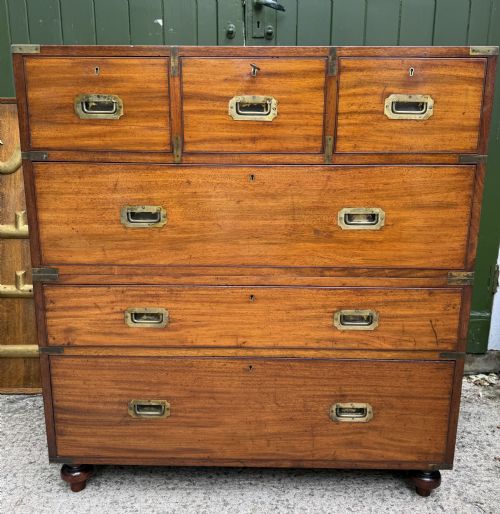


Two Part Dresser
A two part dresser offers monumental storage by dividing its heavy timber frame into a manageable upper section and a deep lower base.
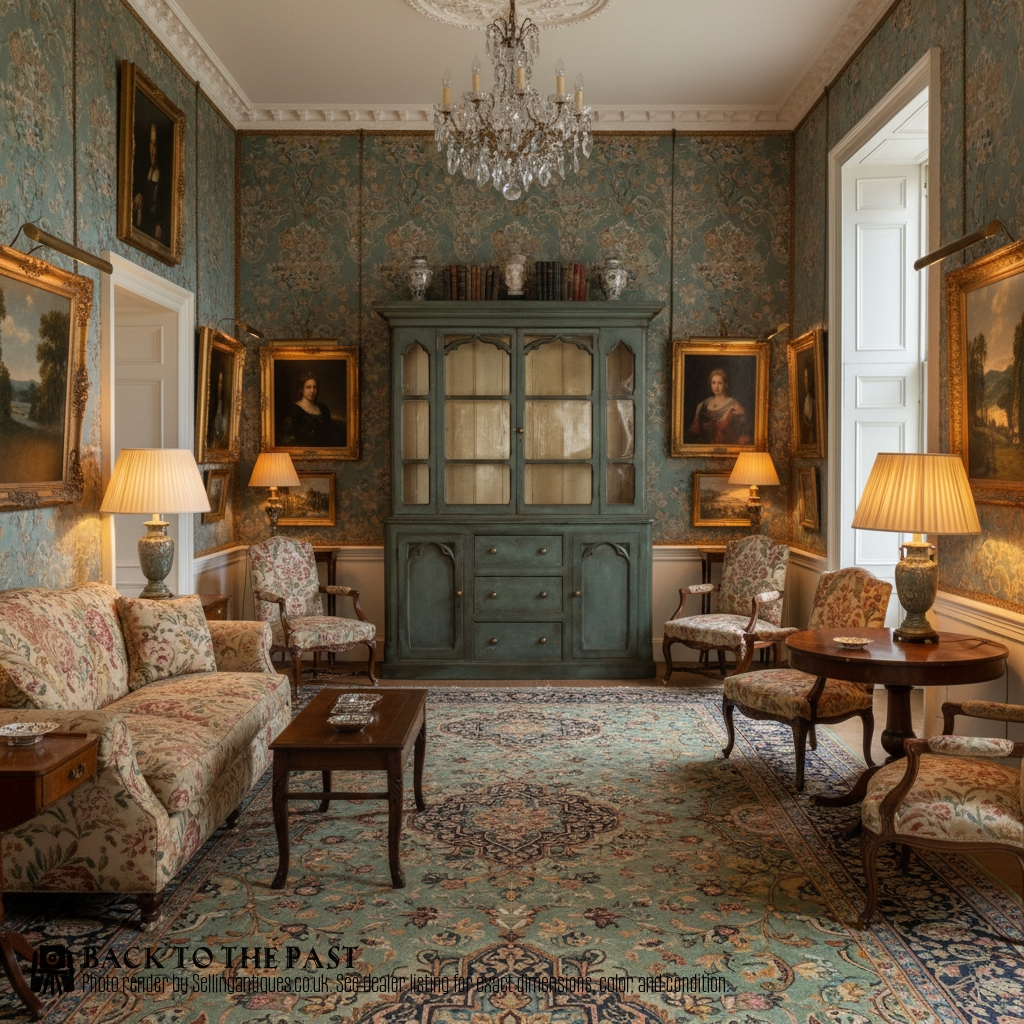
Two Part Dresser
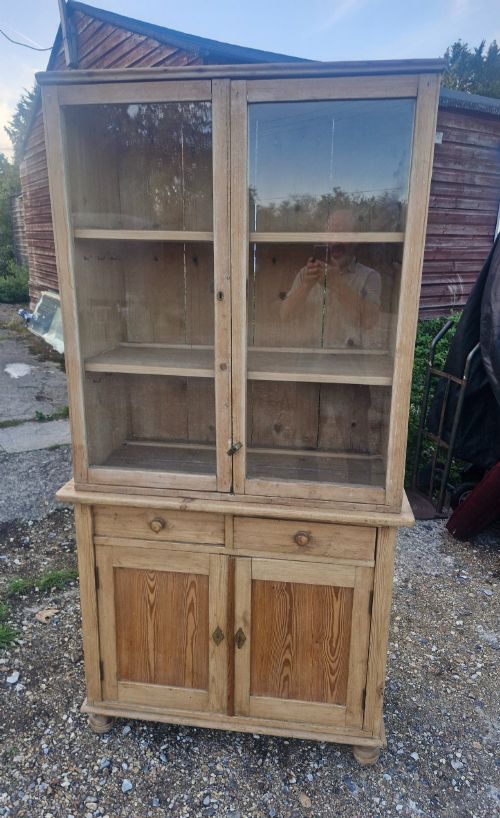
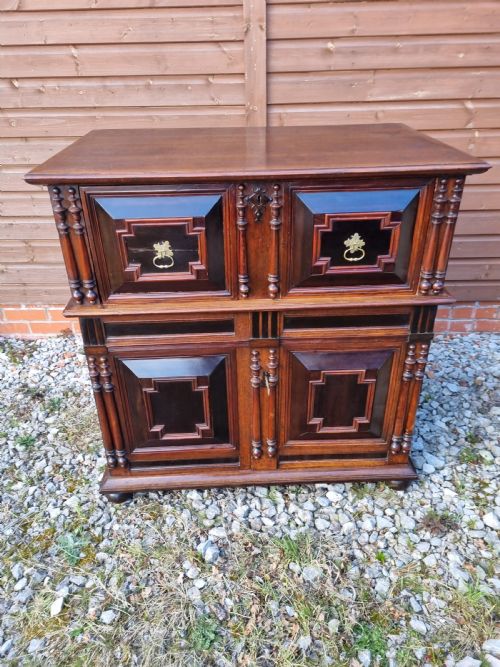
When you search for a two part dresser, you find architectural storage furniture built in separate upper and lower sections for easier transport and placement. These utilitarian and display pieces range from rustic farmhouse dressers and Welsh oak deuddarn cupboards to French buffet deux corps and modular military campaign chests.
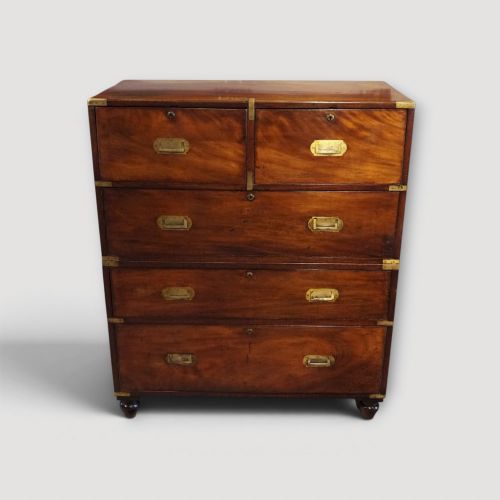
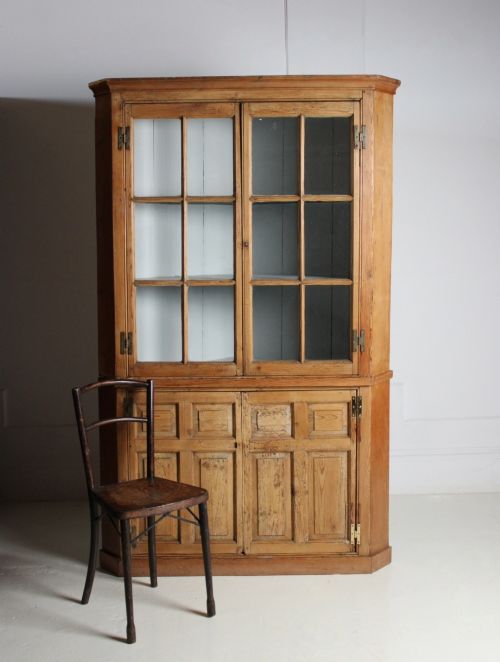
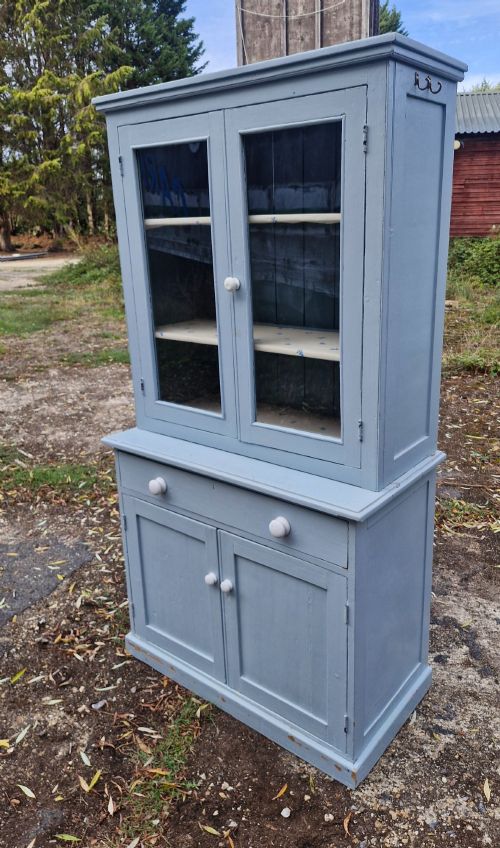
The versions most commonly met on this page include sturdy oak Welsh dressers with open plate racks or glazed cabinets above, alongside painted pine kitchen cupboards and mahogany campaign chests. Built across the seventeenth, eighteenth, and nineteenth centuries, they combine display shelving or upper storage with deep lower drawers or cupboards.
How they were made
Timbers such as oak, mahogany, pine, walnut, ash, and elm form the solid carcass and panelled doors of these sectional pieces. Joinery traditions rely on pegged mortise and tenon frames for early oak examples and dovetail joints for later drawer construction.
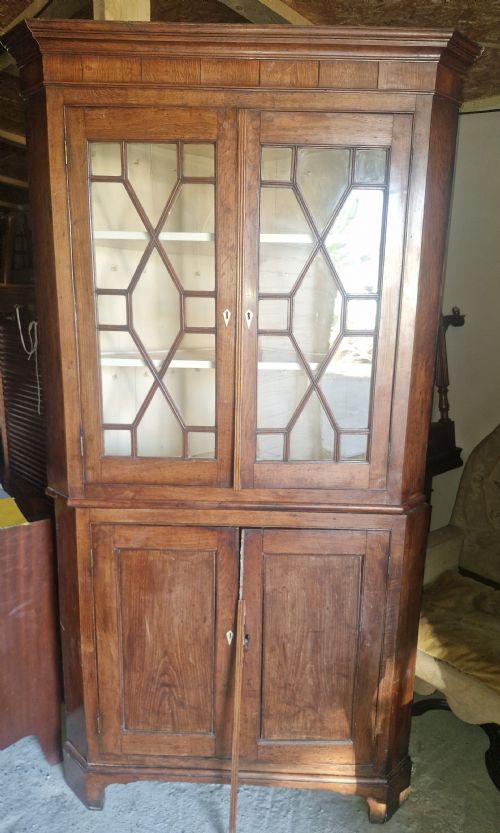
Hardware includes brass handles, escutcheons, and campaign drawer mounts, while surfaces finish in clear wax, historical paint, or polished wood. Glazed doors utilise individual glass panes set within wooden muntins.
Two Part Dresser Retail Price Guide 2026
Typical asking prices for two part dresser among the pieces listed under this phrase on Sellingantiques today, from the lower quarter to the upper quarter. They describe what is for sale here now, not the wider market.
Listings span from the seventeenth century through the Regency era to the late nineteenth century, using oak, mahogany, pine, walnut, ash, elm, and paint.
What varies in quality
The distinction between standard examples and the finest pieces rests on the choice of timber and the sophistication of the mouldings. Early geometric mouldings on seventeenth-century oak chests and finely figured mahogany veneers on Georgian tallboys demand higher craftsmanship.
Originality of surface finish and hardware also determines standing, with untouched historical paint or patinated native timbers holding greater integrity than heavily restored structures.
Ross & Co.
The Two Part Dresser Glossary
- Deux corps
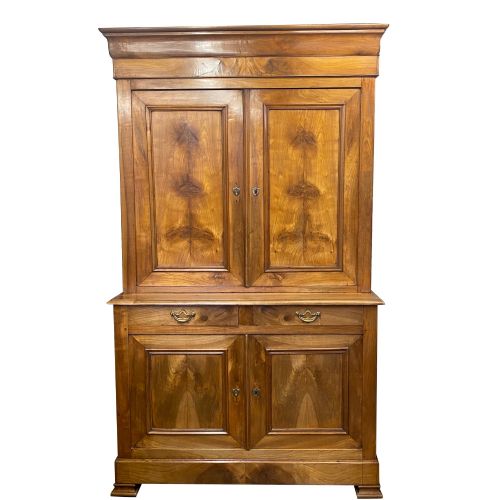
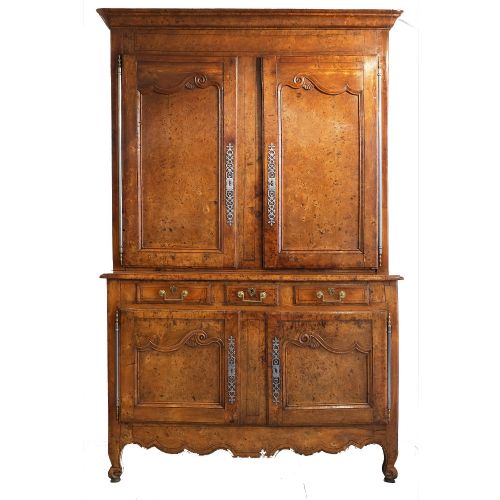
- A large French storage cabinet or dresser constructed in two separate vertical sections, usually featuring upper doors above a lower base. This term translates directly as two bodies.
- Campaign chest
- A modular chest of drawers built in two separate stacking sections with recessed brass carrying handles, designed for easy transport by military officers. These pieces dismantle cleanly for travel.
- Deuddarn
- A traditional Welsh two-part oak cupboard featuring an enclosed upper section above a lower base fitted with doors or drawers. They frequently display carved panels and initials.
- Tallboy
- A tall chest of drawers made in two stacked sections, typically pairing a narrower upper chest with a wider lower base of drawers. Georgian makers favoured mahogany and walnut for these soaring forms.
- Cwpwrdd gwydr
- A Welsh term for a glazed cupboard or dresser top used to display ceramic plates and glassware. These glazed upper sections sit securely upon wooden lower storage bases.
Two Part Dresser: Frequently Asked Questions
Why are they built in two parts?
Constructing large storage furniture in two separate sections made heavy cupboards and tall chests possible to transport through narrow doorways and up staircases.
This modular design allowed massive oak dressers and military campaign chests to travel significant distances without structural damage.
How do I style a two part dresser at home?
The upper display shelves or glazed cabinets provide an ideal space for arranging ceramic collections, books, or glassware where they remain visible and secure.
Meanwhile, the deep drawers and lower cupboards swallow everyday clutter, keeping dining rooms and kitchens orderly.
What is the difference between a Welsh dresser and a French buffet deux corps?
Welsh dressers typically feature open plate racks or glazed upper sections designed specifically for displaying kitchen ceramics above a wooden base.
French buffet deux corps pieces usually enclose both the upper and lower sections behind solid wooden or glazed cabinet doors for entirely concealed storage.
How can I tell a seventeenth-century piece from a nineteenth-century one?
Seventeenth-century examples rely heavily on solid joined oak construction, heavy geometric mouldings, and pegged framing techniques characteristic of early cabinetmaking.
Nineteenth-century iterations often incorporate softer pine, painted surfaces, or precise mahogany veneers influenced by Regency and Victorian manufacturing standards.