


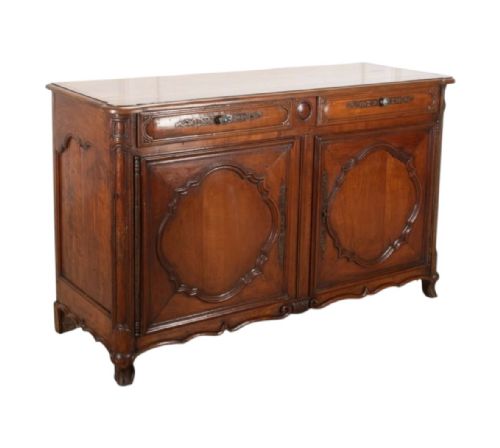


Two Door French Buffet
A two door french buffet provides robust storage with provincial character, bringing enduring utility and regional charm to a dining room or hallway.
Two Door French Buffet
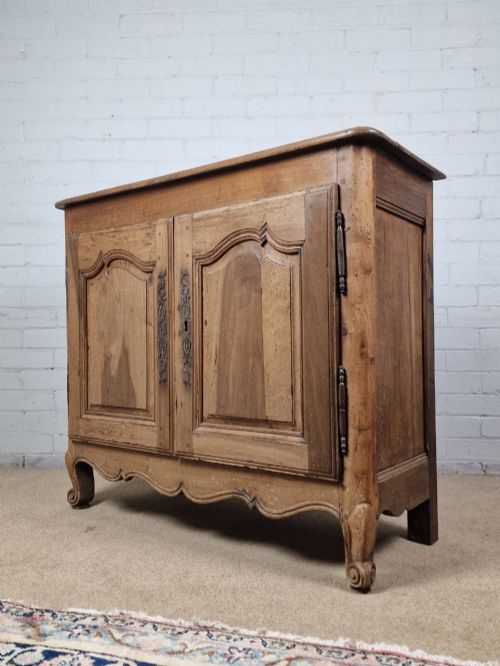
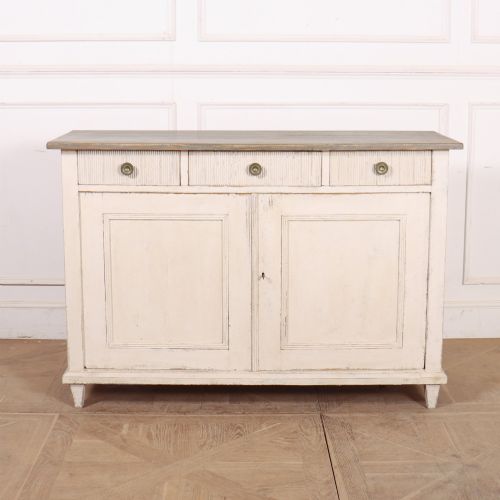
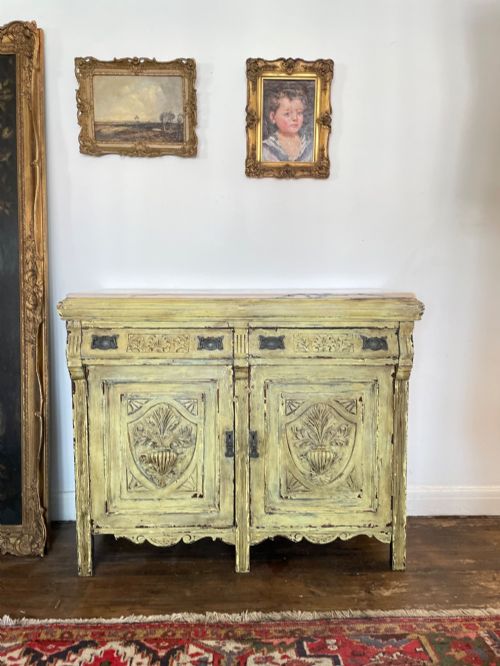
A two door french buffet serves as a principal storage piece in domestic spaces, combining a substantial cabinet base with a flat top surface for serving or display. These items emerge from various periods, stretching from the seventeenth century through to the early decades of the twentieth century.
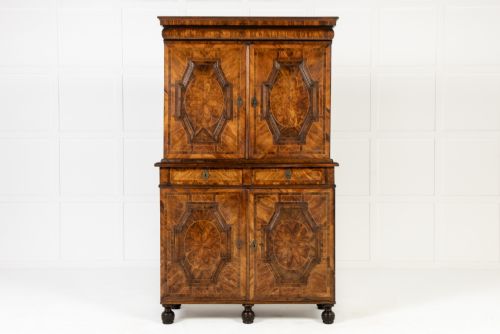
The regional variety encompasses provincial and country expressions alongside formal Empire, Baroque, and Directoire designs. Common forms include sideboards, chiffoniers, housekeeper cupboards, and units featuring marble tops or upper cabinet sections known as a deux corps.
Materials and construction methods
Construction relies heavily on regional hardwoods such as oak, walnut, cherry wood, chestnut, and fruitwood, selected for structural stability and rich grain. Carpenters utilised traditional joinery techniques to frame panels and hang heavy timber doors.
Hardware accents in brass, iron, wrought iron, and steel provide functional hinges and keyplates that secure the doors. Selected pieces integrate stone elements, notably pink marble tops, resting directly upon the wooden carcass.
One remarkably rustic survivor carries the label of a barn find, complete with a striking pink marble top.
Distinctions in craftsmanship and design
Quality separates pieces through the selection of timber and the depth of hand-carved detailing on the panels and rails. Superior examples display refined proportions and integrated hardware that complement the regional timber choice.
The integrity of the original carcase, the retention of period metalwork, and the harmonious ageing of the wood define the upper tier of these cabinets. Lesser examples show replacement timbers or simplified joinery lacking regional distinction.
The Two Door French Buffet Glossary
- Buffet deux corps
- A tall cupboard featuring two distinct cabinet sections, one stacked directly above the other. This form maximises vertical storage capacity.
- Chiffonier
- A compact sideboard or tall cabinet equipped with doors enclosing shelving space. It serves smaller domestic rooms efficiently.
- Fruitwood
- Timber harvested from fruit-bearing trees such as pear or apple, utilised by regional cabinetmakers for its dense grain and warm tone. It patinates richly over centuries of use.
- Directoire style
- A transitional design movement bridging Louis XVI and Empire periods, characterised by restrained neoclassical lines and minimal ornamentation. Pieces from this era favour geometric simplicity.
- Provincial
- Denoting items made in the regions outside major urban centres, often by local artisans using accessible local timbers. These objects prioritise functional utility and regional decorative traditions.
Two Door French Buffet: Frequently Asked Questions
Where should I place a two door french buffet?
These cabinets suit dining rooms, large hallways, or living spaces where substantial surface area and enclosed storage are required.
The considerable depth and width of the timber carcass demand adequate floor space to allow the doors to open fully without obstruction.
How do I maintain the timber surface?
Routine dusting with a dry, soft cloth preserves the natural polish of walnut, oak, and cherry wood surfaces.
Applying occasional natural wax feeds the historic timber and prevents the dry atmosphere of modern homes from cracking the grain.
Can I use the marble top for serving food?
Marble top variants provide a cool, durable surface that handles food and drink placement during gatherings effectively.
Acidic substances like wine or citrus should be wiped promptly to protect the polished stone from etching.
How do I distinguish eighteenth century pieces?
Eighteenth century examples display hand-cut joinery, pegged framing, and timber surfaces showing deep patination developed over generations of use.
Examining the interior boards and back panels reveals the tool marks and construction methods specific to that era.