
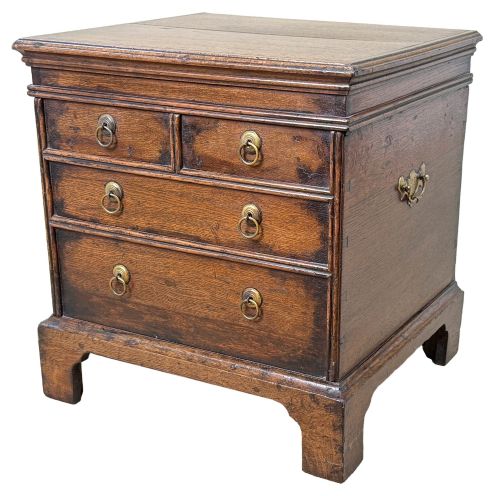

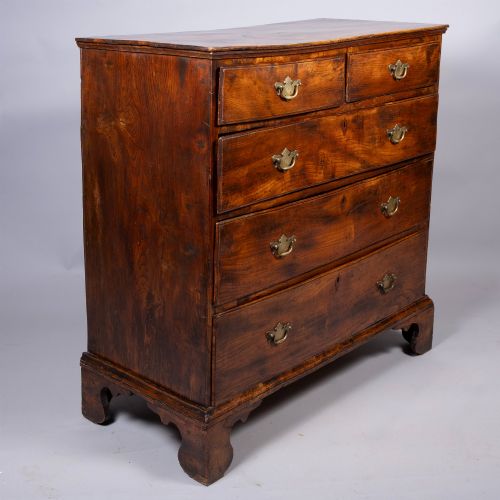


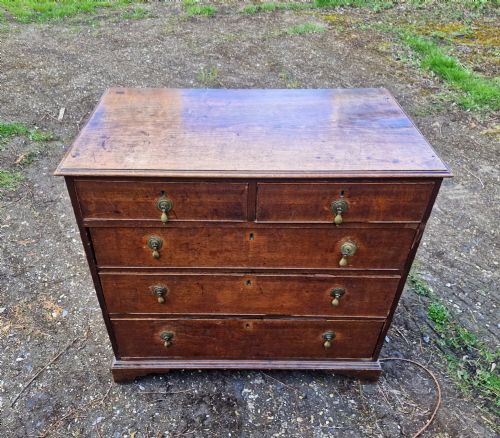


Oak Commode Cabinet
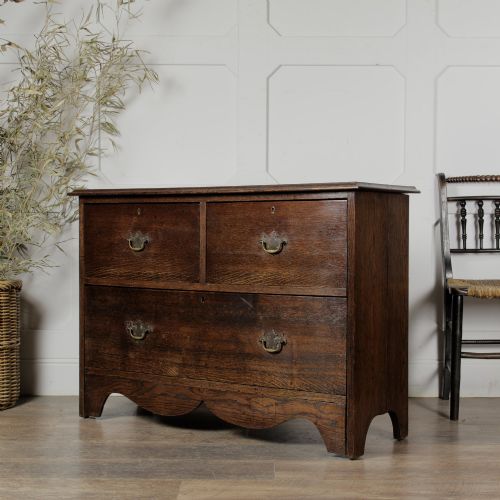
These oak commode cabinet pieces bring practical storage and solid timber construction into domestic spaces, drawing collectors who value period craftsmanship.
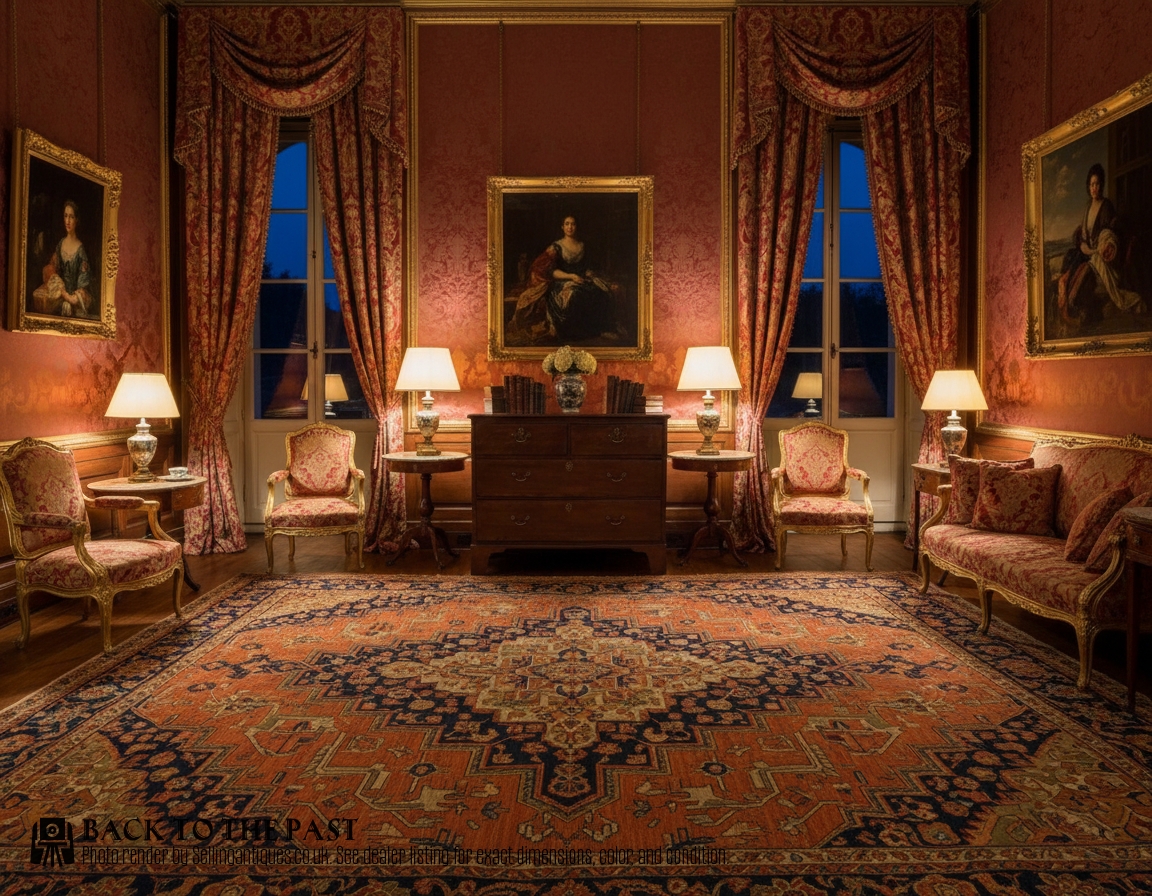
Oak Commode Cabinet
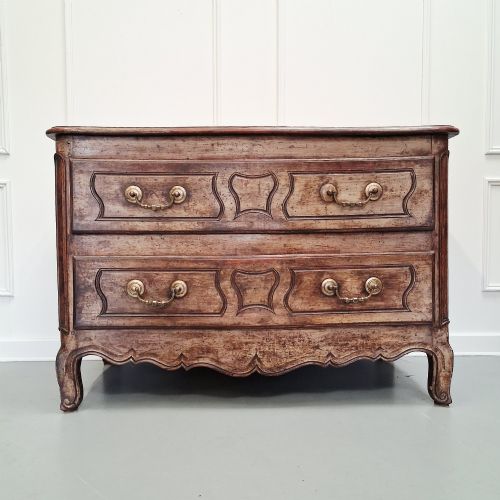
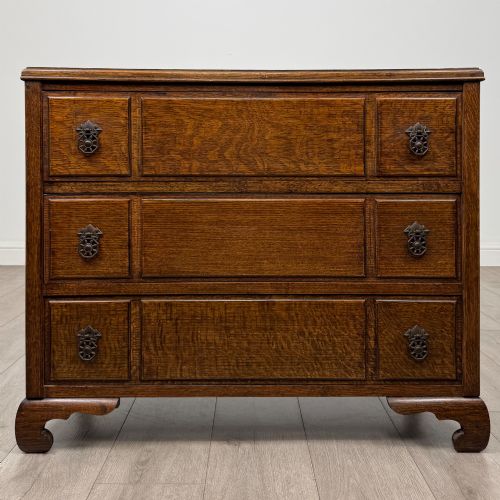
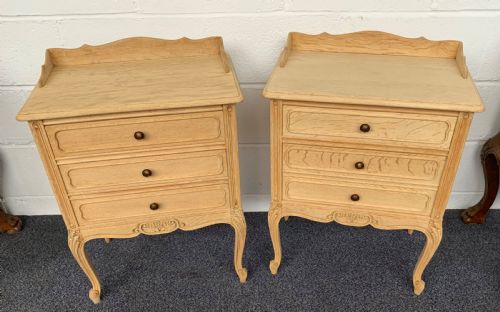
When you search for oak commode cabinet, you encounter a varied selection of functional storage furniture spanning multiple centuries. The selection encompasses traditional chests of drawers, French commodes, close stools, and bedside cabinets.
Early examples include seventeenth-century Jacobean pieces and eighteenth-century Georgian designs alongside French provincial commodes. Later nineteenth-century items and early twentieth-century pieces complete the available selection.
English country forms and French models appear frequently, showing distinct regional characteristics in their construction and proportions. Buyers find both compact bedside versions and larger multi-drawer chests fulfilling specific storage needs.
Materials and construction
Makers utilised solid oak as the primary timber, often complemented by elm, yew wood, bur walnut, and pine in secondary components or decorative panels. Brass handles, escutcheons, and metal fittings provide functional contrast to the wooden surfaces.
Selected French and twentieth-century pieces incorporate marble tops for durable and decorative utility. Surface finishes range from scrubbed and bleached timber treatments to painted or polished traditional wax finishes.
Listings feature oak, elm, yew wood, pine, and marble materials across seventeenth, eighteenth, nineteenth, and twentieth-century periods.
Evaluating quality and execution
The sophistication of the joinery and the selection of figured timber distinguish finer pieces from standard utilitarian examples. Early seventeenth and eighteenth-century pieces often display intricate geometric mouldings and careful panel construction.
Proportion and the retention of original hardware play a significant role in assessing the merit of a piece. Regional variations in French provincial work and English country furniture demonstrate distinct levels of joiner skill.
The Oak Commode Cabinet Glossary
- Commode
- A low chest of drawers or cabinet, often of French origin. These pieces frequently feature decorative hardware and fine timber grain.
- Close stool
- An early form of enclosed furniture designed to house a chamber pot, often disguised as a small chest or cabinet. Examples survive in oak from the eighteenth century.
- Jacobean
- A style associated with the early seventeenth century, characterised by geometric ornamentation and heavy timber construction. Pieces from this period display distinct panelled designs.
- Bow front
- A convex curved cabinet or chest front that swells outward. This stylistic choice became popular in later Georgian and nineteenth-century furniture design.
Oak Commode Cabinet: Frequently Asked Questions
How do I date an oak chest?
Dating relies on examining construction methods, timber selection, hardware, and stylistic details such as geometric mouldings or bracket feet. Seventeenth-century pieces show hand-riven timber and pegged joinery.
Later eighteenth and nineteenth-century items introduce standardised drawer construction and different brass handles, helping to place them within Georgian or Victorian eras.
Where were these cabinets used?
These cabinets served primarily in bedrooms, dressing rooms, and parlours for domestic storage and personal sanitation in the case of close stools. Bedside versions held nighttime necessities.
Larger chests of drawers functioned as general garment storage in sleeping quarters across English and French households over multiple centuries.
How do I care for antique oak?
Maintaining antique oak involves keeping pieces away from direct heat sources and sudden humidity changes to prevent timber splitting. Regular gentle dusting preserves the surface.
Applying traditional wax polish occasionally helps nourish the wood and maintain a soft sheen without building up heavy chemical layers.