


Provincial Oak Storage Cupboard
A provincial oak storage cupboard provides robust rural utility, bringing historical regional character and generous storage into modern interiors.
Provincial Oak Storage Cupboard
A provincial oak storage cupboard encompasses utilitarian regional furniture designed for domestic storage in rural households. These pieces span centuries of rural craftsmanship, originating primarily from French and English provincial workshops.
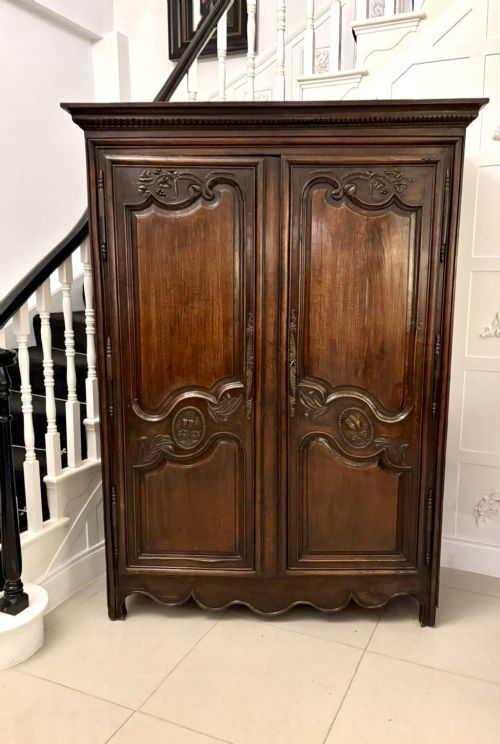
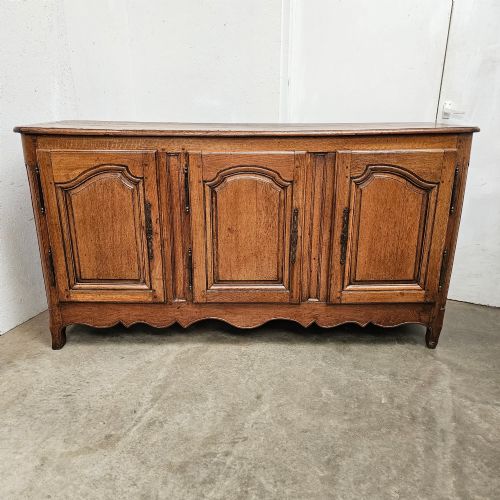
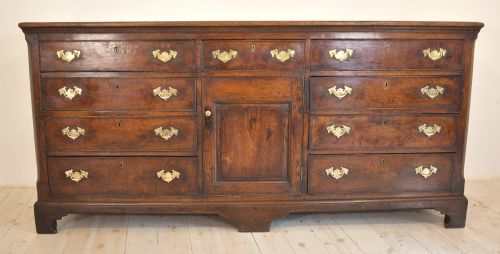
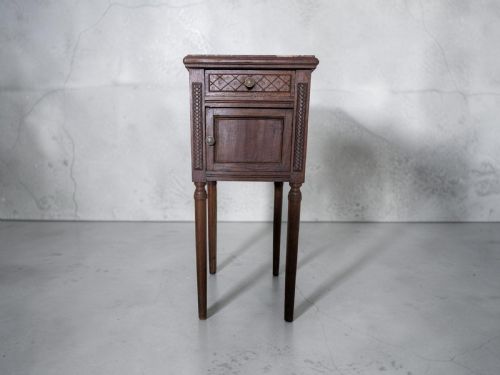
The selections available here lean heavily towards French regional furniture, featuring armoires, commodes, larder cupboards, and low buffets. Buyers frequently encounter sturdy cupboards built to house food, linens, and domestic utensils in everyday domestic settings.
The forms range from wall-hanging cabinets and corner cupboards to massive two-part buffet de corps constructions and house-maider cupboards. Each piece reflects the specific storage needs of the rural household from which it emerged.
Materials and construction methods
The primary material across these pieces is solid oak, supplemented occasionally by chestnut, walnut, fruit wood, and secondary timbers. Carpenters utilised local hardwoods selected for durability and strength in heavy daily use.
Construction techniques rely on traditional joinery, including pegged mortise and tenon joints, hand-carved panels, and durable board construction. Metal components typically consist of hand-forged iron, wrought iron, steel, or brass hinges and latches.
One listed nineteenth-century cabinet began its life as the closed wooden front of a traditional Breton enclosed bed.
Assessing quality and regional character
Quality separates pieces by the crispness of hand-carving and the integrity of the original timber framing. Superior examples retain their original structural hardware, uncompromised backboards, and authentic regional patination.
Simpler vernacular pieces rely on utilitarian function and heavy timber mass, whilst finer provincial iterations display balanced proportions, shaped shelving, and sophisticated panel mouldings characteristic of specific local traditions.
The Provincial Oak Storage Cupboard Glossary
- Buffet de corps
- A traditional large two-section storage cabinet or cupboard, often featuring upper and lower doors used in French provincial dining rooms.
- Enfilade
- A long sideboard or buffet featuring multiple doors in a continuous line, designed for serving and storage.
- Lit-clos
- An enclosed bed structure from regions such as Brittany, occasionally repurposed into cabinetry as seen in nineteenth-century conversions.
- Sacristy cabinet
- A low buffet or cupboard traditionally utilised in ecclesiastical settings, adapted for domestic kitchen or hallway storage.
- Vernacular
- Furniture made by local regional craftsmen using traditional, non-academic styles suited to everyday rural needs.
Provincial Oak Storage Cupboard: Frequently Asked Questions
What is a provincial oak storage cupboard used for?
These cupboards served domestic functions ranging from food and larder storage to housing linens, tableware, and household provisions in rural kitchens and dining rooms.
In modern homes, they function as substantial freestanding wardrobes, kitchen larders, or living room storage cabinets for contemporary belongings.
How do I date an antique oak cupboard?
Dating relies on examining construction marks, hand-carved stylistic details, joinery methods, and the type of iron or brass hardware fitted to the doors.
Pieces originating from the seventeenth and eighteenth centuries typically exhibit pegged joinery and hand- adzed boards, whilst later nineteenth-century examples incorporate machine-sawn elements.
Are these cupboards difficult to assemble?
Many historical provincial cupboards were constructed as knock-down or flat-pack armoires to allow transport through narrow rural doorways.
Owners can dismantle and reassemble these pieces using traditional wooden pegs and knockdown bolts without requiring modern mechanical fasteners.
How do I care for antique oak furniture?
Maintain the timber by avoiding direct sunlight and excessive humidity fluctuations that cause oak panels to split or warp.
Apply occasional natural beeswax to nourish the dry grain and preserve the historic surface patination accumulated over centuries.