


French Country Dresser Base
These french country dresser base pieces bring rustic utility and enduring regional character to a room.

French Country Dresser Base
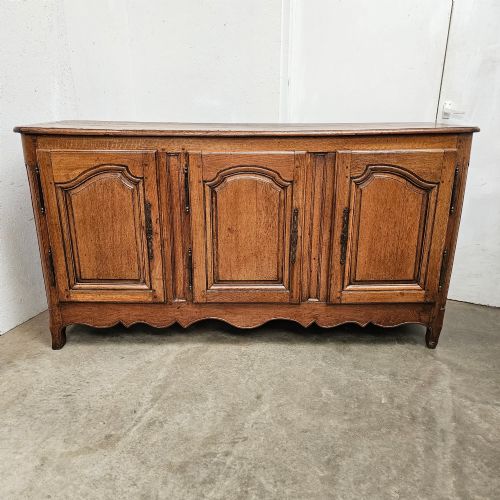
A french country dresser base provides sturdy storage with a low profile, often functioning as a buffet, sideboard or serving surface in domestic spaces. When browsing these listings, buyers encounter forms that range from simple cupboards and enfilades to dedicated kitchen dressers and sideboards.
The pieces on this page span the eighteenth and nineteenth centuries, taking in periods such as the Georgian era and the Victorian age. Examples reflect regional traditions through provincial designs, featuring multiple doors, drawers and deep storage cavities.
Most items belong to the broad styles of French Provincial and French Country, emphasising utilitarian build quality and straightforward proportions. A buyer is most likely to meet oak, cherrywood or pine constructions built for daily household use.
Materials and construction methods
Makers relied heavily on native timbers such as oak, fruitwood, pine, elm and cherrywood to build these heavy storage units. Solid wood construction forms the core of each piece, paired with natural finishes like wax or paint.
Metal hardware incorporates brass, steel, iron and wrought iron for hinges, handles and drawer pulls. These functional elements were hand-forged or cast to withstand decades of heavy opening and closing in farmhouse kitchens and dining rooms.
Housekeepers hid their best pastry cutters behind three locked doors of solid oak.
Assessing quality in provincial cabinetry
The standard of a piece depends on the choice of timber and the integrity of the original construction. Dense hardwoods like oak, elm and cherrywood yield sturdier results than softer pine, while burr elm introduces distinctive grain patterns that elevate the visual weight.
Original surface treatments distinguish superior examples from heavily altered ones. Pieces retaining their early painted finishes, patinated wax or original brass and wrought iron hardware demonstrate higher integrity than those stripped or refitted later.
The French Country Dresser Base Glossary
- Enfilade
- A long sideboard or cabinet featuring three or more doors in a straight line. This form originated in grand houses but appears in provincial French iterations for dining storage.
- Housekeeper cupboard
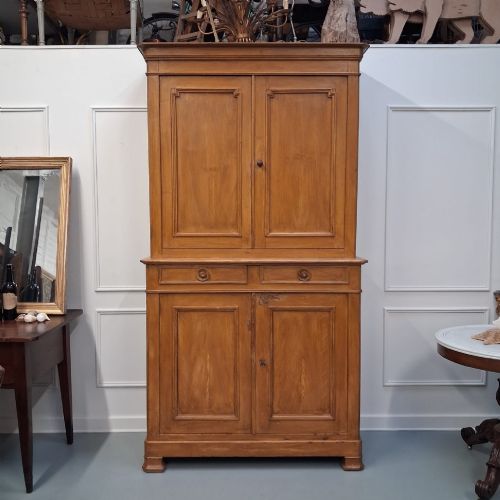
- A tall storage piece designed for linens, dry goods or kitchen utensils. These items often feature panelled doors and generous interior shelving.
- Fruitwood
- Timber derived from fruit-bearing trees such as cherry, pear or apple. Makers valued these woods for their fine grain and warm tones.
- Buffet
- A low sideboard or serving table used for food preparation and storage. It sits lower than a tall dresser, offering a convenient surface top.
- Vaisselier
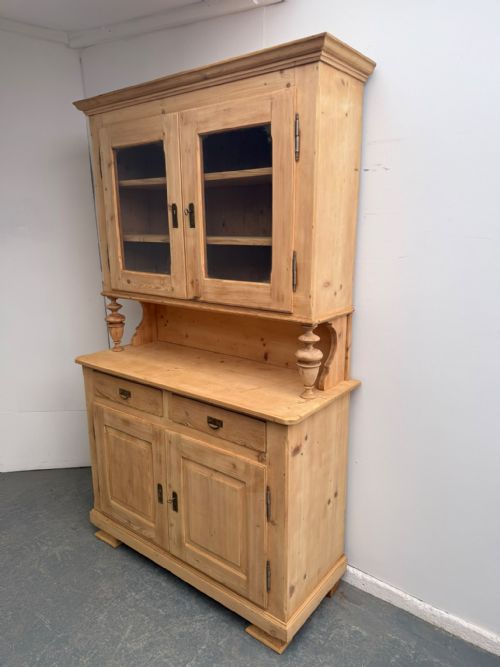
- A traditional French dresser or plate rack. This term covers units designed to display ceramic dishes alongside enclosed base storage.
French Country Dresser Base: Frequently Asked Questions
What is a french country dresser base used for?
These low cabinets serve as practical storage and display units in kitchens, dining rooms and hallways. They provide deep cupboard space for tableware, linens and provisions while offering a sturdy surface top.
Historically, they anchored the working areas of French provincial homes where robust furniture was needed for daily culinary tasks. Today, they integrate easily into modern interiors to add rustic utility and concealed storage.
How do I date an 19th-century dresser base?
Dating relies on observing construction marks, timber choice and hardware styles. Pieces from the early nineteenth century often feature hand-cut joints, pegged tenons and wrought iron or brass fittings unique to regional workshops.
Comparing the secondary woods inside drawers and backboards helps confirm the period. Variations in the hand-planed surfaces provide further clues about the age of the woodwork.
Are these pieces made of solid wood?
The listings consist of solid timber frames and panels rather than modern veneers. Common woods include oak, pine, cherrywood, elm and fruitwood selected for regional availability and durability.
This solid construction allows the wood to develop a natural patina over centuries of use and waxing. Minor expansions and contractions in the solid boards are normal characteristics of antique timber.
How do I care for an antique wood surface?
Maintenance involves applying traditional beeswax periodically to nourish the dry timber and protect the patina. Avoiding direct sunlight and sudden temperature shifts prevents the wood from cracking.
Cleaning should be done with a soft, dry cloth rather than harsh chemical polishes. Preserving the original wax or painted finish maintains both the historical integrity and the visual depth of the piece.