


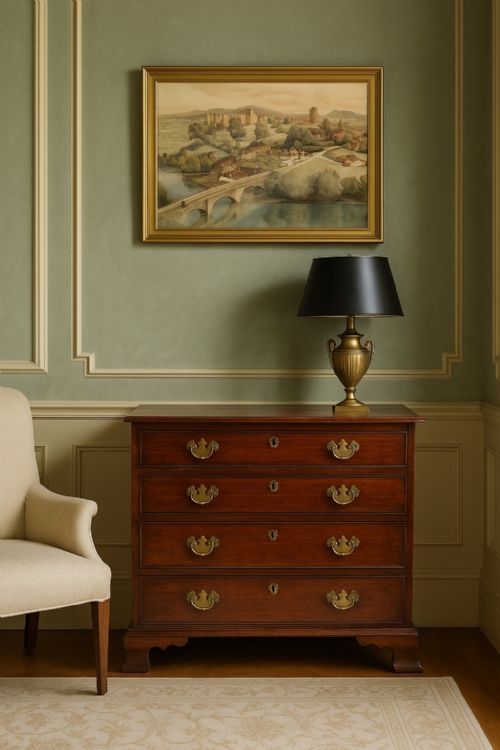
George II Bedroom Chest
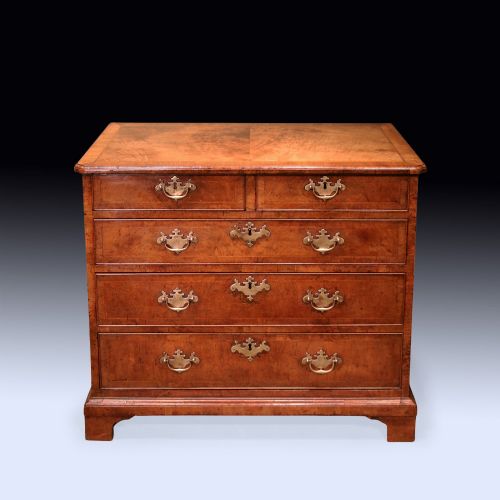
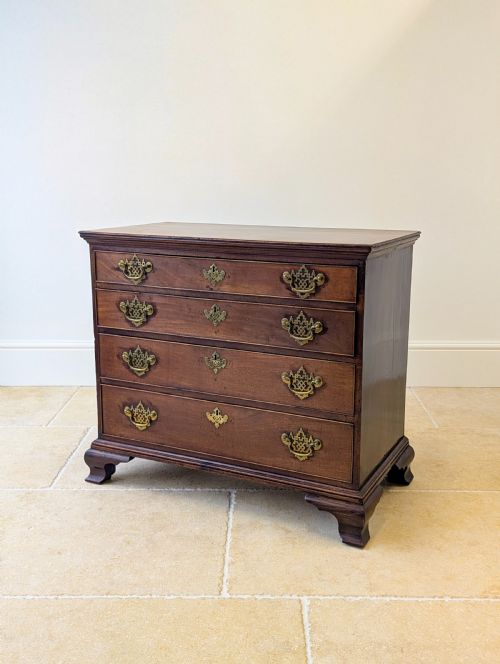
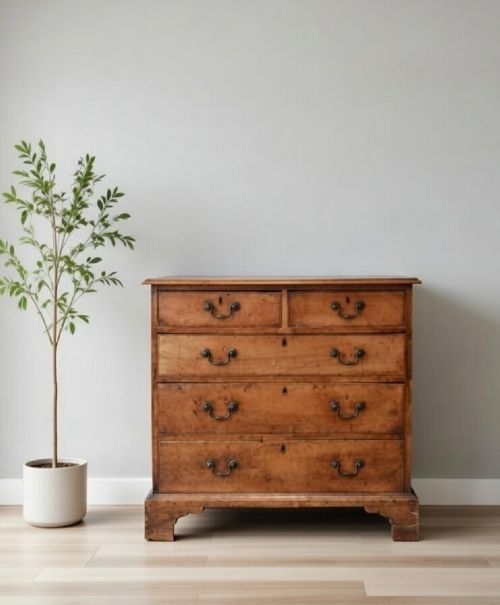
A george ii bedroom chest brings mid-eighteenth-century proportion and rich timber figure directly into a room.
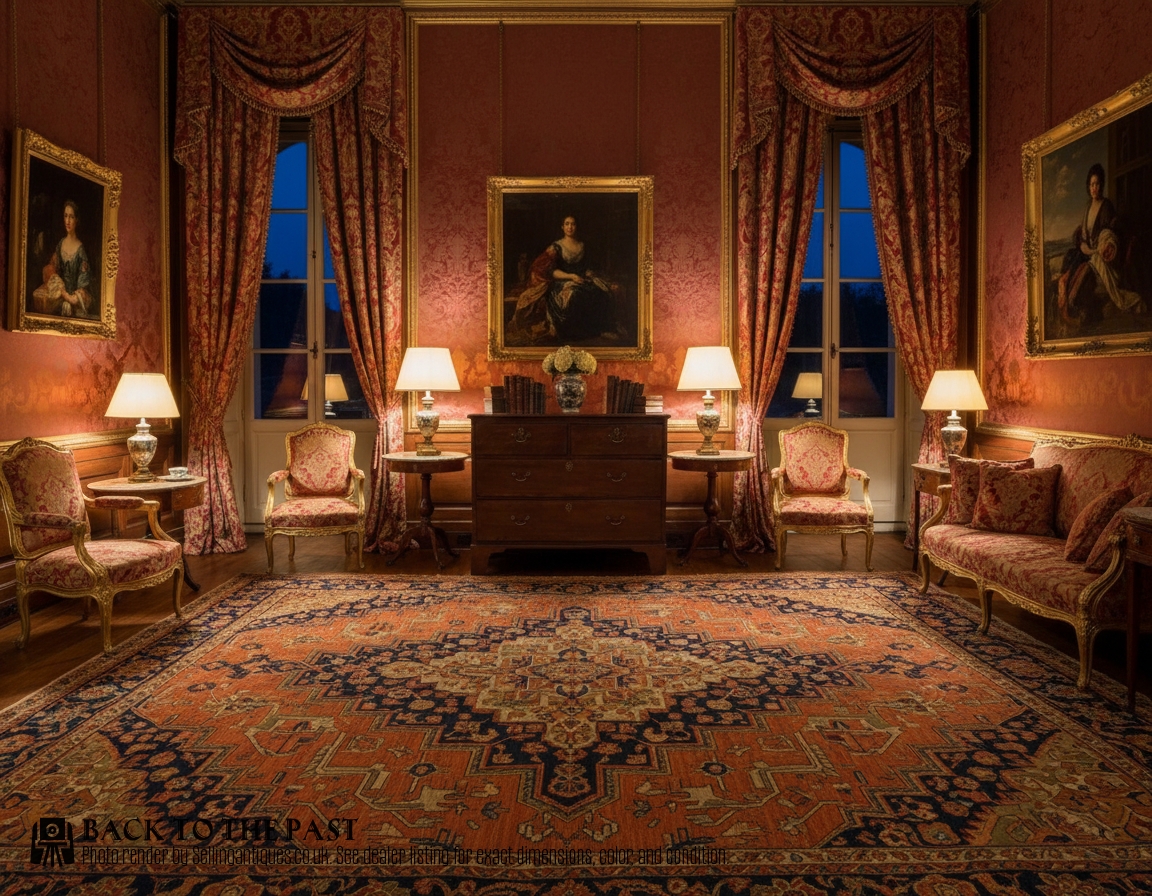
George II Bedroom Chest
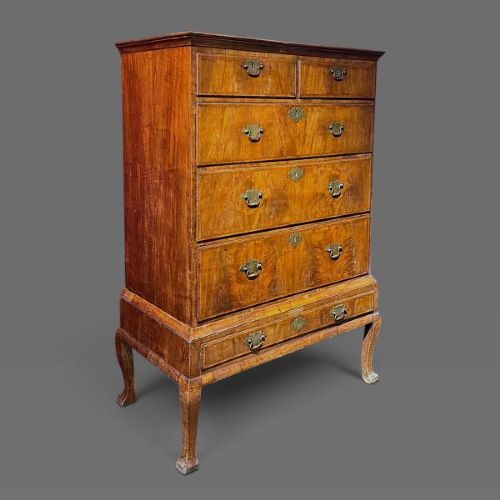
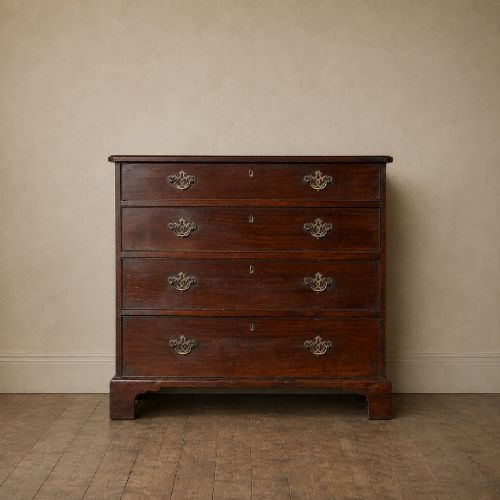
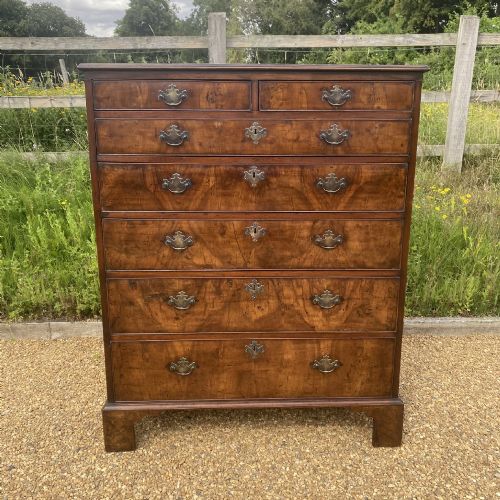
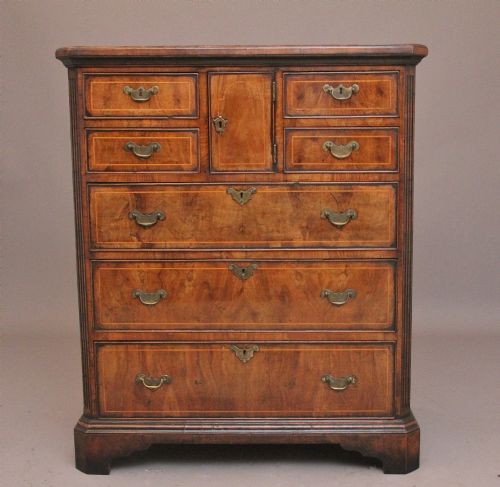
A george ii bedroom chest provides sturdy storage through multiple drawer configurations, frequently taking the form of a chest of drawers or a taller chest-on-chest arrangement.
Most examples appearing here date from the eighteenth century, constructed in walnut, mahogany, oak, or fruitwood, reflecting the cabinet-making practices of the period.
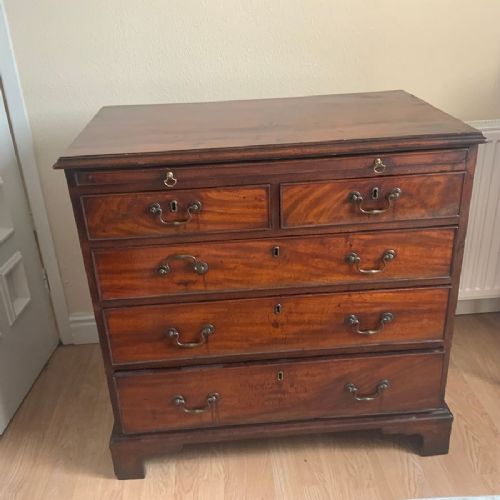
Buyers will encounter both modest single-tier pieces and taller two-part tallboys, occasionally incorporating sliding writing shelves known as brushing slides.
Materials and construction methods
Cabinet-makers of the era utilised solid timbers alongside veneers, applying figured walnut, burr walnut, and red walnut over supportive secondary woods such as oak and pine.
Drawer construction relied on hand-cut dovetails, while structural stability was often achieved using native oak for internal carcases and drawer linings.
External hardware typically consisted of cast brass drop handles and escutcheons, fixed to drawer fronts framed by moulded edges.
Secondary timbers recorded in these items include solid oak, pine, and fruitwood alongside primary hardwood veneers.
Judging quality and proportion
Quality rests heavily on the choice and matching of timber veneers, where highly figured burr walnut or rich red walnut elevates the visual weight of the piece.
Proportion and scale distinguish finer workshops, particularly in smaller examples or narrow chests designed for specific bedroom spaces rather than grand halls.
The integrity of original feet, whether bracket supports or ogee designs, along with the retention of period brassware, marks superior preservation.
The George II Bedroom Chest Glossary
- Brushing slide
- A pull-out shelf integrated above the top drawers, historically used for folding clothes or writing. It sits discreetly behind the top moulding when closed.
- Chest-on-chest
- A tall storage unit formed of two stacked sections, where a smaller chest rests upon a wider base chest. This form maximises storage without increasing floor space.
- Burr walnut
- Timber harvested from walnut tree growths, displaying intricate, swirling grain patterns. Cabinet-makers prized this material for high-status drawer fronts.
- Ogee feet
- A bracket foot shaped with a double curve resembling an elongated letter S. This moulding style supports the corners of eighteenth-century case furniture.
- Red walnut
- A regional term applied to specific dense, warm-toned varieties of mahogany or walnut utilised during the mid-eighteenth century.
George II Bedroom Chest: Frequently Asked Questions
What is a brushing slide?
A brushing slide is a pull-out wooden shelf located just beneath the top surface or top drawer of a chest. It provided a clean horizontal surface for folding garments or grooming.
In period bedrooms, this feature added practical utility without altering the clean architectural lines of the furniture.
How do I distinguish a tallboy?
A tallboy, or chest-on-chest, consists of two separate cabinet sections stacked vertically. The upper section is slightly narrower than the lower base unit.
This design offers substantial vertical storage while maintaining the refined proportions characteristic of mid-eighteenth-century design.
Where were these chests placed?
These pieces served primarily in private sleeping quarters to hold folded linens, garments, and personal valuables. Their manageable height also allowed the top surface to function as a dressing area.
Today, they adapt easily to modern bedrooms and living spaces as statement storage furniture.
What woods were commonly used?
Walnut and mahogany dominate the finest surviving examples from this era, often enhanced by decorative veneers like burr walnut. Oak and pine appear frequently in structural frames and internal drawer linings.
Some regional pieces also utilise solid fruitwood or local oak.