









Twisted Stem Glass
Twisted stem glass objects bring tactile history to a table, offering fine lead glass and delicate internal air or enamel threads.
Twisted Stem Glass
A twisted stem glass is a drinking vessel or stemware piece defined by an internal spiral structure within the pillar supporting the bowl. When collectors search for a twisted stem glass, they most frequently encounter 18th Century and Georgian examples originating from England.
The selections span distinct forms designed for specific contents, including wine glasses, tall ale glasses, champagne flutes, sweetmeat glasses, and larger goblets. Bowls take varied shapes such as rounded funnel, ogee, bell, ovoid, trumpet, and flared bucket formats.
Beyond drinking vessels, the category broadens to encompass related decorative items like table lamps, vases, and candlesticks from later periods like the 1900s and 1930s, utilising clear glass, lead crystal, and green glass.
How they were made
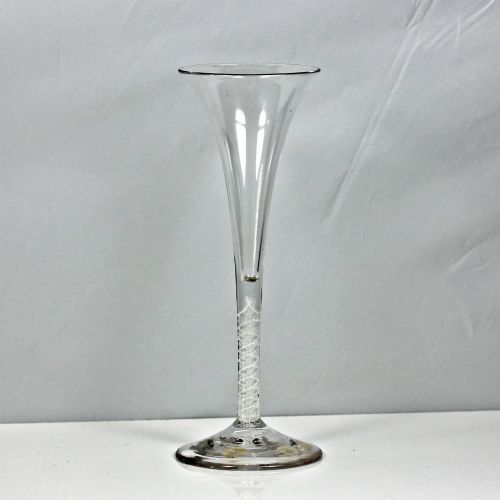
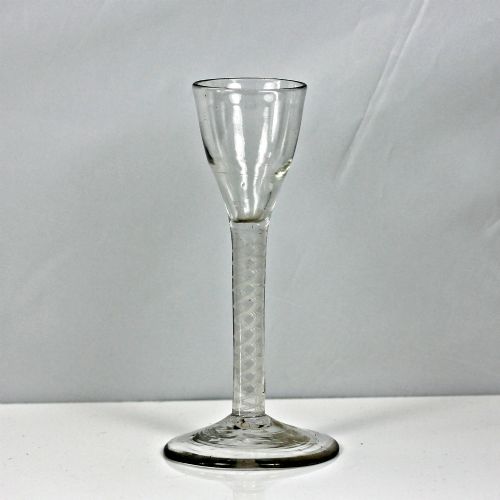
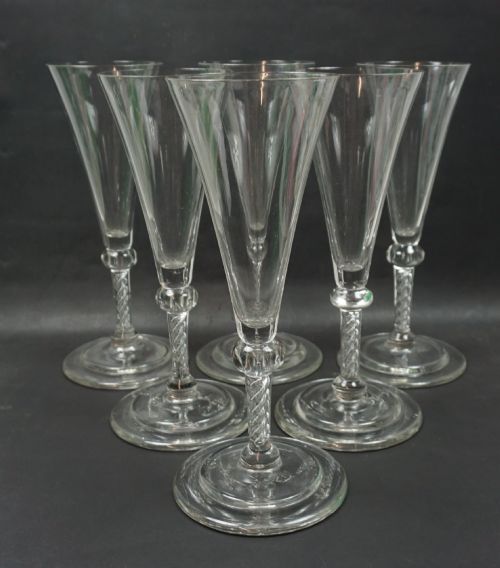
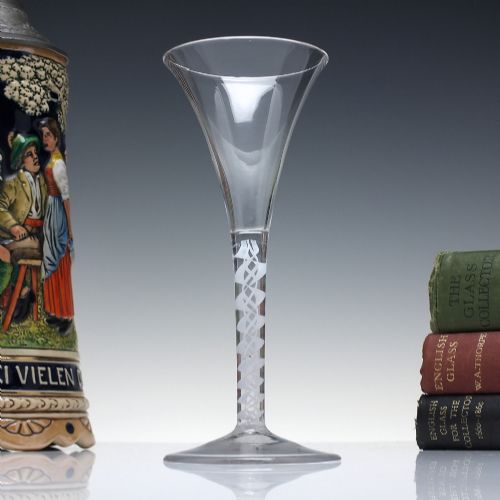
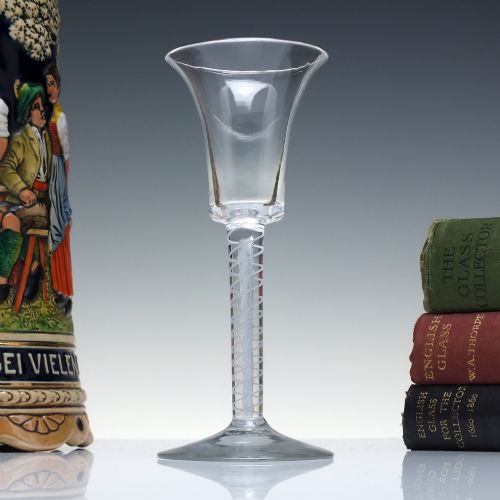
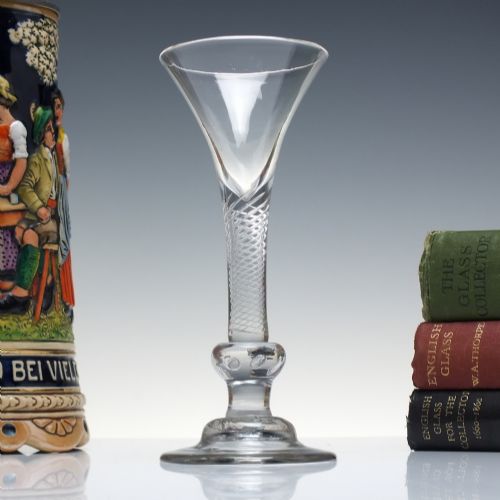
Glassmakers produced these pieces using lead glass, lead crystal, flint glass, and clear glass, shaping bowls by hand while drawing or forming the stem separately. Air twists were created by trapping air bubbles within hot metal and drawing them into spiral channels, whereas opaque twists incorporated white enamel rods pulled and twisted together.
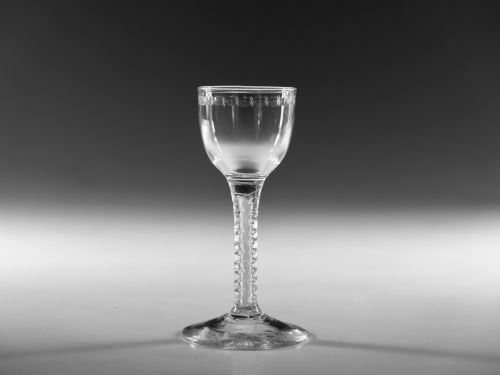
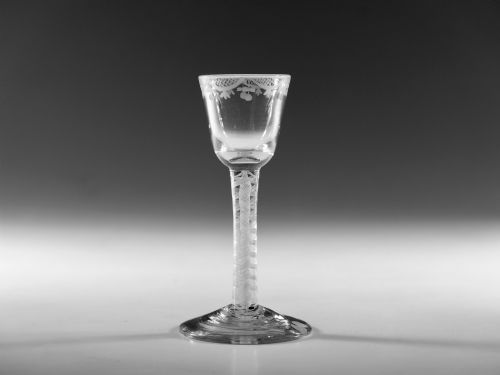
Makers formed complex internal patterns by combining different threads, creating single, double, or mixed series twists. Engraving, gilding, and enamelling were frequently applied to the bowls of drinking vessels, depicting floral motifs, hop and barley details, or historical emblems.
Twisted Stem Glass Retail Price Guide 2026
Typical asking prices for twisted stem glass among the pieces listed under this phrase on Sellingantiques today, from the lower quarter to the upper quarter. They describe what is for sale here now, not the wider market.
Listings span multiple eras from 1750 through to the 1930s, featuring lead glass, white enamel, and clear glass across various stemware and lighting forms.
What varies in quality
The fineness of a twisted stem glass rests on the clarity of the metal and the precision of the internal threads. Crisp, regular spirals without distortion in the air or enamel twist show superior craftsmanship from the glasshouse.
Proportion and weight dictate the balance of the piece, particularly in larger goblets and tall ale glasses with domed feet or multiple knops. The intricacy of any surface engraving, such as detailed Jacobite or anti-Jacobite iconography, further separates standard examples from exceptional ones.
Harry Powell for James Powell
The Twisted Stem Glass Glossary
- Air twist
- A stem containing elongated internal spiral bubbles formed by drawing imprisoned air through the hot glass.
- Opaque twist
- A stem featuring white enamel glass rods twisted into threads within the clear metal pillar.
- Double series
- A stem structure combining two distinct sets of twists, such as an outer corkscrew around inner threads.
- Ogee bowl
- An upward-curving cup profile shaped like an elongated S, common on Georgian wine glasses.
- Sweetmeat glass
- A specialised low bowl or tazza used for serving confections, sweet preserves, and small delicacies.
Twisted Stem Glass: Frequently Asked Questions
What is an air twist glass?
An air twist glass is a drinking vessel featuring a stem filled with spiralling internal air channels. These are formed when the glassmaker traps air bubbles inside the hot metal and twists the stem as it is drawn out.
They date primarily to the eighteenth century and offer a brilliant, light-catching texture that distinguishes them from plain-stemmed drinking vessels.
How do I identify a Georgian glass?
Georgian drinking glasses show distinct characteristics like pontil marks on the underside of the foot, heavy lead glass composition, and hand-formed stems. The metal often displays a warm, soapy lustre and tiny internal bubbles typical of period manufacturing techniques.
Bowl shapes and internal twist configurations also help narrow the decade of production during the eighteenth century.
What are opaque twist stems?
Opaque twist stems contain solid white enamel threads encased within the clear glass pillar of the stem. Makers arranged these enamel rods in single or double series patterns to create striking white ribbons against the transparent glass.
These pieces were especially popular in England during the middle decades of the eighteenth century.
How were these glasses used?
These stemware pieces served functional roles at the dining table for wine, ale, champagne, and sweetmeats during formal meals and gatherings. Specific bowl forms matched specific drinks, such as narrow flutes for champagne and deep bowls for heavy wines.
Collectors today display them in cabinets or use them carefully for special dining occasions.