




Twin Light Candlesticks
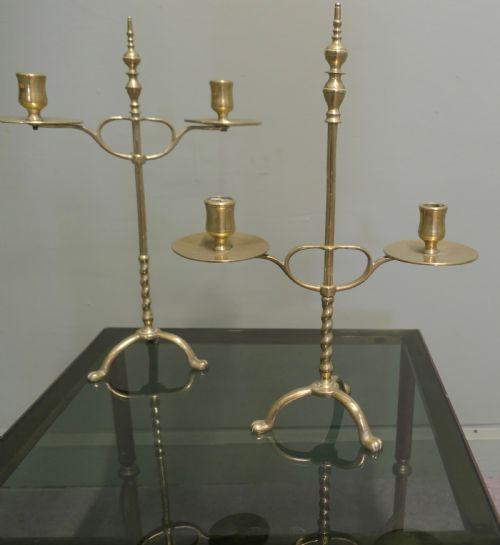
Twin light candlesticks bring paired illumination and symmetry to a room, ranging from simple brass student pieces to elaborate figural candelabras.
Twin Light Candlesticks
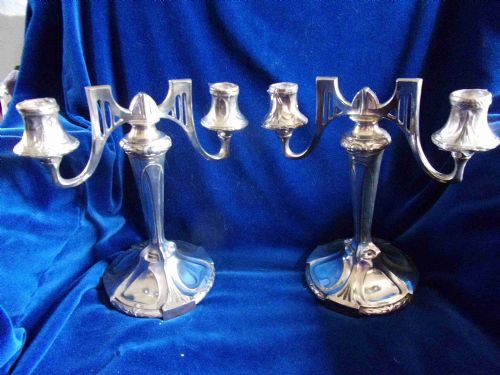
When you search for twin light candlesticks, you encounter dual-arm candleholders, candelabras, and adjustable desk lamps from the nineteenth and twentieth centuries. The selection spans distinct historical aesthetics, including Victorian, Edwardian, Arts and Crafts, Art Deco, and Jugendstil periods.
The most common forms on this page pair two candle nozzles on a single weighted base, often branching into double arms or dual chambers. Materials range from solid sterling silver and silver plate to brass, bronze, ormolu, and marble.
Origin points stretch across English, Continental, and American workshops, producing both domestic dining table centerpieces and utilitarian student lights. Buyers select these pieces for their balanced proportions and functional dual illumination.
Judging quality and craftsmanship
Quality rests in the crispness of metal casting and the integrity of joints where arms meet the central column. Superior examples display sharp definition in figural details and hand-finished chasing, whereas lower grades show softer mould lines and visible solder seams.
Weight distribution dictates stability, particularly in multi-arm designs that require heavy bases to prevent tipping. The choice of material - such as solid sterling silver or heavy bronze over lighter spelter or base metal - separates standard production items from master workshop output.
Listings feature pieces spanning the nineteenth century through the nineteen sixties, incorporating brass, sterling silver, marble, and bronze.
Robert Edgar Stone·Elkington and Company
The Twin Light Candlesticks Glossary
- Candelabra
- A branched candlestick holding multiple candles on a single base. These pieces often feature two or more arms extending from a central stem.
- Ormolu
- Gilded bronze produced by applying a mercury and gold amalgam to a bronze base. This technique creates a rich golden surface common on decorative French pieces.
- Spelter
- A zinc alloy used as a cheaper substitute for bronze. Manufacturers frequently painted or bronzed this softer metal to imitate heavier materials.
- Jugendstil
- The German manifestation of Art Nouveau popular around nineteen hundred. This style emphasises organic flowing lines and natural motifs.
- Parcel Gilt
- Metalwork where only specific areas receive a gold coating while other parts retain their natural patinated finish.
Twin Light Candlesticks: Frequently Asked Questions
What is a twin light candlestick?
A twin light candlestick is a lighting device designed to hold two candles simultaneously on a single stem or base. These objects function as table centerpieces, desk lamps, or mantel ornaments.
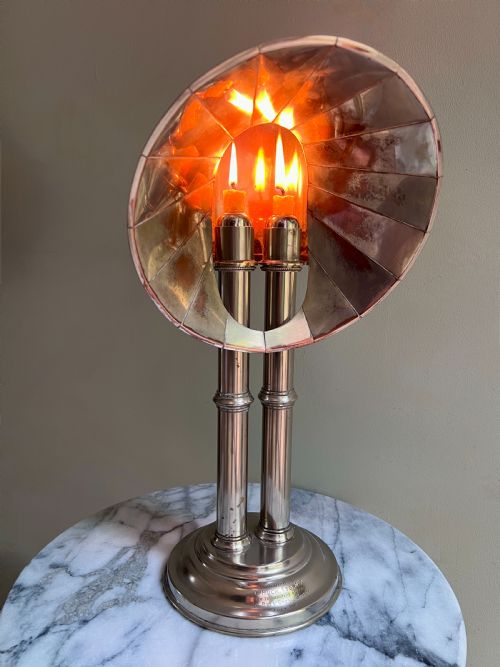
They appear in various formats, from simple student lights with adjustable arms to elaborate figural candelabras featuring bronze sculptures or silver branches.
How do I date a pair of candelabras?
Dating relies on stylistic markers, hallmarks on silver items, and manufacturing techniques. Victorian and Edwardian pieces often display distinct revivalist motifs or registration marks.
Twentieth-century examples transition into Arts and Crafts, Art Deco, or Jugendstil aesthetics, reflecting the design philosophy of their specific decade of production.
Are silver-plated items durable?
Silver plating applies a thin layer of genuine silver over a base metal such as brass or copper. With careful cleaning, these pieces maintain their finish for generations.
Harsh abrasive polishes wear away the plating over time, exposing the darker base metal underneath, so gentle cloth cleaning is necessary.
Can I use standard candles in these?
Most antique candleholders accommodate standard dinner tapers, though older European and English pieces sometimes require slightly narrower diameters. Testing a taper before lighting ensures a secure fit.
Many listings also show electrified conversions or desk lamp adaptations, which utilise small bulbs instead of wax candles.