


Twentieth Century Art Painting
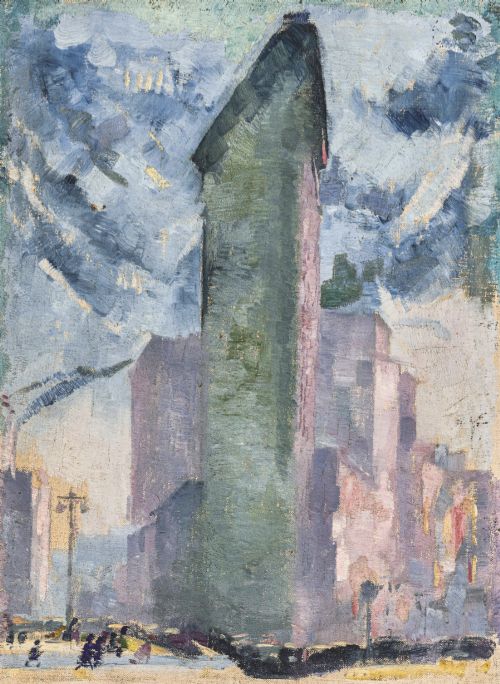
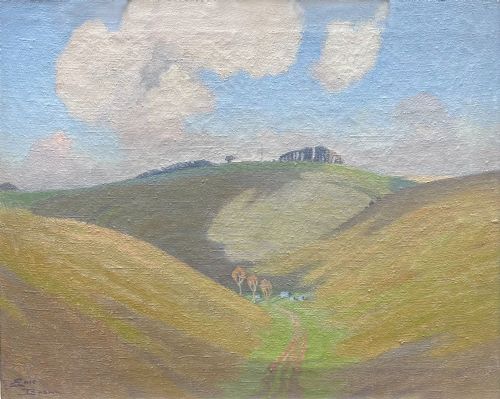
Twentieth century art painting brings together diverse canvases and watercolours capturing landscapes, portraits and townscapes through changing modern movements.
Twentieth Century Art Painting
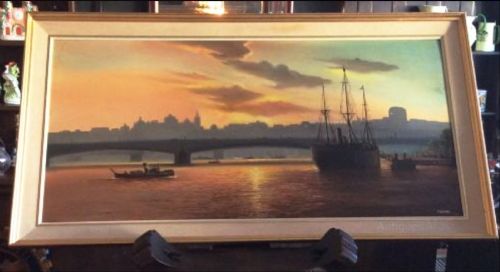
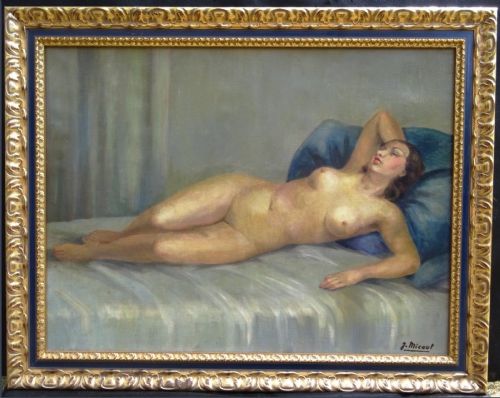
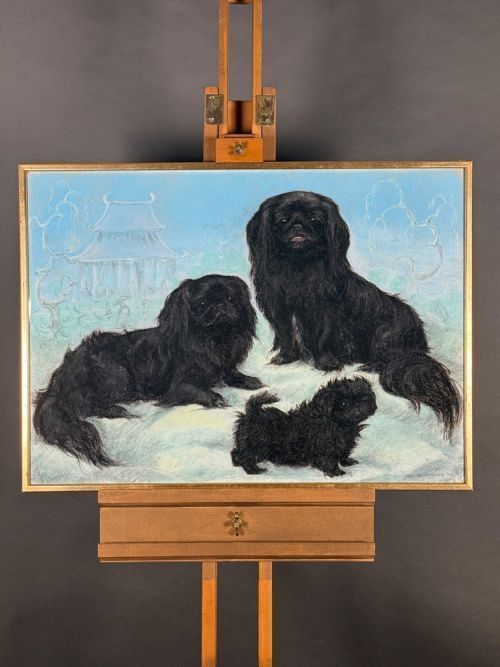
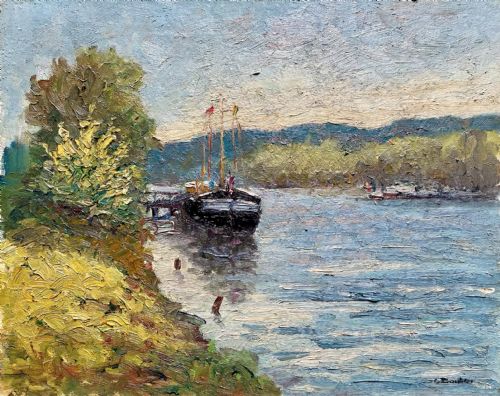
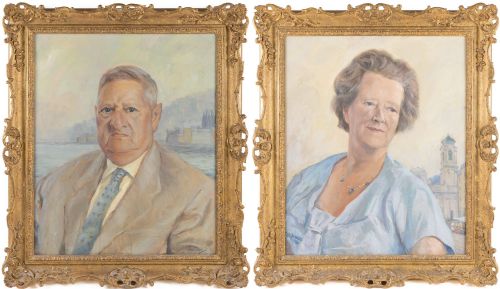
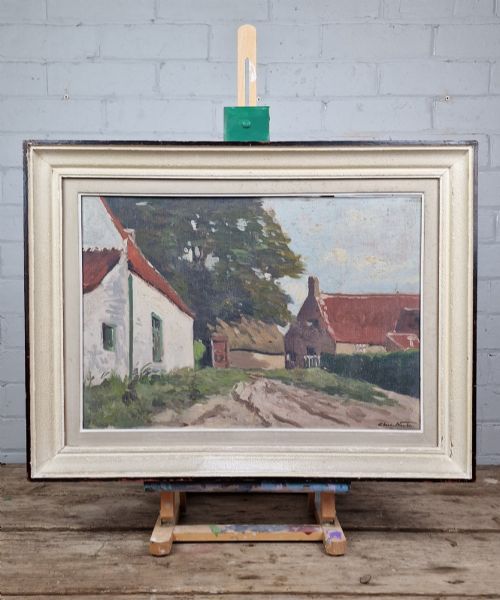
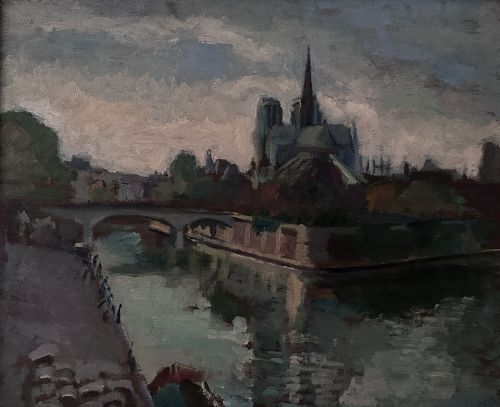
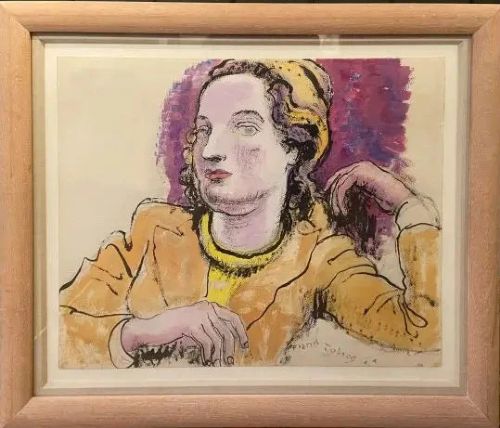
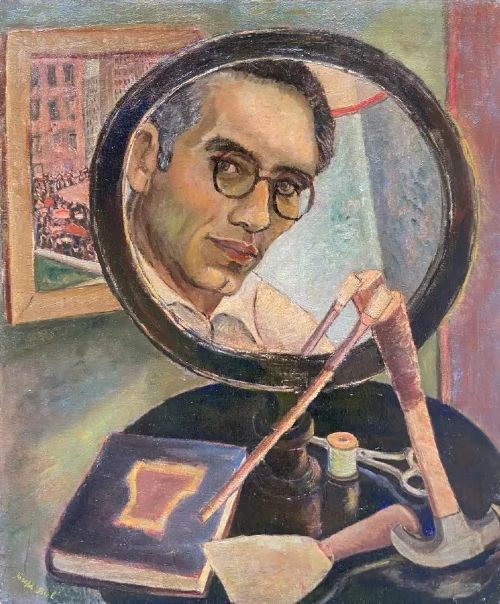
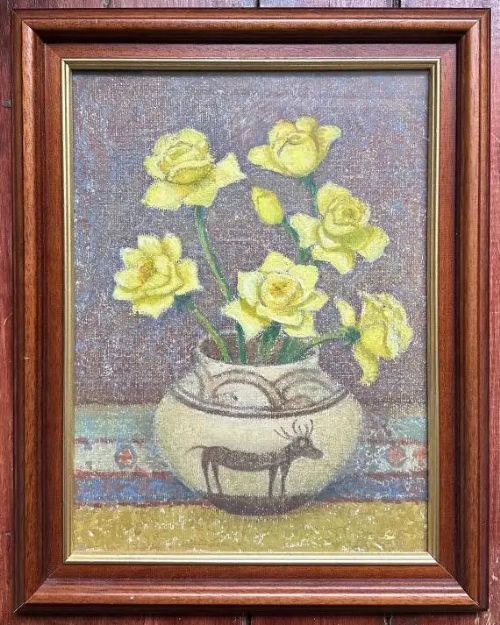
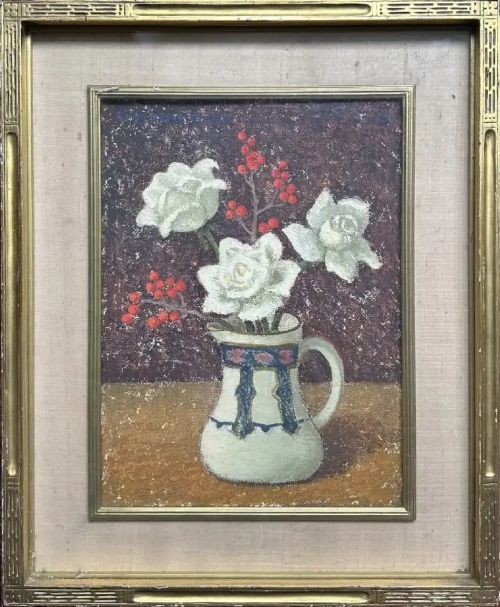
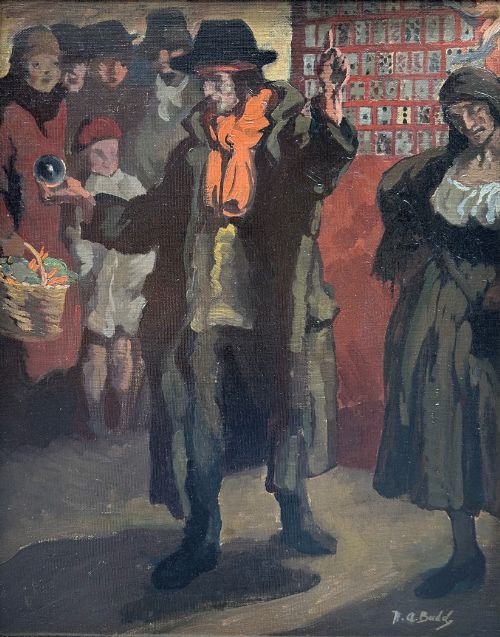
Twentieth century art painting encompasses oil, watercolour and pastel works created across decades of stylistic shifts. A buyer exploring this selection encounters maritime scenes, coastal views, still lifes and figure studies.
The assortment includes examples ranging from Edwardian and Post-Impressionist compositions to mid-century realisms and British interpretations. Pieces span from delicate works on paper to substantial oil paintings on canvas and panel.
Portraits and topographical views from British, French and Belgian artists populate the selection. Works bridge traditional representation and emerging modern tendencies across the decades.
Materials and Methods
Artists painted primarily using oil or watercolour applied to canvas, wood panel, board or heavy paper. Canvases are frequently stretched over wooden frames, while watercolours rely on paper supports.
Pigments were mixed with oils or water binders, sometimes structured with impasto or thinned for translucent washes. Many pieces retain original frames, including swept gilt designs characteristic of the period.
Materials documented across the listings include oil, watercolour, pastel, wood, canvas and glass.
Qualities of Distinction
Quality rests upon the confidence of the brushwork and the clarity of the composition. Skilled handling of light and pigment elevates a modest subject into a compelling visual record.
Condition of the medium and the integrity of the support dictate the enduring strength of the piece. Works retaining their original untouched surfaces and complementary period frames carry greater visual harmony.
Clifford Hanney·Charles Houben·Frank Dobson·Joseph Biel·Emma Fordyce MacRae·Herbert Ashwin Budd·Alfred Wolmark·Eric Brown·Henri Ottmann·Peter Newcombe·John Hodgson Lobley·Herbert Royle·Paul Élie Gernez·Michael Healy·Vincenzo D’Esposito·Antoine Calbet·Sir David Murray·Gabriel Dauchot·Septimus Scott·Fred Lawson·Robert Leslie Howey·Philippa Maynard Romer·Friedrich von Kaulbach·Merio Ameglio·Jules Rambo
The Twentieth Century Art Painting Glossary
- Post-Impressionism
- A predominantly French art movement developing roughly between the late nineteenth century and the early twentieth century. Artists extended Impressionism while rejecting its limitations, focusing on geometric forms and expressive use of colour.
- Watercolour
- A painting method in which the paints are made of pigments suspended in a water-based solution. The technique relies on transparency and the reflective quality of white paper.
- Impasto
- The process of applying paint thickly on a canvas so that it stands out from the surface. This technique allows brush strokes and knife marks to retain texture and catch light.
- Provenance
- The chronology of the ownership, custody or location of a historical object. Documented history often confirms authenticity and adds context to an artwork.
Twentieth Century Art Painting: Frequently Asked Questions
What periods do these paintings cover?
The works span from the Edwardian era through various decades of the twentieth century. Examples reflect changing artistic movements from early twentieth century traditions to mid-century modern developments.
Selections include dated pieces and stylistic markers originating across British and European schools.
What surfaces were used for these artworks?
Artists utilised canvas, wooden panels, board and heavy paper. Oil paints were standard for canvases and panels, while watercolours and pastels were worked on paper.
Supports varied according to the medium and the painter's preferred technique.
How do I identify a watercolour from an oil painting?
Watercolours are painted on paper, often showing transparent washes of pigment beneath glass within a framed presentation. Oil paintings utilise thick or blended pigments on canvas or wood boards.
Surface texture and reflection differ distinctly between the two mediums.
Where were these artists working?
Makers recorded in the listings operated across Britain, France, Belgium, and Italy. Landscapes capture specific regional views such as the Thames, Normandy coast, Venice, and Yorkshire.
Provenance reflects both domestic British scenes and continental European subjects.