
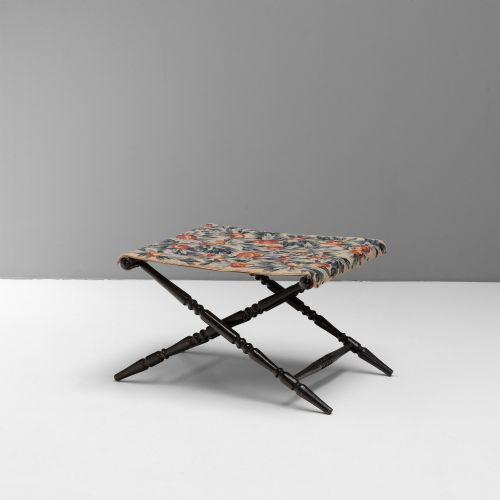
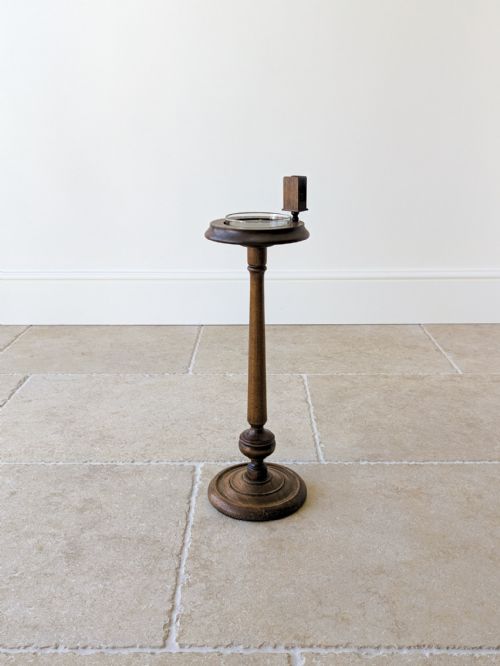
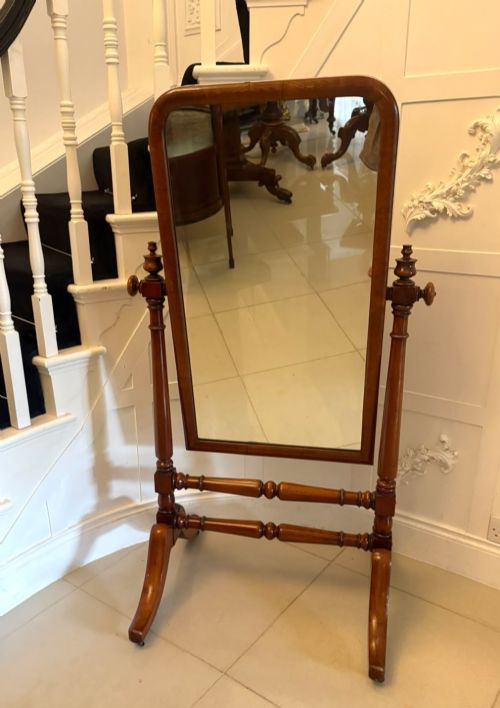
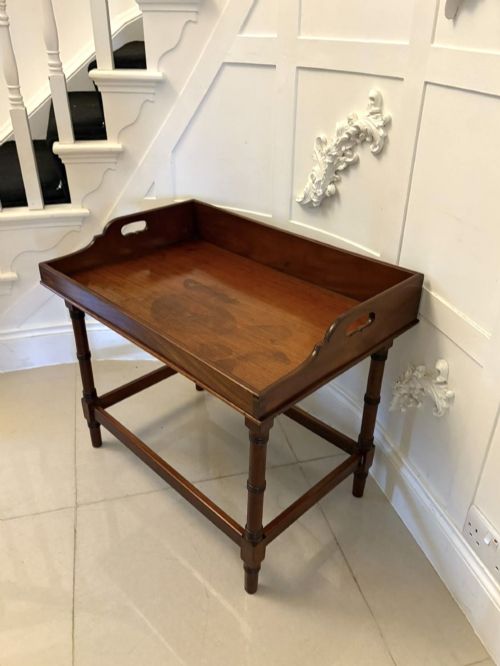

Turned Wooden Stand
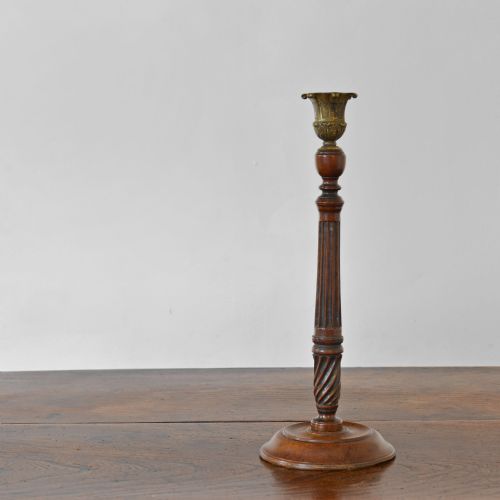
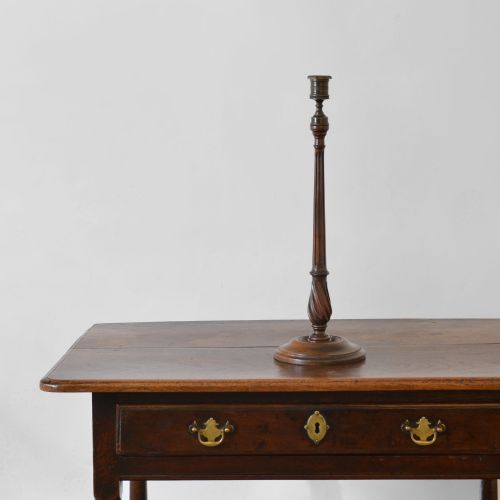
A turned wooden stand offers functional elegance, holding everything from lamps to hats with the quiet strength of traditional joinery.
Turned Wooden Stand
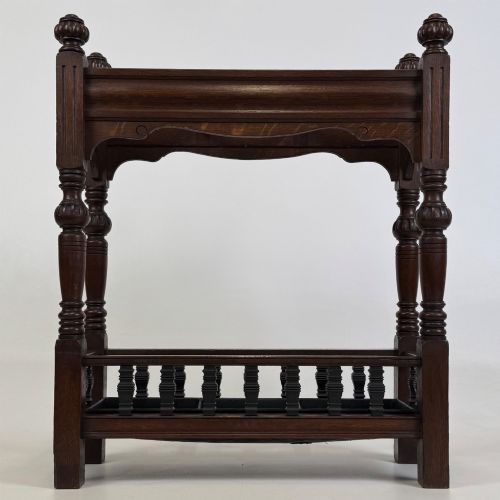
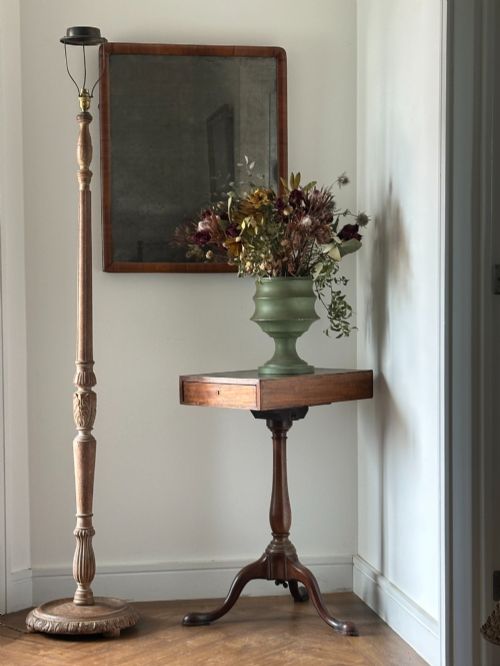
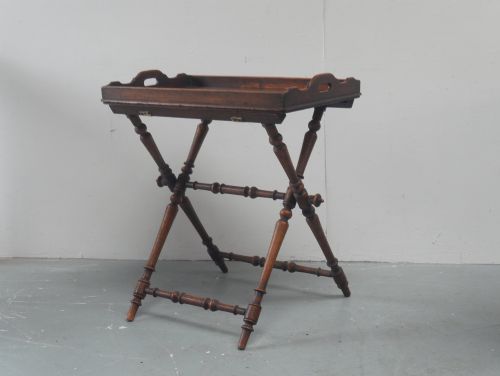
Buyers seeking a turned wooden stand encounter forms adapted for specific household tasks, such as holding candles, displaying plants, or supporting reading material. Alongside occasional tables and plant stands, the archive records specialised display pieces like wig and hat stands.
Originating across domestic and institutional settings, these items display the stylistic shifts of their eras, moving from the restrained lines of the eighteenth century through the robust oak of the Arts and Crafts movement to later twentieth-century interpretations.
How they were made
Makers utilised a core palette of hardwoods including mahogany, oak, and walnut, frequently selecting specific timbers for their grain pattern or suitability for lathe work. Burr walnut and ebonised wood also appear, adding distinct surface texture and contrasting dark tones to the turned profiles.
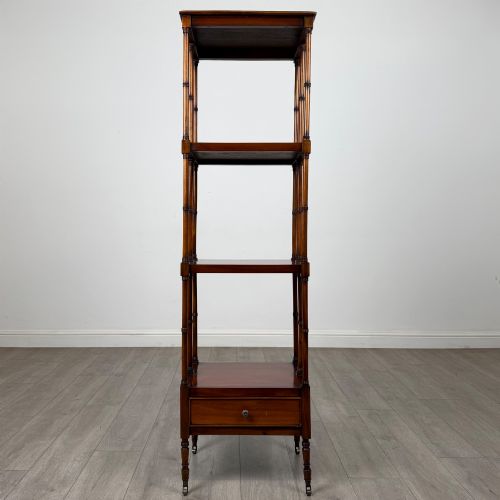
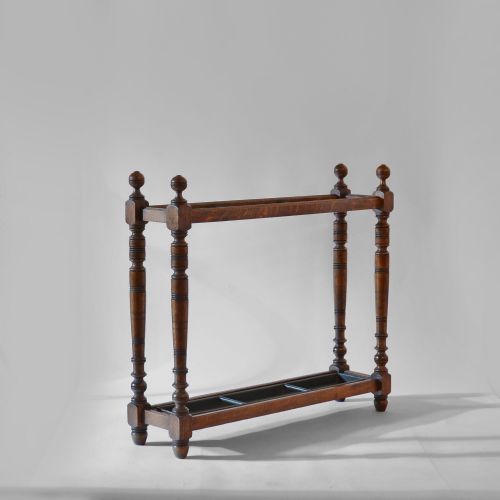
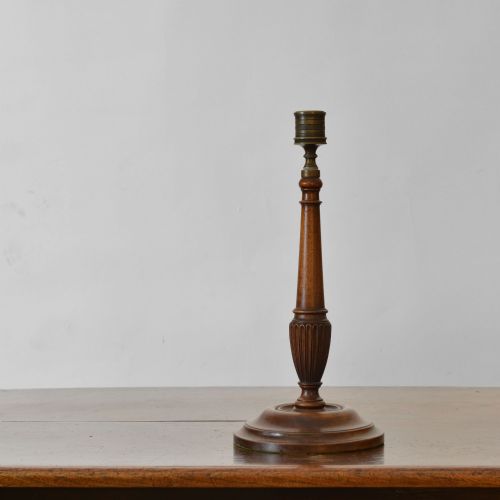
Construction relies heavily on lathe-turning for shafts and columns, paired with traditional joinery such as tripod bases, jointed framing, and occasional brass fittings. Decorative details like inlay, carving, and limed finishes enhance the primary timber without obscuring the structural form.
Early shop display stands once held gentlemanly wigs and stylish hats instead of modern lamps.
What varies in quality
Quality in a turned wooden stand is rooted in the precision of the turning and the selection of the timber. Dense, well-figured woods paired with clean, crisp lathe work distinguish superior examples from simpler utilitarian pieces.
The integration of decorative elements, such as subtle inlay or balanced proportions in tripod legs and pedestals, marks the difference between standard workshop production and finer craftsmanship.
Gillows·Hindley and Sons
The Turned Wooden Stand Glossary
- Torchere
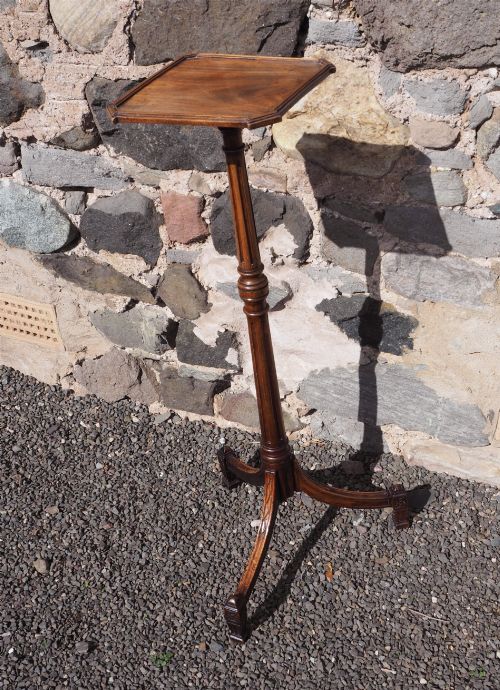
- A tall, slender stand designed specifically to support a single candle or lamp. These elevated pieces often feature elaborate turned columns and sturdy tripod bases.
- Tripod table
- A small occasional table supported by a pillar above three spreading feet. This design ensures stability on uneven floors.
- Ebonised
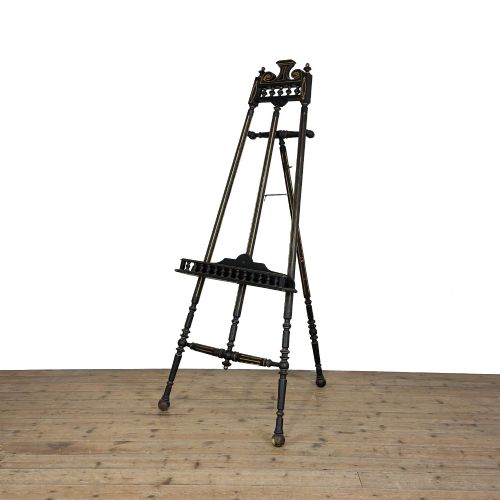
- Wood treated with a chemical finish or stain to imitate costly ebony. This technique was popular in Victorian and Aesthetic movement pieces.
- Canterbury
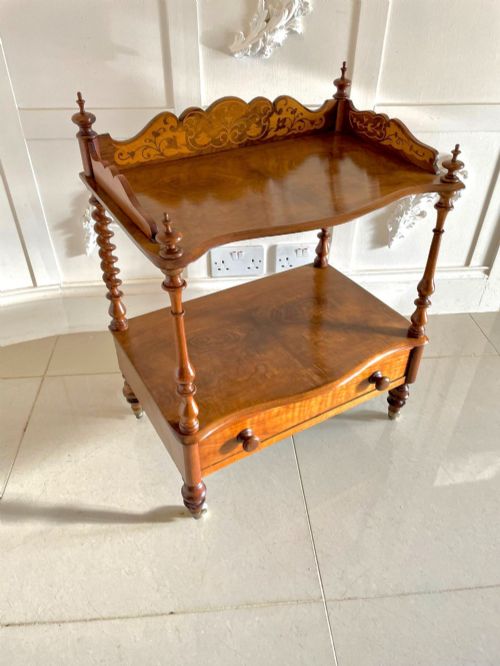
- A low stand featuring partitions, originally designed for sheet music or books. It frequently incorporates turned uprights in its construction.
- Inlay
- A technique where contrasting materials such as satinwood or brass are inserted into recesses within the primary wood surface. It creates decorative patterns across tabletops and stands.
Turned Wooden Stand: Frequently Asked Questions
What is a turned wooden stand used for?
These versatile stands serve numerous household functions, historically supporting lighting, hats, wigs, or plants.
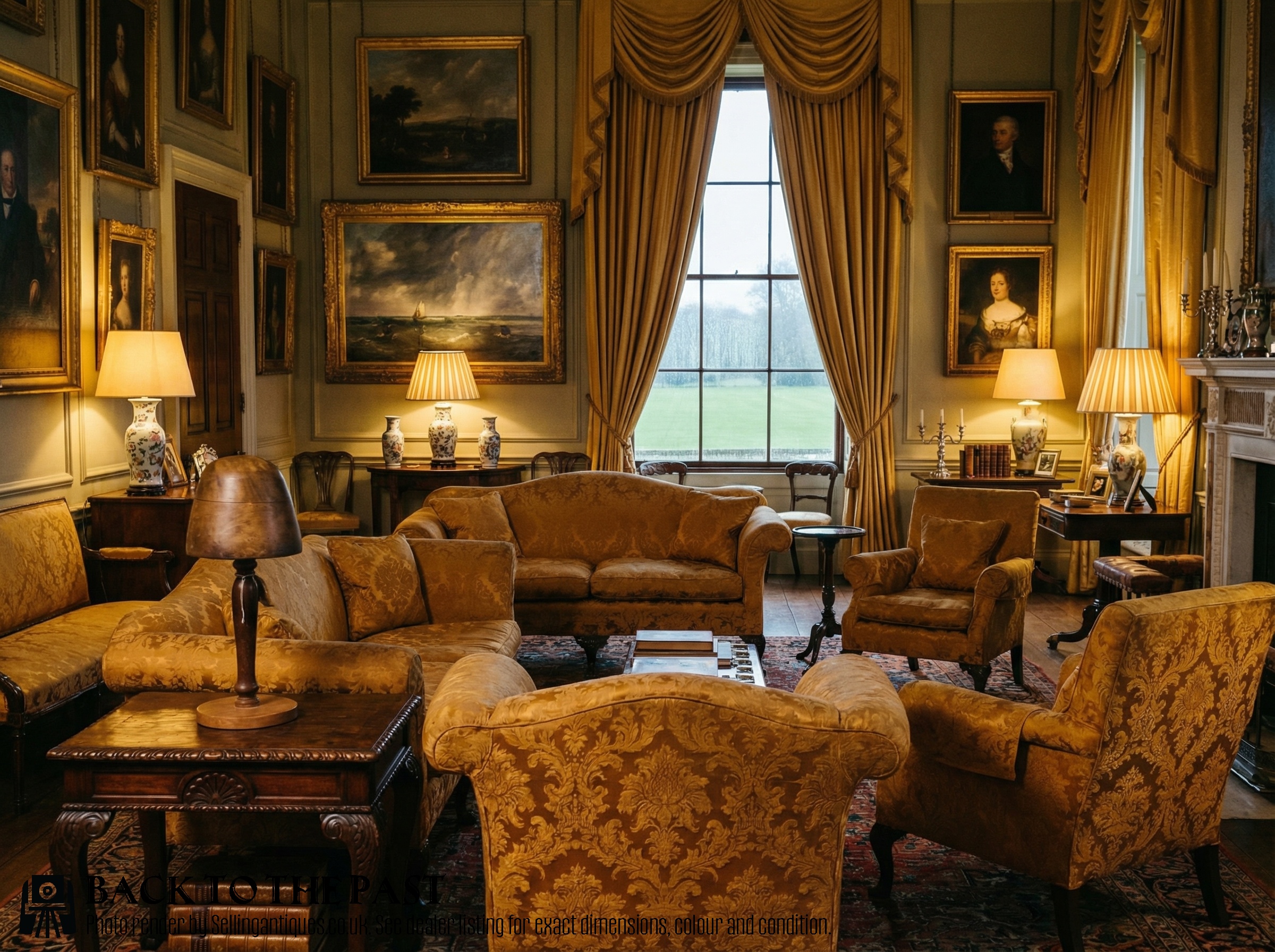
Today, they find placement in hallways, sitting rooms, and corners as compact display surfaces or lamp bases.
How do I identify a Georgian stand?
Georgian pieces typically feature mahogany timber, clean proportions, and understated classical turning on columns and legs.
They often take the form of candlesticks or wine tables with tripod bases designed for stability.
Are these stands sturdy enough for daily use?
Most stands are constructed from solid hardwoods like oak, walnut, or mahogany, built to handle everyday domestic utility.
Care should be taken with tall, slender forms like torcheres or easels to ensure they sit on level ground.
What distinguishes Arts and Crafts stands?
Arts and Crafts examples emphasise visible oak grain, honest construction, and simple, sturdy forms rather than ornate veneers.
They often showcase the natural texture of the wood alongside straightforward joined elements.