

Turned Wooden Accent Chair
When you choose a turned wooden accent chair, you select a seating piece defined by shaped spindles and structural timber from centuries past.
Turned Wooden Accent Chair
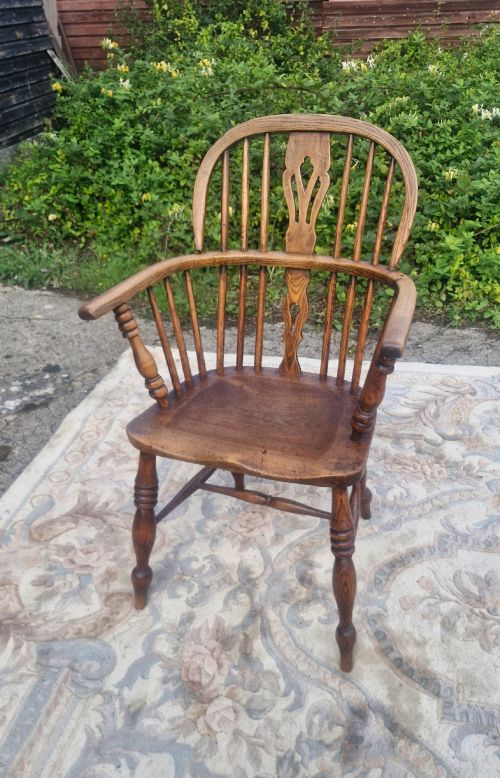
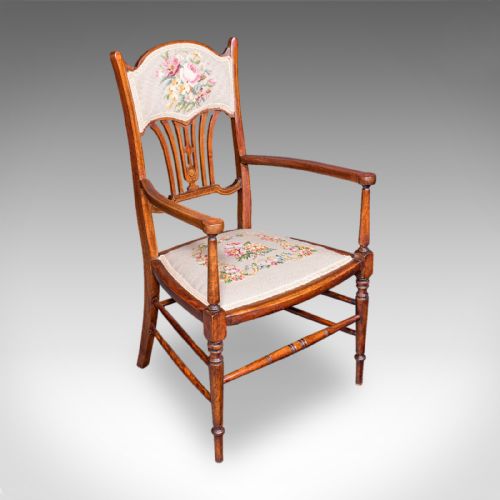
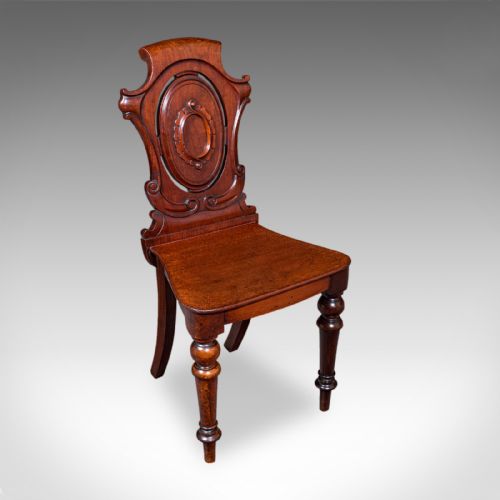
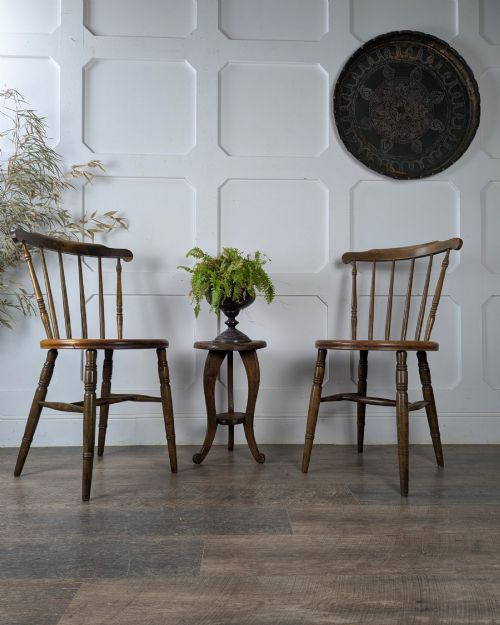
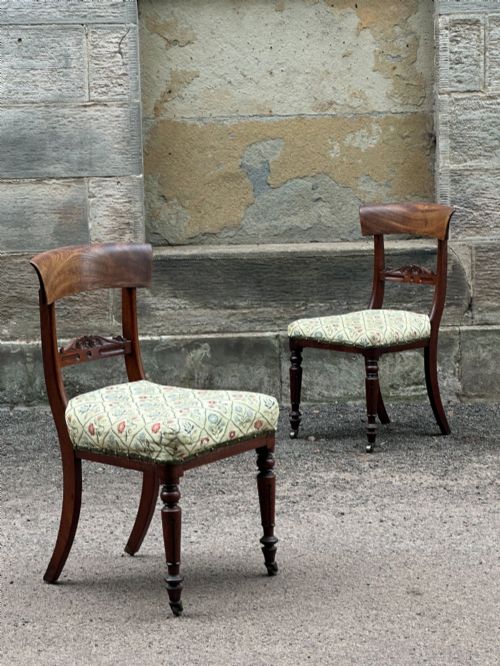
A turned wooden accent chair brings historical seating forms into modern rooms, drawing on centuries of domestic design. Buyers searching this phrase meet various seating types, from kitchen armchairs and country windsors to spindle-backed fireside chairs and low bedroom seats.
The material record spans seventeenth-century joined oak through to Edwardian and early twentieth-century examples. English country styles and Victorian pieces dominate the selection, alongside walnut, ash, elm and beech frames originating from local workshops.
How they were made
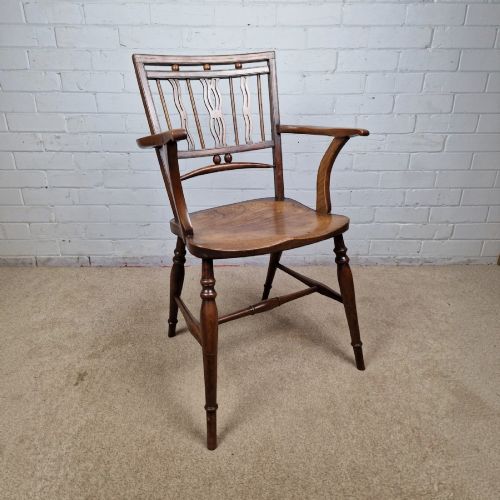
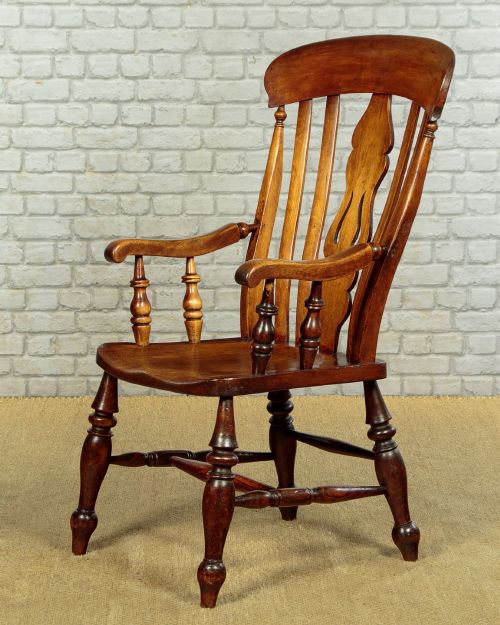
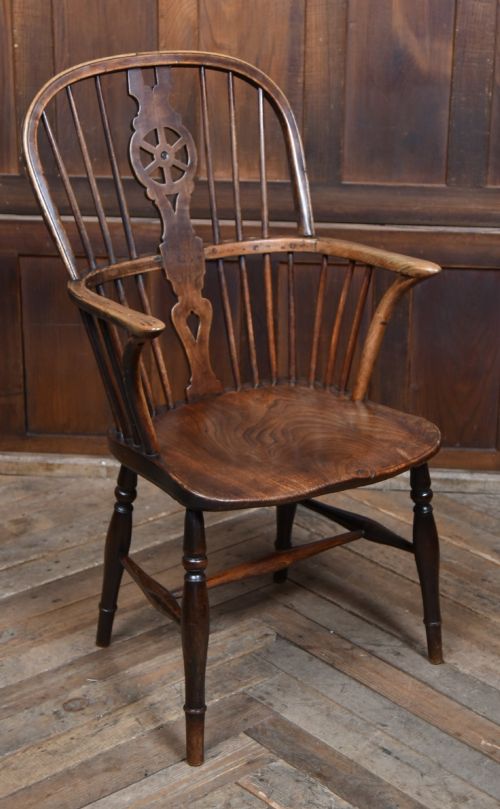
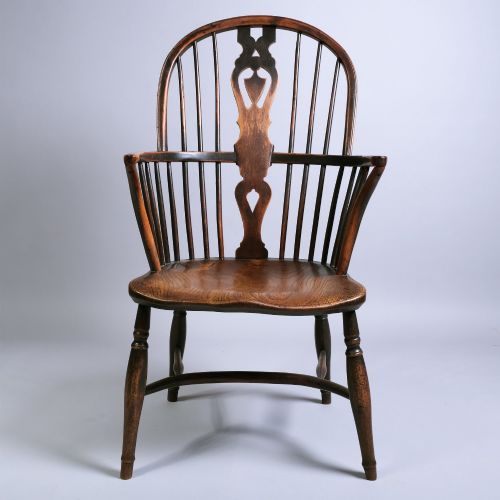
Maker workshops utilised native timbers such as oak, elm, beech, ash and mahogany, often combining contrasting woods within a single frame. Windsor armchairs commonly pair elm seats with ash or yew wood bendings and spindles.
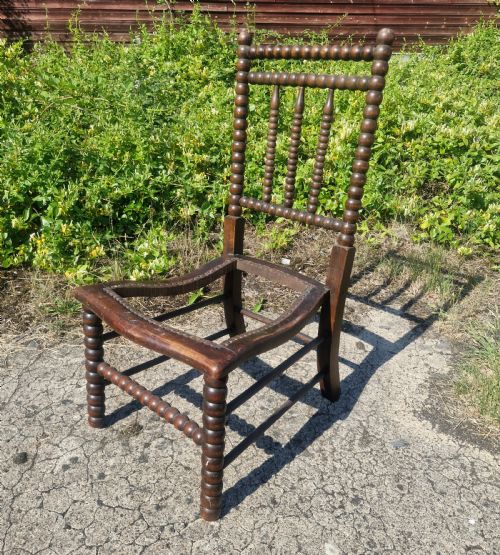
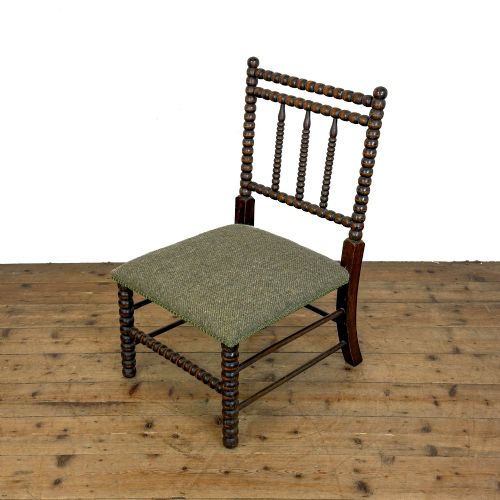
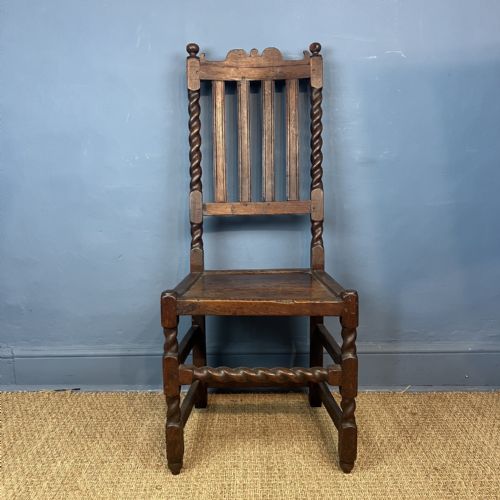
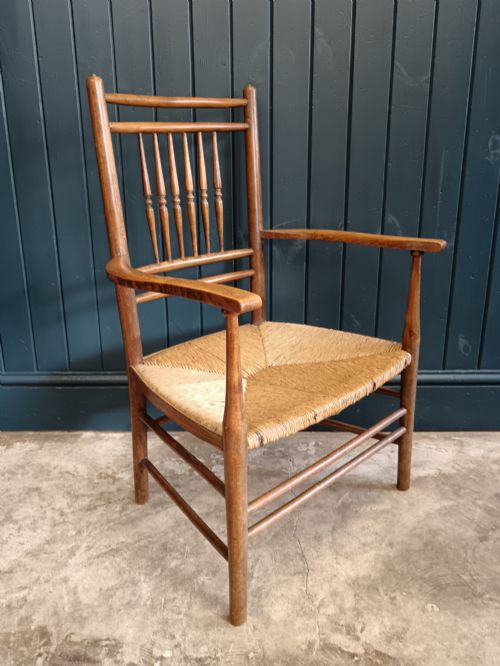
Lathe-turning created decorative bobbin, spindle and columnar supports, while rush seating and upholstered pads provided functional comfort. Joinery techniques relied on pegged mortise and tenon joints to secure the structural components.
Listings feature oak, elm, beech, ash and mahogany timbers across Victorian, Edwardian and seventeenth-century periods.
What varies in quality
Quality rests upon the integrity of the timber selection and the precision of the lathe work. Denser woods and well-balanced spindle formations maintain structural stability across centuries of domestic use.
Original surface patination and minimal timber replacement distinguish superior examples from heavily restored pieces. The harmony of proportions between turned legs, armrests and back rails dictates the visual success of the chair.
E W Godwin
The Turned Wooden Accent Chair Glossary
- Bobbin turned
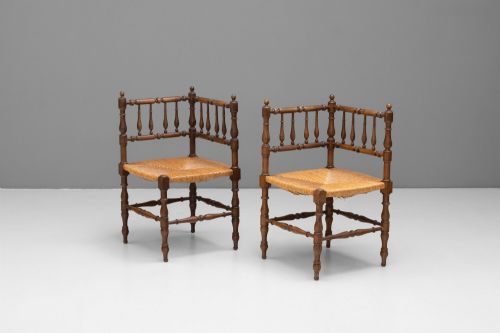
- A style of furniture leg or stretcher shaped on a lathe to resemble a string of rounded wooden bobbins. This decorative turning technique appears frequently on seventeenth and nineteenth-century frames.
- Windsor chair
- A wooden chair featuring a solid carved saddle seat into which separate legs and back spindles are wedged. Common regional variations include hoop-back, low-back and comb-back configurations.
- Rush seat
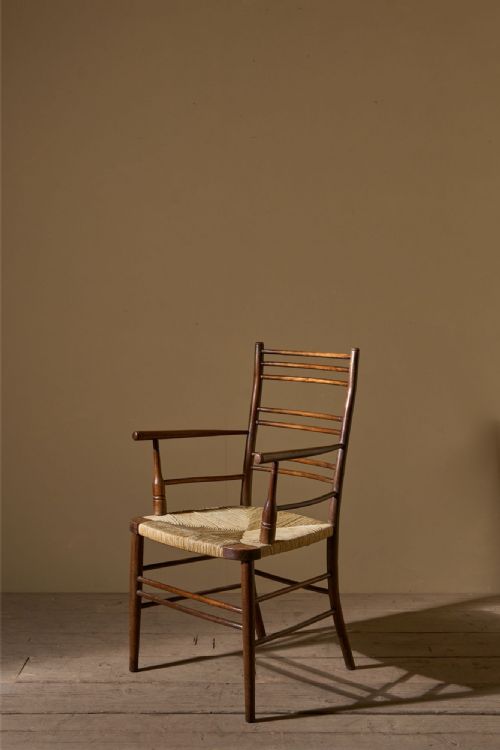
- A seating surface woven from dried marsh rushes or sedge over a wooden frame. This traditional technique yields a resilient, textured pad found on country and Arts and Crafts chairs.
- Ladderback
- A chair back constructed with horizontal arched slats resembling the rungs of a ladder. These frames often utilise ash or beech timbers.
- Carver
- An armchair designed to match a set of dining or side chairs, usually placed at the head of a table. The term frequently describes heavier nineteenth-century country armchairs.
Turned Wooden Accent Chair: Frequently Asked Questions
What is a turned wooden accent chair?
A turned wooden accent chair is a seating piece featuring lathe-shaped spindles, legs or stretchers created from hardwoods like oak, beech and ash.
These pieces encompass historical styles ranging from seventeenth-century joined chairs to nineteenth-century Windsor and spindle-backed designs.
How do I identify the period?
Period identification relies on observing timber choices, joinery methods, and the specific turning profiles employed on the legs and spindles. Seventeenth-century examples display heavy joined oak construction, while nineteenth-century pieces often utilise elm, ash and beech.
Changes in silhouette, such as high backs or low bedroom proportions, also help contextualise the decade of manufacture.
Were these chairs used outdoors?
These chairs served primarily as indoor domestic seating in parlours, bedrooms, kitchens and morning rooms. Their timber construction required indoor protection to preserve the joints and surface finishes.
Regional forms adapted to specific indoor tasks, including fireside reading or desk work.
How do I care for antique wood?
Maintaining antique wooden chairs involves keeping them away from direct heat sources and rapid humidity changes that cause timber shrinkage. Regular dusting with a dry cloth preserves the aged surface patination.
Applied waxes should remain minimal to avoid building up a heavy residue on carved details and lathe turnings.