

English Country Side Chair
An english country side chair offers honest vernacular charm, built for everyday utility from local timbers like elm, ash, and beech.
English Country Side Chair
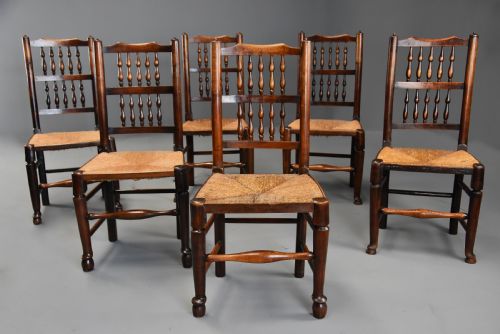
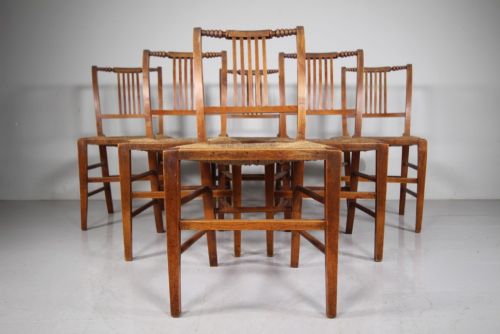
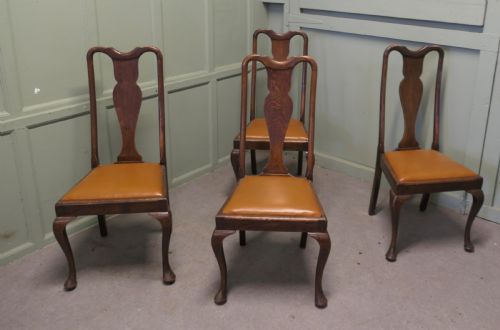
An english country side chair represents unpretentious domestic seating rooted in regional British traditions. These pieces span centuries of rural craftsmanship, ranging from simple spindle backs to more formal country iterations.
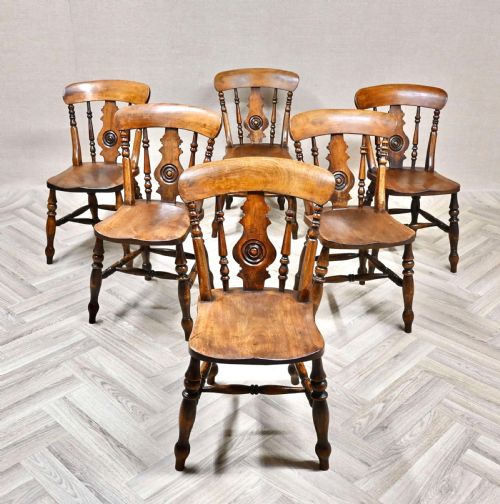
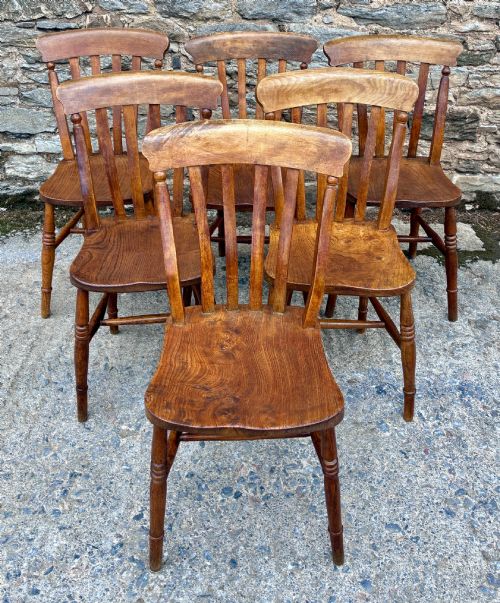
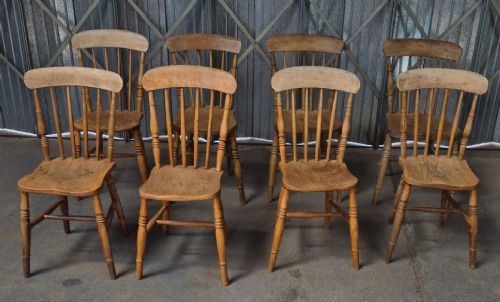
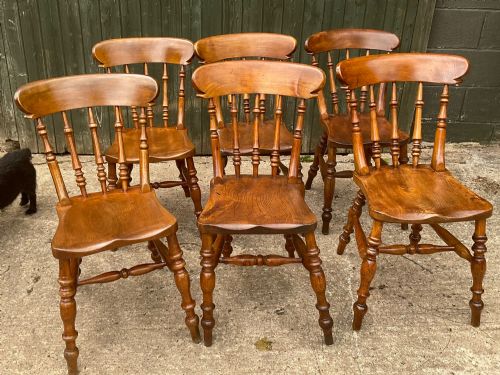
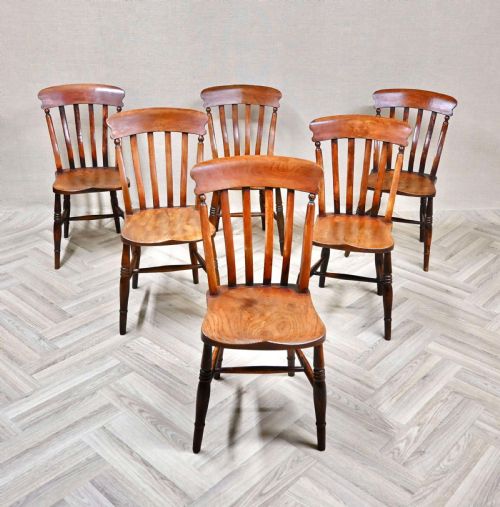
The most frequent examples encountered here are vernacular dining chairs and kitchen seating from the nineteenth century. Elm seats paired with ash or beech turnings form the backbone of this group.
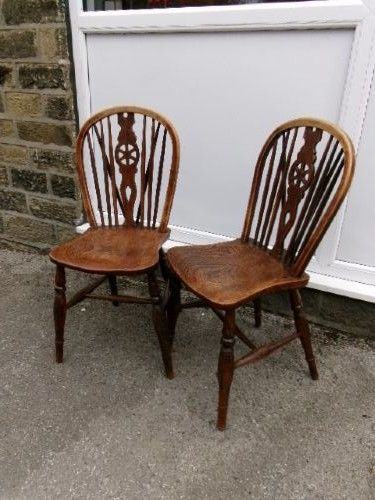
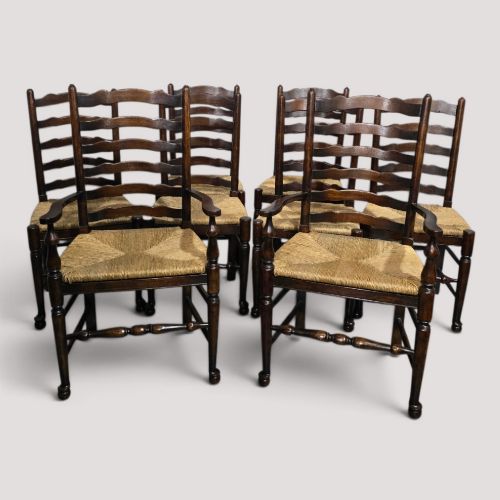
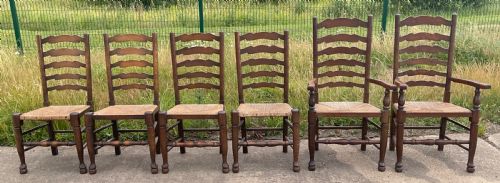
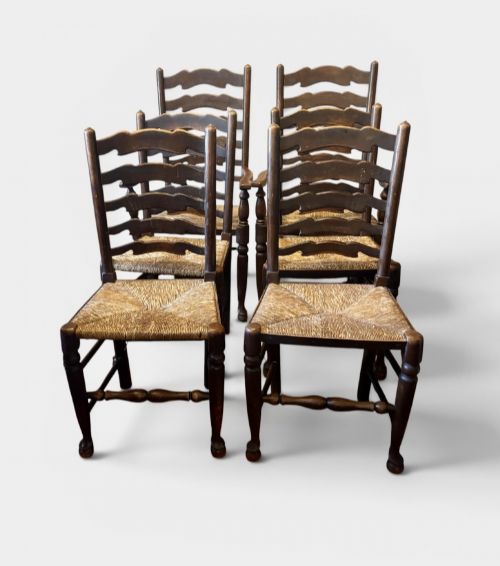
Makers drew on local timber stocks to produce sturdy forms designed for daily use rather than formal salons. Windsor variants, ladder backs, and rush-seated chairs dominate the available range.
Materials and construction
Timbers were chosen for specific structural properties, combining dense hardwoods like oak and elm for seats with flexible woods such as ash and beech for spindles and bent parts.
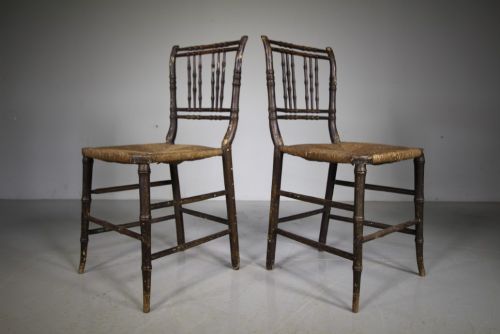
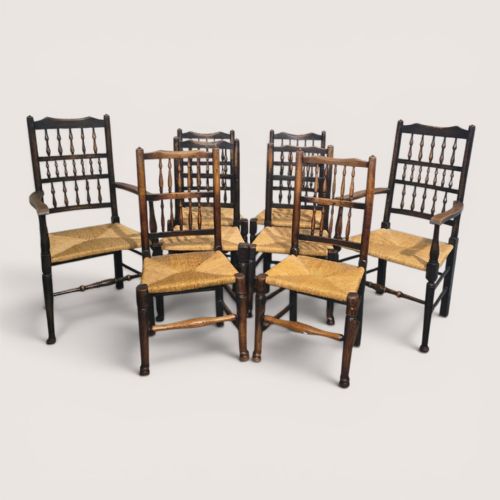
Traditional joinery relied on turned components fitted into bored solid wood seats, often reinforced with steam-bent bows and rails. Rush seating added a woven organic element to frames of ash or elm.
Several chairs retain centuries of dining crumbs wedged deep inside stubborn spindle joints.
Distinctions in quality
Quality rests on the integrity of the timber selection and the retention of original components through centuries of use. Chairs shaped from well-figured elm and properly seasoned ash display superior structural resilience.
Subtle differences in the crispness of turned spindles and the balance of hoop or wheel backs separate standard utility pieces from finer vernacular outputs. Surface character, such as an untouched historic patina, elevates an example further.
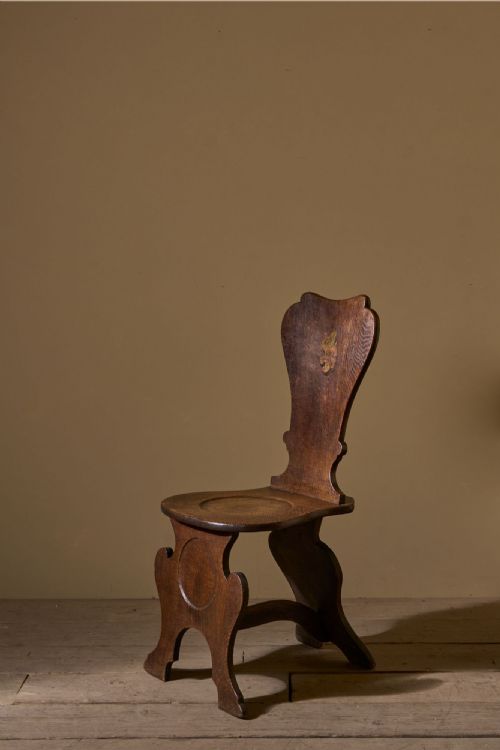
Worksop best model
The English Country Side Chair Glossary
- Vernacular
- Everyday objects made by local craftsmen using regional styles and materials, distinct from high-style urban furniture. These pieces reflect practical local needs rather than academic design rules.
- Windsor
- A chair built with a solid wooden seat into which the legs and back cantle are fitted directly. This construction creates a robust framework typical of rural British seating.
- Spindle back
- A chair back filled with thin, turned vertical wooden rods. These slender elements provide flexible support while keeping the frame lightweight.
- Rush seat
- A seating surface woven from dried marsh grasses or rushes. This traditional method creates a textured, supportive pad common on ladder-back chairs.
English Country Side Chair: Frequently Asked Questions
What is an english country side chair?
An english country side chair is a utilitarian wooden seat produced for rural homes, farmhouses, and provincial kitchens. These pieces focus on sturdy construction and local materials rather than courtly ornamentation.
They include ladder backs, Windsor chairs, and spindle backs that were used daily around farmhouse tables and in hallways.
How do I date an antique country chair?
Dating relies on observing tool marks, timber combinations, and structural wear patterns. Earlier pieces from the eighteenth century often feature joined oak frames or heavier elm plank seats.
Nineteenth-century examples frequently show steam-bent components and machine-sawn turnings that reflect industrial shifts in rural workshops.
Where were these chairs used originally?
These seats were made for everyday domestic life in provincial farmhouses, cottages, and country houses. They served principally as kitchen and dining seating.
Some lighter forms also functioned as hall chairs or reception seating, placed near entrances to hold guests' hats and coats.
How do I care for antique elm and ash furniture?
Keep wooden chairs away from direct heat sources and sudden temperature shifts to prevent timber splitting. Maintain stable indoor humidity levels.
Apply a traditional beeswax polish sparingly to nourish the dry wood and preserve the historic surface finish without building up heavy residues.