



Brown Cane Seat Chair
A brown cane seat chair offers light, resilient seating that has suited libraries, dining rooms and bedrooms for centuries.
Brown Cane Seat Chair
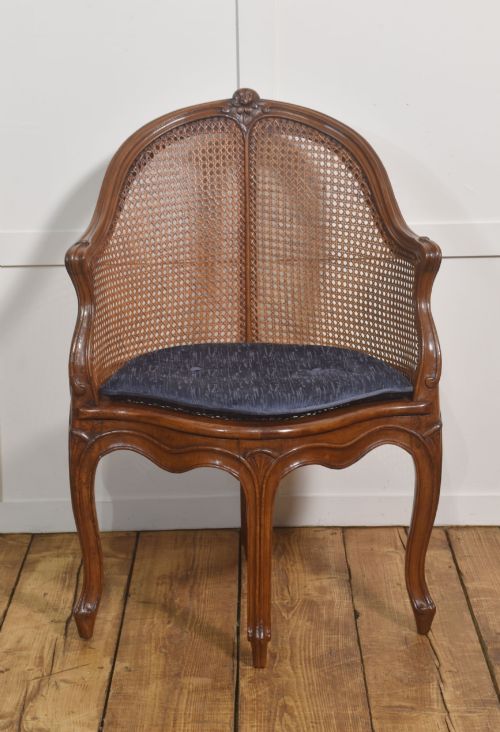
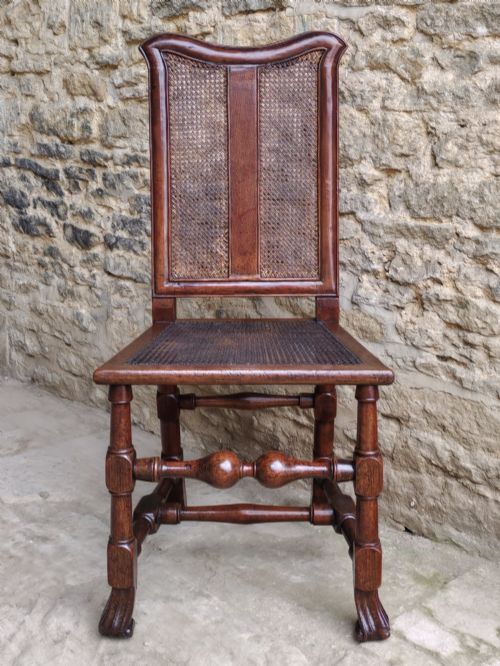
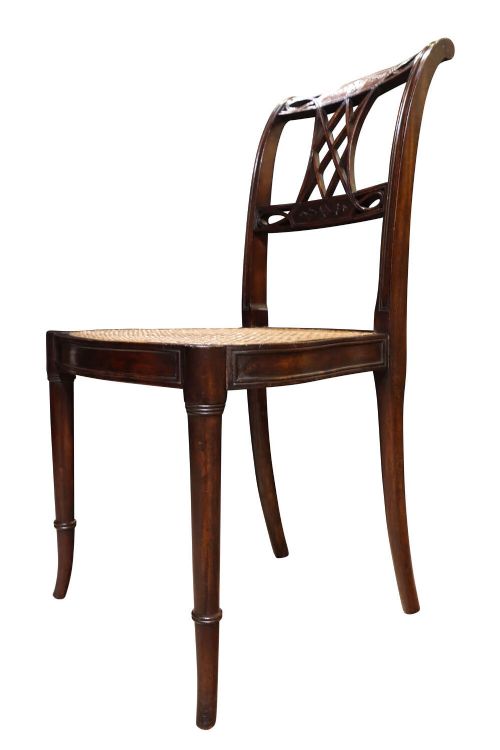
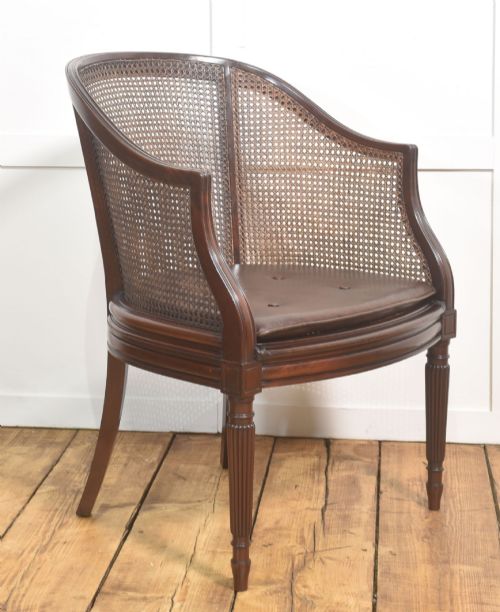
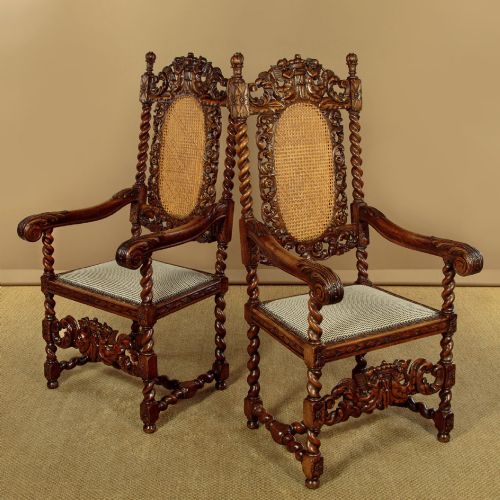
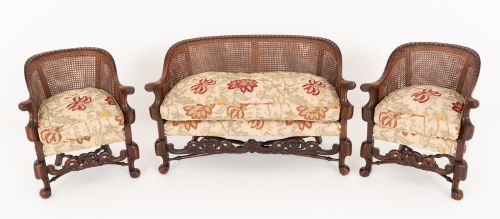
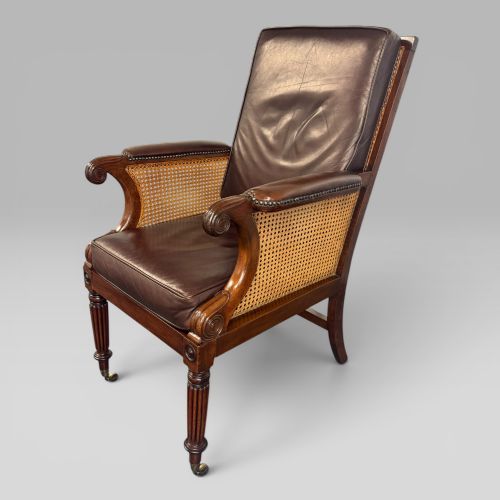
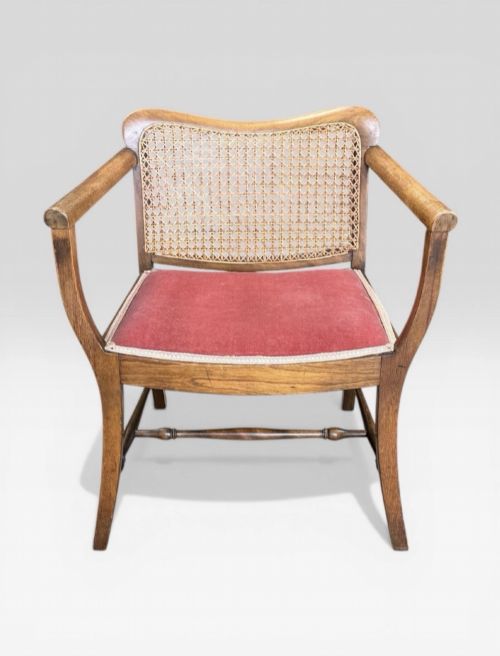
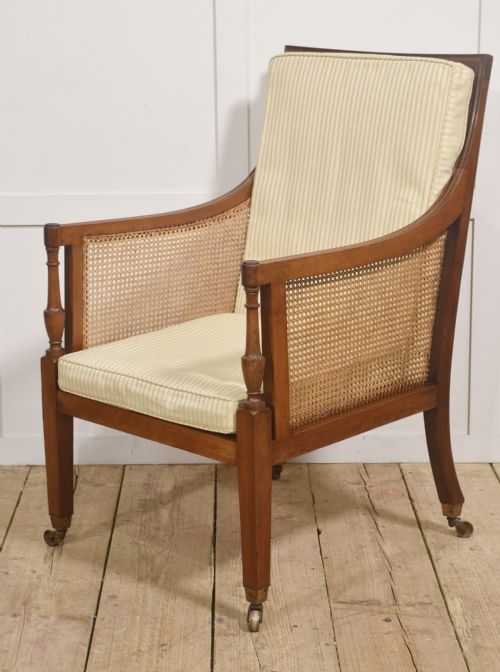
A brown cane seat chair appears in forms ranging from simple bedroom side chairs to substantial library bergères and sets of dining chairs. When searching for a brown cane seat chair, a buyer encounters pieces originating from the eighteenth century through to the Edwardian period, often reflecting revival styles such as Regency, Jacobean and William and Mary.
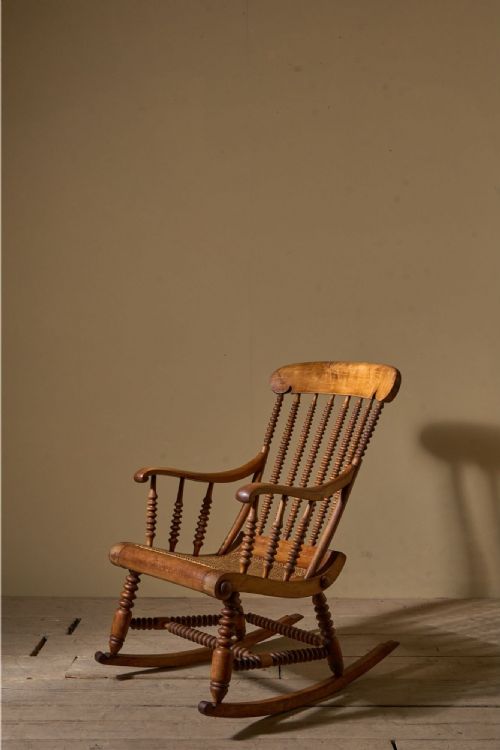
Armchairs, rocking chairs, folding campaign chairs and high chairs represent the primary seating varieties available. Many examples incorporate wooden frames paired with woven cane panels to form seats or backs, drawing on diverse origins from British workshops to French and Anglo-Indian makers.
Craftsmanship and Design
The refinement of the wood carving and the tightness of the cane weaving dictate the standing of an individual piece. Fine examples display crisp detailing along the back rails and legs, coupled with evenly tensioned cane work that remains taut across the frame.
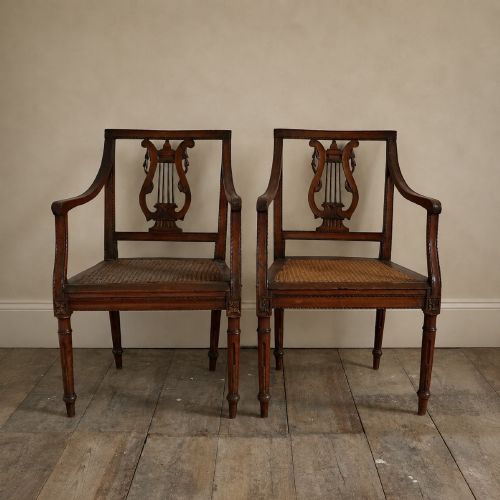
Proportion and period integrity separate standard production from exceptional pieces. Chairs that retain their original timber surfaces and distinct stylistic flourishes, such as barley twist legs or lyre backs, demonstrate superior design execution.
Listings feature mahogany, walnut and oak frames paired with cane, leather and brass across the nineteenth and twentieth centuries.
James Shoolbred·Dryad & Co·Waring & Gillow
The Brown Cane Seat Chair Glossary
- Bergère
- An enclosed armchair with upholstered or caned sides and a cane seat. This French form gained popularity in various British revival styles.
- Cane
- Strips of peeled rattan woven into a mesh pattern for seating. It provides a durable and breathable surface.
- Lyre Back
- A chair back featuring a central splat shaped like an ancient Greek lyre. This design is frequently observed in Regency seating.
- Barley Twist
- A turned wood decoration resembling a twisted rope. It appears commonly on the legs and stretchers of seventeenth-century style chairs.
- Klismos
- An ancient Greek chair design characterised by curved, sweeping legs and a concave backrest. This classic form was revived during the nineteenth century.
Brown Cane Seat Chair: Frequently Asked Questions
How do I clean a cane seat?
Wipe the cane gently using a damp cloth with mild soap, avoiding excess moisture that might weaken the natural fibres. Allow the material to dry completely in a well-ventilated room.
Applying a light coat of boiled linseed oil occasionally helps maintain the flexibility of older cane and prevents it from becoming brittle.
Are these chairs suitable for daily use?
Most sturdy examples handle regular seating well, provided users avoid placing excessive localized weight on the woven panels. Dining chairs and library armchairs were built for daily utility.
Delicate antique pieces or smaller bedroom chairs require more careful handling to preserve the integrity of the older wooden joints and woven cane.
How do I identify a Regency chair?
Regency chairs often feature classical motifs, mahogany frames and restrained carved details such as brass inlays or curved backs. Proportions are typically clean and architectural.
Look for characteristics like saber legs or lyre-shaped splats that reflect the classical revival tastes of the early nineteenth century.
Can broken cane be repaired?
Skilled restorers can re-weave damaged sections of cane using traditional materials and techniques. Complete replacement of the panel restores the full structural support of the seat.
Professional re-caning ensures the new weave matches the original hole pattern and frame dimensions of the antique chair.