


Turned Wood Plant Pedestal
A turned wood plant pedestal elevates greenery with architectural presence, offering a sturdy and sculptural stage for indoor flora.
Turned Wood Plant Pedestal
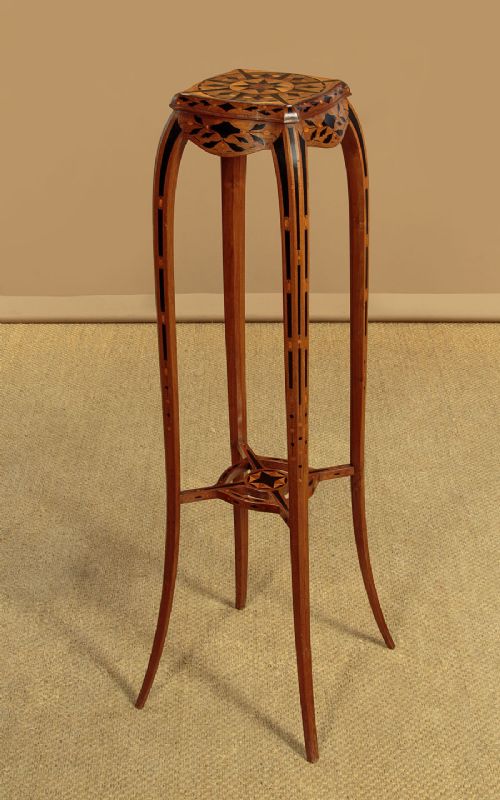
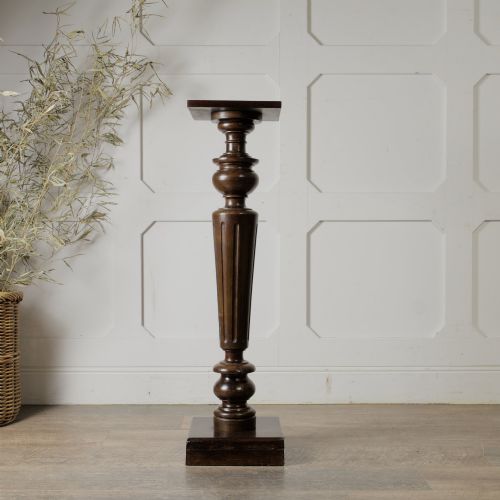
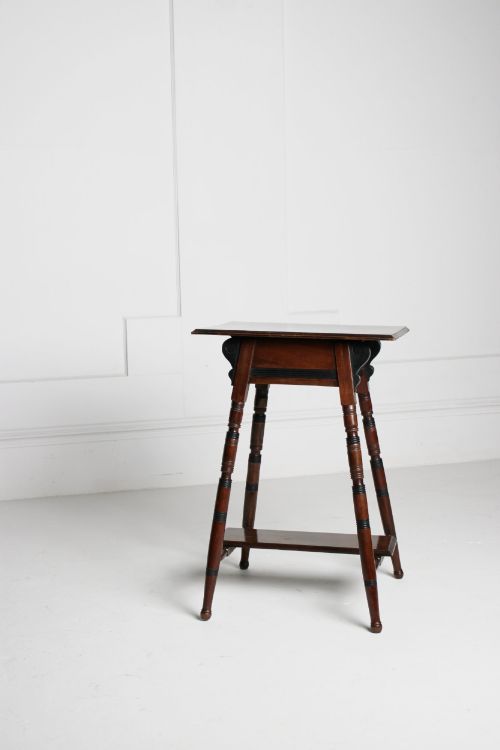
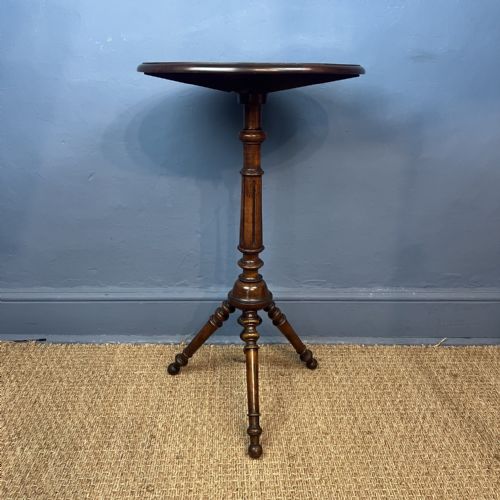
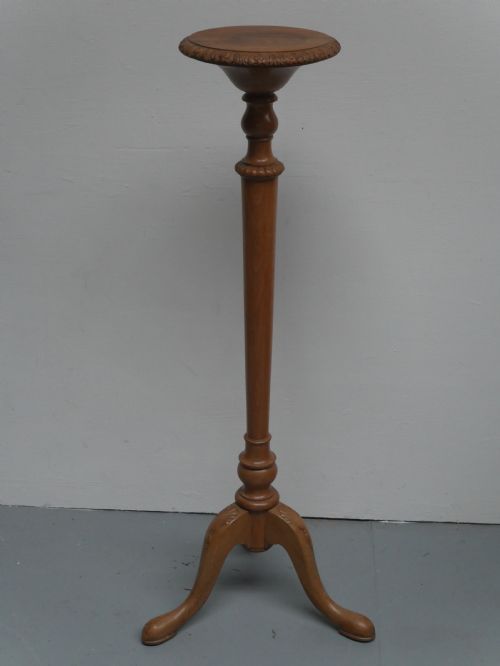
When you search for a turned wood plant pedestal, you encounter tall, slender supports designed to elevate plants, candleholders, or decorative objects. The selections span the 18th century, Victorian era, and early 20th century, encompassing Georgian, Edwardian, and Aesthetic Movement designs.
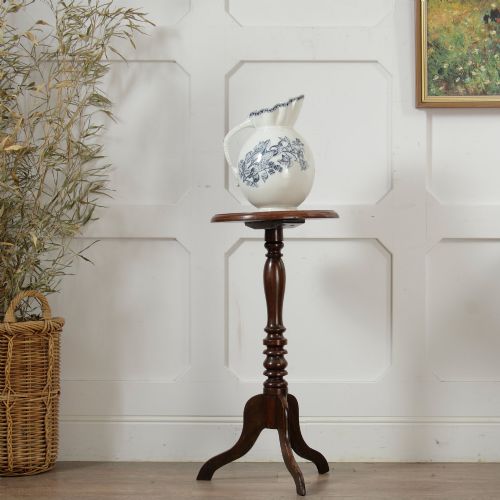
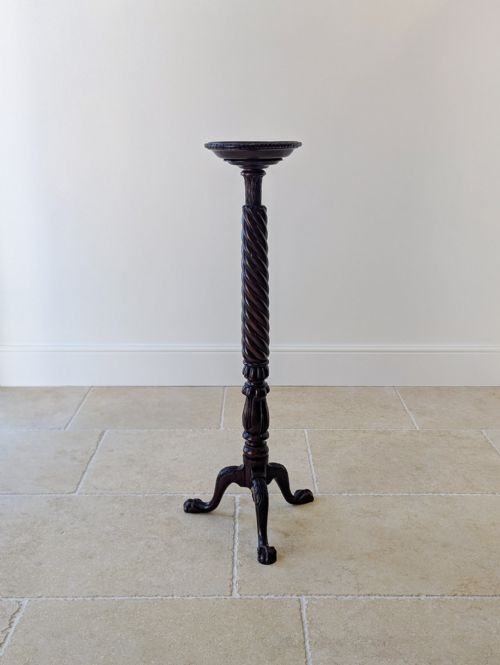
You are most likely to meet mahogany and walnut examples featuring tripod bases or barley twist shafts. These pieces frequently overlap with torcheres, lamp tables, and wine tables, serving versatile functions in traditional interiors.
How they were made
Cabinetmakers utilised solid timbers such as mahogany, walnut, and ebony, turning the central columns on lathes to create crisp reeding, fluting, and spiral twists. Selected pieces incorporate brass fittings or porcelain inserts to accent the rich timber surfaces.
Construction methods relied on sturdy tripod or multi-tiered leg assemblies jointed neatly to central pedestals. Surfaces were polished to a warm sheen or occasionally ebonised and painted to imitate exotic hardwoods.
Some Victorian makers ingeniously disguised plain pine beneath thick ebonising and porcelain inserts, letting homeowners pretend they owned exotic ebony.
What varies in quality
Quality rests in the crispness of the woodturning and the structural integrity of the tripod base. Superior examples demonstrate balanced proportions, tightly fitted joints, and timber selected for fine grain and deep natural colour.
Lesser pieces may exhibit heavy-handed restoration, replaced tops, or clumsy repairs to the delicate legs. The distinction lies in whether the lathe work remains sharp and the overall stance stays true over time.
Druce & Co London
The Turned Wood Plant Pedestal Glossary
- Torchere
- A tall, slender stand originally designed to hold a candle or torch. These graceful pieces now frequently support trailing plants and small sculptures.
- Barley twist
- A spiral turning resembling a twisted rope, carved into wooden table legs and central columns. This decorative flourish is particularly common on Victorian furnishings.
- Tripod base
- A three-legged support system providing stable footing on uneven floors. This configuration allows slender stands to maintain balance despite their height.
- Ebonised wood
- Timber treated with a dark stain or finish to imitate expensive ebony. Makers employed this technique during the Victorian period for dramatic contrast.
- Specimen wood
- Furniture constructed from a variety of distinct timbers arranged to display contrasting grains and colours. These decorative surfaces highlight the maker's inventory of materials.
Turned Wood Plant Pedestal: Frequently Asked Questions
How do I use a plant pedestal?
Place a turned wood plant pedestal in an empty corner or beside seating to introduce vertical height and organic warmth to a room.
Ensure the top surface is protected from moisture by using a saucer beneath your potted plant to prevent water rings on the antique timber.
Are these stands strong enough for heavy pots?
Most tripod stands and solid mahogany pedestals were built to support substantial weight, including heavy ceramic urns and bronze sculptures.
Check that the leg joints remain firm and the central shaft sits straight before placing exceptionally heavy specimens on top.
How do I tell Victorian from Georgian stands?
Georgian stands typically display restrained classical carving, slender proportions, and timbers with deep, patinated surfaces from the eighteenth century.
Victorian examples often introduce heavier ornamentation, such as barley twists, ebonised finishes, or eclectic revival styles like Chippendale and Aesthetic Movement.
Can these pedestals double as lamp tables?
Many historical plant stands share identical forms with wine tables and lamp tables, making them suitable for holding reading lights and small decorative items.
Verify that the top diameter accommodates your lamp base securely without risking an overhang on the edge.