
Turned Wood Column
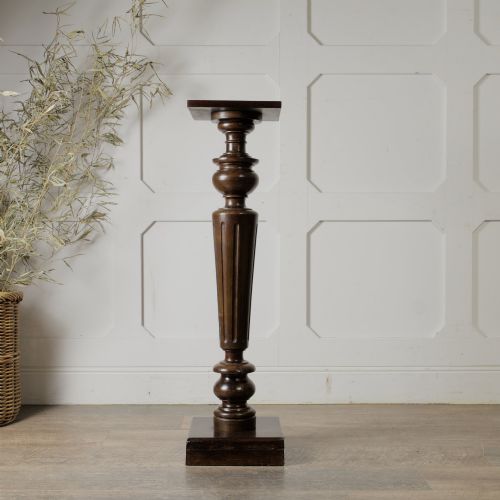
A turned wood column forms the structural backbone of these support pieces, bringing height and classical proportion to interior surfaces.
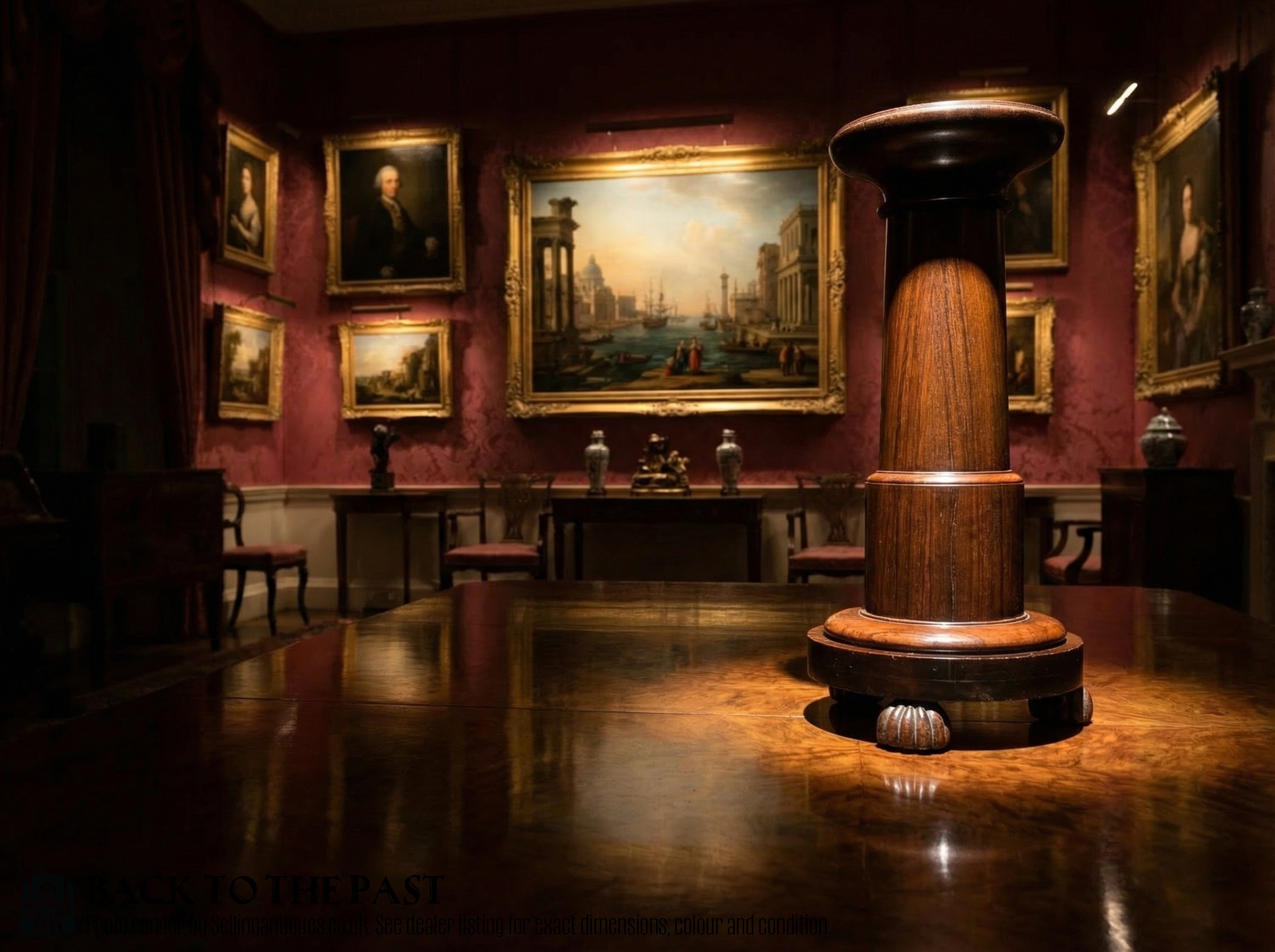
Turned Wood Column
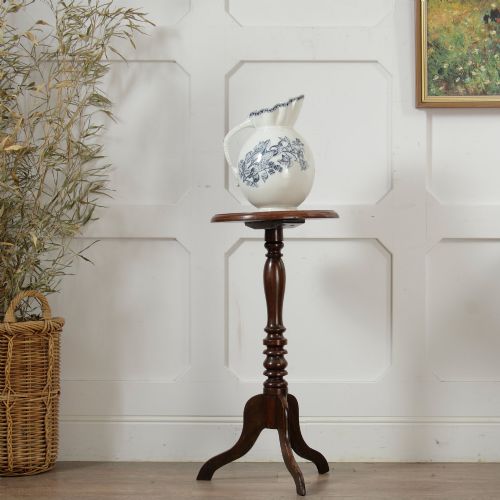
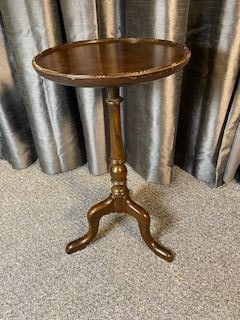
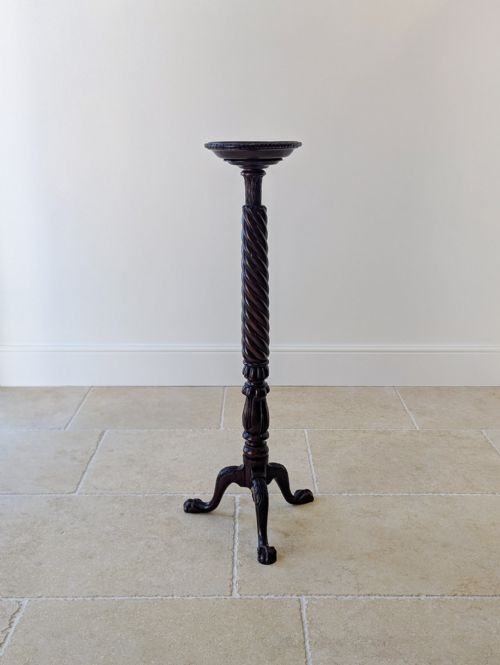
When you search for a turned wood column, you are looking at upright supports, stems, and pedestals integrated into tables, stands, and architectural furnishings. These vertical elements elevate display surfaces, creating lift and visual separation in rooms across various historic periods.
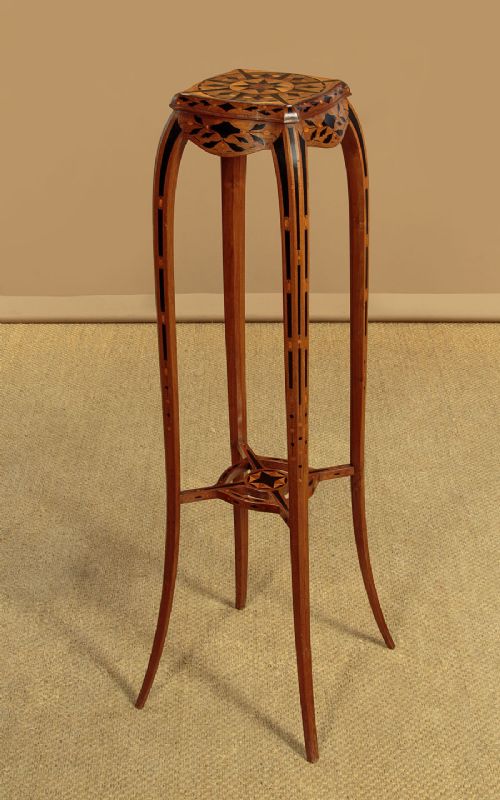
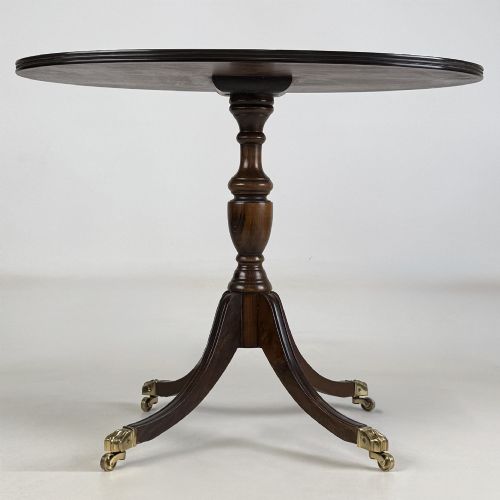
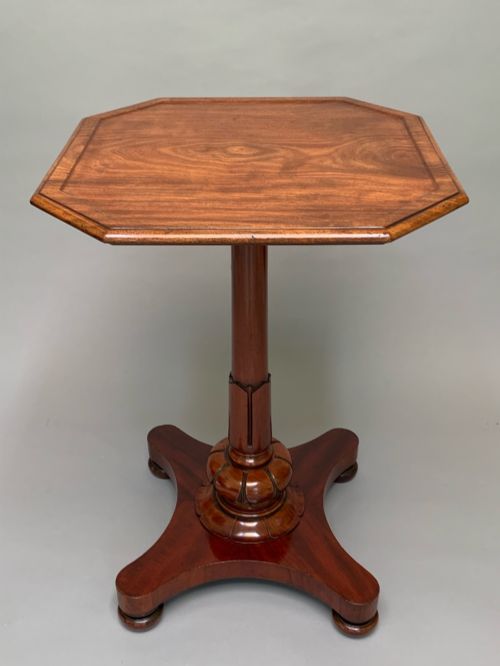
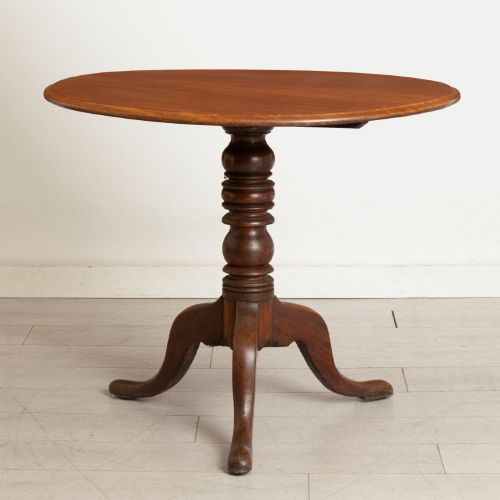
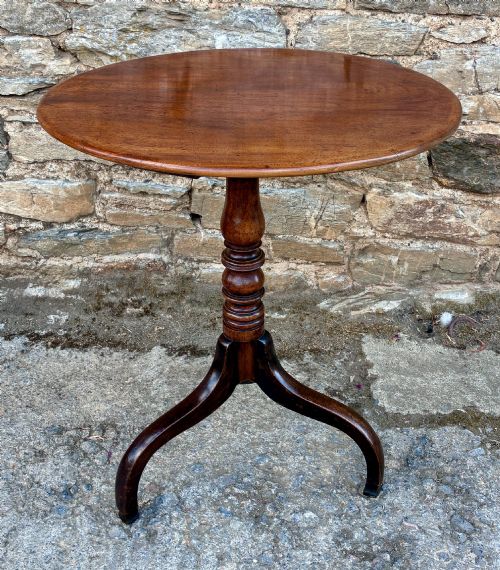
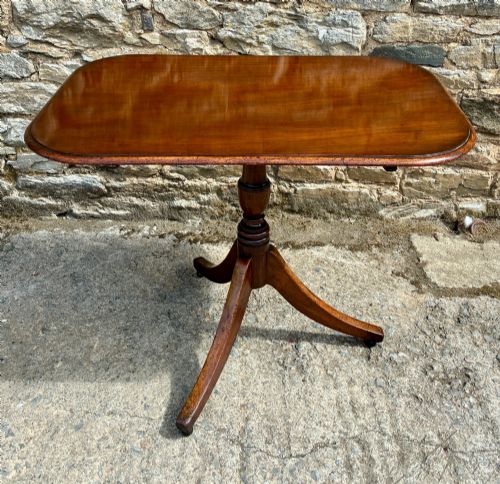
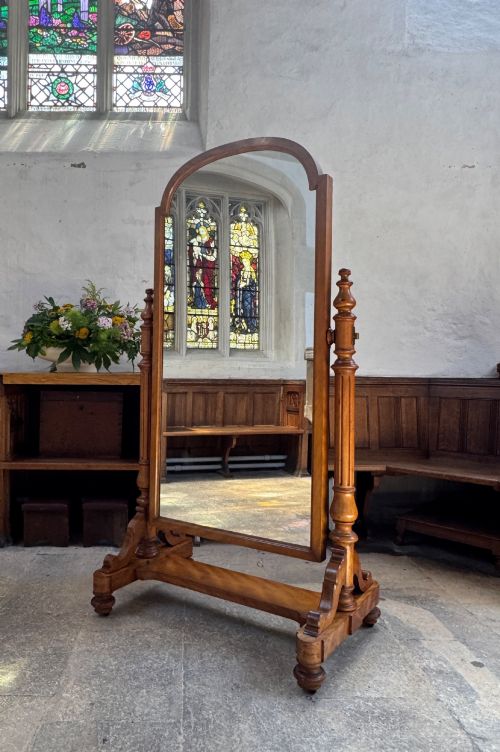
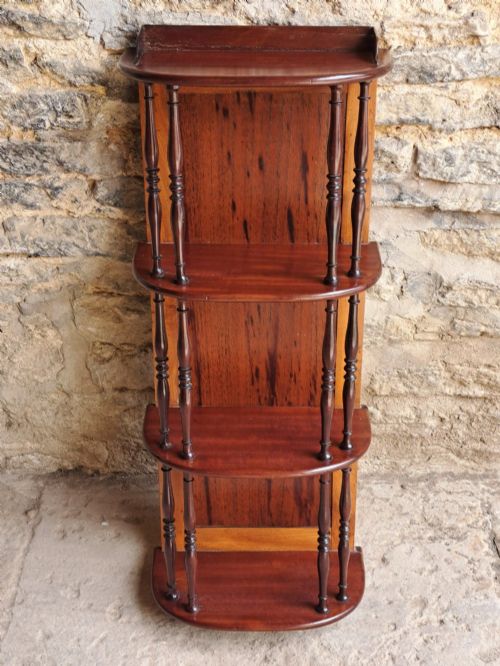
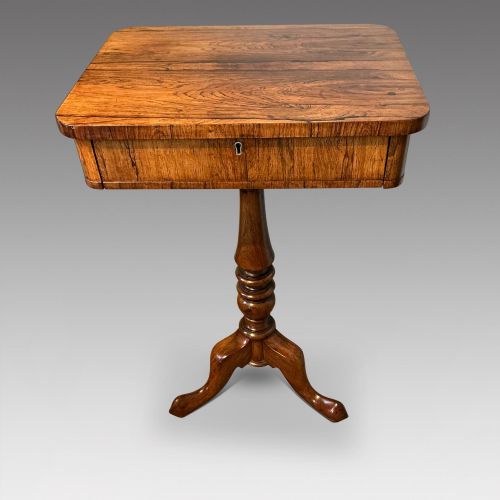
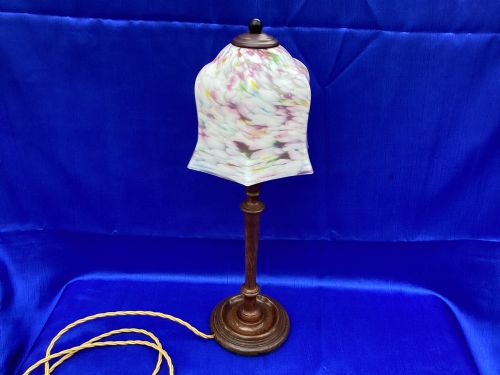
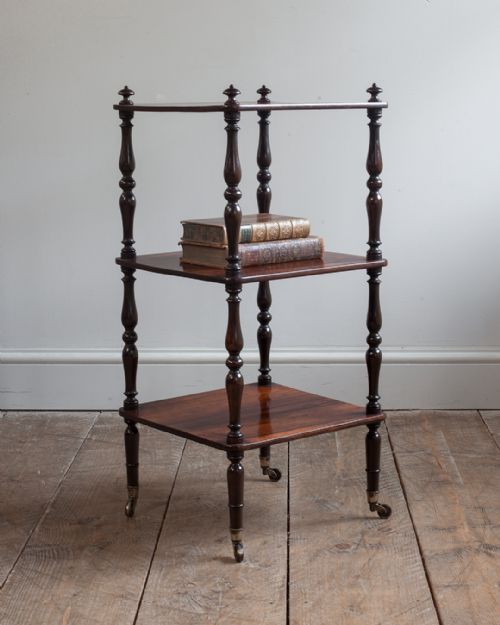
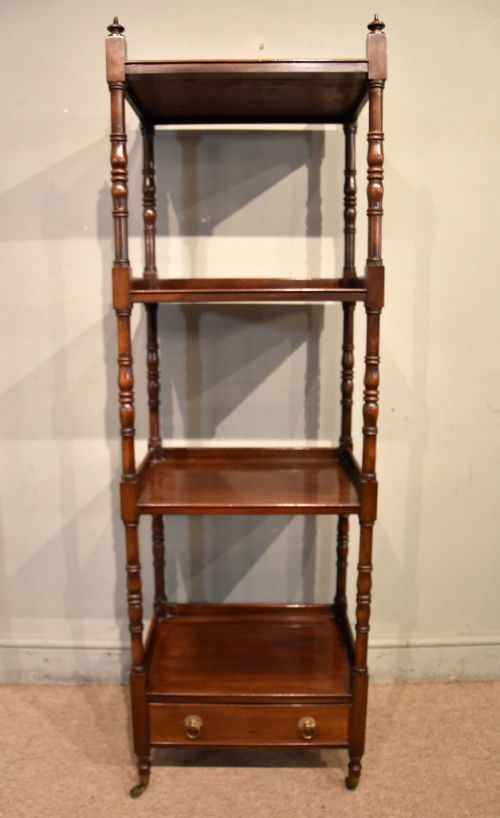
The selections available here span from the 18th century through the Georgian, Regency, and Victorian eras up to the early 20th century. You will encounter occasional tables, wine tables, torchères, plant stands, and multi-tiered whatnots utilising these central turned supports.
Mahogany dominates the forms seen on this page, accompanied by rosewood, walnut, oak, satin birch, and ebonised wood. These timbers provide the density required to shape slender turned columns that support heavy table tops, shelves, and lamp bases without flexing.
Markers of construction quality
Quality rests in the crispness of the lathe turning and the selection of the timber grain. Finer examples display sharp, well-defined mouldings on the column shaft and harmonious proportions between the vertical stem and the supporting base.
The choice of timber heavily influences the character of the piece, with dense hardwoods like mahogany and rosewood holding tighter turning details than softer pines. Stability in the central column and the tightness of the joints where the stem meets the tripod legs or base define the structural merit of each piece.
A solitary lignum vitae table lamp stands ready to defy the lighter pine and birch company with its sheer heft.
The Turned Wood Column Glossary
- Torchère
- A tall, slender stand designed to hold a lamp, vase, or candle. These pieces rely on a central turned column for height.
- Tripod table
- A small occasional table supported by a pillar on three legs. The central shaft is frequently turned with classical or spiral details.
- Whatnot
- A piece of furniture consisting of several open shelves for displaying small objects. They often feature turned upright supports separating each tier.
- Ebonised wood
- Timber stained or painted black to imitate ebony. This finish highlights the precise contours of turned columns.
- Tilt top table
- A table with a hinged top that can be folded vertical when not in use. The mechanism sits atop a turned pedestal column.
Turned Wood Column: Frequently Asked Questions
What is a turned wood column used for?
These turned elements serve primarily as the central structural stems for small tables, plant stands, torchères, and multi-tiered shelving units. They elevate surfaces to functional heights while adding classical architectural detail to an interior.
In pieces like wine tables and floor lamps, the column concentrates the weight downwards onto a sturdy base or tripod feet, ensuring stability despite a small footprint.
How do I date a turned wood column?
Dating relies on the combination of timber species, turning profiles, and overall furniture form. Georgian and Regency pieces often feature clean, classical reeding or fluting in mahogany, whilst Victorian examples can display heavier, more robust bulbous turnings or ebonised finishes.
Examining the construction methods underneath the top or around the base provides further clues to the manufacturing period. Secondary woods and fixings help confirm the era of origin.
Where should I place a torchère?
Torchères suit corners, hallways, and empty wall spaces where height is needed without occupying much floor area. Their slender profile allows them to display table lamps, plants, or decorative objects effectively.
Because they rely on a tall, narrow turned column, placing them out of major traffic paths prevents accidental knocks.
How do I care for antique mahogany furniture?
Maintaining antique mahogany requires keeping pieces away from direct heat sources and strong sunlight, which can dry out the timber and fade the polish. Regular dusting with a soft, dry cloth preserves the surface.
Occasional application of appropriate wax polish helps nourish the wood and maintain its natural lustre without building up heavy residue.