





Turned Walnut Stool
A turned walnut stool brings rich dark timber and textured upholstery to an interior, offering both practical seating and period character.
Turned Walnut Stool
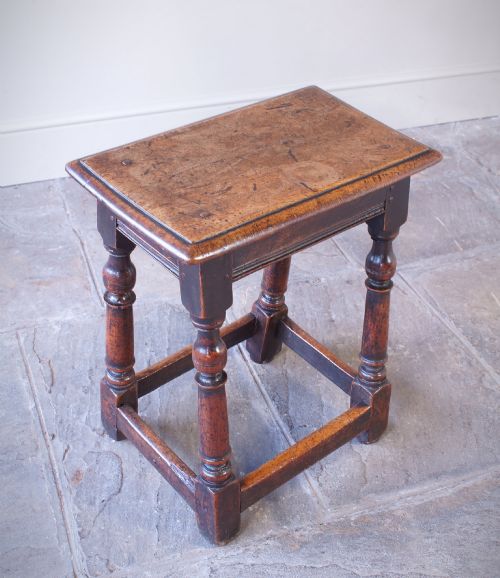
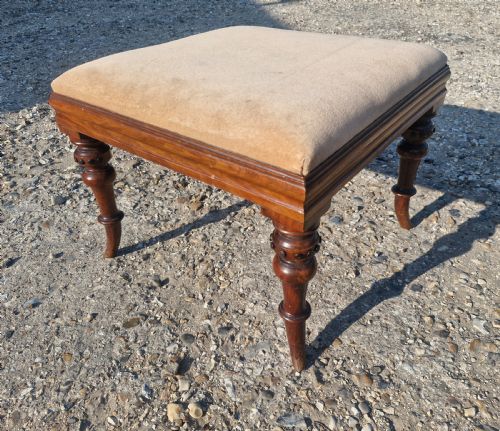
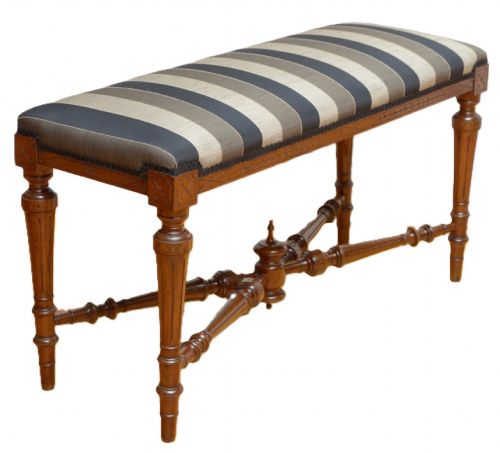
When you search for a turned walnut stool, you encounter solid timber seating dating chiefly from the Victorian era and the nineteenth century. These pieces encompass various practical forms, including footstools, piano stools, gout stools, and longer window seats or benches designed for domestic comfort.
The versions most frequently met on this page span from eighteen-fifty to nineteen-ten, often showcasing Victorian craftsmanship alongside English country house and aesthetic movement influences. Makers utilised robust walnut frames paired with diverse textile coverings to create functional furniture for the parlour, hall, or fireside.
How they were made
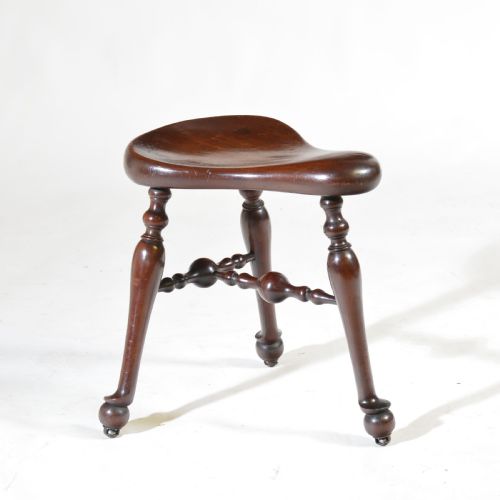
Craftsmen shaped dense walnut timber into structural frames, frequently employing lathe-turning techniques to produce decorative legs such as bobbin-turned or fluted profiles. These sturdy wooden skeletons were then assembled using traditional joinery methods suited to daily domestic weight.
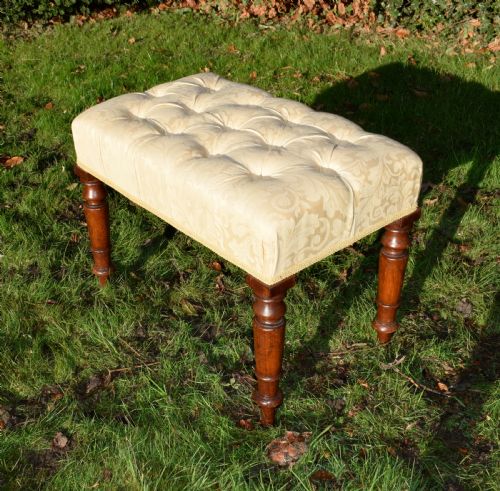
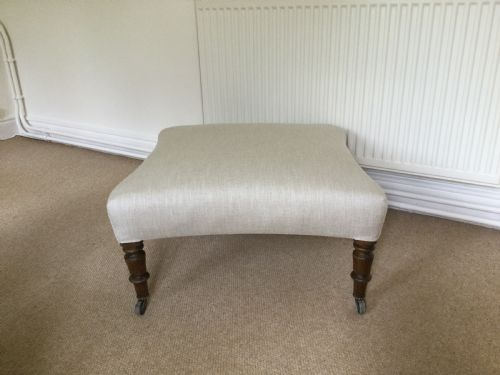
Upholstery formed an essential part of the construction, with makers applying fabric, linen, tapestry, or buttoned textiles over internal padding, occasionally accented with brass details. Many pieces have since been professionally recovered in contemporary designer textiles while retaining their historic wooden bases.
Object forms span from compact gout stools to long window seats and piano stools.
What varies in quality
Quality in these pieces rests upon the crispness of the timber turning and the depth of the walnut grain, which ranges from simple plain boards to rich figures. Better examples display careful proportion in the legs and frame joints, maintaining structural integrity without clumsy repairs.
The standard of upholstery and the choice of covering material also distinguish finer items from simpler utilitarian seating. Pieces featuring traditional buttoning, durable textiles, or harmonious fabric choices elevate the overall presence of the stool.
James Shoolbred
The Turned Walnut Stool Glossary
- Walnut
- A hard, dark brown timber prized for its rich grain and strength, frequently utilised in fine nineteenth-century furniture frames. It provides a durable structure while offering a warm visual tone to domestic interiors.
- Bobbin-turned
- A style of woodturning characterised by a series of rounded, spool-shaped segments carved along the length of a leg or stretcher. This decorative technique appears frequently on nineteenth-century seating.
- Gout stool
- An adjustable footstool designed to elevate and support the legs of someone suffering from joint discomfort. These functional pieces often feature pivoting mechanisms to alter the angle of the rest.
- Window seat
- A long stool or bench sized to fit within a window recess, providing low seating. Victorian examples often incorporate turned walnut frames and upholstered tops.
- Aesthetic Movement
- A late nineteenth-century design style that emphasised visual beauty and artistic craftsmanship over heavy historic revivalism. Pieces from this movement often display refined proportions and subtle detailing.
Turned Walnut Stool: Frequently Asked Questions
What is a turned walnut stool used for?
These versatile items served various domestic functions ranging from resting tired feet by the fire to providing extra seating in a hallway or parlour. Specific forms like piano stools and gout stools fulfilled dedicated roles in nineteenth-century daily life.
Today, they adapt easily to modern living spaces as decorative accent pieces, low side tables, or practical perches at the foot of a bed.
How do I date a turned walnut stool?
Dating relies heavily on stylistic clues, turning patterns, and construction methods visible in the timber frame. Victorian pieces often exhibit heavier proportions, while specific markers like bobbin-turning point towards late nineteenth-century manufacture.
Upholstery fabrics frequently reflect later restorations rather than the original date of the wooden base, so inspection should focus primarily on the frame itself.
Can I use these stools daily?
Most surviving examples possess sturdy walnut frames built to withstand everyday domestic use. Professional reupholstery on many listings ensures the internal padding and fabric meet contemporary standards of durability.
Placing them away from direct heat sources and excessive moisture protects both the timber structure and the textile covering over time.
What styles are available?
The selection encompasses straightforward Victorian functional pieces alongside more decorative aesthetic movement designs and eighteenth-century revival styles. French country influences also appear among the varied seating forms.
Frames range from simple rectangular footstools to longer window seats and buttoned lounge stools finished with fluted or turned supports.