
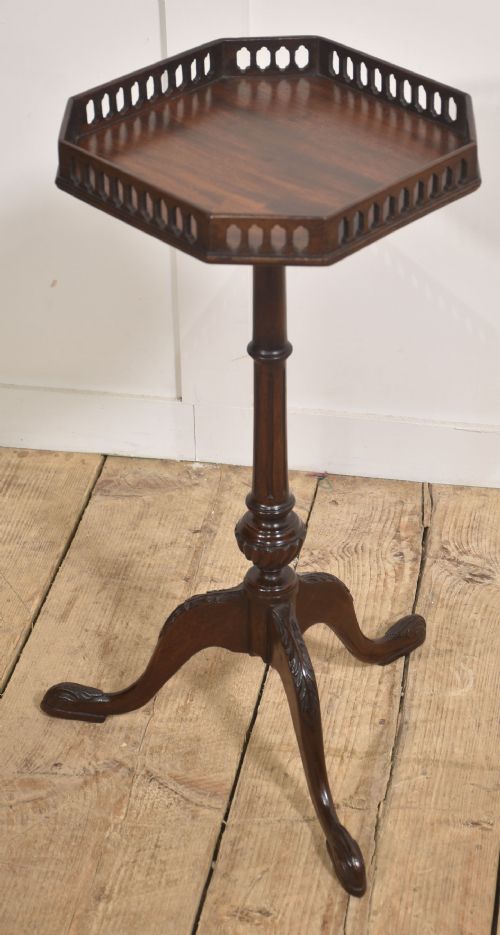


Turned Stem Pedestal Table
A turned stem pedestal table is a compact support for candles, books or wine, shaped by a central pillar rising from tripod legs.
Turned Stem Pedestal Table
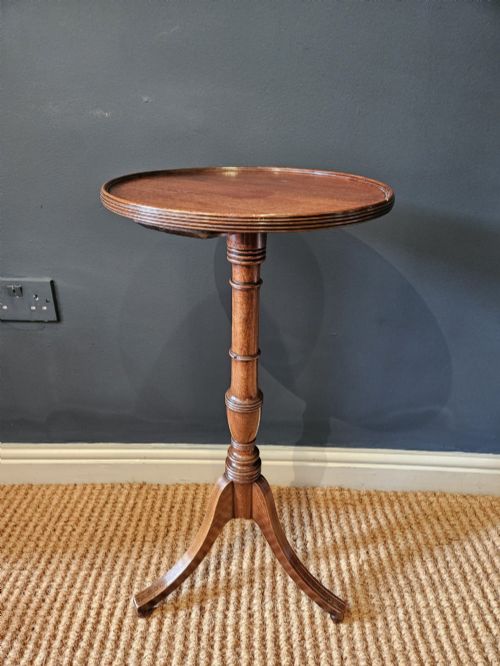
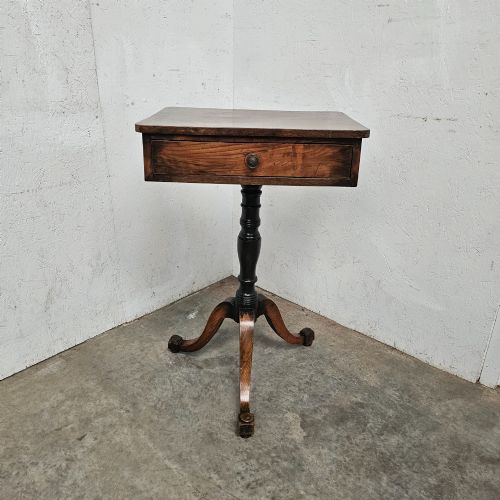
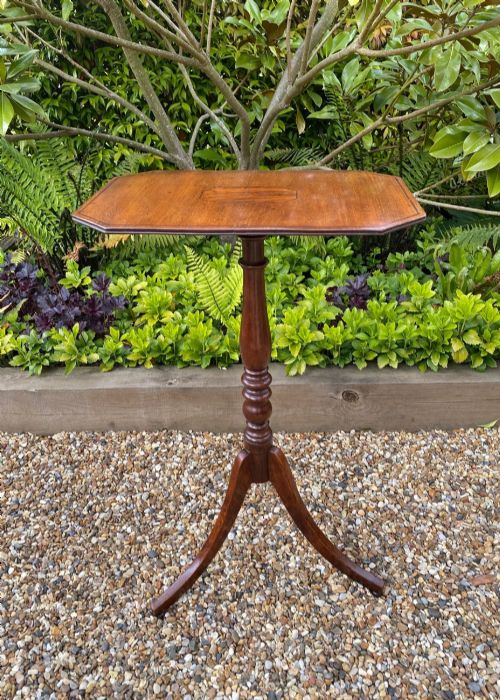
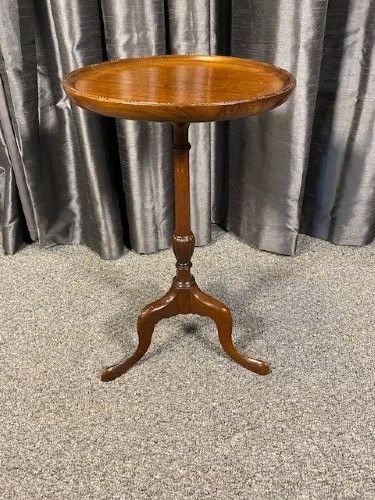
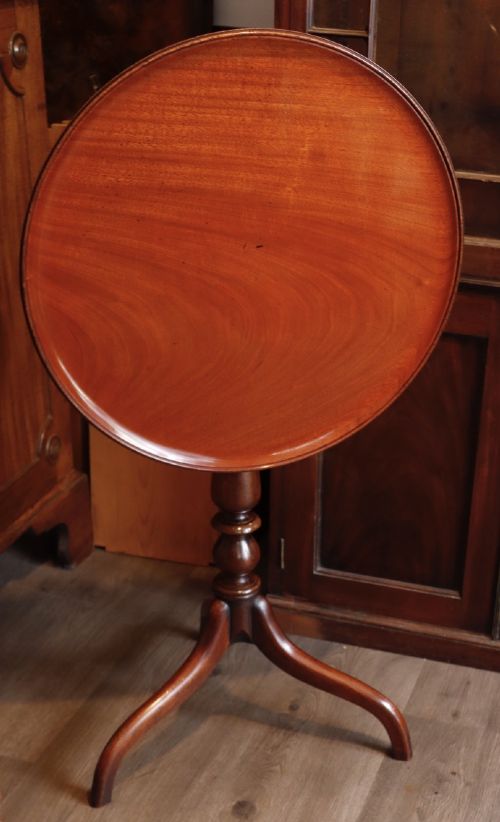
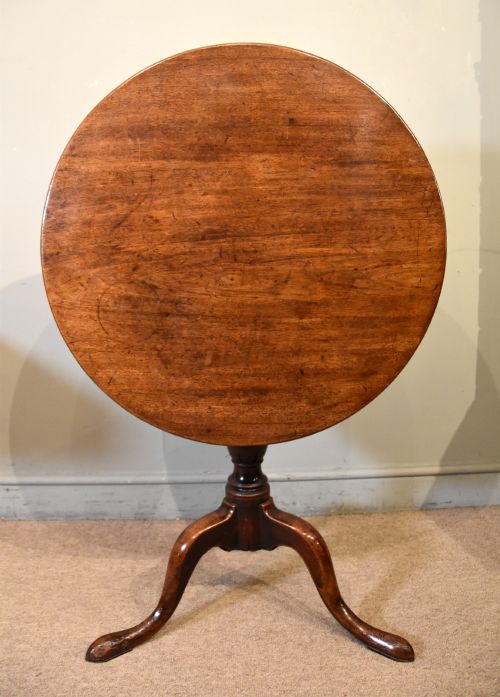
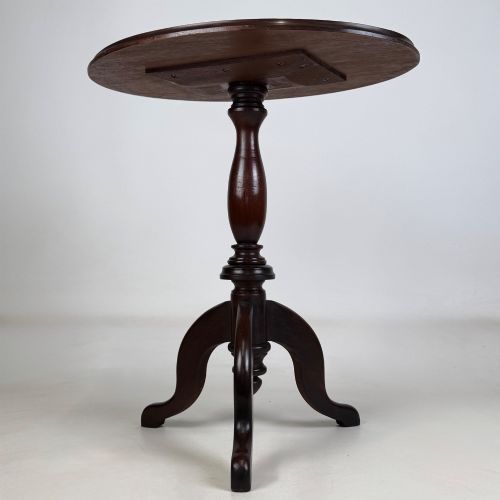
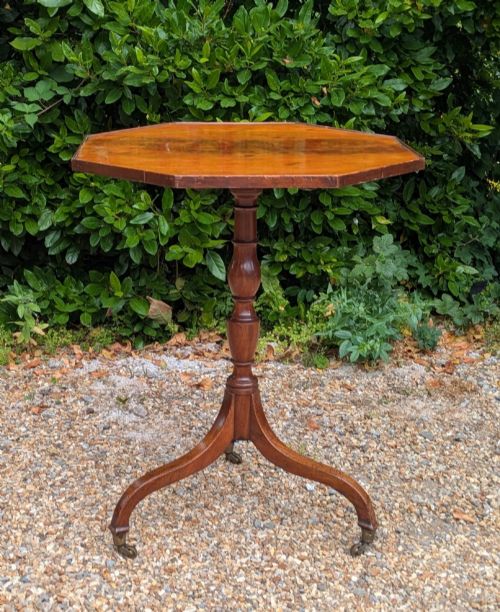
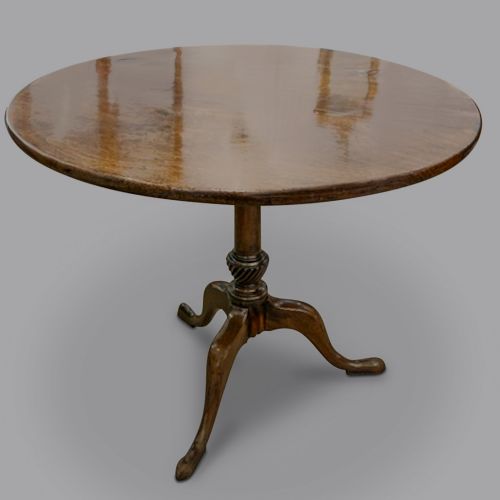
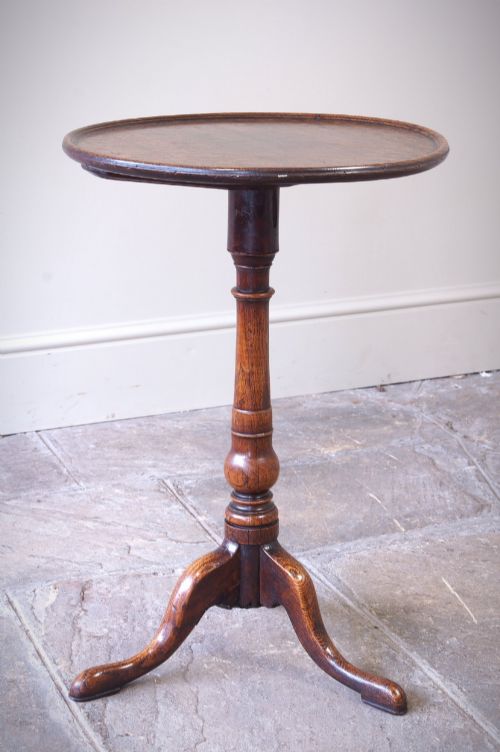
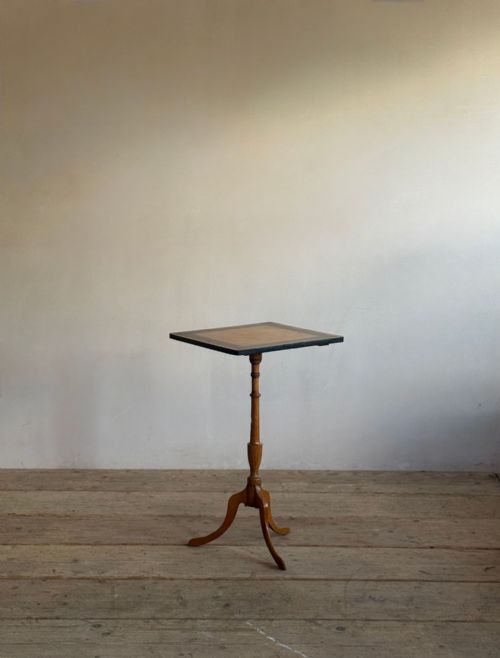
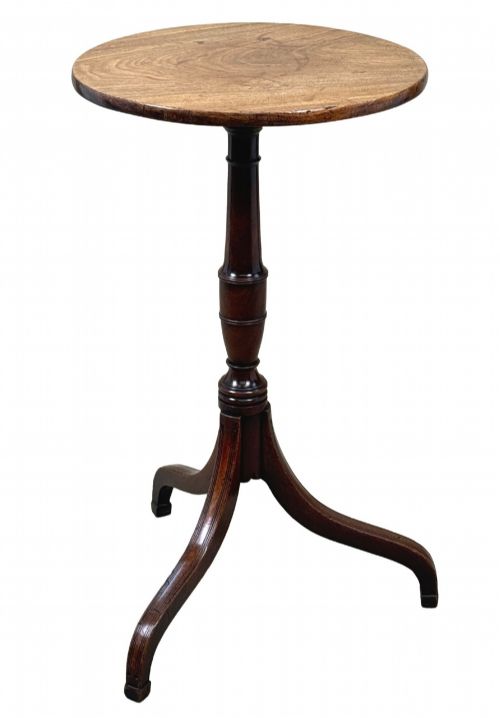
A turned stem pedestal table is a piece of antique furniture built to serve as a wine table, lamp stand or occasional table. These pieces typically feature a central turned wooden column supported by three legs, forming a stable tripod base that fits easily beside seating.
The turned stem pedestal table appears frequently in mahogany, oak and elm, spanning periods from the eighteenth century through the Victorian era and into the twentieth century. Examples range from simple plain tops to tilt-top mechanisms designed to save space when not in use.
How they were made
Cabinet makers shaped the central pillars on a lathe to create turned stems, pairing them with timber tops cut from single boards or multi-part panels. Hardwoods such as mahogany, oak, elm and rosewood provided the structural strength needed for slender stems and spreading legs.
Joints were typically joined using traditional pegged or dowelled construction, while tilt-top variations utilised pivoting catches and birdcage mechanisms to allow the top to fold flat.
The listings on this page span the 18th, 19th, and 20th centuries, featuring woods such as mahogany, oak, elm, rosewood, and satin birch.
What varies in quality
The selection of timber dictates much of the character, with figured grains like plum pudding mahogany or specialist specimen woods showing greater care in material sourcing. Proportions also matter greatly, separating standard utility pieces from examples with finely tapered stems and crisply carved tripod legs.
The integration of mechanisms such as tilt-top actions reveals the precision of the maker, where tight hinges and flush locking pins indicate a higher grade of workshop production.
The Turned Stem Pedestal Table Glossary
- Tilt-top
- A table mechanism allowing the circular top to pivot vertically for storage against a wall.
- Tripod base
- A three-legged support structure commonly found beneath pillar tables to ensure stability on uneven floors.
- Wine table
- A small portable occasional table historically used for holding glasses and bottles during evening gatherings.
- Dish top
- A table top featuring a raised carved rim shaped from the solid timber to prevent items from sliding off.
Turned Stem Pedestal Table: Frequently Asked Questions
What were turned stem pedestal tables used for?
These tables served flexible roles in period rooms, often placed beside chairs to hold portable items like lamps, candles, books or cups of wine. Their compact footprint made them easy to move around a parlour or drawing room as needed.
Because many examples feature tilt-top mechanisms, they could also be folded flat and stored against the perimeter of a room when floor space was required for other activities.
How do I tell an 18th-century table from a Victorian one?
Eighteenth-century examples, particularly those from the George III period, often exhibit finer timber selection such as dense mahogany with slender turned stems and restrained cabriole or straight tripod legs. Construction details like hand-cut fixings and solid timber tops help identify these earlier pieces.
Victorian and later nineteenth-century pieces can introduce heavier proportions, alternative woods like satin birch or rosewood, and sometimes later decorative additions such as penwork or surface carving.
How should I care for a vintage pedestal table?
Keep wooden surfaces away from direct sunlight and extreme humidity changes to prevent the timber top from warping or splitting along the grain. Regular dusting with a dry cloth maintains the polish without building up unnecessary residues.
Take care when operating tilt-top mechanisms if the table includes one, supporting the top firmly with both hands so the hinge mechanism does not bear sudden strain.
Why do some tables have tilting tops?
Tilting tops were a practical space-saving invention in period homes where rooms served multiple functions throughout the day and evening. By pivoting the surface upright, owners could tuck the table completely out of the way against a wall.
This mechanism also showcased the joinery skills of the cabinet maker, relying on a balanced catch block or birdcage pivot beneath the top to hold the surface steady in both horizontal and vertical positions.