




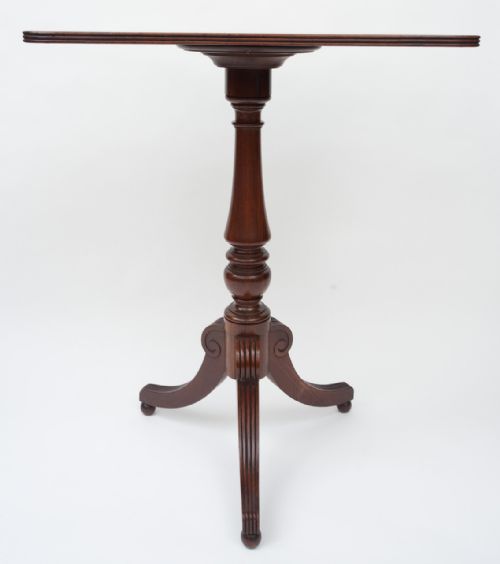

Reeded Leg Wine Table
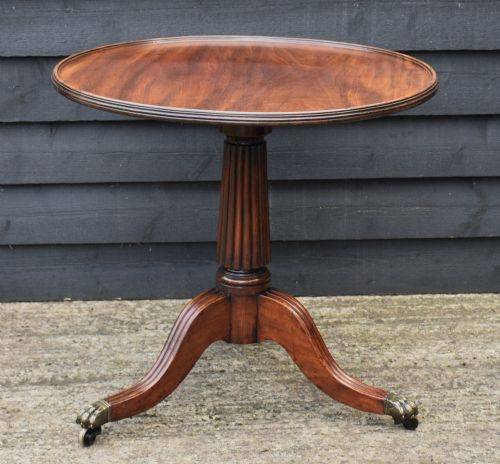
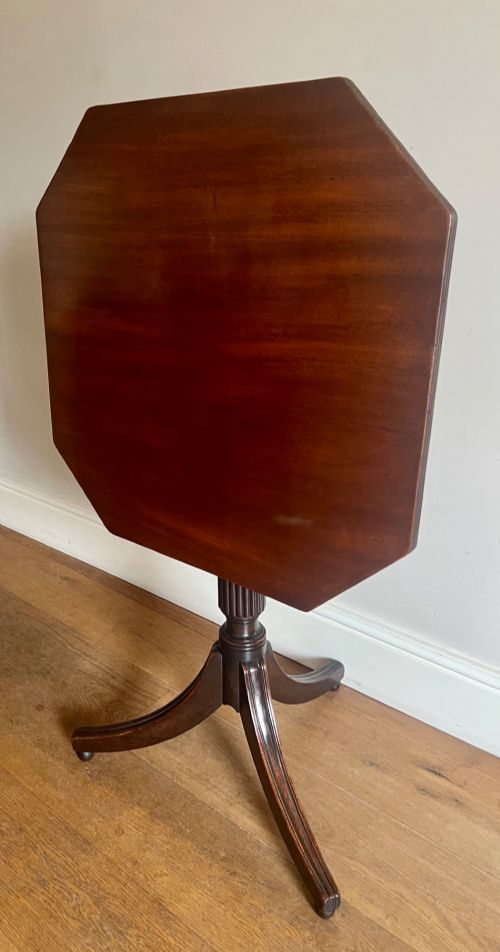
A reeded leg wine table is a compact serving piece designed for intimate dining, offering stability and refined classical turnings.
Reeded Leg Wine Table
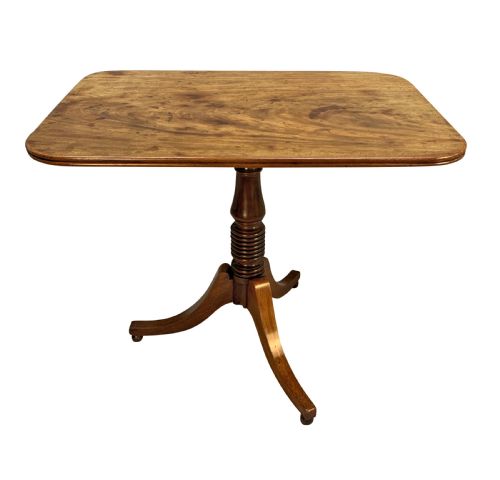
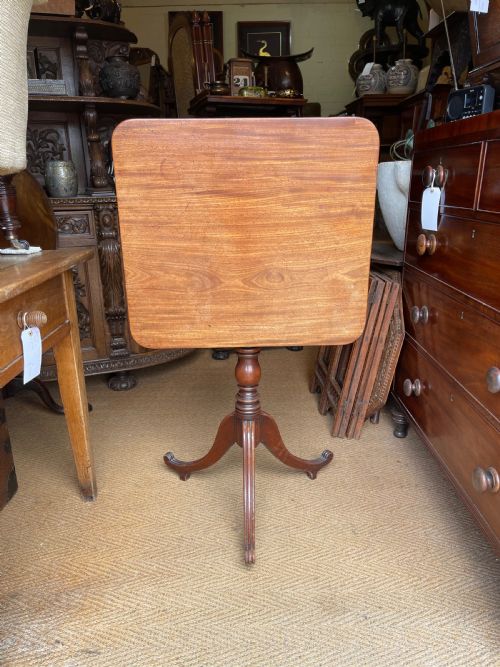
These items encompass small tables built for holding bottles and glasses, appearing across the Georgian, Regency, and William IV periods. The pieces listed include tilt-top side tables, occasional tables, tripod tables, and supper tables produced in mahogany.
Buyers are most likely to encounter circular occasional tables and tilt-top examples featuring tripod bases from the 18th and 19th centuries. Makers such as Gillows contributed to this tradition with sophisticated work and side tables dating to the early nineteenth century.
How they were made
Makers utilised solid mahogany as the primary timber, occasionally incorporating brass details or satinwood accents to enhance the visual depth of the surface. Construction relied on traditional joinery methods, securing pillar supports to sturdy tripod or folding bases.
Surface finishing involved hand-polishing timber to highlight natural grain patterns, whilst turning lathes shaped upright supports and legs into reeded or tapered profiles. Tilt-top mechanisms required precise hinge fitting to ensure the top locked securely into position when lowered.
Listings feature mahogany occasional tables spanning the Georgian, Regency, and William IV periods.
What varies in quality
Quality rests in the crispness of the turned woodwork and the density and colour of the mahogany timber selected by the maker. Superior examples exhibit balanced proportions across the tripod base and smooth operation in the tilt-top mechanism.
The integration of secondary timbers and the precision of brass fittings distinguish standard workshops from documented makers like Gillows. Originality of surface finish and the retention of deep, warm patination elevate the standing of a piece.
Gillows
The Reeded Leg Wine Table Glossary
- Tilt-top table
- A table designed with a hinged mechanism allowing the surface to fold vertically when not in use. This clever space-saving device was popular in Georgian and Regency parlours.
- Tripod base
- A three-legged support structure providing stability on uneven floors. These bases typically terminate in pad, spade, or brass-capped feet.
- Mahogany
- A durable, reddish-brown tropical hardwood favoured by cabinetmakers for its strength and rich grain. It took a high polish and resisted warping.
- Reeded leg
- A column or furniture leg carved with parallel convex mouldings resembling bundled reeds. This classical detail appeared frequently during the Regency period.
Reeded Leg Wine Table: Frequently Asked Questions
What is a wine table used for?
These compact tables originally served port, wine, and glasses beside seating areas during evening gatherings. Their small surface area made them ideal for moving close to guests without cluttering the room.
Over time, owners adapted them as bedside stands, lamp tables, or decorative display surfaces in drawing rooms. Their portability remains a key practical advantage.
How do I tell Georgian from Regency?
Georgian pieces from the 18th century often display restrained classical carving, ball-and-claw feet, and rich, dark mahogany tones. Proportions tend to be robust and functional.
Regency examples from the early 19th century lean towards heavier classical influence inspired by ancient Greece and Rome, featuring reeded columns, brass inlay, and bolder turnings. Cabinetmakers of this era also experimented with lighter woods and more elaborate pillar supports.
Where should I place a tripod table?
Tripod tables fit comfortably beside armchairs, in small corners, or between windows where larger furniture would block light and movement. Their narrow footprint makes them versatile additions to both traditional and modern interiors.
Avoid placing antique mahogany directly against intense heat sources or in strong direct sunlight to protect the polished timber surface from fading and drying out.