
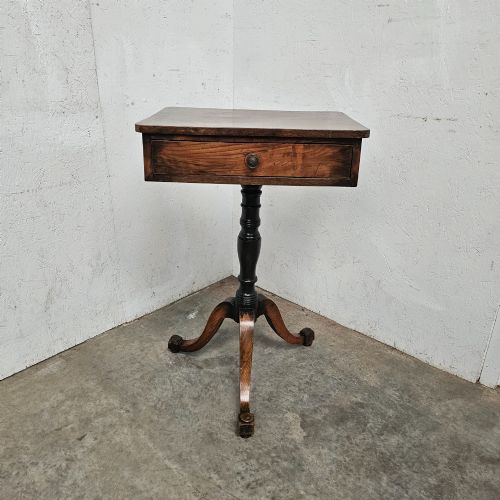
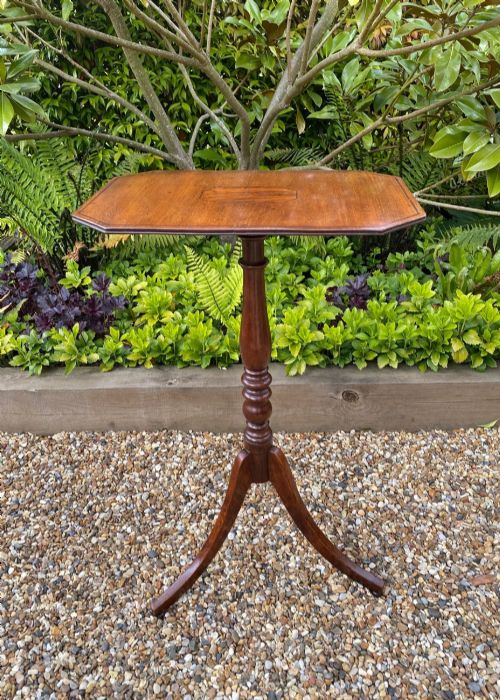
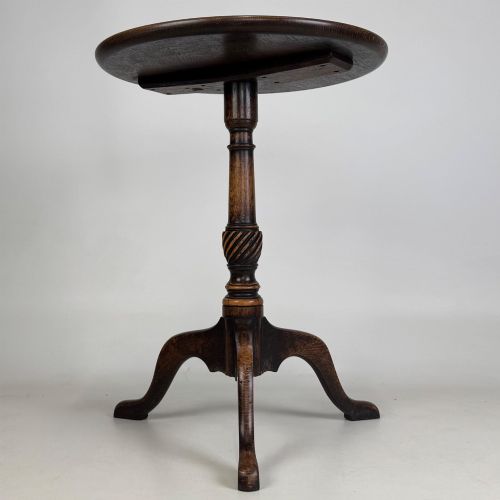
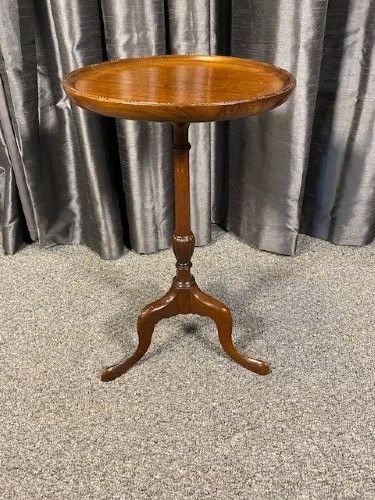

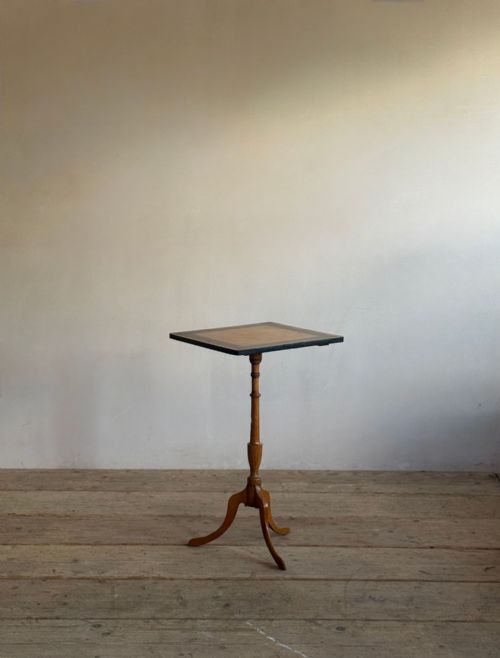
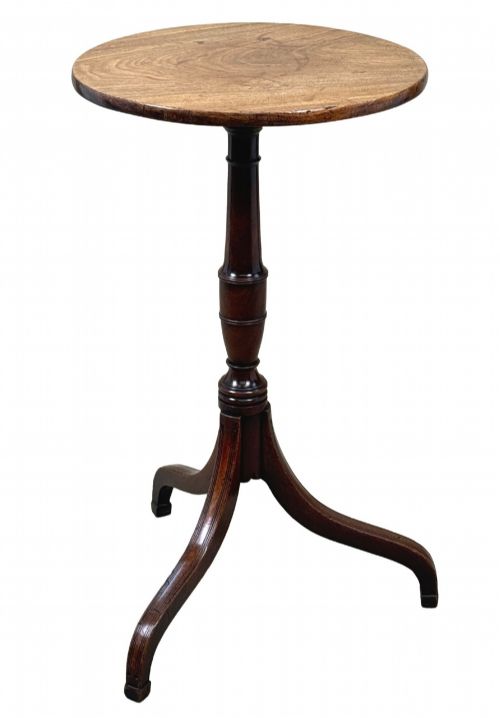
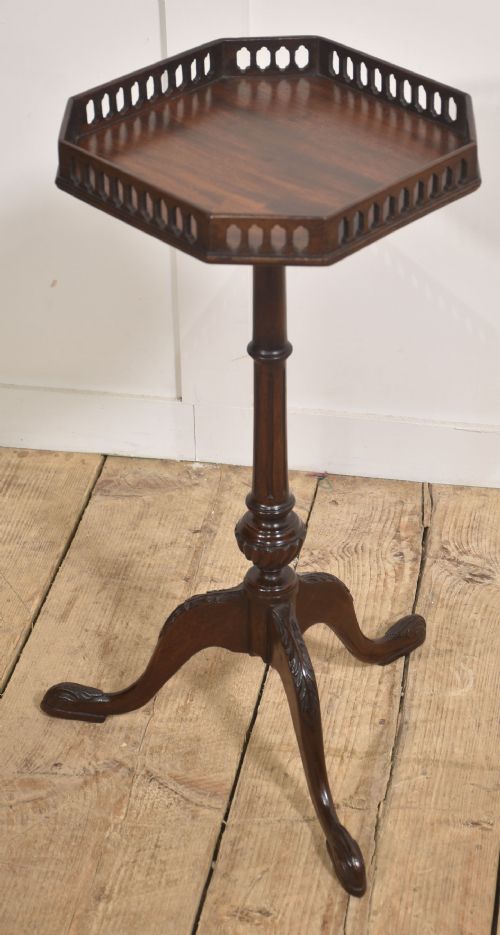
Turned Stem Occasional Table
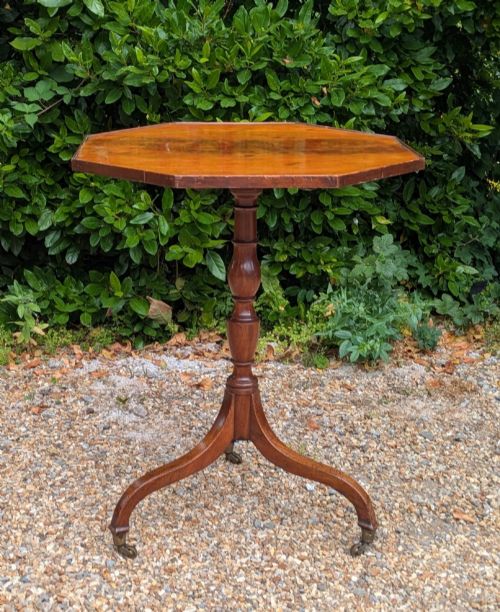
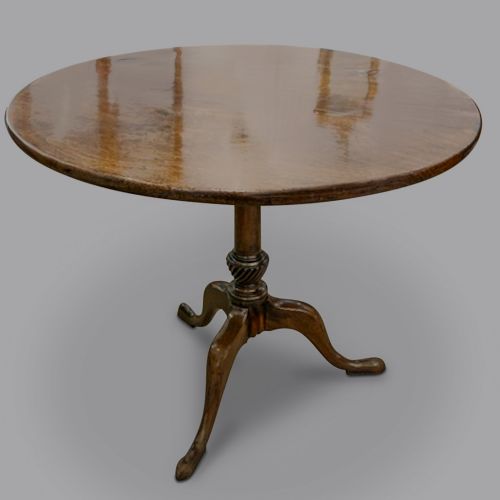
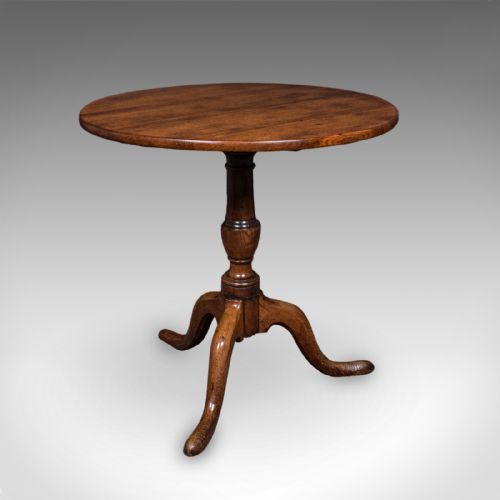
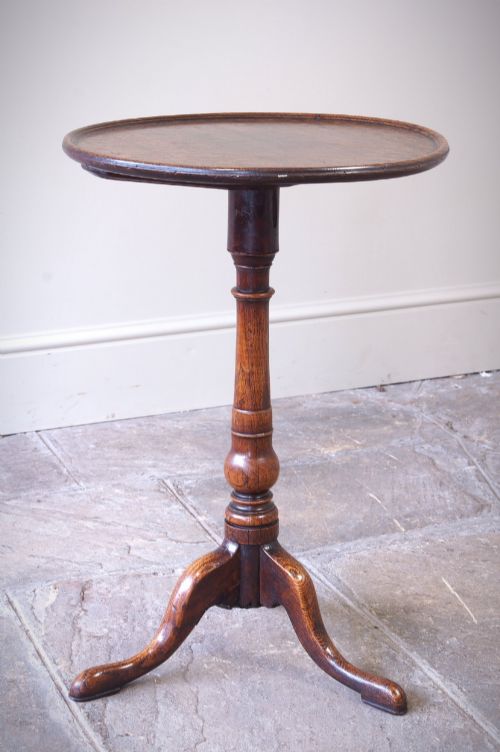
A turned stem occasional table brings compact warmth to a room, offering a sturdy central pedestal and a useful circular or oval top.
Turned Stem Occasional Table
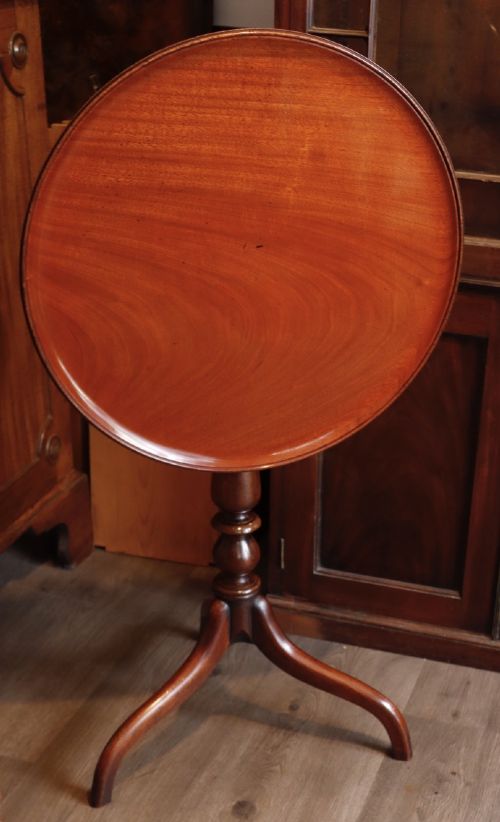
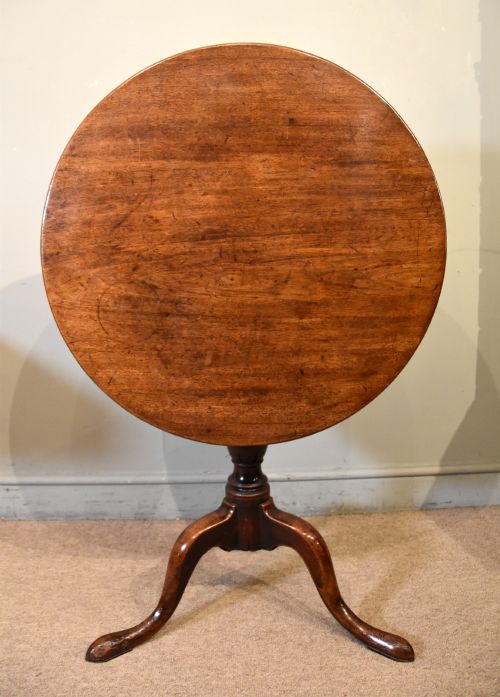
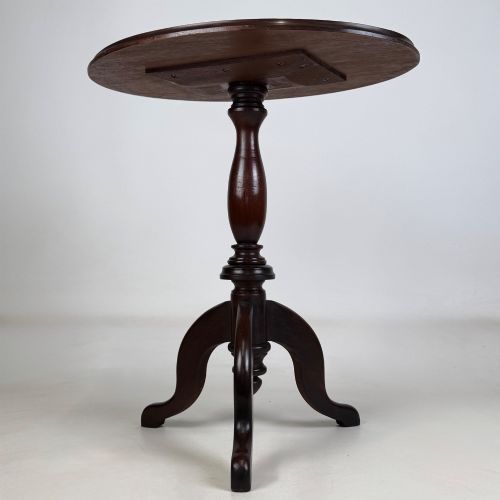
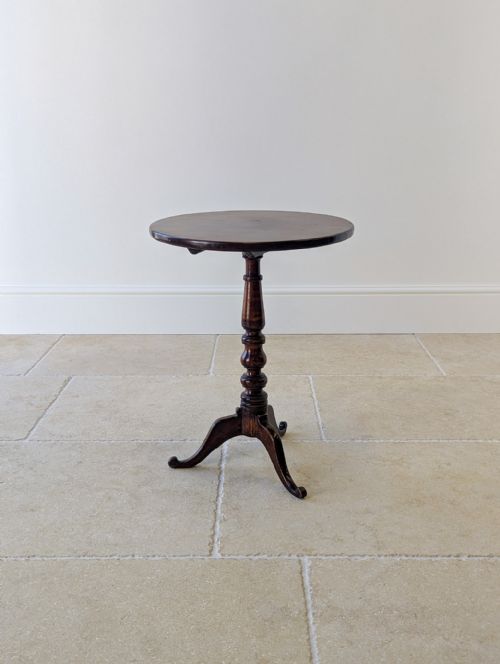
A turned stem occasional table is a compact support for daily use, designed to hold a lamp, book or small dish beside a chair. When you search for this phrase, you meet pieces built on a central pillar, usually rising from three splayed legs to form a stable tripod base. The majority of these small tables date from the Georgian and Victorian periods, though earlier examples in country timbers and later revivals also appear.
The form encompasses several specific historical variations, including wine tables, kettle stands and tilt-top lamp tables. Many feature circular tops, sometimes with dished edges or elaborate sunburst and penwork decoration, whilst others offer miniature proportions or tiered shelves. Oak, mahogany and elm dominate the selection, creating pieces that move easily from room to room as practical household furniture.
How they were made
Cabinet makers relied on solid timbers such as mahogany, oak, elm and fruitwood, turning the central stems on a lathe to achieve smooth baluster or pillar profiles. Tops were jointed and secured to the upper block, often incorporating tilting mechanisms with brass catches to save space when not in use. Tripod legs were typically dovetailed or tenoned directly into the lower portion of the turned pedestal.
Finer examples utilise specialist veneers like plum pudding mahogany or incorporate specimen wood inlays and penwork decoration upon the surface. Secondary woods such as beech or ash occasionally support the internal framing of country pieces, whilst the joinery balances the slender weight of the stem against the outward spread of the feet.
What varies in quality
Quality rests primarily on the choice of timber and the precision of the turning on the central stem. Dense, richly figured mahogany or well-selected quarter-sawn oak distinguishes better workshops from standard provincial production. The grace of the leg sweep and the crispness of any carving on the knees or pedestal further elevate a piece.
Structural integrity in the tilting mechanism and the tight fit of the joints dictate longevity. Refined examples maintain original brass hardware and unwarped timber tops that sit level upon the turned column, whereas lesser items show heavy repairs or clumsy timber replacements at the pivot points.
The Turned Stem Occasional Table Glossary
- Tripod table
- A small circular table supported on a central turned pillar with three radiating legs. This configuration prevents wobbling on uneven floors.
- Tilt-top action
- A hinged mechanism allowing the table top to pivot into a vertical position. This enabled servants to store the furniture flat against a wall.
- Dished top
- A circular table surface carved with a concave recess from a single solid board. The raised rim prevented items from sliding off.
- Plum pudding mahogany
- A highly figured tropical hardwood displaying speckled, circular grain patterns resembling Christmas pudding. It was reserved for elite cabinet work.
- Kettle stand
- A diminutive low table designed specifically to hold a hot water vessel or tea equipment near the hearth.
Turned Stem Occasional Table: Frequently Asked Questions
What was a turned stem occasional table used for?
These compact tables served versatile domestic roles, holding tea service items, small lamps, books or wine decanters beside seating in parlours and drawing rooms.
Their lightweight construction allowed servants or residents to move them easily around the house as daily needs shifted.
How do I identify a Georgian turned stem table?
Georgian examples typically display dense mahogany, oak or elm timbers, hand-turned baluster stems and slender cabriole or pad-foot tripod legs. Many incorporate tilt-top mechanisms with iron or brass catches.
Proportions remain elegant and restrained, often featuring circular or dished tops without excessive ornamentation.
Why do some table tops tilt?
The tilting mechanism was an ingenious space-saving device used in eighteenth-century homes where rooms served multiple functions throughout the day.
When not holding a lamp or wine glass, the top locked upright so the table could be stored flat against the perimeter wall.
Where should I place an occasional table at home?
A turned stem table fits naturally beside an armchair, reading seat or at the end of a sofa where surface space is needed without a large footprint.
Their finished backs and all-round symmetry also make them effective as freestanding lamp stands in empty corners or hallways.