

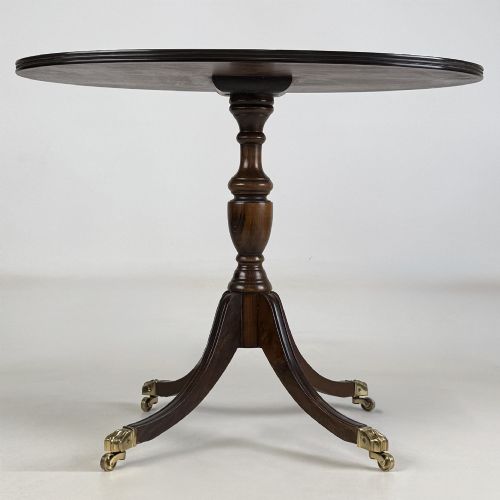
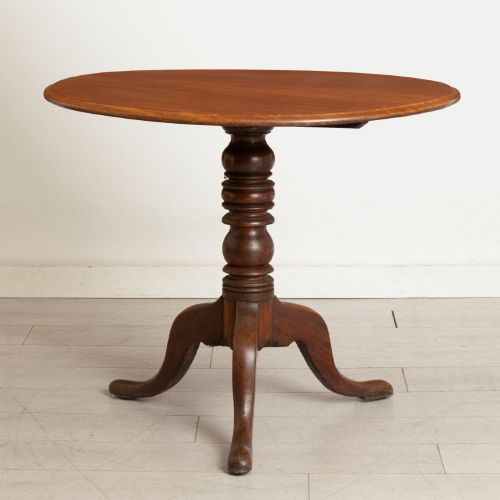
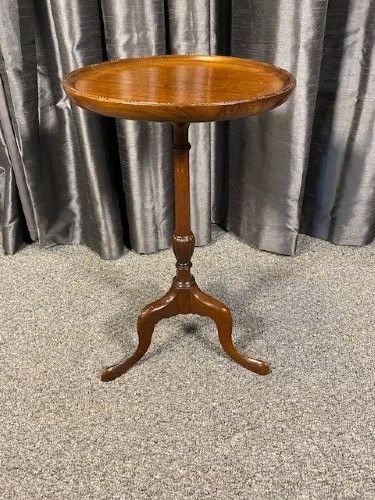
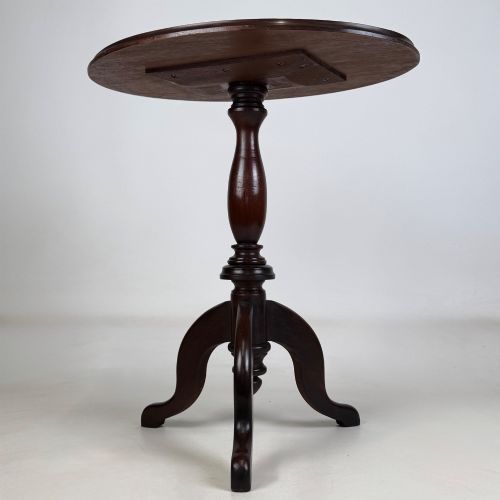
Turned Pedestal Accent Table
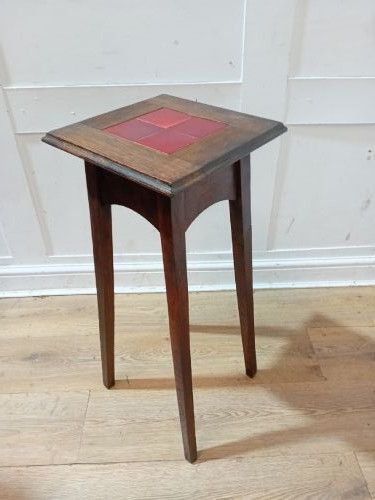
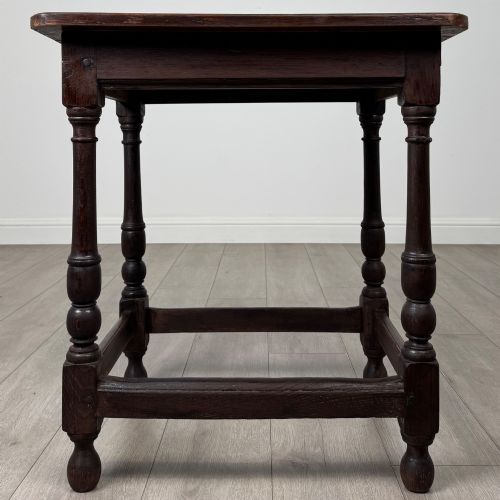
A turned pedestal accent table brings useful surface space and compact traditional form into a room.
Turned Pedestal Accent Table
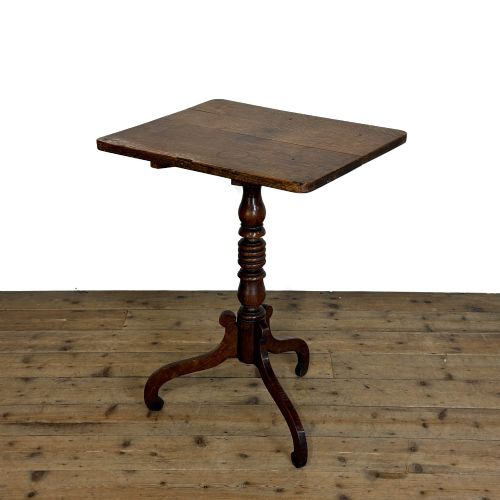
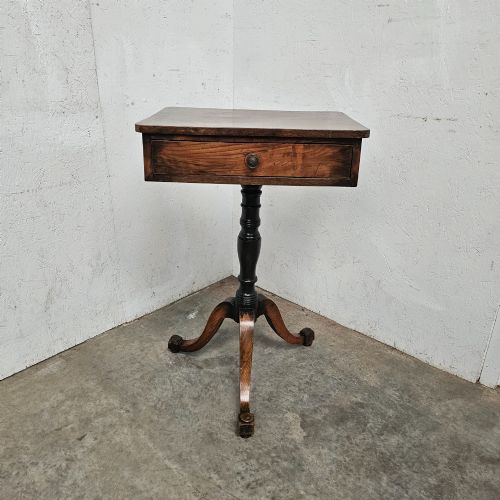
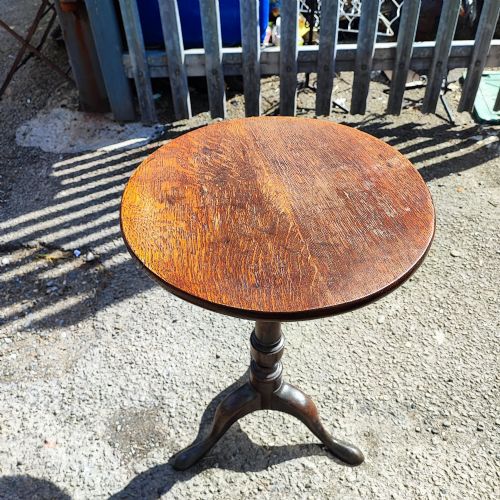
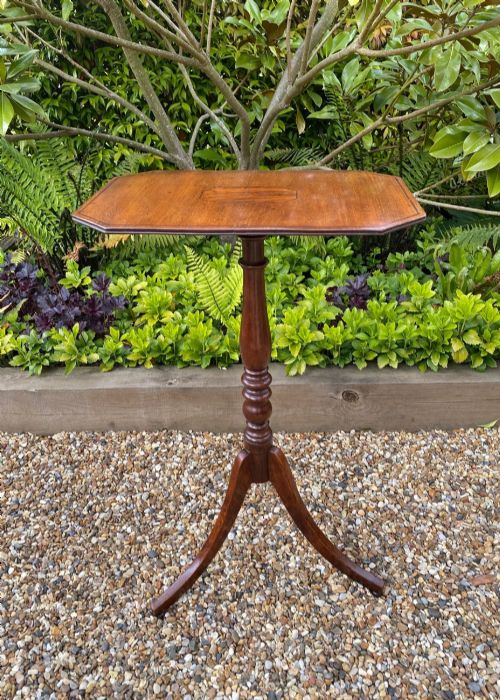
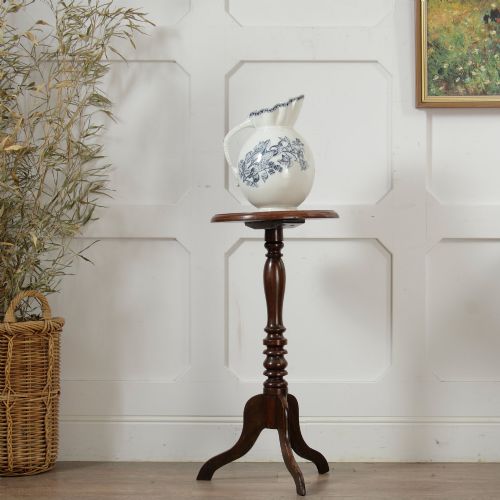
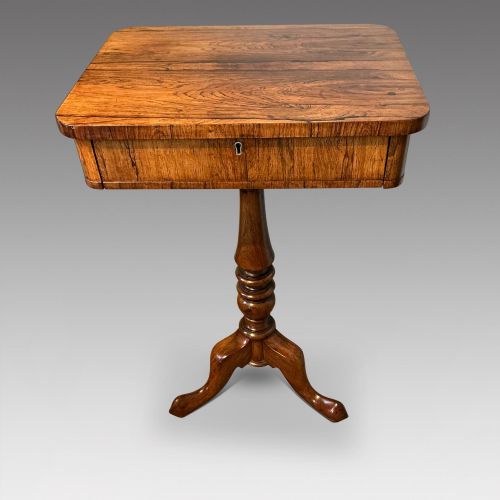
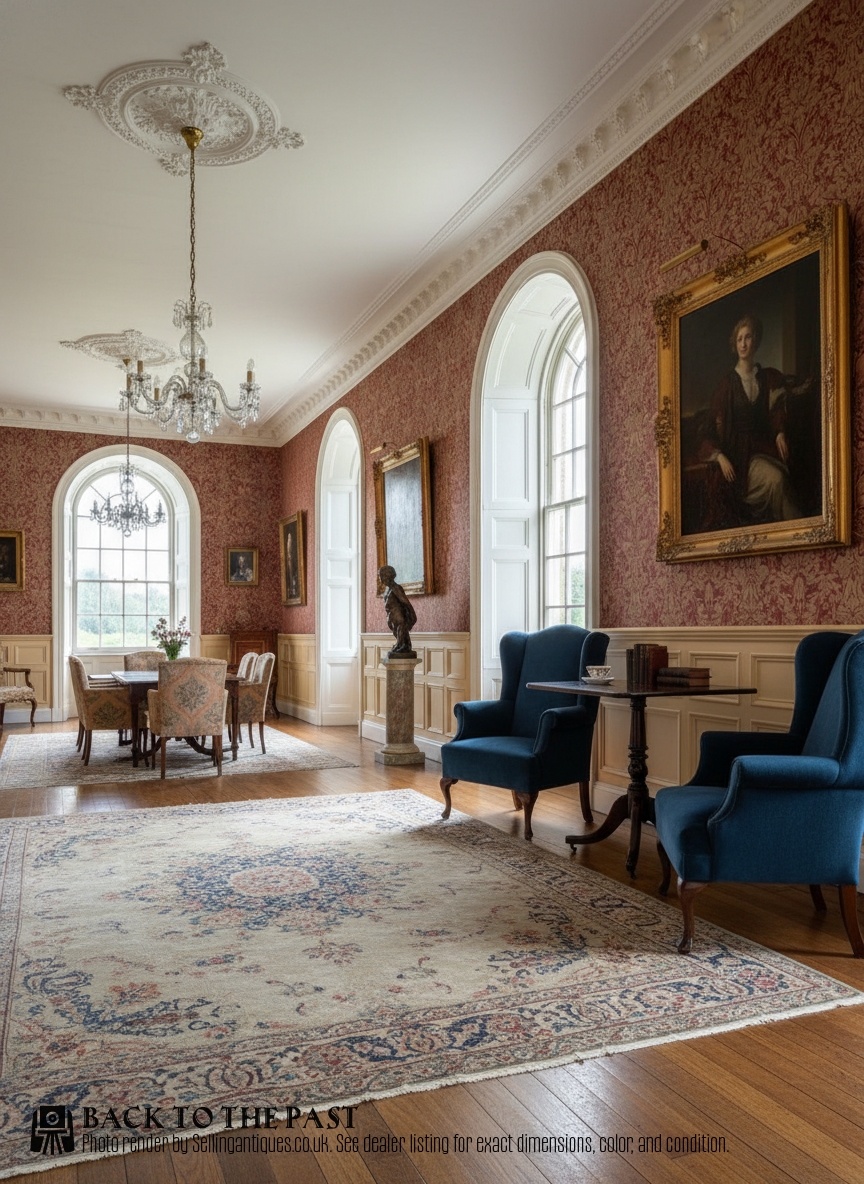
A turned pedestal accent table is typically encountered as a compact piece designed to hold a lamp, plant, or glass beside seating. These items appear across multiple eras, including Georgian, Regency, Victorian, and Edwardian periods.
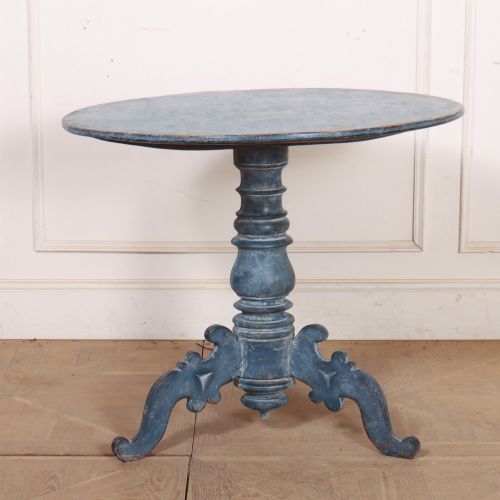
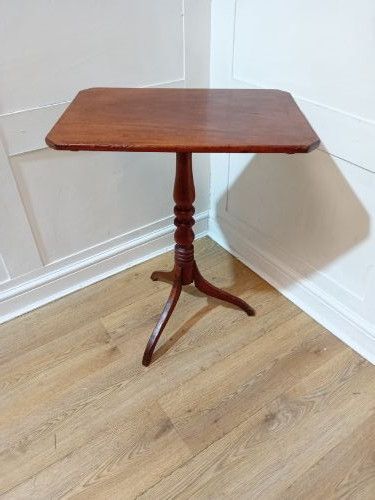
The format relies on a central upright column supported by three or four feet, often arranged in a tripod configuration. Such proportions allow the furniture to fit into corners and narrow gaps where four-legged tables fail.
Makers produced these forms for varied domestic uses, resulting in functional variants such as wine tables, candle stands, and small side tables. Buyers seek these items for their versatility and traditional silhouette.
Materials and construction
Cabinetmakers utilised hardwoods such as mahogany, oak, walnut, and rosewood for the structural columns and tops. Secondary timbers appear in rule joints and internal blocks.
Lathe turning shaped the central pedestals into columns featuring baluster, fluted, or barley twist profiles. Tripod legs were typically joined to the shaft using dovetail or tenon joints.
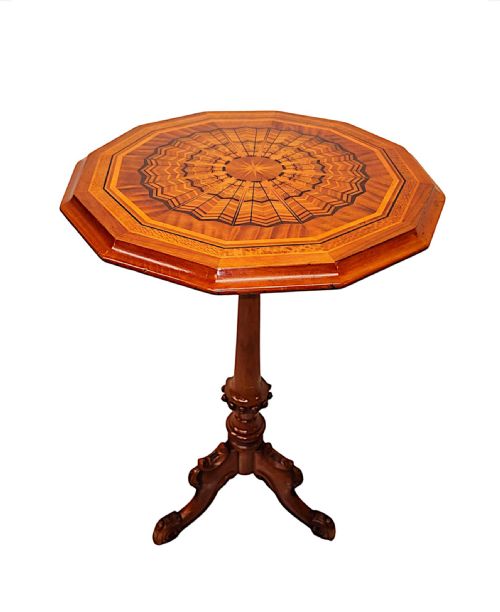
Surfaces frequently feature tilt mechanisms, bird-cage supports, or inlaid veneers in satinwood and specimen woods. Polishing with wax or shellac finished the exposed timber grain.
Turned Pedestal Accent Table Retail Price Guide 2026
Typical asking prices for turned pedestal accent table among the pieces listed under this phrase on Sellingantiques today, from the lower quarter to the upper quarter. They describe what is for sale here now, not the wider market.
Some nineteenth-century tables feature penwork decoration, offering intricate ink-drawn designs on the timber surface instead of traditional carving.
Distinctions in quality
The sophistication of the pedestal turning and the selection of timber grain dictate the standing of a piece. Figures in mahogany, burr oak, or satinwood inlay elevate the visual weight of smaller surfaces.
Stability at the joints where the legs meet the central column marks the standard of construction. Pieces that remain rigid without wobble demonstrate sound joinery from the workshop.
Gillows·Baillie Scott·Druce & Co London
The Turned Pedestal Accent Table Glossary
- Tilt top
- A tabletop mounted on a catch mechanism that allows the surface to pivot vertically when not in use. This design saved space in period parlours.
- Tripod base
- A support structure comprising three spreading feet attached to a central pillar. It provides steady contact on uneven floorboards.
- Wine table
- A small circular table intended for holding glasses or decanters near seating. They frequently feature pivoting tops or bird-cage mounts.
- Bird cage
- A timber framework beneath the tabletop that permits both rotation and tilting of the surface. It is held together by small turned spindles resembling a cage.
Turned Pedestal Accent Table: Frequently Asked Questions
Where do I put a pedestal table?
These small tables fit easily beside armchairs, in narrow hallways, or empty corners where a large surface is impractical. Their compact footprints allow them to serve as functional lamp or plant stands without blocking pathways.
Because many examples feature tilt mechanisms, a table can also stand flat against a wall as a decorative display piece when not holding items.
How do I identify a Georgian table?
Georgian examples often rely on timber such as mahogany or oak, featuring simple tripod bases and circular tops. Proportions tend to be restrained, focusing on clean lines rather than heavy ornamentation.
Many period pieces include tilt tops or bird-cage mechanisms, allowing the surface to fold away when space was required in the room.
Can I use these tables for lamps?
Most occasional and wine tables provide a sturdy enough surface for standard table lamps and decorative objects. The central pillar design distributes weight evenly down to the three feet.
Care should be taken with smaller candle stands or lightweight tripod bases to ensure the lamp's footprint matches the available surface area.
What is a bird-cage mechanism?
A bird cage is a small wooden frame fitted beneath the tabletop that connects the surface to the central turned pedestal. This construction allows the top to both rotate horizontally and tilt vertically.
Collectors look for these hinges as indicators of careful period joinery designed to save domestic space.