


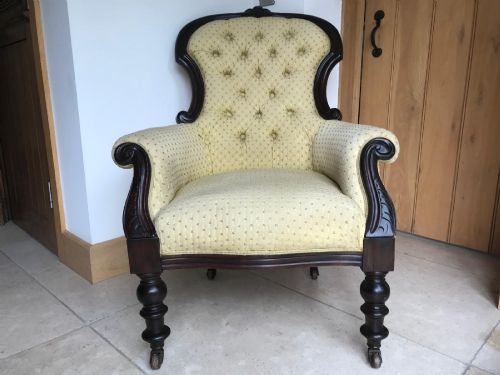
Turned Leg Accent Chair
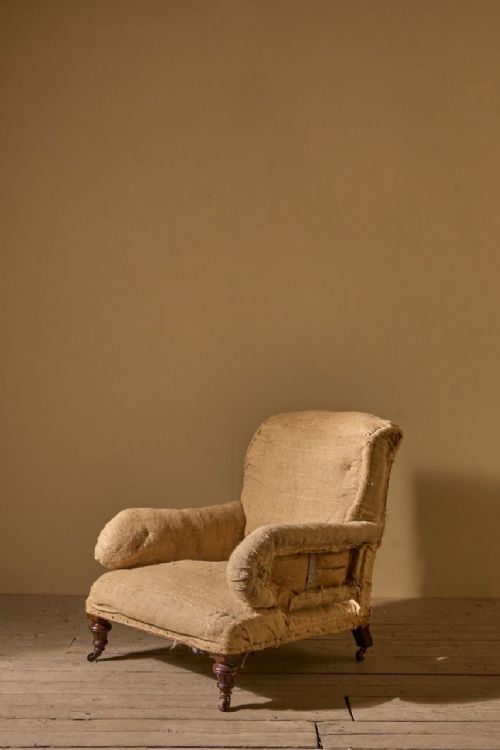
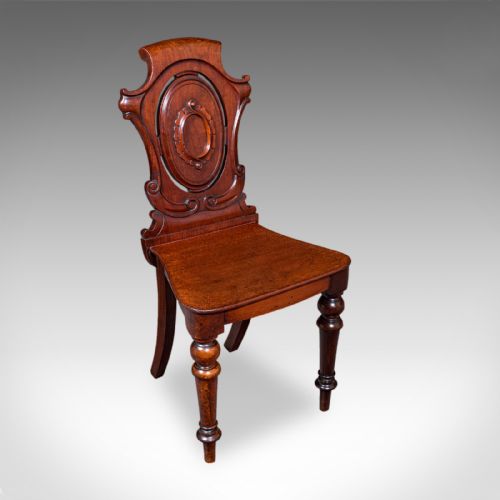
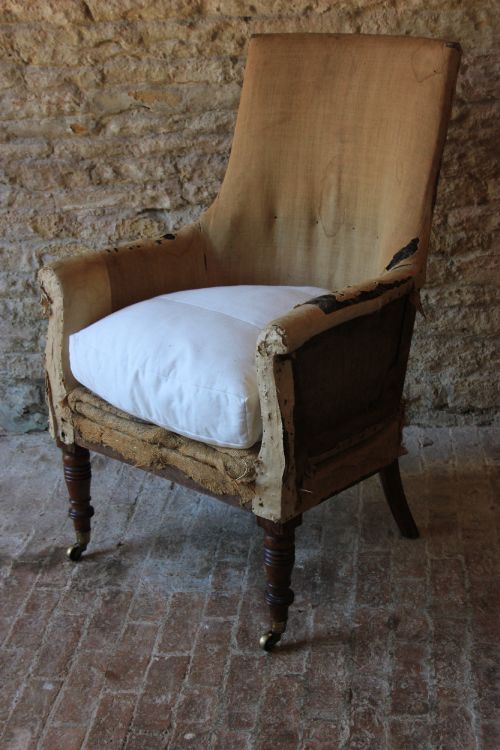
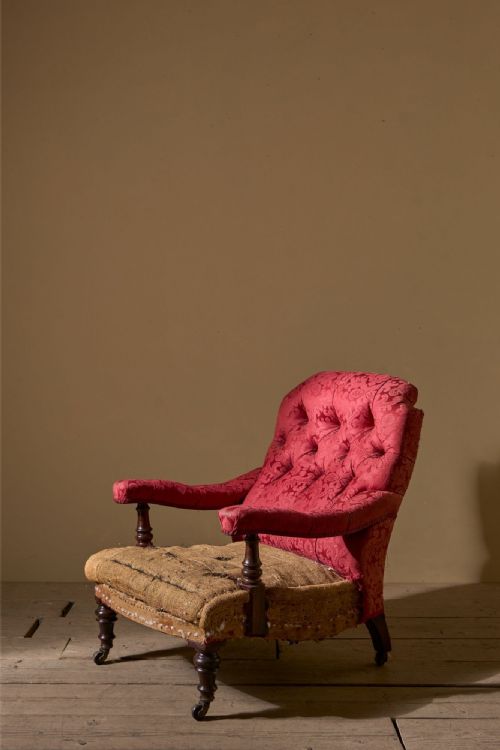
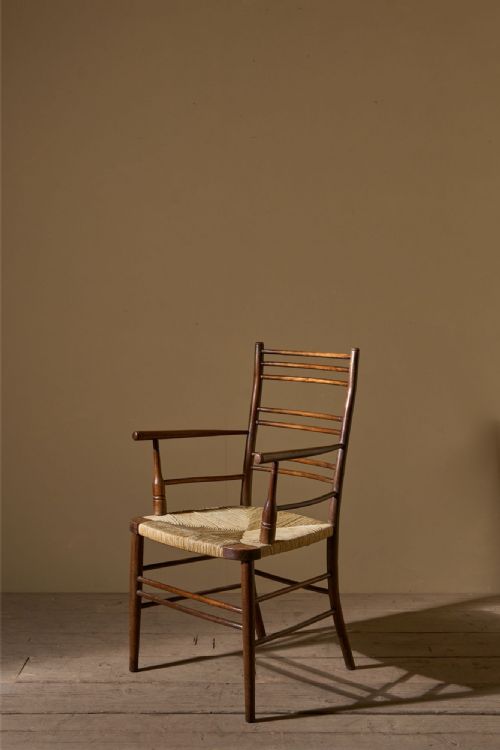
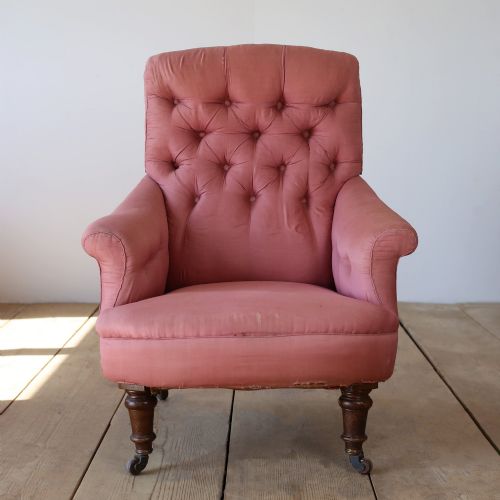
A turned leg accent chair brings structural woodwork and upholstered comfort together, offering a functional seat with visible lathe-turned detail.
Turned Leg Accent Chair
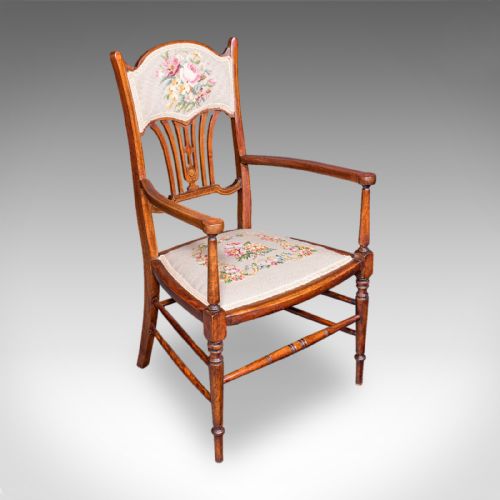
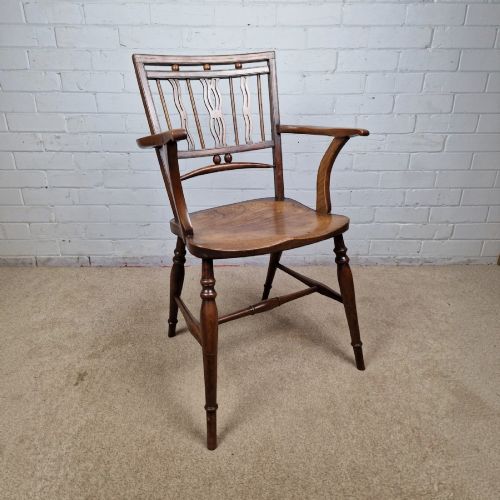
A turned leg accent chair is defined by legs shaped on a lathe, appearing across forms such as armchairs, side chairs, nursing chairs, and corner chairs. The pieces found here span multiple periods, from the eighteenth century through the Victorian era and into the early twentieth century.
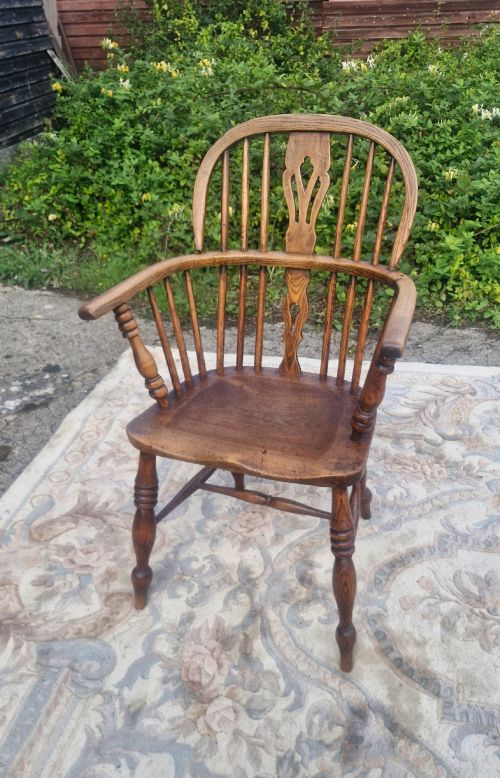
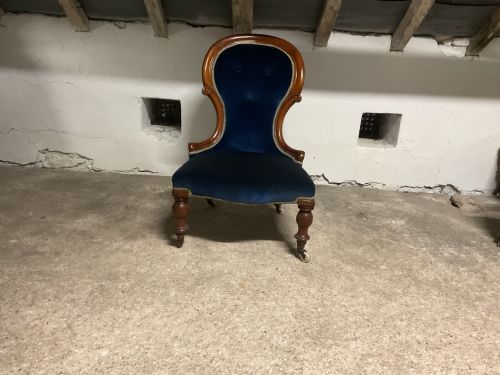
Buyers encounter various timber frames paired with diverse seating configurations, including low-back Windsors, button-backed bedroom chairs, and upholstered library seats. These examples show styles ranging from English Country and Regency to Victorian and Edwardian.
Origin and form dictate the character of each piece, with English, Scottish, and French regional workshops producing distinct proportions. The turned legs provide a recurring decorative motif that unites otherwise varied seating types.
Evaluating craftsmanship and condition
Quality rests in the crispness of the lathe work on the legs and the integrity of the frame joints. Tighter turned profiles and well-seasoned hardwoods indicate superior construction from master workshops.
The retention of original upholstery materials, finishes, and secondary timbers elevates a piece. Subtle details in turning execution distinguish standard production items from finer regional examples.
Several chairs arrive with turned legs resembling stacked wooden beads, offering a tactile texture that demands a closer look.
Howard and Sons·Mellier and Co·Hampton and Sons
The Turned Leg Accent Chair Glossary
- Bobbin turning
- A form of lathe turning that produces a series of rounded, bead-like shapes resembling spools of thread. This decorative woodwork appears frequently on seventeenth and nineteenth-century furniture frames.
- Windsor chair
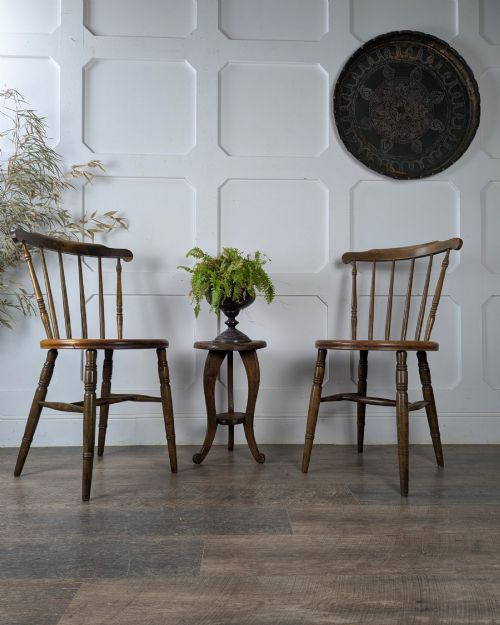
- A wooden chair constructed with a solid saddle-shaped seat into which the legs and back spindles are direct-inserted. These rural seats often feature bowed backs and turned supports.
- Corner chair
- A square-seated chair designed to fit diagonally into the corner of a room, featuring a curved back rail supported by turned columns. They typically stand on four legs with one positioned centrally at the front.
- Slipper chair
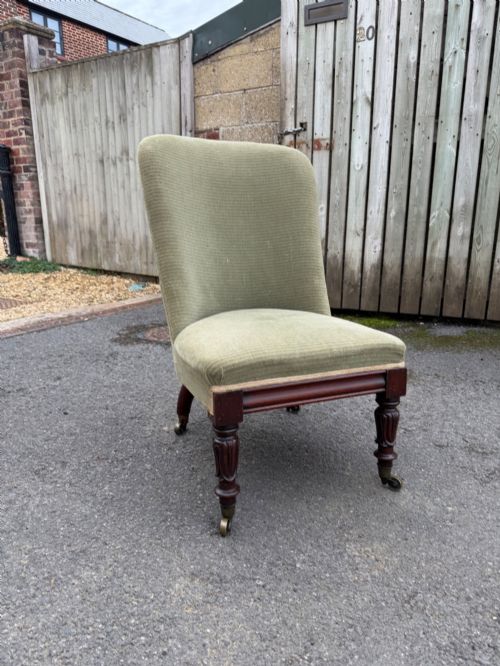
- A low-framed upholstered chair lacking arms, originally designed for dressing rooms and bedrooms. The low posture allows for ease of movement while putting on footwear.
Turned Leg Accent Chair: Frequently Asked Questions
How do I date a turned leg chair?
Dating relies on observing the combination of timber species, turning style, and joinery techniques. Eighteenth-century examples often utilise dense oak or walnut with hand-cut construction, while Victorian pieces tend to show machine assistance and softer secondary woods.
Changes in upholstery methods and decorative motifs also help narrow the decade of production. Comparing the leg profile against known regional styles clarifies the likely origin.
Where should I place an accent chair?
An accent chair functions effectively in bedrooms, hallways, and living spaces to provide secondary seating without overwhelming a room. Smaller variants like slipper chairs and corner seats fit well into neglected alcoves.
Because these pieces feature detailed woodwork on the legs, positioning them where light can catch the turned profiles enhances their visual impact.
Are these chairs comfortable for daily use?
Comfort varies significantly depending on the specific form, ranging from upright wooden hall chairs to deeply padded upholstered armchairs. Library and lounge variants offer sprung or stuffed seats suited for extended sitting.
Period upholstery may feel firmer or more supportive than modern cushions due to traditional stuffing methods. Selecting the right chair depends on whether the intended use is decorative or relaxed seating.
How do I care for wooden turned legs?
Wooden frames benefit from occasional applications of appropriate furniture wax to nourish the grain and protect the finish. Avoiding direct sunlight prevents the timber from drying out or fading over time.
Dusting the detailed grooves of bobbin and spindle turning with a soft brush keeps the lathe work distinct. Gentle maintenance preserves the original patina of the wood.