


Edwardian Low Chair
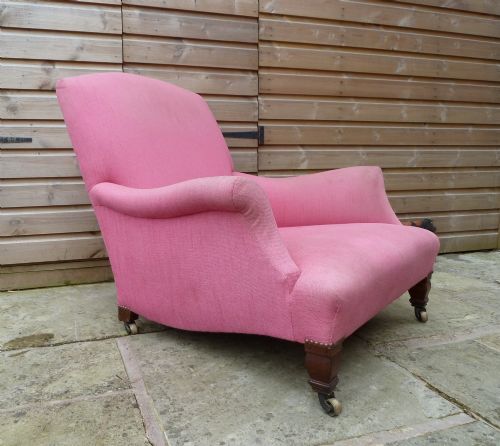
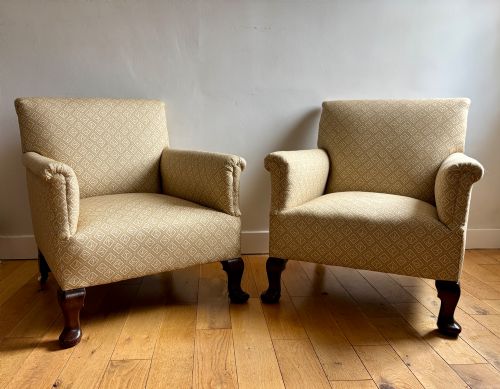
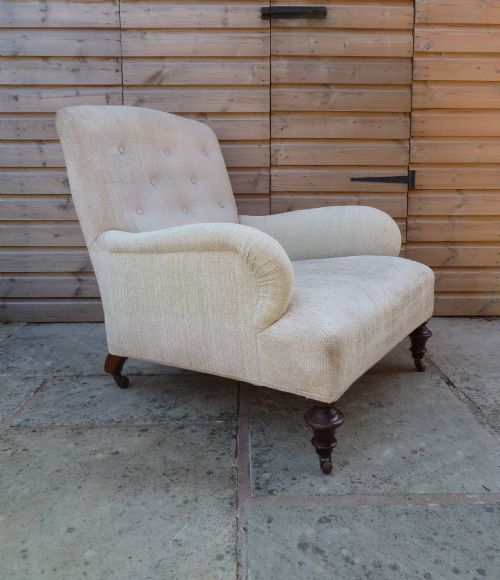
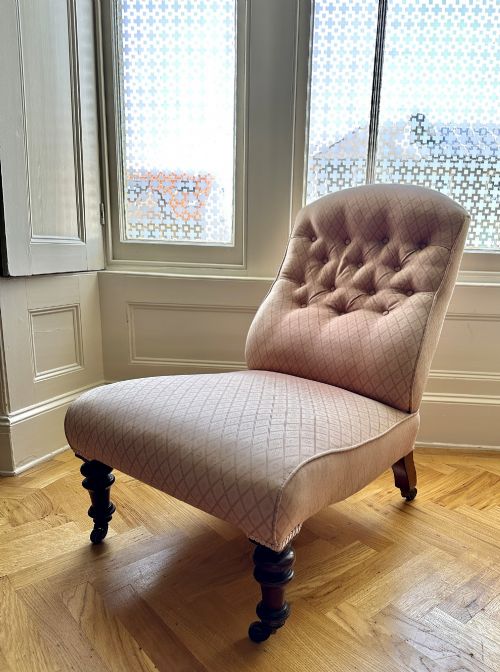
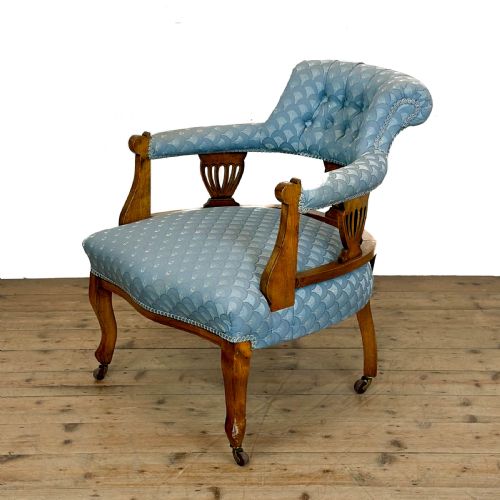
An edwardian low chair is a low-slung, upholstered seat designed for relaxation, offering a generous depth and a compact profile.
Edwardian Low Chair
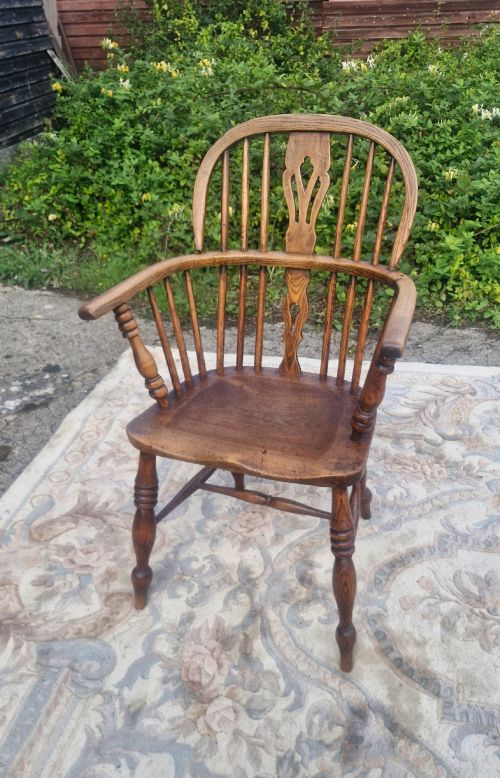
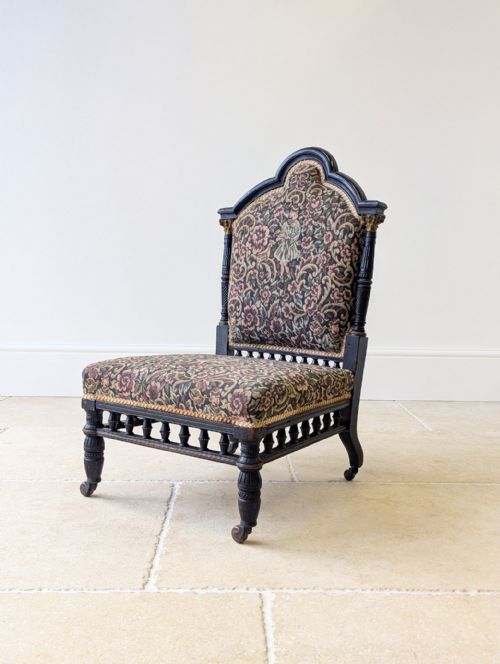
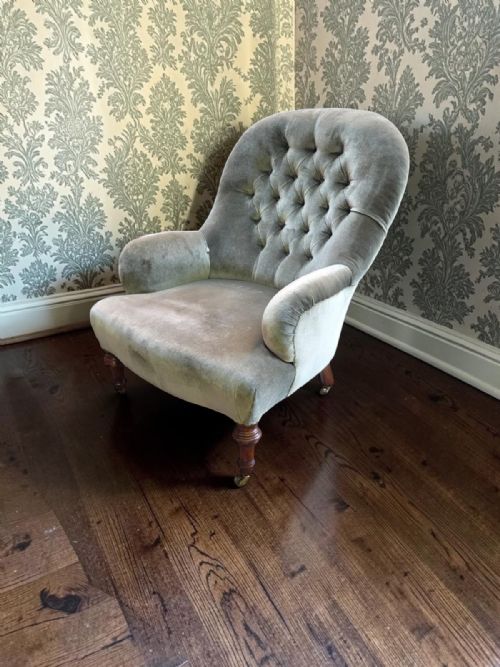
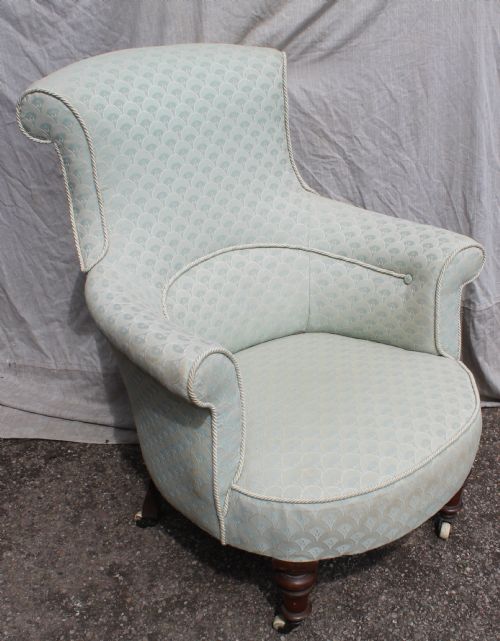
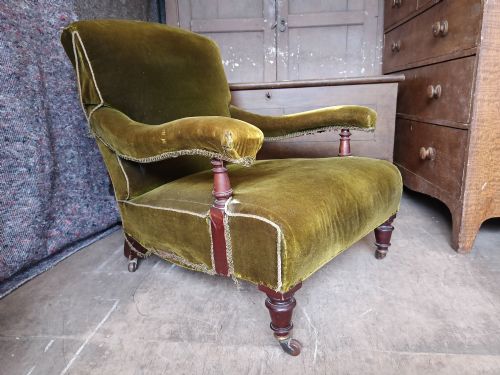
When searching for an edwardian low chair, you will encounter diverse seating forms including armchairs, nursing chairs, slipper chairs, and low tub chairs from the late nineteenth and early twentieth centuries. These pieces were built for comfort in parlours, bedrooms, and drawing rooms, sitting closer to the floor than standard dining or desk seats.
The materials and styles span mahogany, oak, walnut, and beech frames paired with fabric, velvet, calico, leather, and rush. You will find pieces reflecting Arts and Crafts, Aesthetic Movement, and Victorian Gothic Revival influences, alongside pieces bearing the distinct hallmarks of makers like Howard and Sons or Liberty Morris and Co.
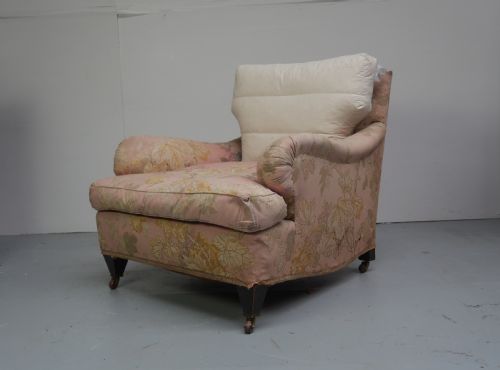
Many listings show pieces described in the Howard style, reflecting deep seats and low profiles that prioritize lounging. Alongside these, you will see occasional chairs, prayer chairs, and gossip chairs that demonstrate the varied domestic uses for low seating during this period.
How they were made
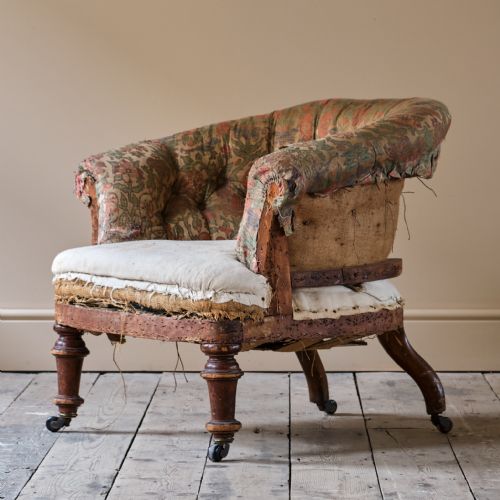
Frames rely on sturdy timbers such as mahogany, oak, walnut, and beech, shaped through turning, carving, and joinery to support heavy upholstery. Wood components often display polished finishes or ebonised surfaces, sometimes with brass castors fitted to the feet.
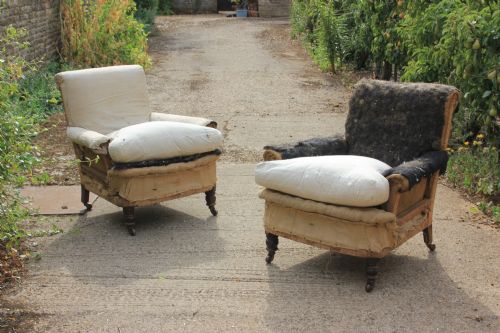
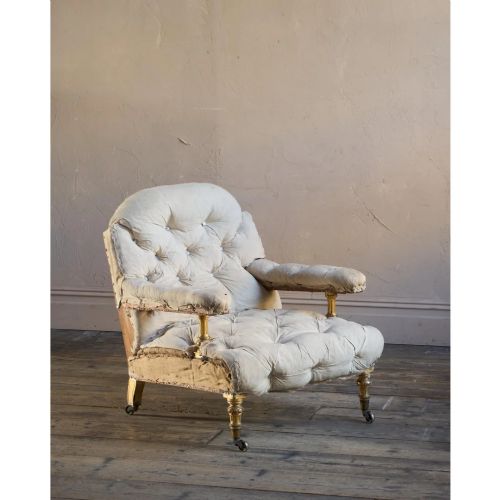
Upholstery techniques involve deep buttoning, sprung interiors, and hand-tacked textiles including velvet, leather, calico, and woven fabrics. Makers utilised sturdy internal webbing and stuffing to create the characteristic deep, supportive seating seen across club and lounge formats.
Gossip chairs were built with angled seats so two people could sit facing opposite directions while chatting.
What varies in quality
The integrity of the internal wooden frame and the original craftsmanship of the joinery set the best examples apart from standard production. Timber selection, such as figured mahogany or solid oak rather than softer secondary woods, indicates superior workshop origin.
The sophistication of the upholstery build, from hand-tied springs to high-grade textile coverings like velvet or stamped maker fabric, determines the refinement of the piece. Maker attributions or stamps provide clear evidence of distinguished workshop provenance.
Howard and Sons·Liberty Morris and Co·Whytock and Reid·Hampton and Sons·Waring and Gillow
The Edwardian Low Chair Glossary
- Low Chair
- A seat designed with a shorter distance between the floor and the cushion, intended for relaxed lounging or dressing in bedrooms and parlours.
- Button Back
- An upholstery technique where indentations are formed by pulling stitches tightly through the padding to secure buttons, creating a cushioned diamond pattern.
- Bergere
- A closed-arm upholstered armchair with cane work panels set into the wooden frame, originating in France and adapted in later British furniture.
- Slipper Chair
- An armless or low-armed upholstered chair originally used in bedrooms for putting on shoes or garments.
- Rush Seat
- A woven seating surface made from dried marsh grasses or rushes, commonly found on Arts and Crafts chairs.
Edwardian Low Chair: Frequently Asked Questions
Where were low chairs used?
These seats found places in bedrooms, dressing rooms, and intimate drawing rooms where informal posture was preferred over formal upright seating.
Their short stature made them suitable for resting, reading, or attending to footwear near the fireplace.
How do I identify a Howard style chair?
Look for exceptionally deep proportions, low arms, and robust sprung upholstery designed for maximum physical comfort.
Many bear stamps on the castors or legs, though unlabelled workshop pieces share the characteristic generous padding and low silhouette.
What is a nursing chair?
A low-seated upholstered chair originally built to allow a mother to feed or tend to an infant with ease.
The shortened legs bring the sitter closer to the floor, often accompanied by an open back or compact frame that allowed room for garments.
Are these chairs suitable for daily use?
Most pieces are structurally sound and constructed from hardwoods like mahogany and oak, making them durable for contemporary seating.
Original internal webbing or padding may require professional restoration if the piece has experienced heavy wear over the decades.