





Turn of Century Statue
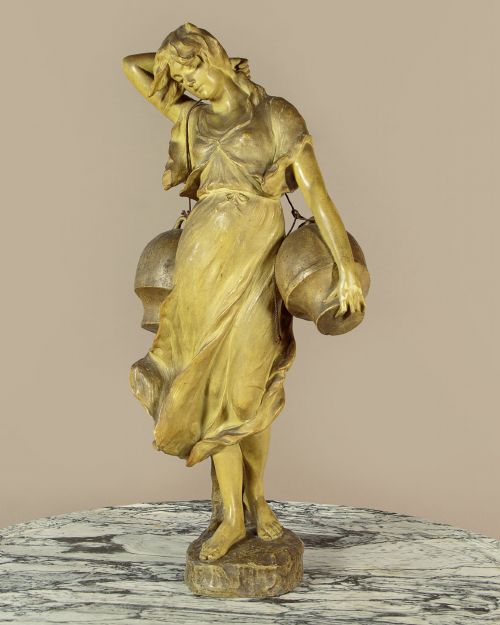
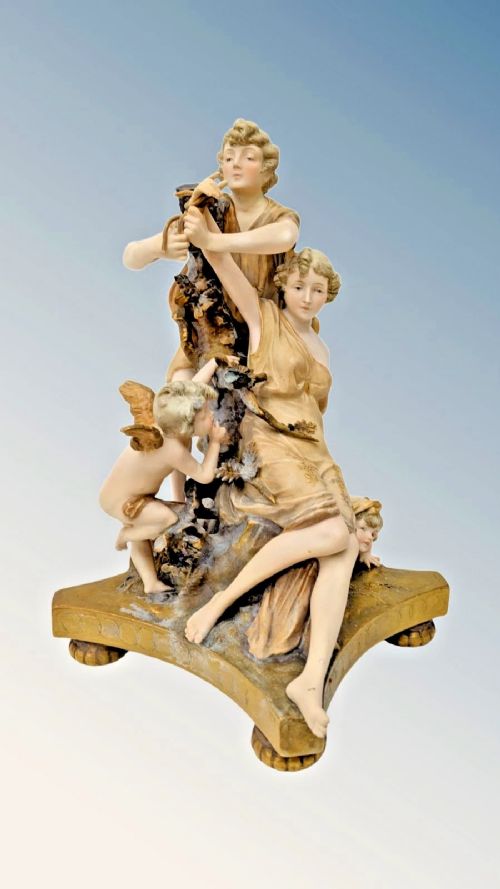
A turn of century statue captures the fluid lines of the 1900s, offering expressive figures in bronze, alabaster and terracotta for the home.
Turn of Century Statue
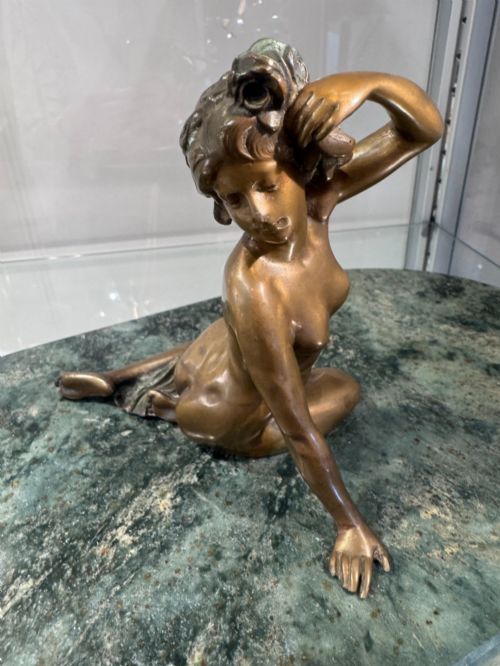
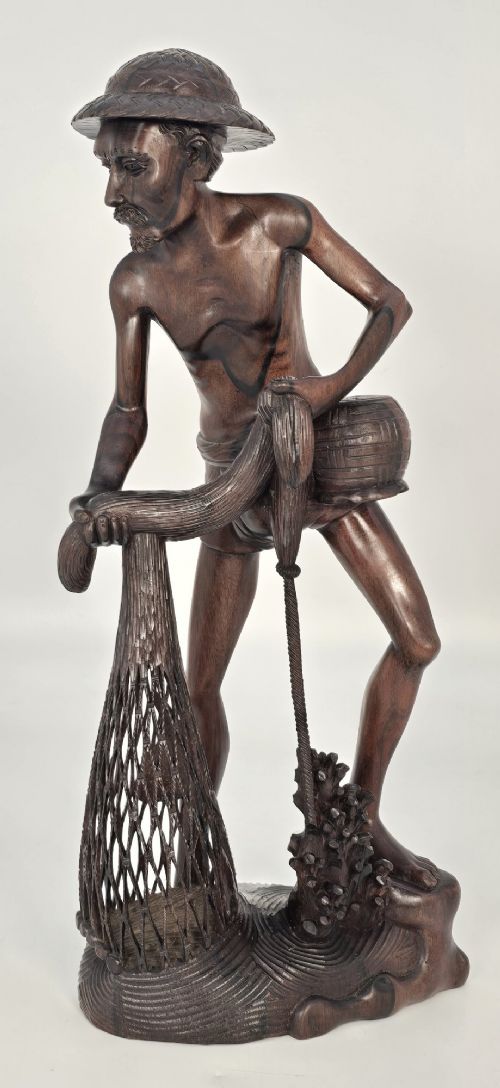
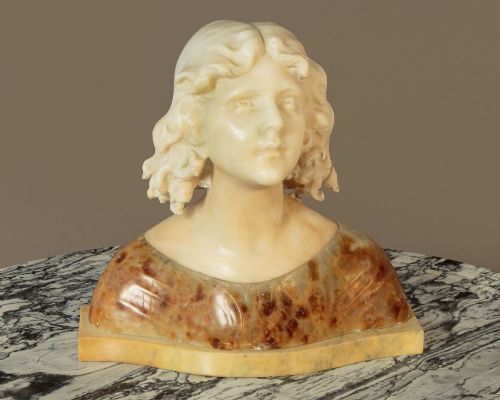
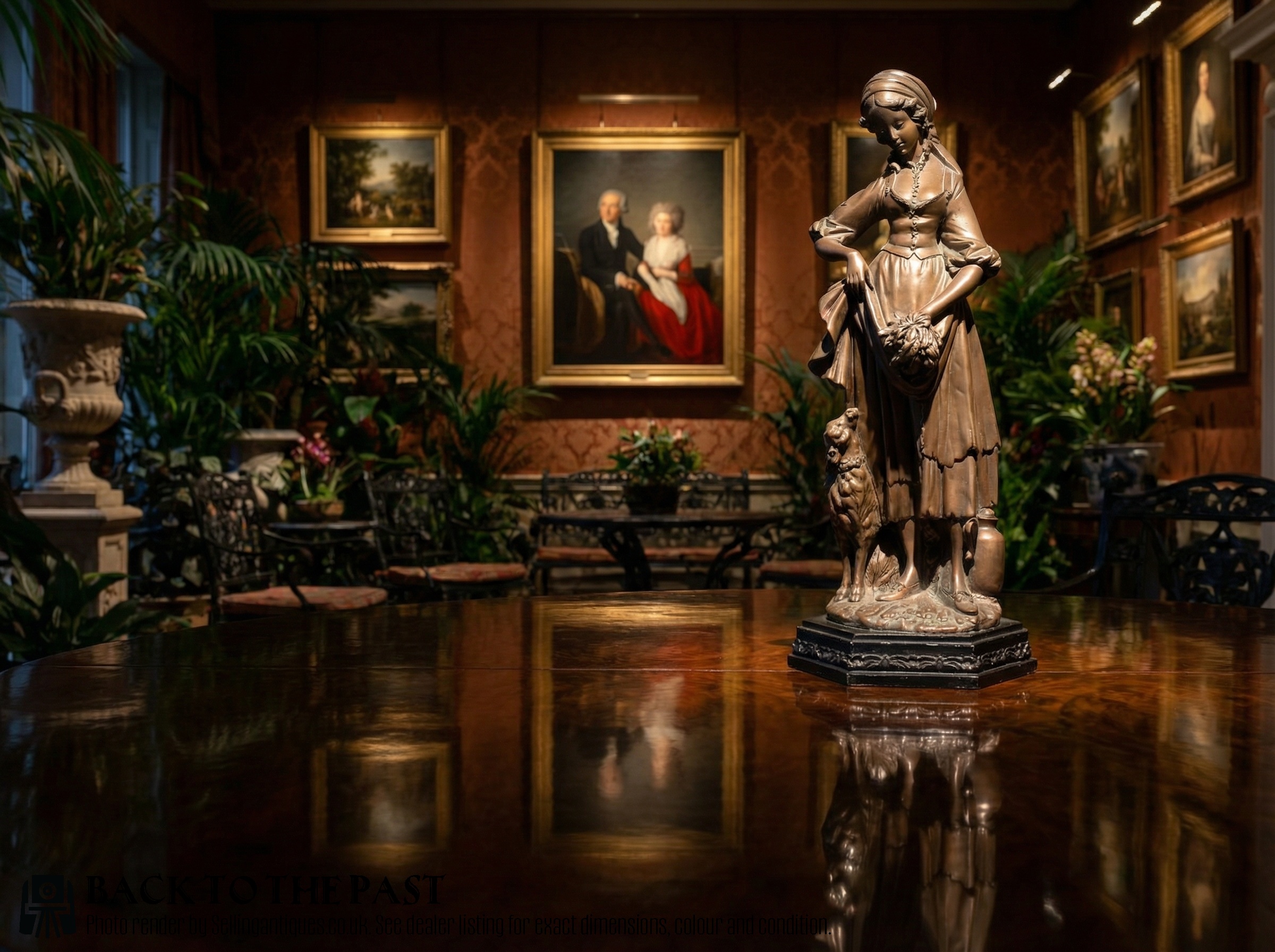
When you search for a turn of century statue, you encounter sculptural works spanning the transition from the late Victorian era through the Edwardian period and the 1920s. These pieces include portrait busts, figurative table lamps, animalier studies and full-length sculptural figures.
The material palette is diverse, ranging from carved alabaster and marble to cast bronze, terracotta, spelter and porcelain. Many of these sculptures embody the flowing organic motifs of Art Nouveau and the decorative sensibilities of the Belle Epoque.
The most common examples on this page reflect European workshops, particularly Austrian and French foundries and potteries, capturing female forms, mythological subjects and domestic animals.
Materials and Construction
Foundries utilised lost-wax casting for bronze figures, capturing intricate detail in garments, hair and facial expressions before applying patination. Spelter served as a more accessible metallic alternative, often given a bronze or gilt finish to mimic higher-value materials.
Ceramic works combine moulded earthenware or terracotta with hand-painted polychrome glazes or metallic pigments. Alabaster and marble pieces rely on skilled hand-carving to achieve translucent skin tones and fluid drapery.
Plaster and bronzed plaster offered an economical medium for large busts and figures, finished with surface treatments to simulate heavier metals.
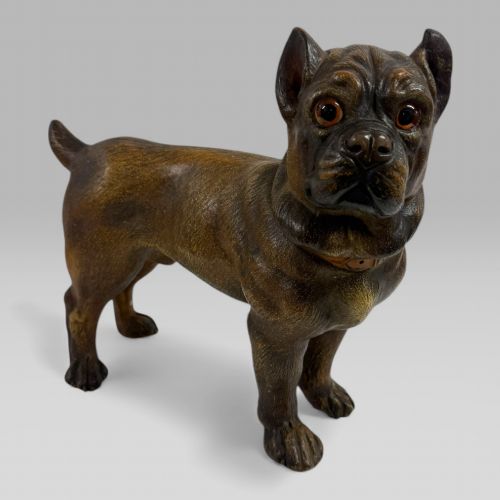
A life-size terracotta pug dog stands ready to greet visitors without demanding evening walks or sharing the sofa.
Judging Quality and Execution
The reputation of the studio or maker dictates the standing of a piece, with established Austrian and French foundries employing named sculptors whose work displays superior anatomical proportion and compositional balance.
Goldscheider·Rudolf Küchler·Franz Bergman·Ernst Wahliss·Carl Kauba·Bernard Bloch
The Turn of Century Statue Glossary
- Art Nouveau
- An international style of art, architecture and applied art characteristic of the decades flanking 1900, noted for biomorphic forms and whiplash lines. It heavily influences the figurative sculpture of this era.
- Spelter
- A zinc alloy used as a substitute for bronze in decorative figures and lamps, typically patinated to resemble darker metal. It provides a lighter and more affordable alternative for turn of the century castings.
- Animalier
- A style focusing on the realistic portrayal of animals, particularly dogs, horses and wildlife. Sculptors in this tradition capture creatures in motion or repose with careful attention to anatomy.
- Alabaster
- A fine-grained, translucent mineral frequently utilised for carved portrait busts and female figures. Its natural permeability allows for soft light diffusion in sculptural works.
- Terracotta
- Fired clay used for modelled figures and decorative busts, often left in its natural reddish hue or painted and glazed. It permits expressive modelling by the artist before the firing process.
Turn of Century Statue: Frequently Asked Questions
How do I clean alabaster statues?
Dust alabaster gently with a soft, dry microfibre cloth to prevent surface scratching. Avoid water and chemical cleaners entirely, as the mineral is porous and prone to moisture damage.
For stubborn marks, consult a professional conservator rather than attempting wet cleaning at home. Proper placement away from direct sunlight and damp environments preserves the stone.
Where should I place a bronze figure?
Position bronze sculptures in stable interior environments away from high humidity and direct heat sources. A secure wooden console or mantelpiece provides adequate support for heavier metal or stone bases.
Allow sufficient clearance so the piece can be viewed from multiple angles, particularly for works featuring intricate drapery or seated poses.
What is spelter?
Spelter is a zinc-based alloy commonly used for decorative figures, lamps and bookends during the late nineteenth and early twentieth centuries. It offered makers a cost-effective alternative to bronze while permitting similar levels of sculptural detail.
Recognisable by its lighter weight and distinctive internal grey metal showing beneath worn patination, spelter requires gentle handling to protect its surface finish.
How do I identify Art Nouveau sculpture?
Look for characteristic design elements such as flowing hair, asymmetrical compositions and plant-inspired motifs like water lilies and winding stems. The human form is typically rendered with graceful, elongated lines and soft drapery.
Signatures or foundry marks incised into the base or reverse often confirm the period of production and link the piece to French or Austrian workshops.