


Turn of Century Lamp
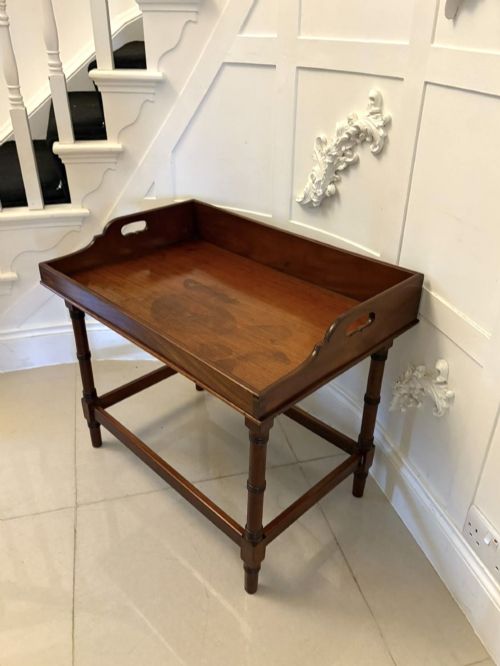
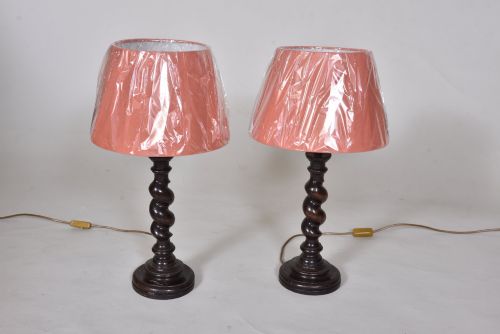
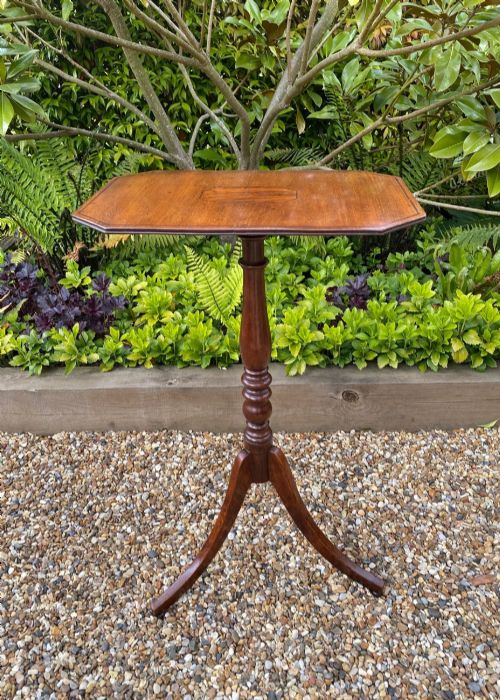
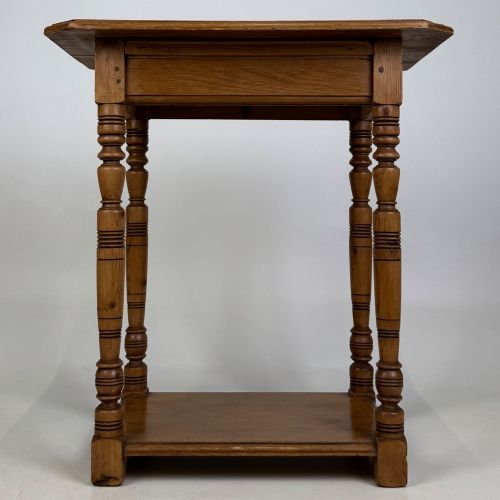
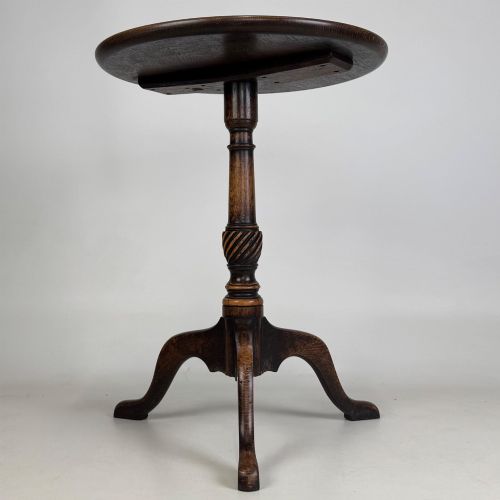
These turn of century lamp pieces bring together rich mahogany and solid oak forms, offering both steady utility and period character.
Turn of Century Lamp
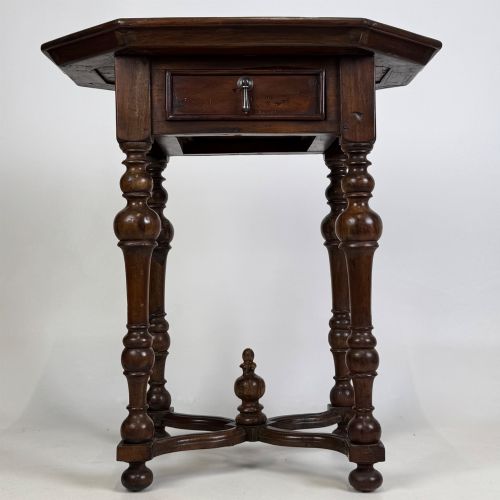
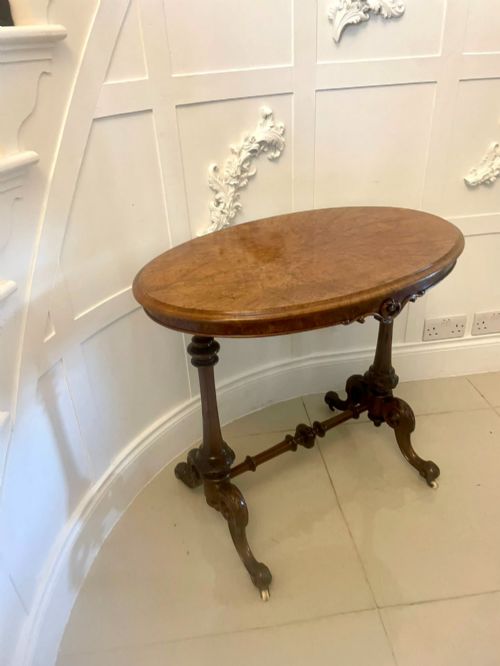
When you search for turn of century lamp, you encounter a selection of occasional tables, side tables, and dedicated lamp bases from the Victorian, Edwardian, and early twentieth-century periods.
The tables on this page often served adjacent to seating for illumination, while the dedicated lamp bases utilise turned timber such as oak and mahogany.
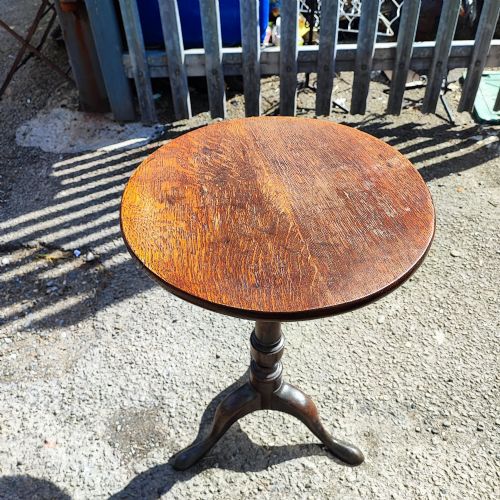
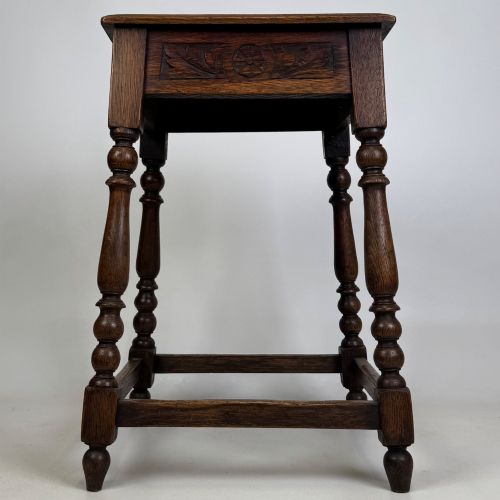
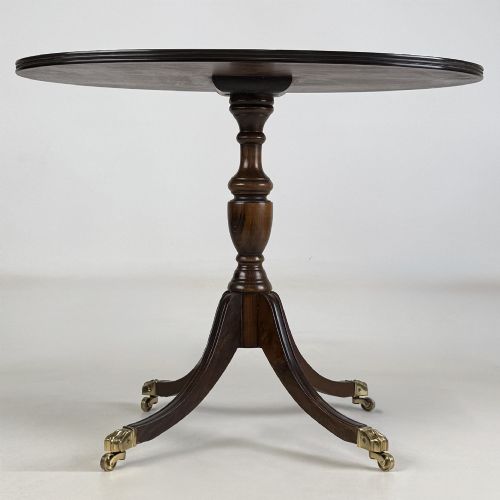
The selection ranges from small Georgian tripod tables to Edwardian oak side tables and matched pairs of nineteenth-century turned wood lamp bases.
How they were made
Cabinet makers utilised dense hardwoods including mahogany, oak, walnut, and rosewood, often pairing solid timbers with burr veneers on table tops.
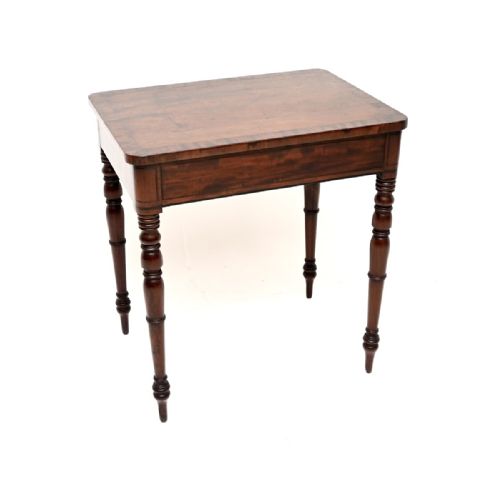
Lamp bases and table supports show turning techniques, ranging from simple bobbin-turning to elaborate pillar designs executed in oak and mahogany.
Materials recorded across the inventory include brass, fabric, and various hardwoods such as satinwood and cherry.
What varies in quality
Quality rests in the choice of timber and the precision of the construction, such as the selection of figured burr walnut or inlaid satinwood against plain utility hardwoods.
The crispness of carved details on Edwardian oak and the balance of tripod table legs separate standard workshop output from finer cabinet work.
Gillows·Hindley and Sons·E.W Godwin
The Turn of Century Lamp Glossary
- Tripod table
- A small freestanding table supported by three legs radiating from a central pillar. These forms appear frequently in oak and mahogany across the eighteenth and nineteenth centuries.
- Occasional table
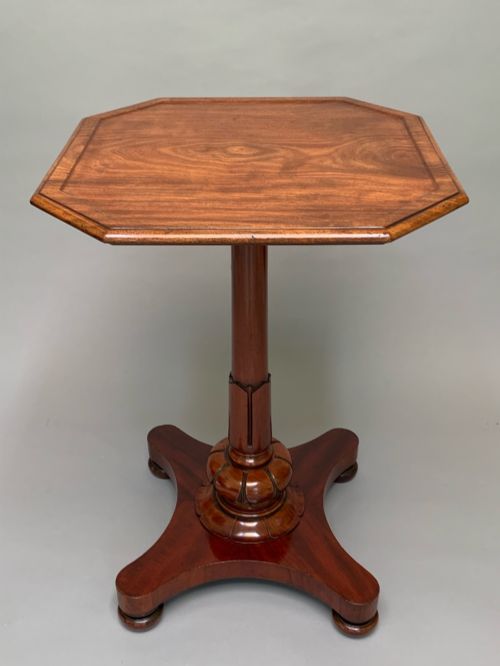
- A small, movable table designed for light domestic use rather than a fixed dining or writing purpose. They emerge in various shapes including octagonal, oval, and square formats.
- Lamp base
- A vertical stand, typically turned from solid timber such as oak or mahogany, wired or adapted to hold a light fitting. Pairs of these items appear in both nineteenth and twentieth-century contexts.
- Tray top
- A table top finished with a raised moulded rim designed to prevent items from sliding off. This detail appears on select Georgian and nineteenth-century mahogany examples.
- Spider leg
- A table featuring slender, delicate legs connected by thin stretchers to maximise legroom while maintaining stability. They are typically found on eighteenth-century lamp tables.
Turn of Century Lamp: Frequently Asked Questions
What is a turn of century lamp table?
A turn of century lamp table is a small occasional table intended to support a portable light source or candle stand beside seating.
These pieces typically date from the late Victorian or Edwardian eras and utilise timbers like oak and mahogany.
How do I identify an Edwardian side table?
Edwardian side tables generally date from around 1900 to 1920 and frequently feature lighter oak construction with simple carved ornamentation.
They often present in square, octagonal, or narrow formats suited for domestic spaces of that period.
Were these tables originally made for lamps?
Many tables described as lamp tables served multiple domestic functions, including holding books, tea items, or candles before electricity became common.
Their compact proportions and sturdy tripod or four-legged designs made them adaptable for lighting as domestic habits changed.
What wood was most commonly used?
Oak and mahogany dominate the materials seen in these listings, appearing across both side tables and turned lamp bases.
Other woods such as walnut, rosewood, and yew wood also appear in specific regional or stylistic pieces.